There is something about Jim Jarmusch’s cinema that speaks to me a lot, and I’ve spent quite some time thinking about what exactly that thing is that makes me connect vastly with his work. After watching his latest, “Father Mother Sister Brother” (the centerpiece film of the 2025 New York Film Festival, and the most recent winner of the Golden Lion at Biennale), I finally found my answer. The quiet poetry he employs to speak about everyday life makes simple moments feel grand and easy to appreciate, rather than easily dismissed. His films make me think about the beauty of a quick drink at a bar, a nighttime ride, or just a conversation at a restaurant. It might sound sentimental, even indulgent. But it’s the most honest way I can describe what his cinema stirs in me.
When I watch Jarmusch’s films, especially his episodic works of interconnected stories about lonely souls, I tend to think back at those moments in life that you may not have thought about much, yet they leave a mark on you. Hence, the drinks, food, and words we share on an evening or afternoon become part of life’s small treasures, and Jarmusch excels in showcasing that. With his restrained, observational approach, Jarmusch invites us to enter these characters’ lives through the personal and intimate. He reveals the details hidden in their mundane, daily routines and activities. It helps the film become a palpable experience because these are moments we have probably shared with another person. “Father Mother Sister Brother” is yet another triptych that serves as a series of character studies about familial estrangement.
The Long-Term Effects of Childhood Experiences on Adult Relationships
Jarmusch discusses the long-term effects of childhood experiences on adult relationships through three different stories. These tales are linked not only through their themes but also through motifs, visual metaphors, and matching color palettes. There is a focus on a different dynamic within a family: absent fathers, grieving mothers, and isolated brothers and sisters. They are fascinating, honest explorations that each could make for its own picture, yet are rich in unison. It has an understanding of the ties that bind us in a way that many self-reflective films about parenthood and broken families do not. Each segment does require a few more minutes to develop each set of characters adequately. Still, the conversations flow with a natural rhythm that captures the discomfort, love, and unspoken resentment shared among relatives who no longer know how to reach one another.
The first section of the film is “Father”. It follows two siblings, Jeff (Adam Driver) and Emily (Mayim Bialik), who visit their father, played by Tom Waits (who always steals the show in any movie he’s in), after growing concerns over his health and finances. Their relationship with the family patriarch is fractured, like all depicted in the film, to the point where the individuals don’t have much in common. The only thing that ties them is blood. The father lives in an isolated, messy house, which is kept together by sheer luck and Jeff’s occasional financial assistance. At that meeting, the three discussed serious matters. Jarmusch treats it sometimes with a comedic tone and light tension. Yet there is an honest silence that was used to get to the root of the discussion.
The Whys and Hows of Doubts, Grievances, and Complications
This section quietly captures the strange inversion that occurs when children must begin to care for their own parents. Jarmusch portrays that role change with tender awkwardness. The siblings’ frustration and compassion blend to create painfully familiar moments. Their concerns are the only ways they can express love towards their father. It is an act of care that retaliates hard even through the chimes of brevity.
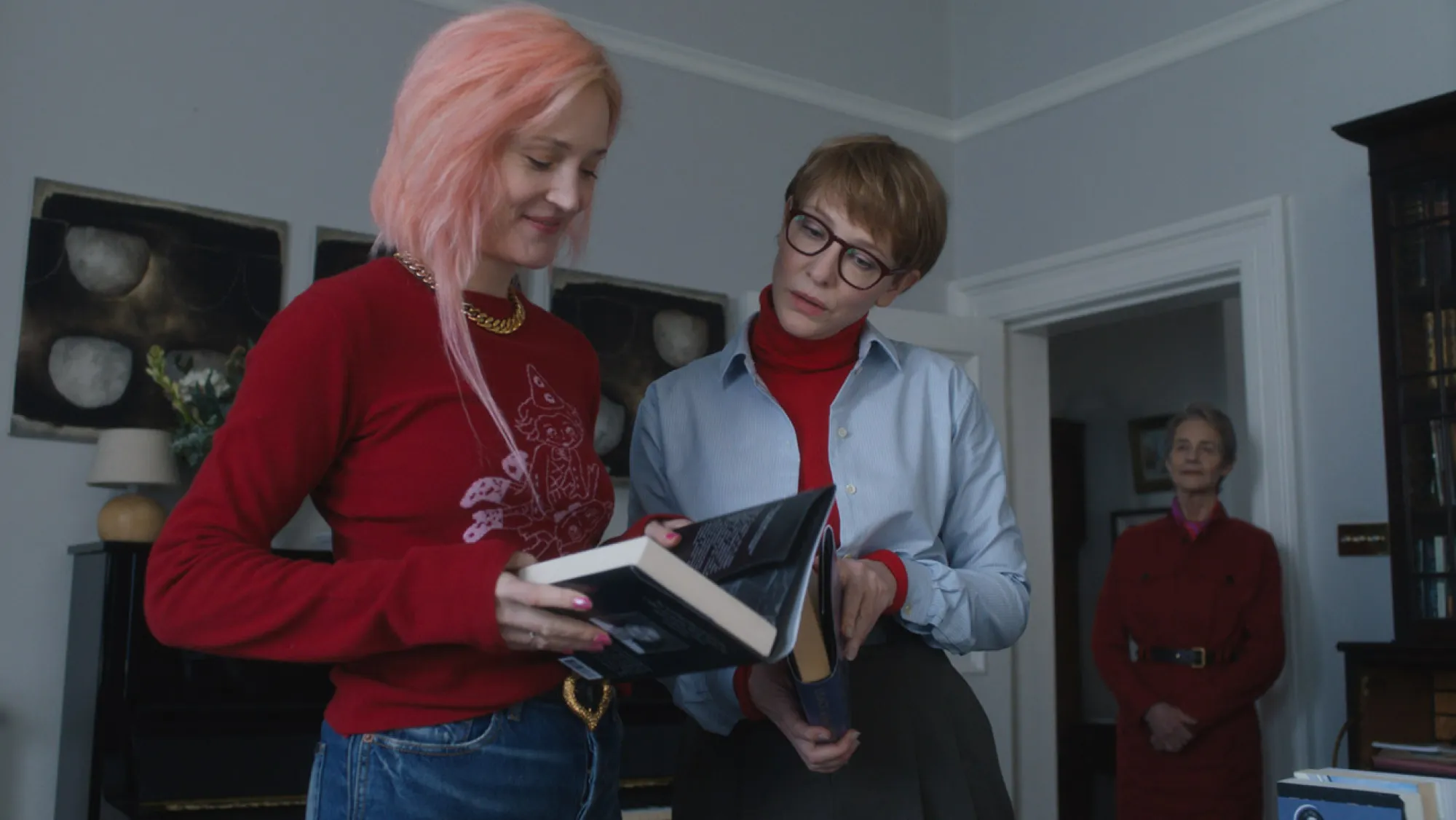
The second one, “Mother”, centers around the annual afternoon tea between a mother (Charlotte Rampling) and her two daughters, Timothea (Cate Blanchett) and Lilith (Vicky Krieps). As opposed to Waits’ character, Rampling’s is living fancifully and comfortably, with riches from her successful books and writing. These are early signs of a different family dynamic, yet forged from the same set of frustrations and grievances. The sisters are very different from one another. Timothea is much like her mother, with Blanchett opting to copy Rampling’s poise and posture as an actress. Meanwhile, Lilith seems like an outsider when beside them.
She’s like the reckless free bird who does not want to be living the pim and posh life bestowed upon her by her mother. These differences are still a talking point between them, which leads to further discussions on the wounds of “imperfection.” One daughter seeks to imitate, while the other resists. Within the two opposing gestures of love lies the same desire. They want to be understood by the woman who taught them how to see the world.
A Portrait of Loneliness, Mundanity, and Human Connection
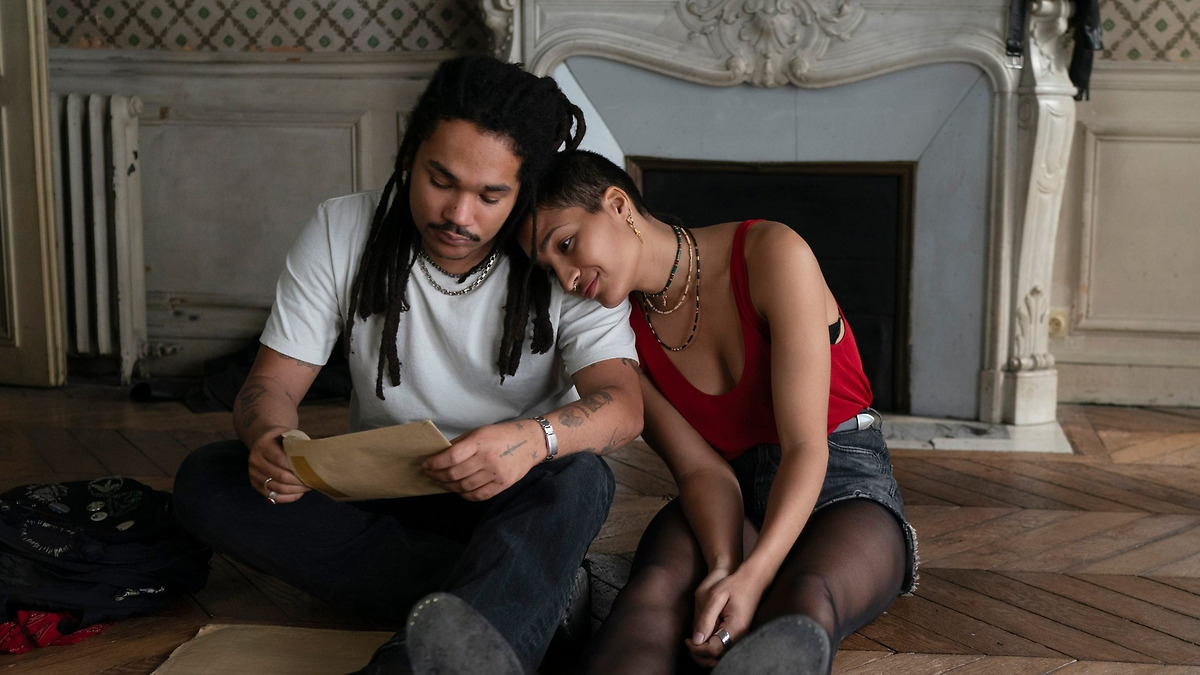
In the third section, “Sister Brother”, there is no parental figure. The story revolves around a set of distant twins, Skye (Indya Moore) and Billy (Luka Sabbat), as they go through their now-deceased parents’ apartment in Paris. Every section in the film has a tragic nature. It is induced by the realism attached to the dramatization and comedic touches. However, this last one has a deeper sting because of the change of perspective. Instead of confrontations with a parent about their time together, or apart, Skye and Billy have a different dynamic than that of Jeff, Emily, Timothea, and Lilith. They never had that opportunity to converse at a different stage in their lives. Their parents’ unexpected passing left them with little to talk about. The two must now try to piece together the whys and hows of all their doubts, grievances, and complications.
“Father Mother Sister Brother” feels vastly different from Jarmusch’s other triptychs (“Night on Earth”, “Coffee and Cigarettes”, “Mystery Train”). These films all tie together to paint a collective portrait of human connection, loneliness, and the mundanity of everyday life. Jarmusch often adds clues and minor details to tie the characters together, even when they don’t end up meeting face to face. (In this case, the mention of their uncle Bob, a toast to celebrate or dissipate an ancestral watch, and matching patterns in their clothing.) These details may not seem significant, but they convey the sense that these stories are universal in nature.
A Different Form of Triptych from Jim Jarmusch

Regardless of the place or age, the same dilemmas persist from one generation to the next. We have spent a lot of time trying to understand each other and mend old wounds. Sometimes it isn’t until our later years that we finally grasp the essence of our loved ones. The film is driven by conversation, yet Jarmuch is never shy of letting silence dominate the course of these meetings. He isn’t one to keep a scene silent, playing a well-selected rock track or a witty quip as an escape. Here, he revels in it and wants the characters and viewers to do the same. The weight of that unspoken, unanswered, and unexpressed comes crashing down harder and harder as each section comes and goes.
Even through those emotions, it never becomes overly melancholic or dramatically charged. Jarmusch does it with grace and subtlety that we’re accustomed to seeing from him. By the end, “Father Mother Sister Brother” becomes less about reconciliation and more about recognition. These characters understand where the fractures in their respective families originated, yet they accept that healing doesn’t always mean a heart will be completely mended.