


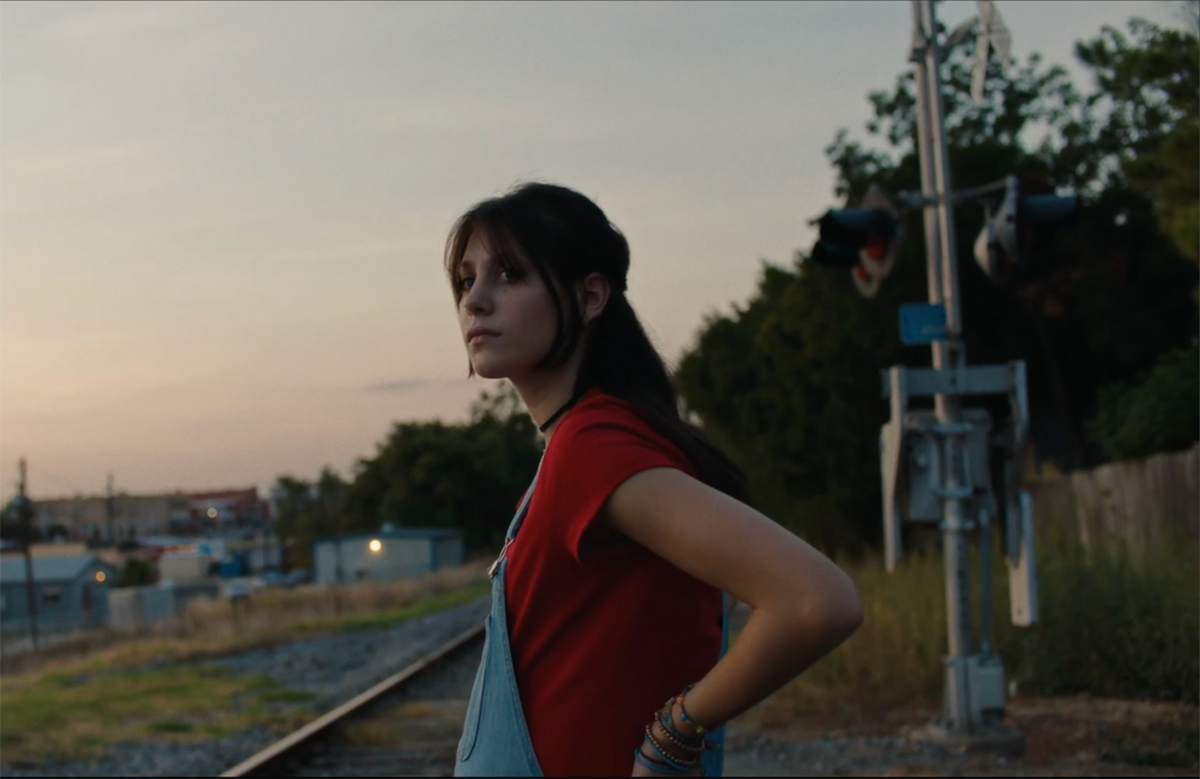
“American Baby,” directed by Ellen Rodnianski, begins by introducing the everyday life of an immigrant family from Ukraine, living without the presence or support of a father. The story centers on Oli (Abigail Pniowsky), a 15-year-old girl growing up in a relatively remote, small-town environment in Texas. The film does not begin with an elaborate dramatic introduction. Instead, it gradually brings the audience into the characters’ lives and establishes the world in which the story takes place.
This is an independent film, and its overall approach and arrangement reflect that identity. Of course, general audiences do not necessarily distinguish between independent and mainstream filmmaking when deciding whether to watch a movie. Ultimately, they look for a story that interests them and an experience they can connect with. However, there is something particular about the way an independent film approaches its subject, and “American Baby” makes that approach an important part of its storytelling.
The film begins with Oli spending time with her friends and engaging in the ordinary activities of teenage life. Her interactions with one of her classmates gradually lead to a sexual encounter, which is the first experience of this kind for both of them. It is presented as an outcome of their relationship and the closeness that has developed between them, rather than as an isolated event introduced simply for dramatic effect. In the environment established by the film, the situation does not feel entirely unexpected.
A Simple Drama
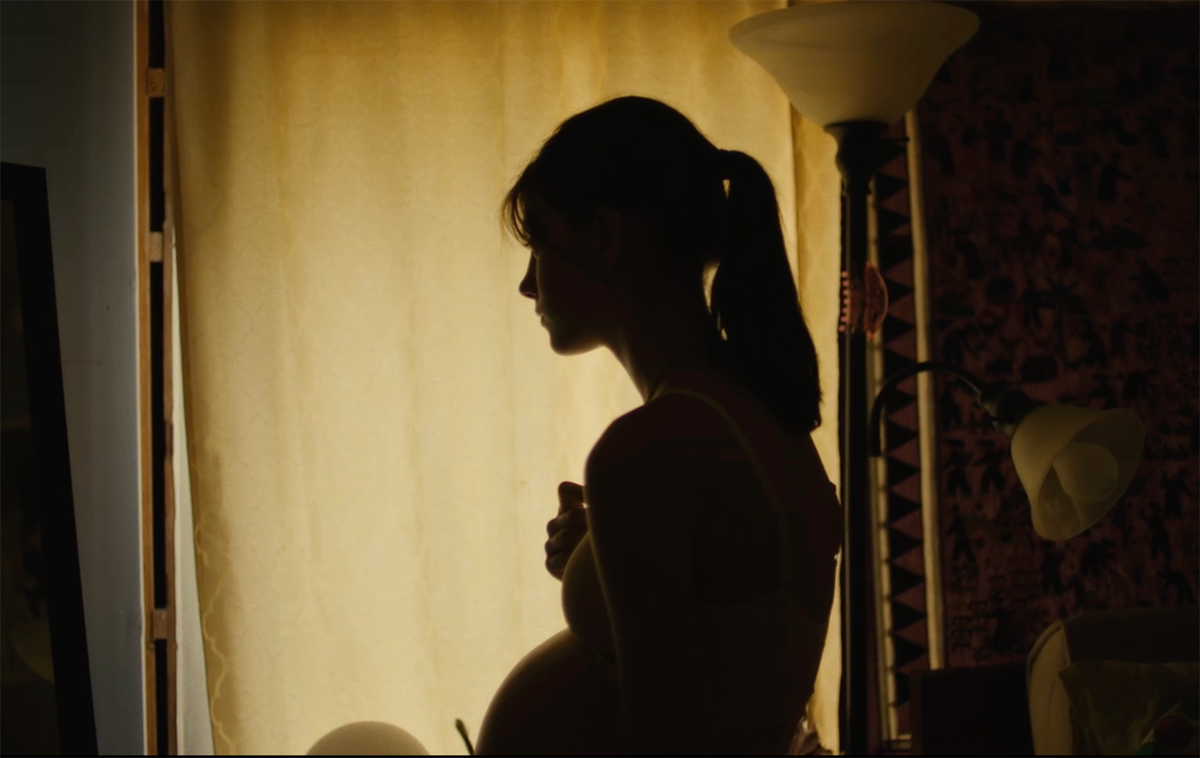
Quite early in the story, the audience learns that Oli has become pregnant. At just 15 years old, she suddenly faces a situation that brings an enormous burden upon herself, her mother, and the small community around them. The film is essentially a simple drama, but the circumstances surrounding the pregnancy create the central conflict. Oli’s struggle continues throughout the story, with support coming from one of her closest friends and, eventually, from her mother.
From the writing, to the filming, editing, and overall structure, “American Baby” maintains a consistent approach. The dialogue is an important part of its storytelling. In some films, an abundance of dialogue can become unnecessary or create interruptions in the flow of the narrative. There can also be moments when conversations feel disconnected from the characters or the environment. In “American Baby,” however, the dialogue generally feels suited to the characters and their surroundings. It becomes one of the tools through which the writers express the story and develop the people within it. The writing makes good use of conversation without losing sight of the central narrative.
It is also worth mentioning that Rodnianski is not only the director but also a co-writer of the film, alongside Tanya Leonova. This gives her a direct connection to the development of the story and its expression on screen. The way the dialogue, characters, and situations come together reflects a consistent understanding of the story she wants to tell.
A Sense of Authenticity
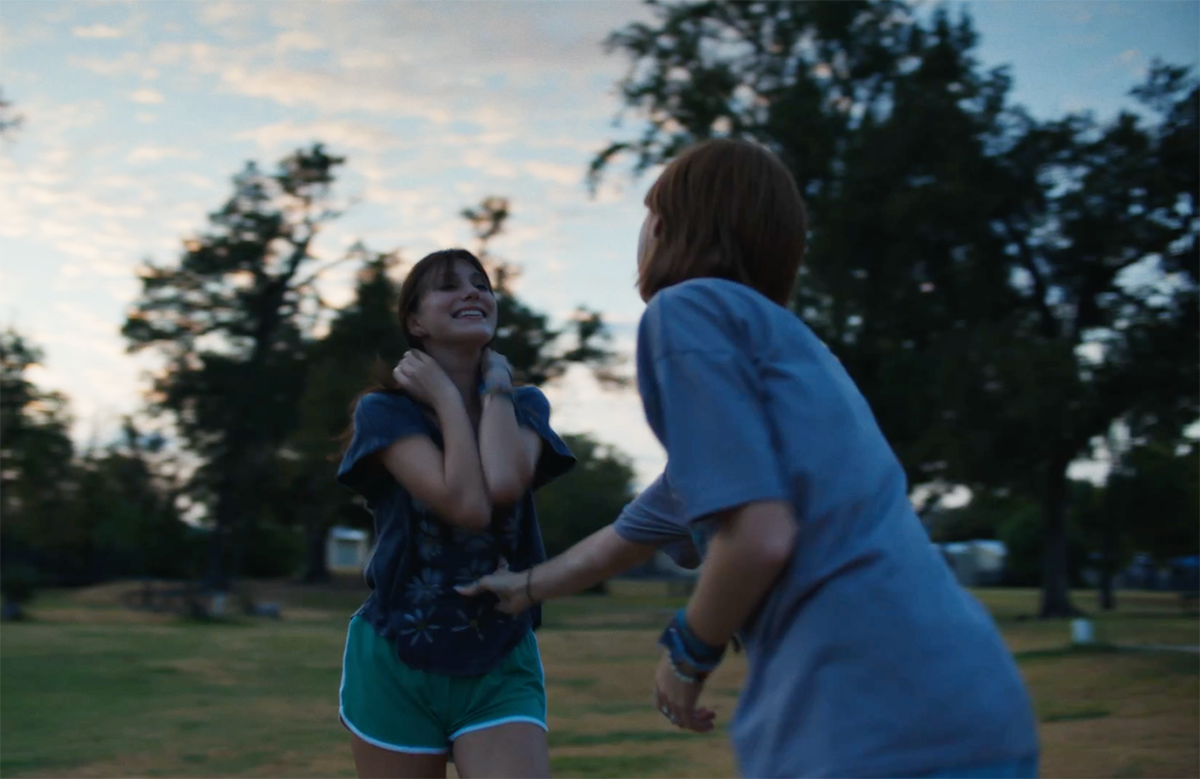
The cinematography follows a similarly natural approach. The film does not appear to depend on elaborate camera arrangements or an excessive effort to make every shot visually impressive. Instead, it uses its locations and surroundings in a way that feels connected to the lives of the characters. Whether a scene takes place during the day, in the afternoon, in the evening, or at night, the visual approach remains grounded in the actual environment and the time of day. The intention seems less about creating photographic moments for their own sake and more about capturing the world in which the story exists. This sincerity gives the film a sense of authenticity.
Another aspect worth mentioning is the use of handheld camera work. The camera follows the characters and their individual movements in a natural manner, rather than relying on overly arranged or static compositions. This approach suits the film’s environment and contributes to the feeling that the audience is observing events as they unfold. It is an effective choice for this kind of storytelling.
At the center of the film is the struggle of a 15-year-old girl facing an unexpected pregnancy without fully understanding its consequences. That central idea is developed effectively. Throughout the film, I didn’t feel that the storytelling was missing an essential element or that the narrative needed additional material to move smoothly from one situation to another. The story remains focused, and its development feels well considered.
Visual Storytelling is Clear
The balance is also one of the film’s strengths. The story does not introduce too many additional elements that might distract from Oli’s experience. Similarly, the filmmaking avoids unnecessary images or sequences that could interrupt the narrative or weaken its development. Both the writing and the visual presentation remain connected to the central subject. The director’s use of the camera is particularly effective in this regard. The visual storytelling is clear and purposeful, allowing the images to communicate what the story needs without creating unnecessary complications.
At the center of the film is the struggle of a 15-year-old girl facing an unexpected pregnancy without fully understanding its consequences.”
There are a few particularly memorable scenes. (*Spoiler alert*) One that stands out is the moment when Oli runs into a table, deliberately striking her abdomen against it in the hope of causing a miscarriage and escaping the problems she believes she has brought upon herself and her family. At almost the same time, her mother, Miriam, enters the house and hears the sound. Initially, she does not understand what has happened or where the sound has come from.
But when she realizes what her daughter is doing, she rushes toward her to stop her from striking her abdomen against the corner of the table and holds her. The scene is powerful not simply because of the action itself, but because of the way the moment unfolds. The timing, the mother’s reaction, and the emotional connection between the two characters make it one of the film’s most effective sequences.
‘American Baby’ Stays Focused on its Characters
There are also moments in which the director communicates a subtle psychological state without making it explicit. One example is when Oli walks near a passing train or waits for the train to pass before continuing across the road. The film does not directly tell the audience what she is thinking, nor does it show an explicit act or make a clear statement about her intentions.
Yet, the situation creates an uneasy feeling. The possibility of self-harm briefly enters the audience’s mind, even though the film does not need to explain it through dialogue. I find this kind of subtle psychological expression particularly effective. It demonstrates the director’s ability to introduce a complex human emotion through visual storytelling, leaving room for the audience to understand and interpret the moment.
Overall, “American Baby” demonstrates how much can be achieved through a relatively simple story when the filmmaking remains focused on its characters and their circumstances. The film does not attempt to become something larger than the story requires. Its writing, cinematography, editing, and direction work together without unnecessarily distracting from the central experience.
A Sincere and Balanced Film
Ultimately, “American Baby” is a sincere and balanced film that carries its central idea successfully through to the end. For a young filmmaker making her first independent feature, this is a notable achievement. Rodnianski demonstrates a clear understanding of how to tell a story through images, performances, dialogue, and carefully developed situations. I would consider “American Baby” a strong example of what independent filmmaking can achieve when the filmmaker remains committed to the story. Given the often-scant resources independent filmmakers have to work with, it’s a remarkable achievement that “American Baby” is as effective as it is.
“American Baby” had its New York City premiere on Saturday, November 14th at Roxy Cinema followed by a Q&A by lead actress Abigail Pniowsky, producer Lucas Ford and writer/director/producer Ellen Rodnianski. You can view trailer in the window below.