



In a world where A.I. has been incorporated into our everyday lives, it’s hard to believe “Terminator 2: Judgement Day” reaches its 35th anniversary. If you grew up watching “T2,” the message has always been clear: beware the machines. In 2026, we use A.I. for a multitude of things, from meal planning to day-to-day management, and even turning on the lights when we are too lazy to get out of bed. It may not be the takeover we thought. Still, the Connors would be so disappointed in all of us.
Los Angeles, the home of the world’s A-list celebrities and beautiful beaches with fantastic weather year-round, is now ground zero for humanity’s final stand against Skynet. What used the City of Angels is now a graveyard of brand names of yesteryear’s corporations. It also contains the remains of civilians who once waited in traffic to make it to the office by 9 AM. Everything is silent. No form of life is happy to be at the Hollywood sign or the famous TCL Chinese Theatre. All that remains are the machines—and those still strong enough to fight back. Bringing us in to this post-apocalyptic world is a much older and more experienced Sarah Connor (Linda Hamilton). This is alongside the sounds of composer Brad Fiedel, highly reminiscent of the original film. His score features that heavy, repetitive rhythm of banging—of forging metal—signaling that a heroic victory has yet to arrive. Judgment Day is upon us.
The Ultimate Sequel
Directed by James Cameron (“Avatar,” “Titanic”), “Terminator 2: Judgment Day” is the ultimate continuation of an epic story. It’s been ten years since Skynet and the future John Connor first meddled with time—to either destroy or secure some kind of future for humanity. Thanks to the complications of the bootstrap paradox, Skynet plans failed, but they plan to try again. Now, in the year 1995, an even more deadly threat aims directly at John Connor (Edward Furlong) himself. He’s a 10-year-old, rebellious kid essentially living on his own. In and out of foster care, he’s developed a few tricks of his own to survive the streets of L.A. At a young age, we see him as a clever, fearless, and resourceful future leader while still having hints of immaturity.
Sarah Connor is as badass as they come. No longer the waitress in distress, Hamilton has returned as a force of nature. Continuing the course that Kyle Reese set her on, she’s like a soldier who has seen war. She completely loses herself in this role, having undergone the transformation of a lifetime. A very focused, ruthless individual, she has no pity, no remorse. She cannot be bargained with or reasoned with, aligning her even more closely with the Terminators who once haunted her. Even her flawless chin-ups are intimidating, but not as intimidating as the Cyberdyne Systems‘ most recognizable product.
He may have slimmed down a bit, changed up his hair, and thrown on an all-black biker getup. But Arnold Schwarzenegger is back. Now an ally to the Connors, the T-800 is still just as threatening as he was in the first film. However, this time we have a safeguard. Thanks to “catch and release,” his only mission is to protect the king—and not to be so stiff while doing so. This element allows for genuine bonding and teachable moments between the pair. A boy explaining the importance of why we don’t kill people—while giving him the words to simply tell them off—is a humorous change for the killing machine.
‘Come With Me if You Want to Live’

35 years after its release, what is there not to like about this film? From being the highest-grossing film of 1991—pulling in over $500 million worldwide—to securing four Oscars at the 64th Academy Awards, this masterpiece holds up as one of the greatest sci-fi blockbusters of all time. All the best that Hollywood had to offer came together. They made a project that feels special, and not just a big spectacle derivative of the original product. Carefully written scenes that mirror events from the past allude to echoes of fate rather than feeling like a strange case of déjà vu. The Sarah Connor tape in the asylum—preaching about the end and the wrath of the machines—is a visual reminder of Kyle’s tape at the police station when his testimony fell on deaf ears.
Both films feature a large truck chasing down a small vehicle, a phone call home to an impostor, and the iconic “I’ll be back” line. But the most notable parallel is “Come with me if you want to live.” It’s spoken to Sarah Conner in the first by a lover who gave his life protecting her, and later by a former foe who once stopped at nothing to destroy her. I would argue that future John Connor ordered the T-800 to say those exact words in the event that he encountered her, knowing she would never trust him otherwise. It showcases a beautiful level of writing. It goes beyond a cheap fan-service moment; Cameron handles these characters with extreme care.
But where will this film be without its antagonist.
Robert Patrick Excels
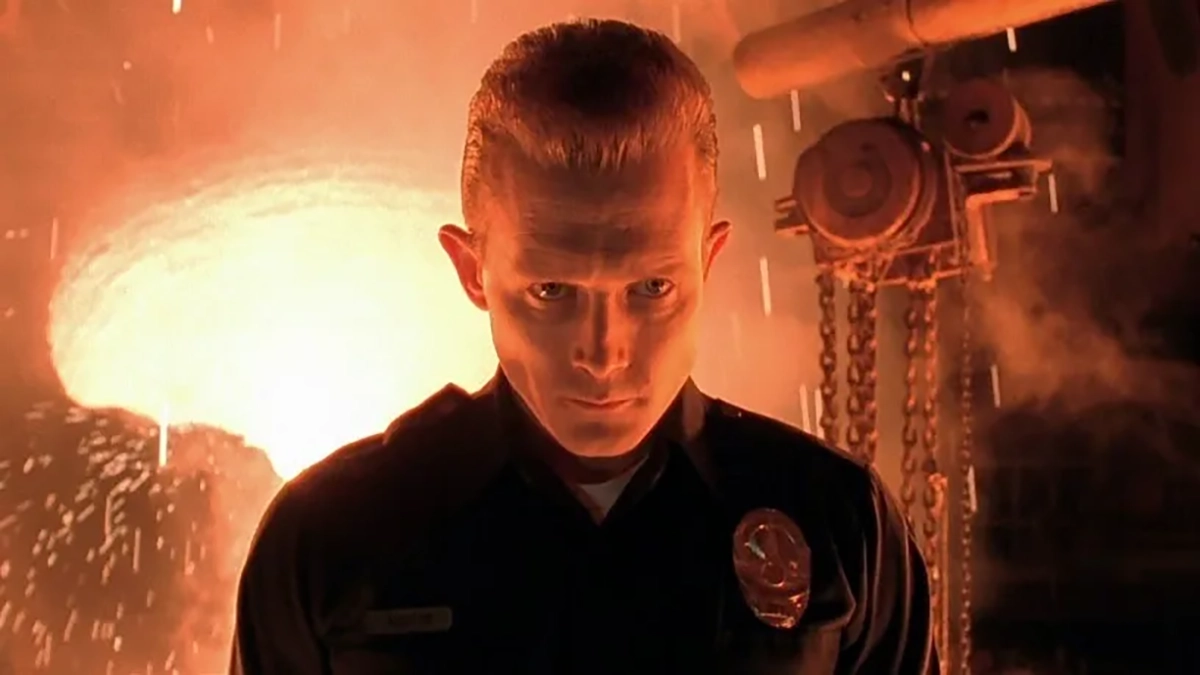
Robert Patrick has solidified his name in cinema history as the ever-so-menacing and determined T-1000. He’s a liquid metal assassin posing as a cop with his eyes set on a specific Public Enemy T-shirt-wearing preteen. The wardrobe department knew what they were doing; this was no coincidence. He’s the relentless force in this film that pins you to your seat and demands your full attention on-screen. Sure, the shapeshifting is a horrific feature. But well before turning into a physical weapon or one of John’s irresponsible foster parents (seriously, a cop and a random big guy show up asking questions about your kid, and there’s no concern?), the officer’s expressionless, blank demeanor terrifies audiences as a persistent threat that will never go away. No matter where they were he was always there. Alongside this amazing performance, the film went on to redefine computer-generated imagery. It created the first photorealistic digital character, blending real actors with CG assets, and earning a well-deserved Oscar for ‘Best Visual Effects.’
Though we all know the stakes and consequences if the mission fails, what’s hardly ever discussed is the mind state of both John and Sarah. This has been, by all means, a nightmare ever since being rescued in the nightclub back in 1984. A guaranteed future of mayhem, death, and machines awaits. Sarah is forced to live with these facts as Judgment Day draws near. She is subconsciously tormented day and night by a future that we know to be real. Throughout this, she’s consistently told it’s just a delusion and forced to take a handful of pills by Dr. Peter Silberman (Earl Boen). Silberman returns from the first film, making good on his promise to build a career off her unbelievable story. Sarah is very much damaged, but not completely broken. Scenes imply that while she may act like the hardened soldier doing whatever it takes to see a better future, she’s also a mother first. She carries a lot of emotional baggage while trying her best for both herself and John.
An August Re-Release
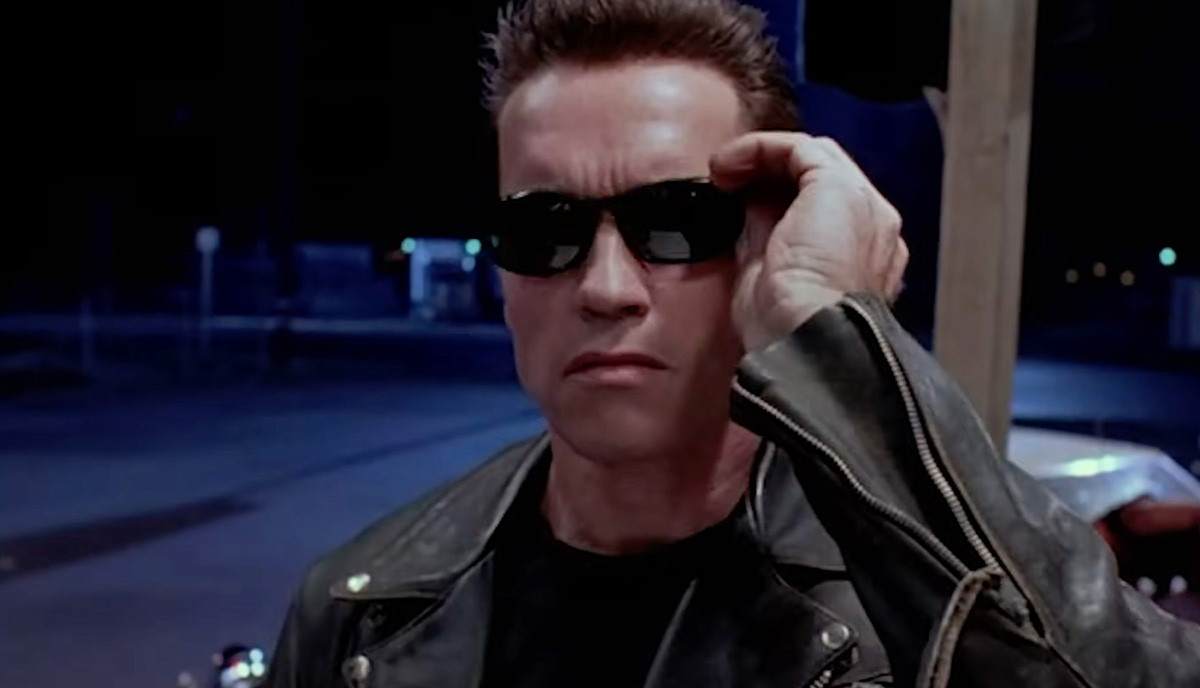
And poor John. It’s safe to say the stories from his mother about his father, Skynet, and Judgment Day were all just campfire tales to him. Terrifying awful campfire tales. With no way to prove or disprove anything his mother tells him, he dismisses his mother and sees her as—and I quote—a “complete psycho.” Suddenly bombarded with the truth, he now has to live with the weight of humanity’s survival on his shoulders. How does a kid fathom that? A better question: how do you go on knowing that you are a walking paradox? When repairing the old station wagon—one of the only father-son moments shared between the boy and the machine—John cries out, “I wish I could have met my real dad.” The T-800 responds, “You will.” That revelation would break most people. It’s one of the few times you see John emotionally vulnerable, not simply a kid coexisting in an adult environment.
This wonderful piece of cinema was re-released in worldwide on August 28th. Now both long-time fans and new audiences can experience “Terminator 2: Judgment Day” firsthand back in theaters. Check your local theater for showtimes.


1 Comment
Pingback: 'Tomie: Unlimited' Review (2011) | The Movie Buff