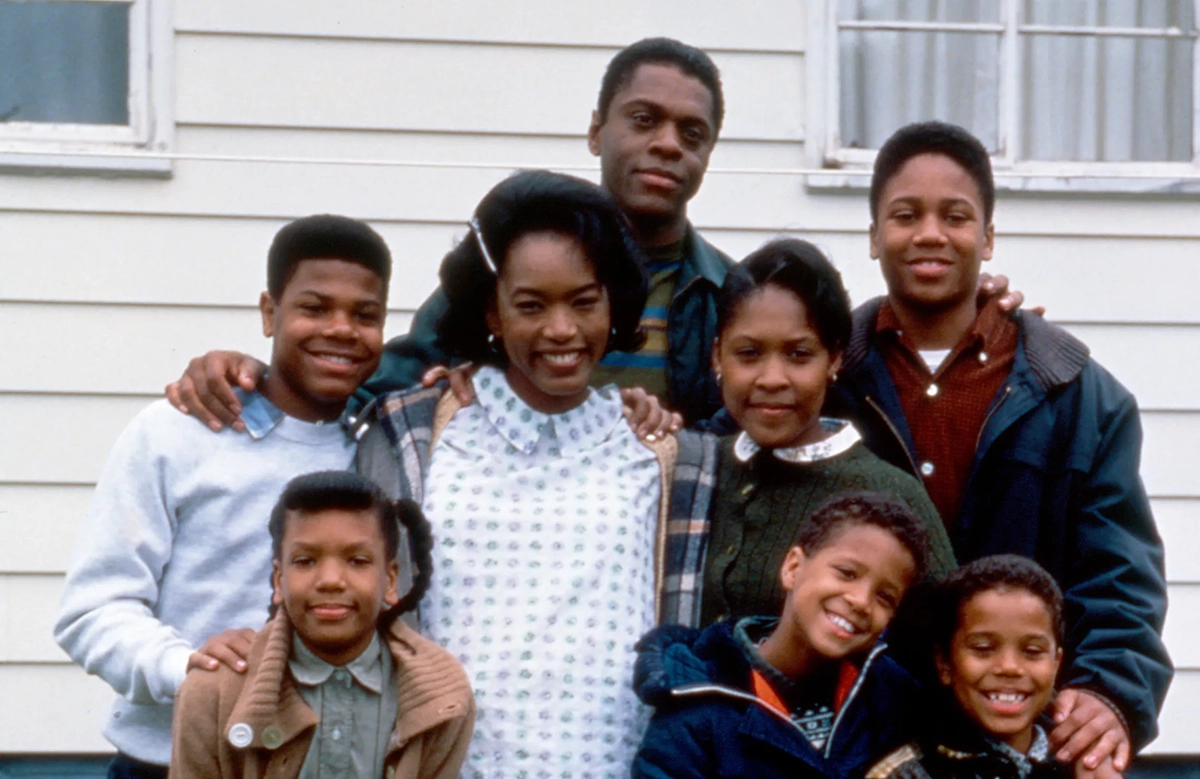
With the upcoming release of Antoine Fuqua’s “Michael,” the official musical biopic of the King of Pop—which mainly focuses on his years performing with his brothers in the Jackson 5 and his phenomenal solo career that produced songs sure to outlive my time on this earth—I felt it was only right to revisit the 1992 TV miniseries “The Jacksons: An American Dream.”
There have been numerous attempts to show the world the life of Michael Jackson, and I think it’s safe to say none of them have truly captured the magic or the struggle quite like this series. Directed by Karen Arthur and written by Joyce Eliason, the story begins on the east side of Chicago in 1945. We follow Angela Bassett and Lawrence Hilton-Jacobs as they portray the lives of a young Joseph and Katherine Jackson at the start of their relationship.
Seeking Opportunity
With Katherine still attending high school and Joe a dropout working in a steel mill, they dream. In the wake of World War II and during the Second Great Migration, there weren’t many opportunities for African Americans moving from the South in search of a better life, aside from industrial and manufacturing jobs. But madly in love and filled with ambition for something more than the hardships and pressures awaiting them each morning, they push forward—getting married, starting a family, and building a life together.
This first chapter feels like a coming-of-age story about two young Black individuals trying to forge their own path despite numerous hurdles. The series doesn’t shy away from heavy subject matter, touching on issues such as a woman’s image within her community, pro-choice debates, stability, and the broader challenges African Americans faced then—and, in many ways, still face today.
From the classic cars to the stellar performances by the two leads, I almost completely forgot this was about the Jacksons—America’s first superstar Black family.
Meet the Jacksons
The year is 1964, and the Jackson family has relocated from Chicago to Gary, Indiana, growing from two to ten members under one roof. Various jobs and local musical gigs seem to be the household’s main sources of income. Every moment spent inside the busy home reflects the old saying: plenty of mouths, but not enough to go around.
Despite living on top of one another amid the chaos, it becomes clear that in a large family, everyone plays a role. Musical talent emerges in a “whistle-while-you-work” fashion, woven into everyday life. One thing I did find odd, however, was how the children addressed their parents. Katherine was always referred to as “Mother,” while Joseph was only called by that title—never “Dad” or “Father.” I wonder if that was meant to establish dominance within the household. We see the relationships and bonds shared among the siblings, as well as the growing frustration within Joseph.
The story gains a deeper layer of intensity as his calm demeanor begins to boil over at even the slightest infraction, often resulting in punishment. Whether it was a belief in his children’s abilities or an attempt to live vicariously through them, Joseph’s harsh discipline is portrayed as a driving force—pushing them not just to succeed, but to truly excel at their craft. And it’s that same force and drive that gave birth to the formation of the Jackson 5.
Motown and the Chitlin circuit
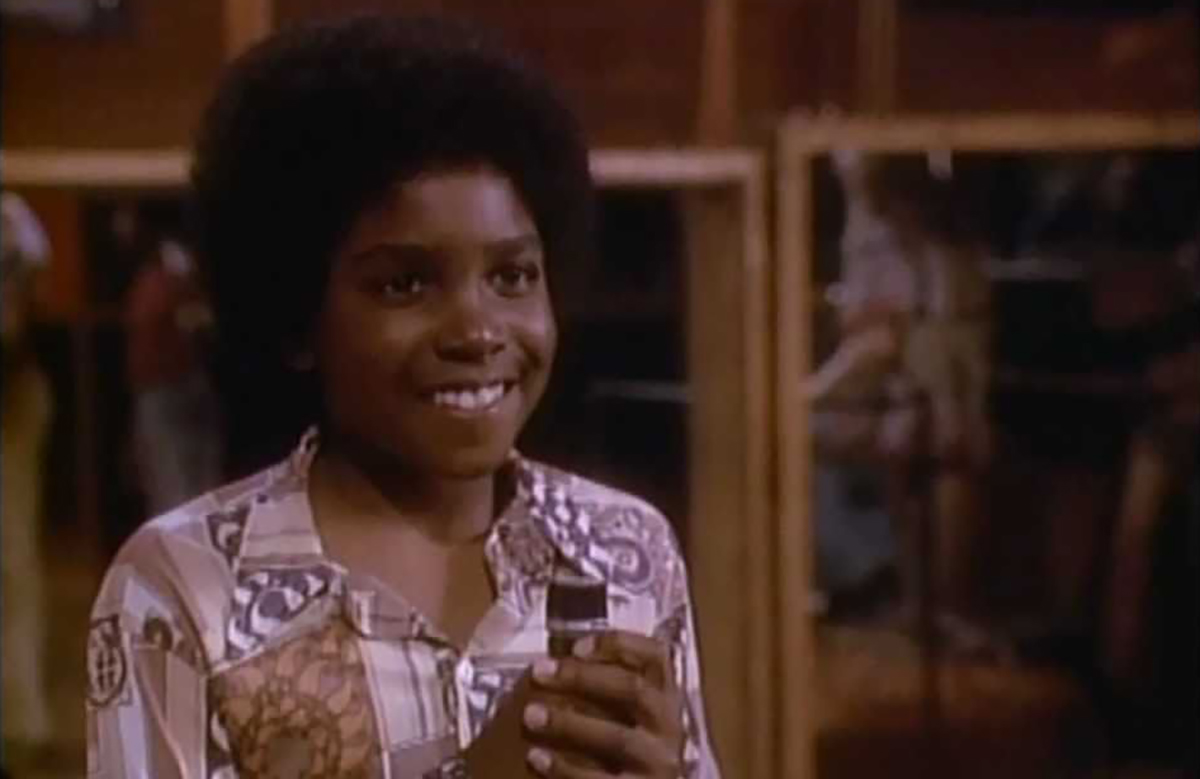
Voices such as Stevie Wonder, The Temptations, The Supremes, and Smokey Robinson represent the sound of Black culture in this era. In order to break through in the industry and maintain consistency while perfecting every dance step and musical note, the Jackson 5 toured, covering popular songs of the time at talent shows and on what is commonly known as the ‘Chitlin’ Circuit.’
The ‘Chitlin’ Circuit’ was an informal network of performance venues across the United States where Black artists could work during the era of segregation and Jim Crow. Whether famous or not, many comedians and singers were limited to performing in juke joints and clubs rather than on the stages and in the venues where their white counterparts were welcomed.
Meeting Other Newcomers of the Time
The Jacksons weren’t special—at least not yet. By working these venues, it is believed they took part in a crucial chapter of Black history that helped shape what we now know as modern R&B, soul, and even comedy.
The film highlights the restless nights and dedication of both the children and their parents as they embark on a new chapter. But, the hard work doesn’t go unnoticed. More opportunities arise from recording in a real studio, to the Apollo theater, and even finally catching the eye of Motown very own Barry Gordie (Billy Dee Williams). As the times change, so do the actors. The role of Michael is now portrayed by Jason Weaver, most notable for his singing voice as young Simba in Disney’s “The Lion King.” Terrence Howard as Jackie who would go on to star in many recognizable projects such as “Hustle & Flow,” “Crash,” and “Iron Man” is also present. There’s even a Boyz II Men cameo. I guess if you’re making a film about a boy band, you might as well include the newcomers of that time as well.
Keeping the Family together
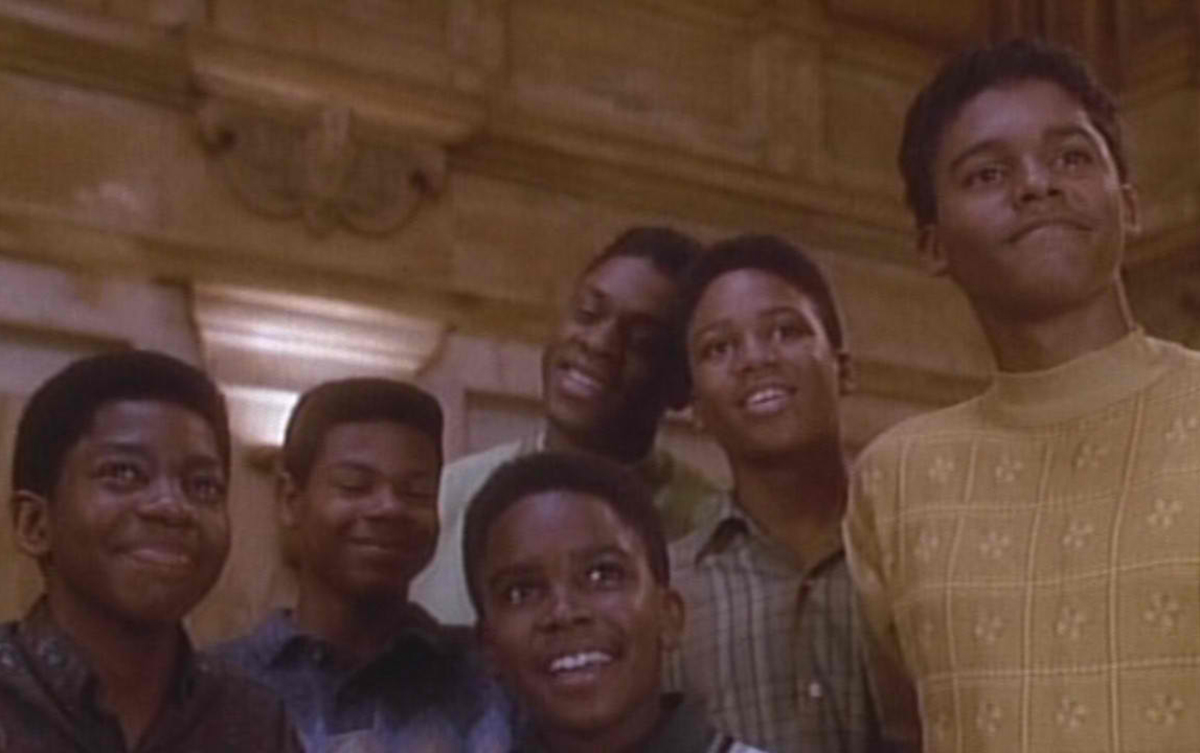
Hits like “ABC,” “I Want You Back,” and “I’ll Be There” keep the family on the road. Now relocated to California, the Jackson 5 are bigger than ever. It almost reminds me of the Beatles’ 1964 film “A Hard Day’s Night”—the way crowds chase and scream for the brothers.
The film is quick to show the glamour and success of the group, but it doesn’t shy away from the hardships either. Katherine is lonely, the kids aren’t kids anymore, and Joseph needs control in order to keep the family together. As if they were codependent, the film implies that Joseph believes the family is at its best when it is united and focused. Any distraction from the family business is perceived as betrayal.
So much happens that you almost forget these are real lives, real children, and real desires—desires to start families of their own, to play with other kids, and to stay in one place long enough to build meaningful connections. However, life on the road isn’t easy for anyone.
The Strength of Wylie Draper
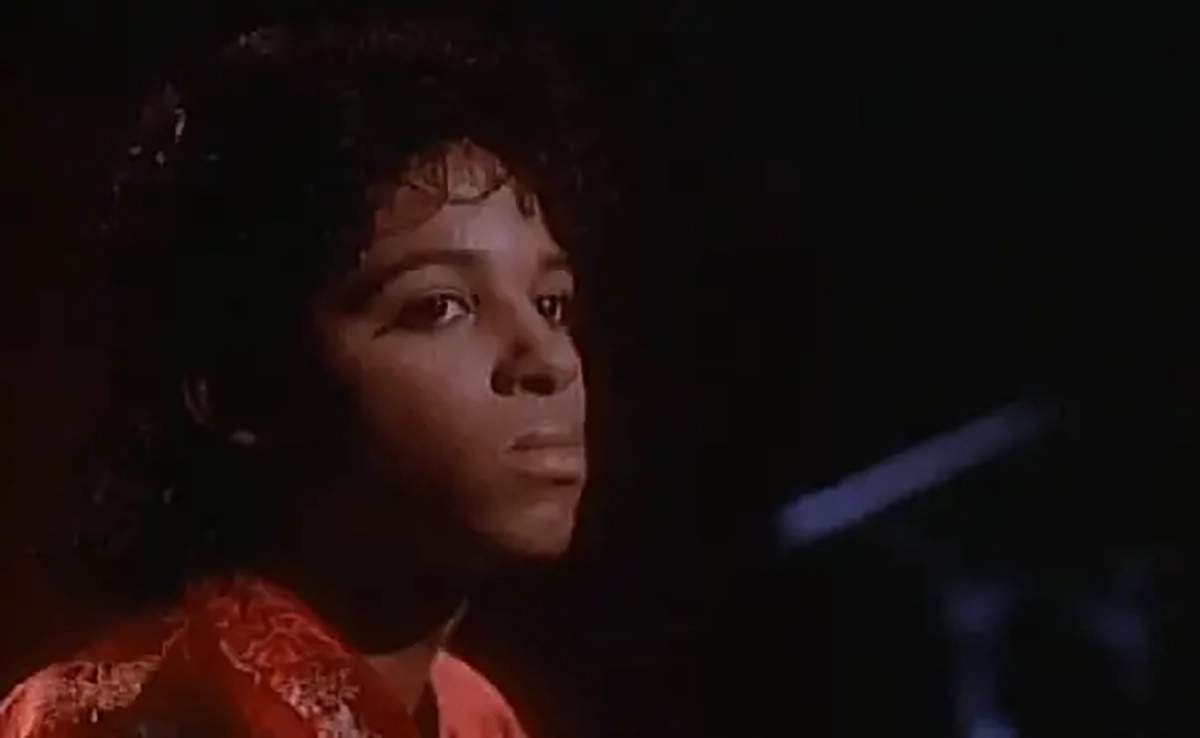
Some of the strongest dialogue and performances come from the Jackson 5 members as they voice their opinions about wanting individuality beyond the family. This is especially true for Wylie Draper, who portrays Michael during his “Off the Wall” and “Thriller” years. In a powerful moment, he confides in Katherine about the weight of the group—and the world—on his shoulders, as well as his struggles with low self-esteem regarding his appearance and skin condition.
This is where the film stops being just a fun musical journey through the past and begins to address serious issues that many 17-year-olds would feel embarrassed to discuss. Surrounded by everything money can buy, he still feels like a child who missed out on the most important parts of growing up. Draper was widely praised for both his portrayal and his striking resemblance to the King of Pop; however, just one year after the miniseries’ release, he passed away at the age of 24 from a rare form of leukemia on December 20, 1993.
Never Can Say Goodbye
But all good things must come to an end. The group simply outgrows the Motown label and transitions to CBS, where more music and television opportunities become available—not just for the five brothers, but for their other siblings as well, including the youngest, Janet Jackson, who would go on to appear in the hit TV show “Good Times.”
Heading into the final act, the story moves quickly through the years, highlighting key moments in their careers—both highs and goodbyes. One thing I wish we could have seen more of is Michael working alongside the world-renowned producer Quincy Jones, especially considering he produced two of the three albums during this period. We may get more of that in the new film set to release this April.
There’s a lot to cover in this epic conclusion, from marriages falling apart to the infamous Pepsi commercial incident. While much of it is handled in a way that doesn’t feel overly rushed, it still left me wanting more.
This miniseries, in my opinion, still is a beautiful piece of art about a family defying the odds and achieving greatness together—ultimately cementing their place in Black culture and music history forever.