

Near the end of the year, it seems that we just can’t get away from “The Odyssey”—or at least works that mention it. Directed by Walter Thompson-Hernandez, “If I Go Will They Miss Me” isn’t a Greek tragedy, but a coming-of-age story about two men connected by blood and how time has forced a wedge between them, altering their relationship. The film explores heavy themes and goes to uncomfortable places that I personally believe every little Black boy and father should witness—and hopefully discover a deeper understanding about the crucial roles we play in each other’s lives.
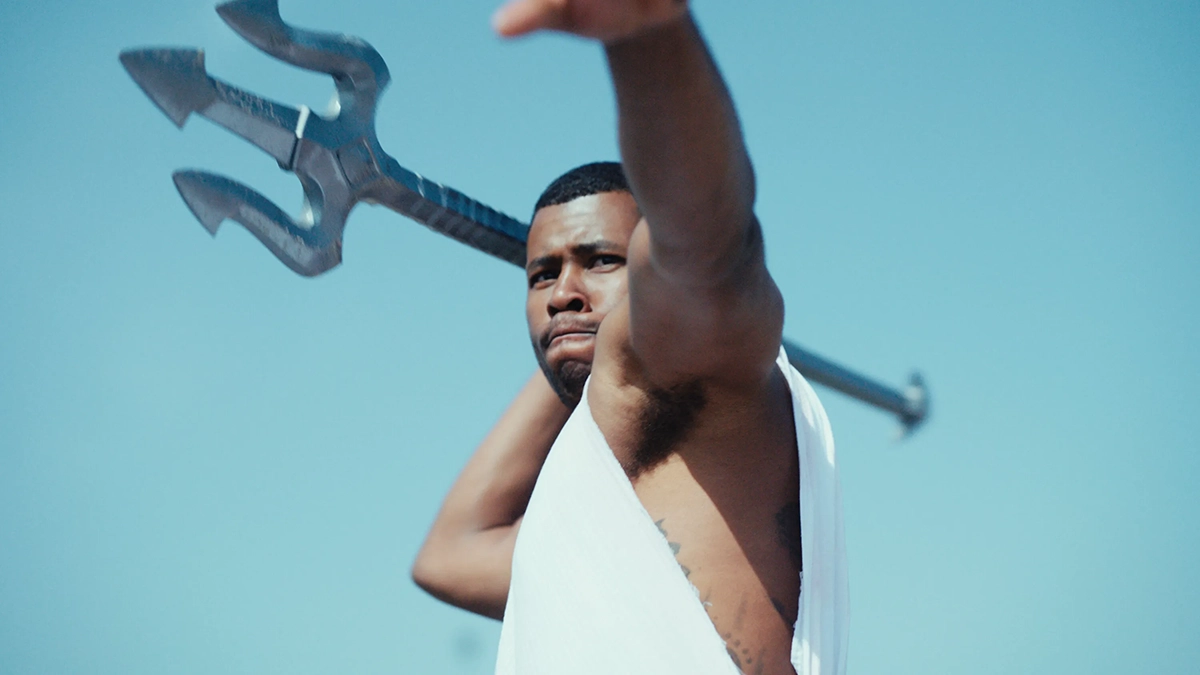
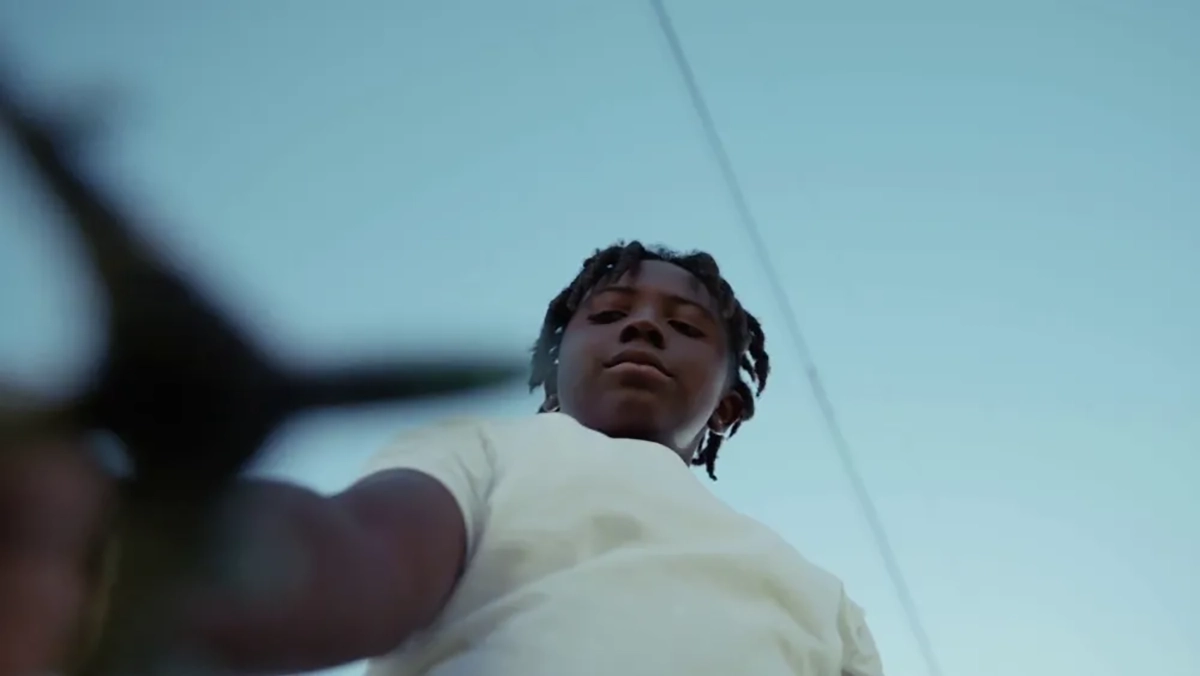
The story begins in Watts, a neighborhood in Los Angeles, as Lil Ant (Bodhi Dell) attempts to connect with his father, Big Ant (portrayed by J. Alphonse Nicholson of “Lanterns” and “They Cloned Tyrone”), who was recently released from prison or as he puts it, returned home from The Trojan War. It could easily be mistaken as a boy in search of a father figure, but instead, it showcases his desire to be seen and embraced by the man he’s heard so much about but has only had brief encounters with. Out of the gate, the film focuses heavily on the admiring gaze of Lil Ant through beautiful shots that are silent, yet so loud.
No One is Perfect
Demanding your attention, the film quickly reveals that what makes this story so beautiful and unique is how the protagonist interprets his reality. Drawing loosely from Greek mythology, he has built a world where he views himself as Pegasus—the winged stallion rewarded by Zeus with a place as a constellation in the night sky. This also partly explains his passion for airplanes and his longing to fly one day. While most boys see their fathers as strong mortal figures who can guide and protect them from danger, Ant doesn’t just see a man—he sees Poseidon, the God of the Sea and Horses.
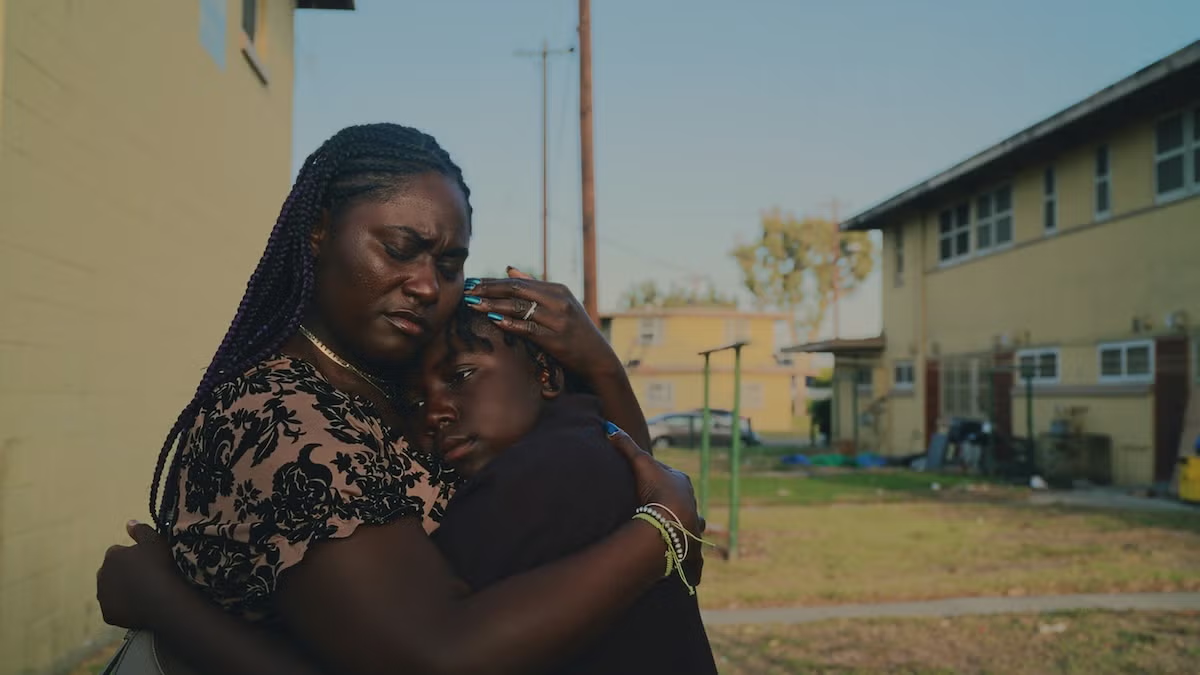
His mother, portrayed by Danielle Brooks (“Peacemaker,” “The Color Purple”), naturally takes on the role of Medusa: a creature with venomous snakes for hair and a gaze capable of turning anyone who looks upon her into stone. As intriguing as this outlook on life may be, the people to whom he has assigned these larger-than-life identities are far from these mythical titles. They are very much human, and fallible as the next person. A gentle reminder that no one is perfect and we are all works in progress trying to be better than the previous day—yes, even our parents.
Good Times that Feel Like Snapshots
At times, it’s implied that amongst kids his age, Lil Ant doesn’t get along well with others, and being the middle child, he’s competing with his siblings to be seen at home as well. So, he’s not above acting out and seeking attention just as any other kid would do; however, the pressure of establishing a relationship with a parent isn’t a burden for him to carry. Big Ant struggles, as his attempts to establish dialogue are either blunt (a “because I said so,” to-the-point style) or just dismissive altogether. No real explanation—just God’s law. Not all is a failure; the good times feel like snapshots.
As short-lived as these times are, you see the effect they have on the young child’s psyche, and you develop a sense of hope for the pair. A voice of reason and a shoulder to lean on comes from Big Ant’s best friend, JJ (Myles Bullock). When sharing the screen, the two have a friendly dialogue that feels authentic and can offer strong messages even when the two are reflecting on the past. Confiding in one another and listening without judgment shows that the ability to open up is there; despite having similar interests, he genuinely doesn’t know how to do so with his son.
Relationships Built on Love and Not Survival
Naturally, in a young kid’s life, outside forces can easily influence the direction they choose to go. A fever dream shared by both men, carrying a very uniform and menacing tone, serves as a warning of what could lie ahead down the road. Visually, in a lot of ways, it’s reminiscent of Zach Cregger’s “Weapons,” as these individuals march into the unknown with no clear direction. What’s being hinted at is obvious, but that doesn’t make the threat any less real. While the film is set in the Nickerson Gardens projects—where it could have been soaked in negative stereotypes peddled by the media, with drug infestation and drive-bys added for extra flair—I really appreciate how the story never steers into that lane. Instead, it remains a self-contained family story without the dramatic flash of a gun barrel.
Through its amazing camerawork, framing, and direction, we get to see into the lives of these individuals who are close in proximity, and find sympathy in their family matters. Lessons are often passed down from one generation to the next; however, the inexperienced mind can’t teach what it does not know, and the film never loses sight of that. As Lil Ant is learning about his identity, Big Ant is learning how to be a father. Both are growing up together and learning how to hold onto what means the most, building a functional relationship based on love and not just survival.