


There’s a particular kind of existential dread that comes from turning over a rock you probably should have left alone.
“Chronovisor,” the extraordinary debut feature from Jack Auen and Kevin Walker, understands that feeling better than almost any movie I’ve seen in recent memory. It’s a bibliographic thriller, an exercise in abstract theological horror, and one of the most singular theatrical experiences of the year. Above all, it’s a film about magnificent obsession, about the horror of becoming so consumed by something that you gradually lose yourself inside it.
The film follows an academic investigation into the alleged existence of a device called the Chronovisor, supposedly capable of viewing the past. What begins as an inquiry into a peculiar historical mystery gradually opens onto questions of religious history, conspiracy, and the fundamental nature of reality. That’s about as much of the premise as I’d care to explain. The pleasure of “Chronovisor” is in watching information accumulate until the very process of understanding it becomes overwhelming.
The Act of Reading and Processing Information
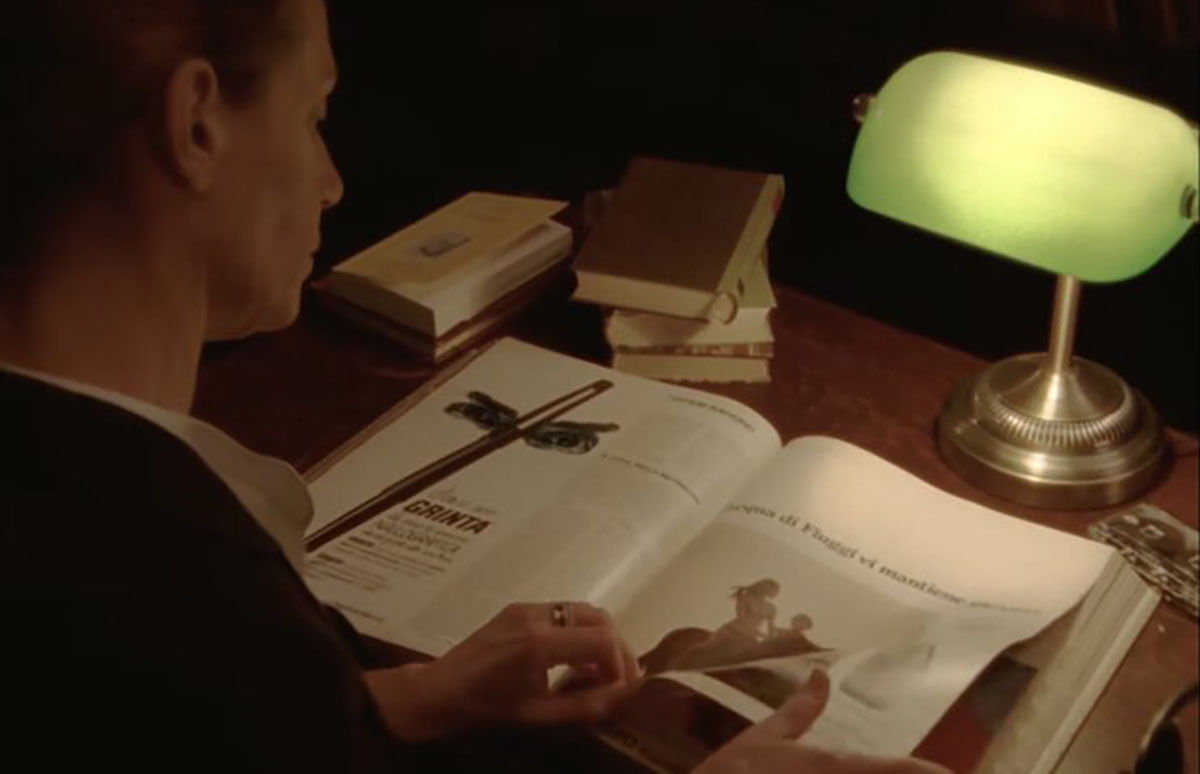
It’s also, quite literally, a movie about reading. An astonishing amount of its running time consists of sitting in libraries, examining books, studying microfiche, and staring at text on a screen. And somehow, it’s absolutely thrilling.
What makes the film remarkable is how completely its form replicates the sensation of descending into an informational rabbit hole from which there may be no escape. Documents, archival material, written accounts, and fragments of evidence are presented with an almost hypnotic momentum. Reading becomes an action. Translating becomes an investigation. The act of processing information becomes as suspenseful as anything that might happen in a conventional thriller.
It’s a movie that makes you feel as though you’re conducting the research alongside its protagonist, constantly attempting to distinguish what is real from what might be a hoax, and what may exist beyond any reasonable explanation. The more information you absorb, the less certain you become of anything.
Knowledge is Not Necessarily Liberating
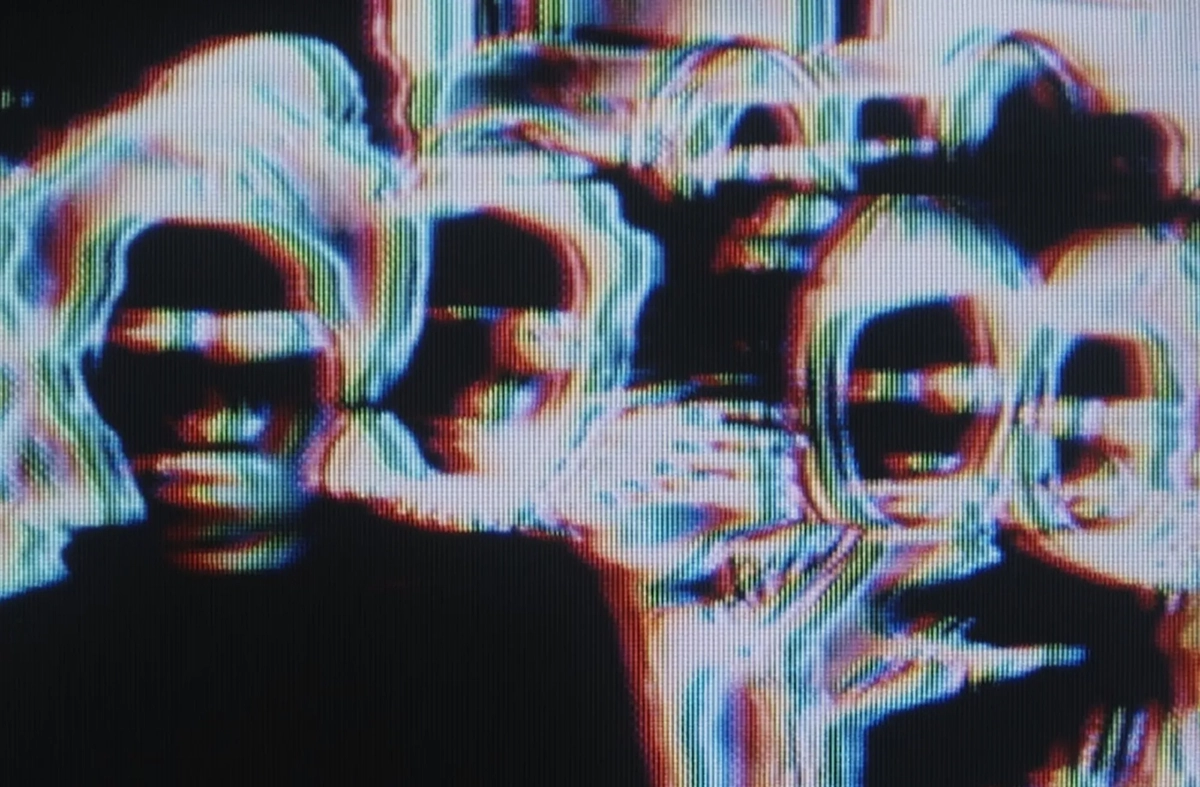
Shot beautifully on 16mm, often in near darkness, the film has an extraordinary physical texture. There’s an almost Cronenbergian tactility to its images and a Lynchian unease to the way seemingly ordinary objects begin to feel inexplicable. The archival material feels convincingly authentic, while the editing and scoring maintain an extraordinary rhythm through what could easily have become an exhausting procession of exposition.
Instead, the information begins to subsume you. Each new piece of evidence alters your understanding of what came before it, until the distinction between discovering information and having your reality changed by that information begins to collapse. The horror isn’t simply in what might be uncovered, but in the possibility that the pursuit itself has become impossible to abandon.
The closest comparison I can think of is John Carpenter’s “Prince of Darkness,” another film in which academics uncover something buried that threatens to upend their understanding of science, religion, and existence itself. Like Carpenter’s film, “Chronovisor” derives its horror from the possibility that knowledge is not necessarily liberating. Sometimes discovering the truth means recognizing that the entire framework through which you’ve understood the world is inadequate.
Visually Indescribable
And yet “Chronovisor” feels entirely singular. For all its deeply experimental tendencies, there’s something almost classical about the way its investigation progresses. The accumulation of information creates its own momentum, and by the end, the film is unmistakably a thriller. Its suspense comes not simply from what might be discovered, but from the possibility that the protagonist has become so obsessed with discovering it that there’s no longer any way to turn back.
And then there’s the ending.
The horror isn’t simply what might be uncovered, but the possibility that the pursuit itself has become impossible to abandon.”
Without giving anything away, the film eventually arrives at a place that becomes almost visually indescribable. The sensation is less one of receiving a final answer than standing at the precipice of something capable of altering your understanding of the world. It’s an extraordinary achievement because the film has spent so much time training us to read, interpret, and question everything we’re shown, only to confront us with something that seems to exceed those very processes.
A Film that Plays by its Own Rules
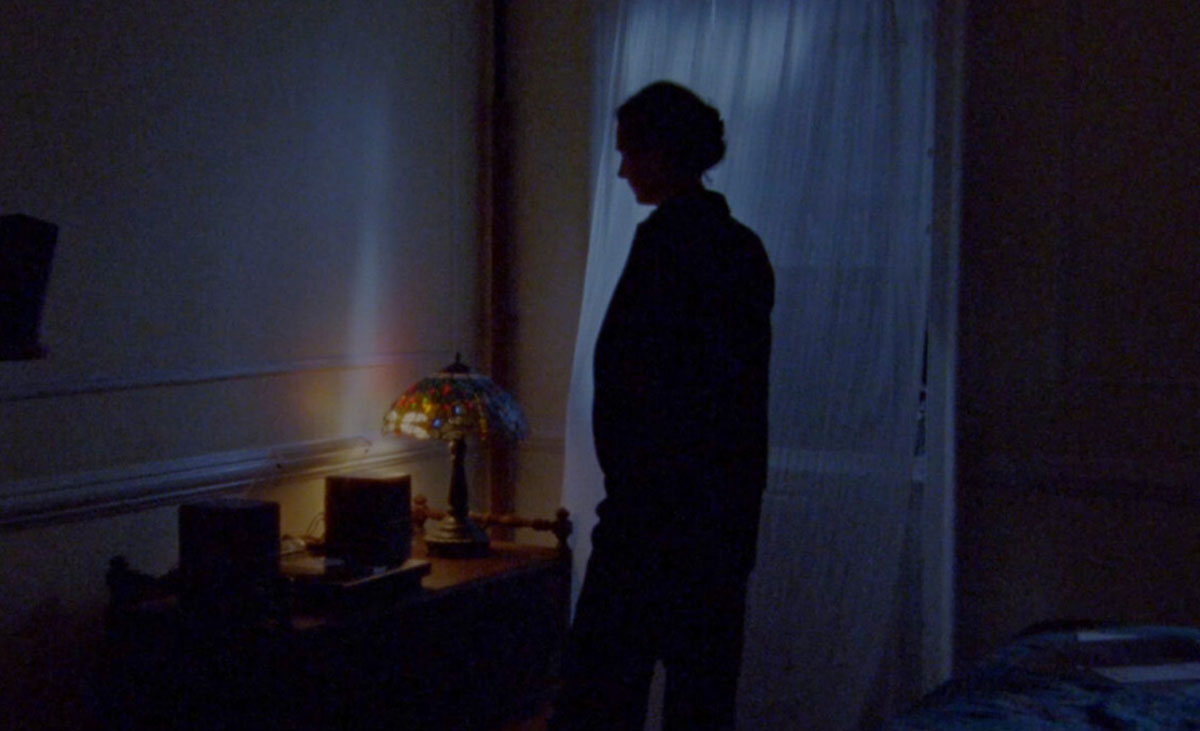
It’s difficult to imagine that ending having quite the same effect outside a theater. The scale of the images, the sound, and the overwhelming accumulation of information all contribute to an experience that feels designed to consume your attention completely. For a film so concerned with the dangers of obsession, it’s remarkable how thoroughly it manages to make the audience share in that obsession.
What excites me most about “Chronovisor” is that I have absolutely no idea where Auen and Walker go from here. The film brings to mind some of the greats, but never feels reducible to its influences. It plays by its own rules while somehow belonging to a much older tradition of investigation, revelation, and existential horror. It’s a thoroughly unique experiment that feels both classical and unprecedented, and one of the most exciting discoveries of the year.