

The title of a film is often the audience’s first point of contact with its subject. In that sense, “14th,” directed by Ava DuVernay, is precise and effective. It immediately establishes the subject and prepares viewers for the historical, constitutional and political questions the documentary intends to explore. But a direct title also creates an expectation: the film must deliver a clear and meaningful examination of the Fourteenth Amendment to the U.S. Constitution.
In that respect, the documentary largely succeeds. Divided into five sections, it traces the amendment’s original principles and examines how they have been interpreted and applied over time, including in the current political climate. Citizenship, equal protection and due process are central to this discussion. The film clearly establishes why the amendment remains important to American life.
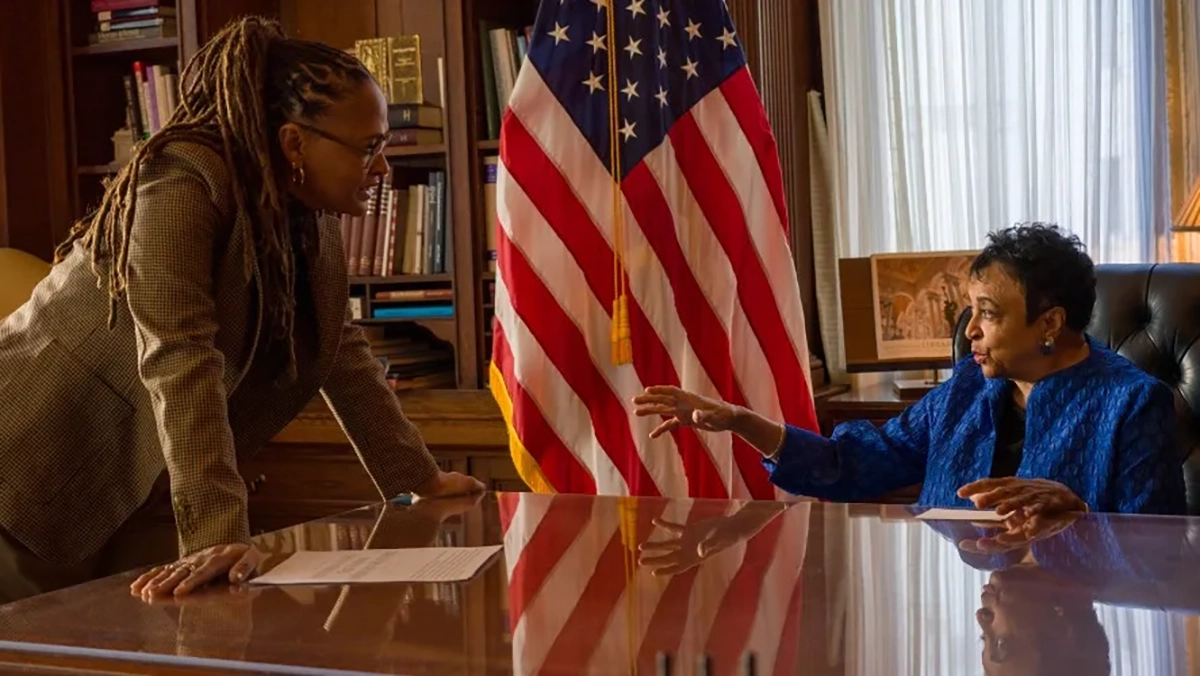
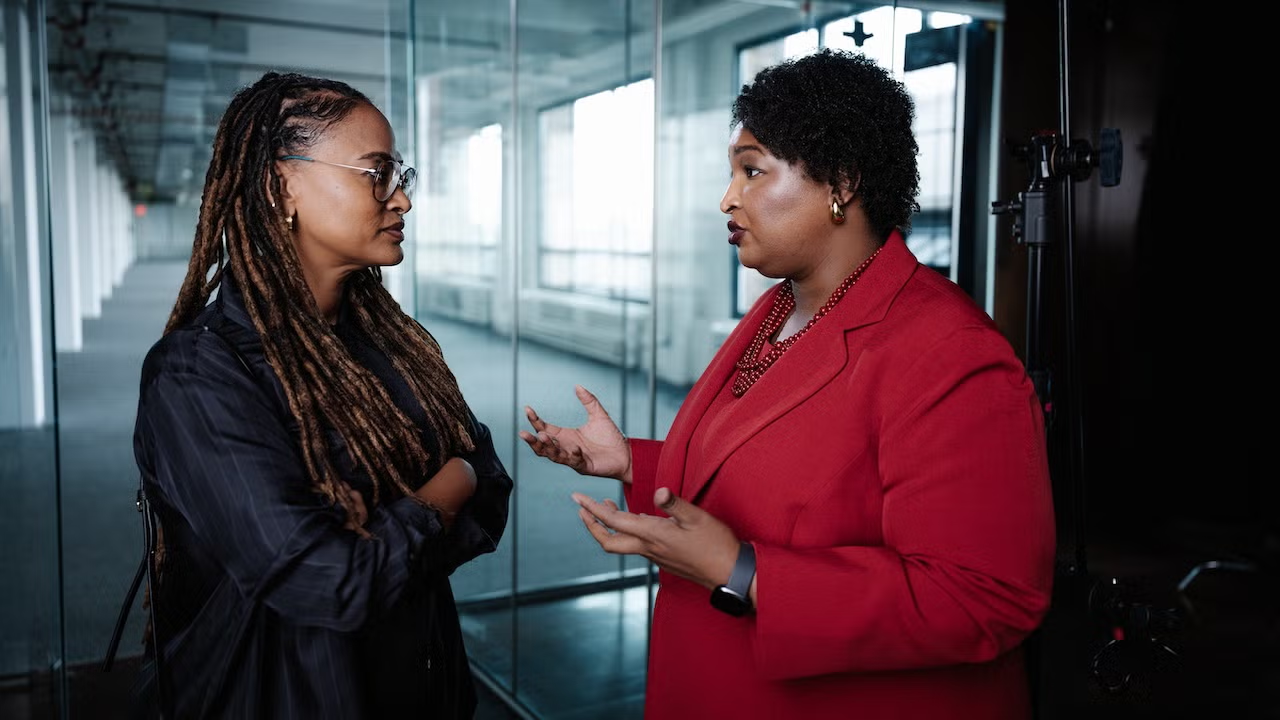
One of the documentary’s strengths is its connection to the academic and legal worlds. The filmmakers bring together experts, legal professionals, politicians and other public figures whose knowledge helps explain the amendment from different perspectives. Their contributions give the subject a solid foundation and help viewers follow the constitutional arguments and their practical consequences.
A Broader Discussion About Documentary Filmmaking
The film also draws an important parallel between the framers of the original Constitution and those responsible for the Fourteenth Amendment. American history often gives considerable attention to the country’s founding figures, but the people behind the Fourteenth Amendment deserve similar recognition. The documentary reminds viewers that the amendment has become a crucial constitutional protection for American citizens. By placing its authors alongside the better-known founders, the film makes a valuable historical point that deserves greater public attention.
However, explaining a subject successfully and presenting it effectively through cinema are two different challenges. This is where “14th” invites a broader discussion about documentary filmmaking.
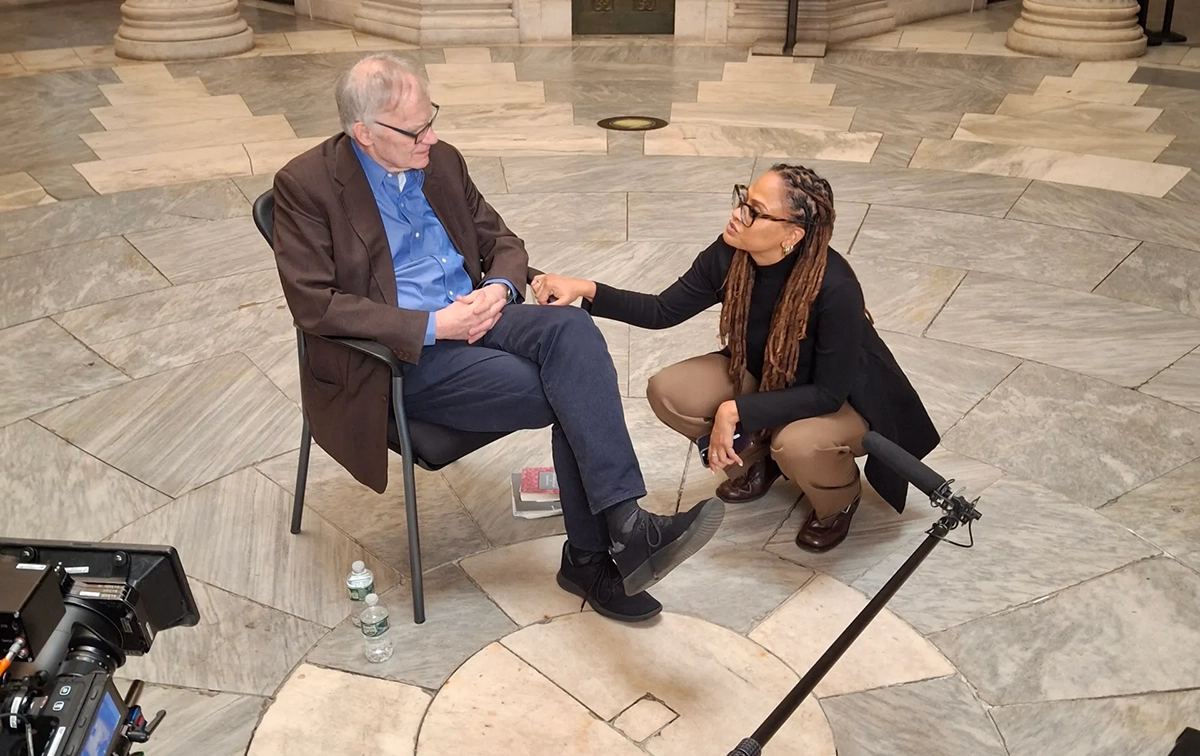
The film follows a familiar documentary method: experts explain the subject, voice-over narration guides the audience, and archival material and other footage illustrate the arguments. This approach is clear and functional. The filmmakers support their arguments with relevant voices and establish their position without much ambiguity.
Principles Tied Directly to Contemporary Debates
But is this conventional approach the most effective way to tell the story today? Documentary filmmaking has evolved considerably. Filmmakers now experiment with structure, character, visual language and narrative techniques to bring audiences closer to complex subjects. A documentary does not have to follow a fictional structure, but it can still use cinematic storytelling to create a stronger emotional and intellectual connection with its audience.
At times, “14th” feels more like an extended academic presentation than a contemporary cinematic exploration. The repeated explanations and reliance on experts can make the experience overly didactic. Some contributors appear more frequently than necessary, and certain arguments might have benefited from tighter editing. These observations do not diminish the importance of the subject, but they raise a legitimate question about whether the material could have been presented more engagingly.
The timing of the film’s release adds another dimension to its subject. With the midterm elections approaching, the Fourteenth Amendment is not simply a matter of constitutional history. Its principles connect directly to contemporary debates about citizenship, constitutional rights and the relationship between government and the people it serves. The release therefore offers an opportunity to bring these questions into public discussion.
Its Own Subject, Purpose, and Approach
Whether the film will reach the broad audience its subject deserves is another question. Its direct approach makes the argument easy to identify, but its conventional structure may not appeal equally to all viewers. A more dynamic narrative might have reached people less inclined to watch a documentary built largely around expert commentary. Nevertheless, audience reach and educational value are not the same thing. The film deserves to be considered for what it contributes, independently of its eventual commercial prospects.
[’14th’] is a valuable and forceful documentary about a constitutional amendment that continues to shape American life.”
Although “14th” naturally invites comparison with DuVernay’s earlier film “13th,” I believe it should also be evaluated on its own terms. The two films examine different constitutional amendments and their distinct historical consequences. Having the same director provides a natural point of comparison, but it should not determine our judgment of this film. “14th” has its own subject, purpose and approach.
There are also smaller filmmaking choices worth considering. The repeated use of certain speakers can become tiring, particularly when similar points are revisited. The frequent use of mid-high camera angles in the interviews also raises questions about visual consistency and intention. These choices may have practical or editorial reasons, but they do not always seem necessary to communicate the material. A documentary need not prioritize cinematic spectacle, but its visual language remains part of its storytelling.
A Valuable and Forceful Documentary
Ultimately, I believe “14th” succeeds in what it sets out to do. It presents the Fourteenth Amendment as a fundamental part of the American constitutional framework and demonstrates why its principles remain relevant. The filmmakers deserve credit for bringing together the historical background, legal expertise and contemporary concerns needed to make that case.
The more difficult question is what the filmmakers hoped to achieve beyond presenting their argument clearly. If the primary goal was to explain the amendment and establish its importance, the documentary succeeds. If the goal also included reaching the widest possible audience and making a broader cinematic impact, its traditional approach may prove limiting.
That distinction does not make “14th” a lesser work. Rather, it is a film whose subject is arguably stronger than some of its storytelling choices. Despite its conventional structure and occasional repetition, it remains a valuable and forceful documentary about a constitutional amendment that continues to shape American life.