


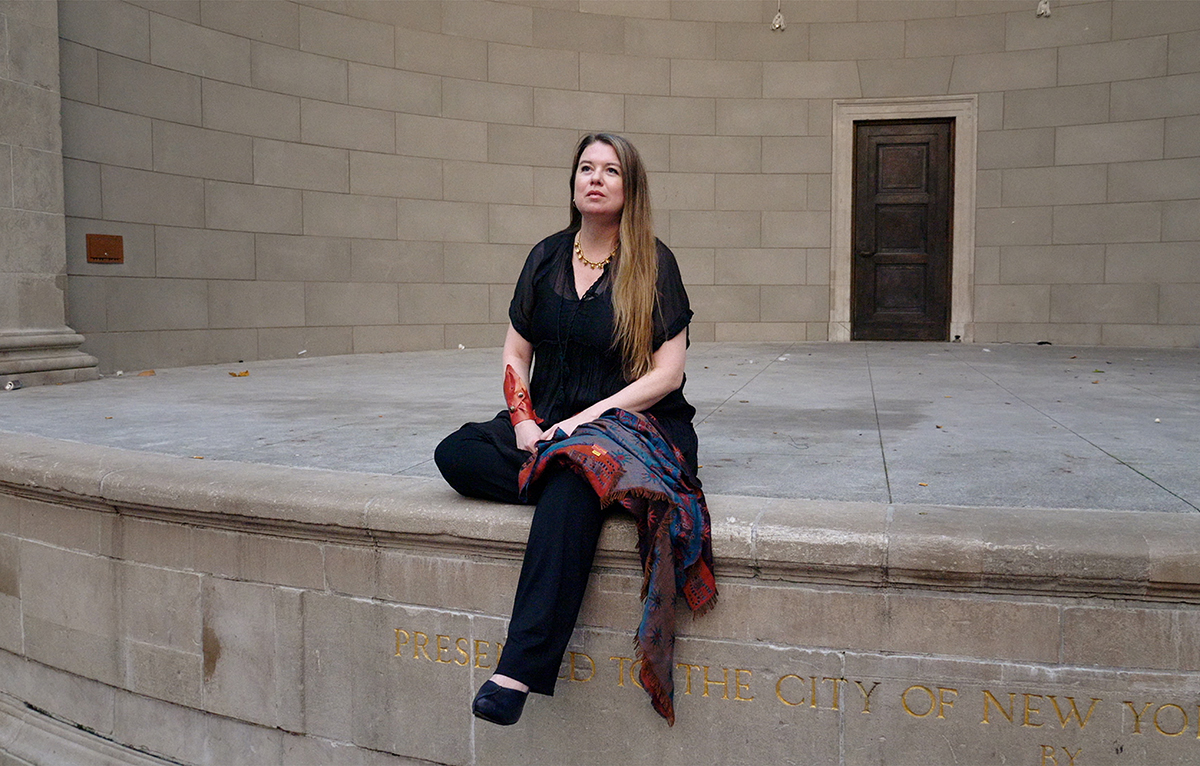
World premiering on February 6, 2026, acclaimed violinist Lara St. John’s documentary “Dear Lara” brought to bear sexual abuse and its consequences in the Classical music industry. It was a powerful exposé, bringing together women from the world over who shared the common mistreatment of powerful predators, protected by a system that either didn’t care or chose to look the other way. In the same way that films like “Spotlight” and “She Said” exposed sexual abuse in the Catholic Church and Hollywood, “Dear Lara” acts as an anthem for an unheard and often dismissed population.
From reviewing social media reactions from the Santa Barbara International Film Festival—where “Dear Lara” premiered—it’s nice to see the film is getting the recognition it deserves. It was a passion project for St. John, who spent many years detailing her own abusive experience at the Curtis Institute for Music before becoming an advocate for those who have suffered at the hands of these institutions. People are calling it an “epic accomplishment” and remarking on St. John’s bravery. And indeed, speaking to Lara recently via Zoom, it’s hard to note anything but bravery and fearless advocacy.
A Documentary as a Call for Advocacy
Following the powerful premiere of “Dear Lara,” I’m grateful to sit down and write the following interview on St. John and her film. It shines a light on her advocacy, her commitment, and her love for a population of unheard voices she earnestly wants to help. Premiering at SBIFF in itself was a remarkable experience for St. John, and the film did so well it actually led to encore showings. “So many people were there,” she said. “They came across the country for it.” St. John is the film’s director (as stated in the documentary, she taught herself to film for the project), but she stated that the entire film team—from producer, editor, and even persons that appeared in the film—were in attendance. “We had a nearly full house at Santa Barbara International Film Festival,” she elaborated. “And we had two other screenings.”
The breadth of the abuse was just astounding…”
Lara St. John
St. John discussed the drive for her making the film and the #metoo movement, themes which are apparent to anyone sitting down to watch “Dear Lara.” She commented on her choice of filming style, capturing the testimonials of the victims of sexual abuse objectively, calmly, and endearingly, rather than with anger or cynicism. “I think it’s more powerful if the story is just kind of told quietly, matter-of-factly, and with a lot of heart,” she said. This is the film’s strength, that it plays hopefully amidst its sadness. And you can see St. John’s passion for the whole project coming together, stating that for the first three years of her work and research she didn’t have any help. “For the first three years I was alone,” she said. “It was me, and the camera… you know, just talking to people.”
Heartfelt Testimonials Sell the Film
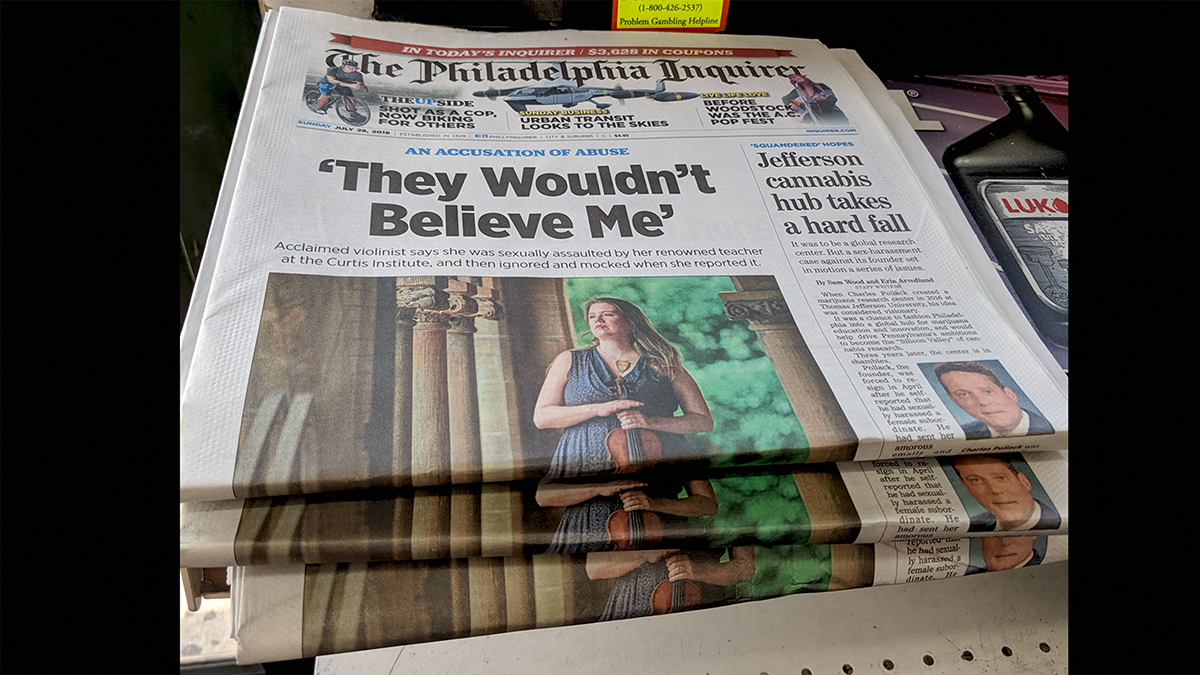
Part of this exploration, as Lara stated, was finding out these people’s stories, because—as she stated—they already knew her story. St. John’s story had been covered in the Philadelphia Inquirer prior about her experience with sexual abuse at Curtis, and “Dear Lara” came about from letters and stories of other victims who reached out to her. Realism plays a huge part in the film also, as St. John shares that nothing was scripted. “These are people are just telling very heartfelt testimonials about… not just telling me what happened to them… but the appalling complicity in the institutions.”
To elaborate, in “Dear Lara” St. John remarks on how professors and faculty who had molested and raped students (many as young as 8 years old) were often relocated or allowed to resign for “family reasons” instead of holding them accountable for their rampant abuse. “I call it predator whack-a-mole,” St. John half joked, commenting on the practice “perfected” by the Catholic Church—moving priests to a different parish to continue to victimize young children instead of throwing them in jail.
Stories that Flow Seamlessly
St. John said that after the outpouring of letters from victimized students and survivors following her article in the Philadelphia Inquirer, she realized she wanted to make a movie. “I had to do something,” she said.
St. John spent some time talking about the art of filmmaking, and how “Dear Lara” took a team to tell the story. She mentioned she had learned some editing skills for music videos in the past, but that a full-length documentary was completely different. The stories in “Dear Lara” flow seamlessly, but that didn’t come easy. “It was hundreds of hours of us thinking, ‘should this be here, should this go there…”
“We had a nearly full house at Santa Barbara International Film Festival and two additional screenings.”
Lara St. John
However, thinking about where and how to fit what school into what segment brought St. John back to her unavoidable thesis. “The breadth of this [the abuse]was just astounding,” she said. But, reflecting on this, she realizes something good came out of it. “People in Classical music have told me “thank god someone is finally doing something about this.” And St. John has found that people not in Classical music who learned this was happening were mostly shocked about a profession that seemed so prim and elite on the front façade.
Everybody Knew
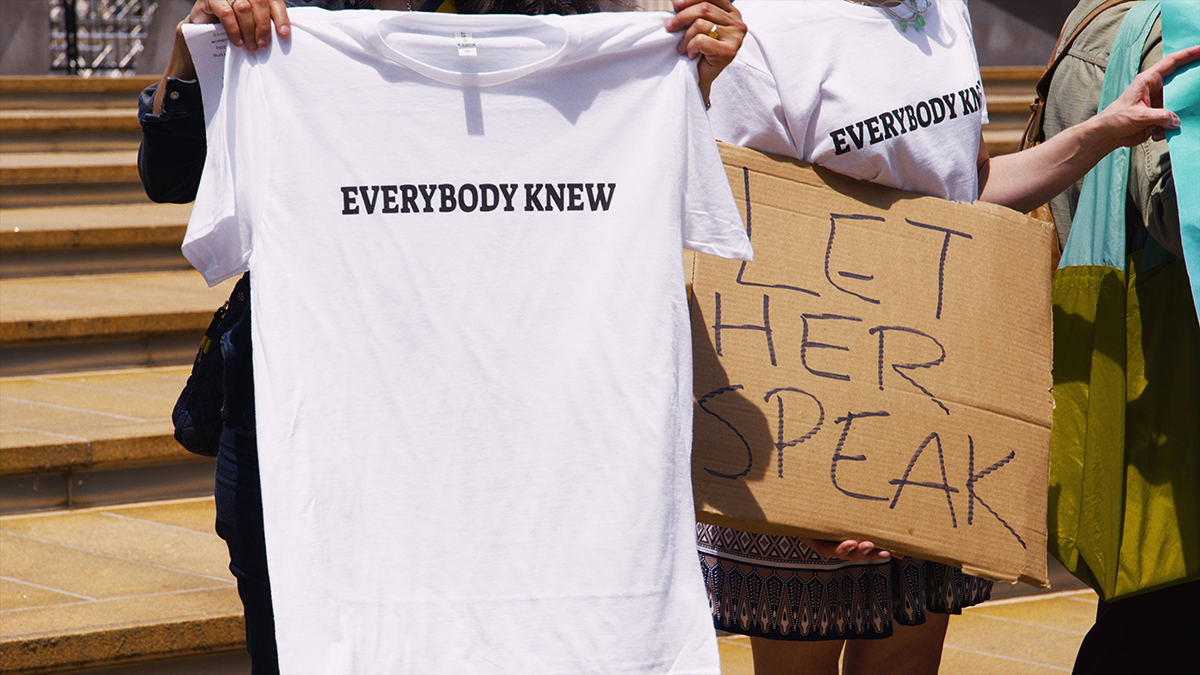
We also discussed one of the film’s chief takeaways—the statute of limitations—which have historically paved the way for predators to keep doing this. In “Dear Lara,” one abuser, Stephen Shipp, finally was sentenced due to being caught in real time (he was sentenced to a minuscule five years in prison). However, so many other charges couldn’t be brought against him (and other predators) due to these statutes. In many of the states in which Shipp victimized people, they have “primarily medieval statutes of limitations,” St. John said. This became a central purpose to Lara’s work and documentary: to get people talking about what happens in these insular worlds. “I want people talking about this so we can force change,” she said. This has even more impact when revisiting a key fact from Lara’s documentary: that everyone knew, and no one did anything.
During the interview, Lara and I spoke about the systemic cover-ups, and one of the key takeaways was that not enough good people often step up to effect change. St. John mentioned that women need to band together, and society as a whole needs to come to the point where what happens to women and children in these situations is disallowed. But she spoke candidly about what more is needed. “We don’t have enough allies,” she said bluntly.” And we need more good men, too.” St. John spoke about a school in Amsterdam from her documentary that did clean up their act, and pointed to how easily it could be. “How hard is it not to have a rapist on your staff??”
Sexism and Abuse of Power… Along with Hope
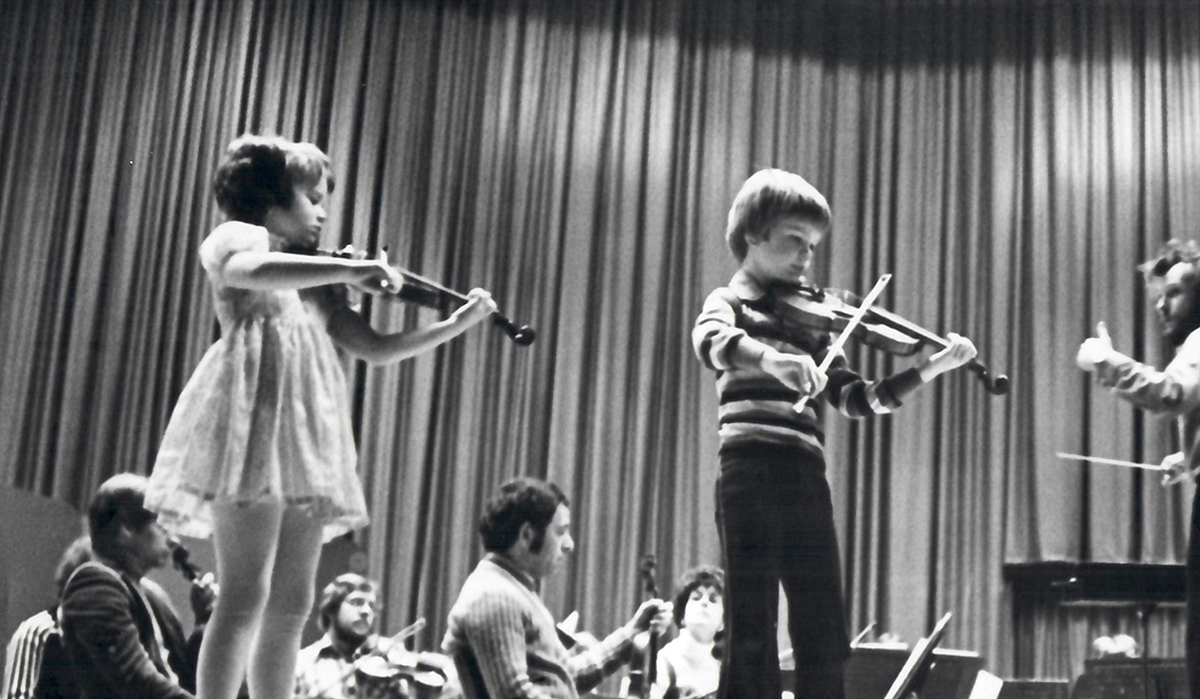
And of course the conversation steered toward sexism in the classical music world, and how some of the abuse can be seen as gatekeeping by men and their ilk to limit women’s potential. This is especially alarming in a field that should by all means be gender neutral. “There’s men out there that are mediocre, and have a vested interest in in keeping women down. These men know there’s only a certain amount of jobs, and if the women who are deserving get them, they won’t,” she finished. Lara also brought up the very real threat towards children: “You have to have children, because in Classical music you have to start very young… this combination becomes a hunting ground for anyone who wants to abuse the power.”
We don’t have enough allies… and we need good men, too.”
Lara St. John
When asked what hopes her documentary will have on change, St. John spoke to the fact that most people are/were incredulous that this level of abuse happened to children and women in Classical music, and that once the greater public finds out, there may be more outcry. “We can’t let this happen,” she said. “And the greater public are the people that buy tickets to the Baltimore Symphony and the New York Philharmonic… [they can say]“I don’t want to be part of anything that treats women and children this badly.” Lara also stated she is working on a ‘Gold Standard’ for schools to let parents know what their children are walking into. It was not lost on me that financial ramifications can help force these schools to make serious change.
Hoping to Get the Word Out
And while “Dear Lara” can be at times a sad, hard watch, speaking to its director, one gleans a hope that St. John and others have about how the film can spearhead change in the future. St. John wasn’t able to point to where the film might head next, but was eager to see where it might take her.
For more information on “Dear Lara” in general or for announcements on future festivals or showings, readers can click the link for dearlara.film. You can also follow the official account on Instagram at @dearlaradoc. From The Movie Buff, we thank Lara for her time and wish her film—and the systemic change she so tirelessly works towards—all the success one can hope.

