From A. V. Bramble in 1920 to Robert Fuest in 1970, Emily Brontë’s classic novel “Wuthering Heights” has been adapted for the screen for over a century, with each generation having its own version of this tale of love and revenge. The inseparable bond between Heathcliff and Catherine Earnshaw, once filled by sheer devotion, has turned poisonous and injurious—driving the two toward a self-destructive path. After being separated from his class and his marriage, Heathcliff vows to ruin the lives of those who have wronged him, even though he is not an innocent bystander. He weaponizes the wealth of the Earnshaws, Lintons, and his own. As he ascends the social class ladder, his calculated revenge tactics become even more cruel and tormenting.
They eat each other alive until there is no more; they look onto each other with the glance of their past selves, but the image is long gone. What remains is not the memory of tenderness once held before the societal pressures and class pride turmoil took place, but the scars left behind in their minds, bodies, and souls. Over two decades of obsession have led to death, where they will be united yet forever restless. They are tormented ghosts roaming around the moors, without peace or absolution. In every retelling of “Wuthering Heights,” the corrosion of Heathcliff and Catherine is highlighted prominently. However, none of them are true or complete adaptations of Brontë’s novel, with each filmmaker making changes to the text, whether for commercial reasons or to foreground one emotional thread over another.
Misreadings and Poor Casting Choices
These versions tame the novel’s vindictive elements. The text’s moral ambiguity and daring nature are sanded down in favor of a “cleaner” approach. There is also the miscasting of Heathcliff, who has always been played by a white man (Ralph Fiennes, Laurence Olivier, Timothy Dalton), except in Andrea Arnold’s excellent 2011 retelling, which is the first time a black man portrays Heathcliff and explores Brontë’s undercurrents of race and marginalization. This “whitewashing” makes his transformation from an abused orphan to a vengeful landowner, who challenges the rigid social hierarchy of 18th-century England less politically charged. Instead of being viewed as rebellious against a society that has sought to exclude him since he set foot on English soil, his actions are presented as a romantic obsession.
Heathcliff and Catherine are not soulmates; they are united by obsession, yet suffocated by mutual destruction. Arnold, as the bold and outspoken filmmaker that she is, didn’t want to exclude those subjects from her adaptation. She wanted to embrace them–hence, even though there are some changes to the original text, it is the most thorough retelling of them all. Fifteen years have passed since, and you’d think that the upcoming retelling will not soften the edges, and be as bold as Arnold was in 2011. Unfortunately, that is not the case. The latest adaptation, from English actress-turned-filmmaker Emerald Fennell (“Promising Young Woman”, “Saltburn”), can be considered the most oblivious and preposterous of them all. Not only does the usual casting problem ensue, but its approach is also entirely fractured.
Emerald Fennell’s Stylish Doll House of Doomed Romance
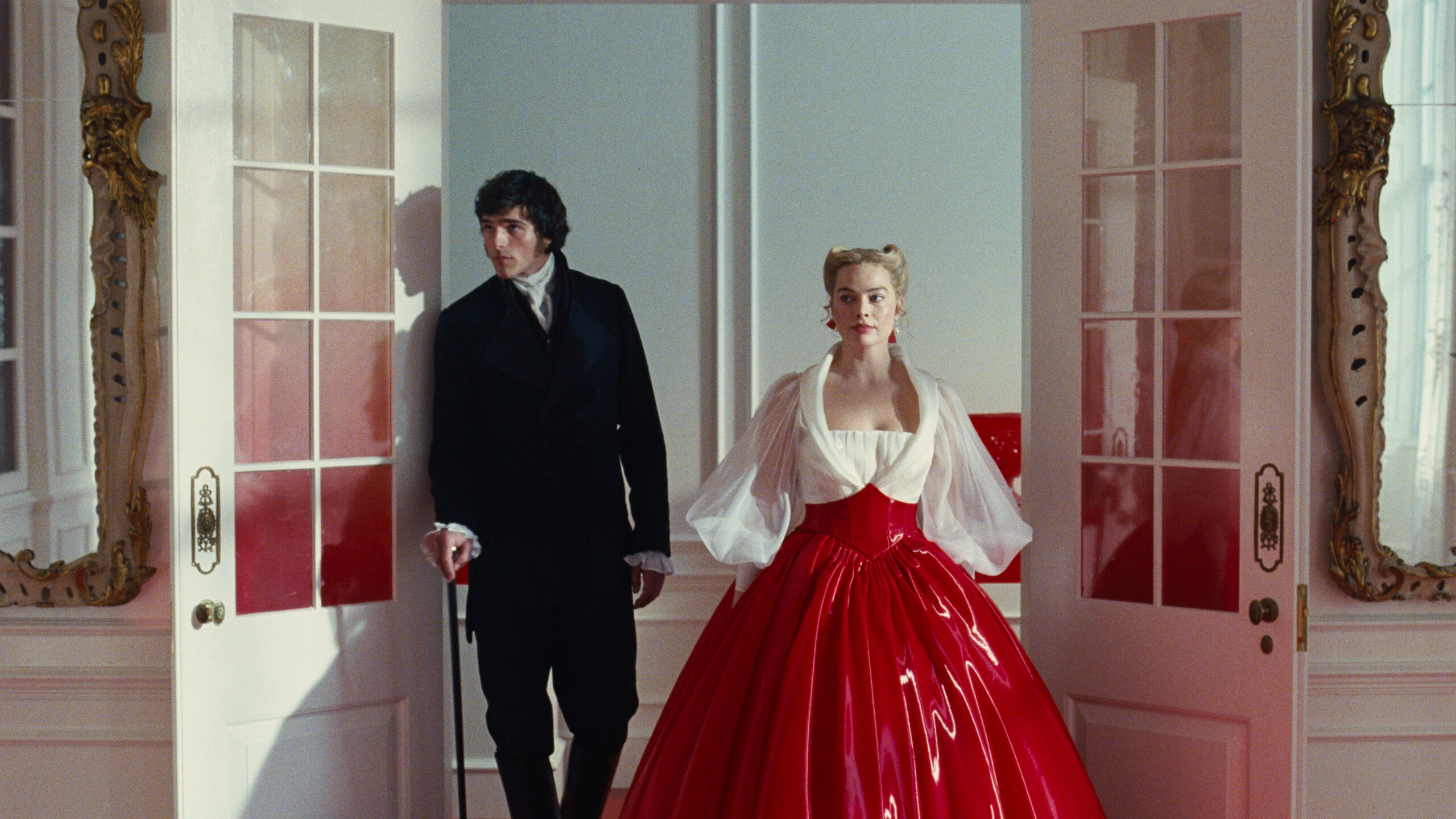
Fennell mentioned that she wanted to make her “Wuthering Heights”, starring Margot Robbie and Jacob Elordi as Catherine and Heathcliff respectively (once again, another film that leans on star power and dismisses race), as she imagined it at fourteen. Most people read the novel in English class at that age. My teacher assigned segments of it as an assignment on classic literature. She ensured that we focused on its intense themes, rather than the false “love story” at the center. However, Fennell’s approach centers solely on the latter, stripping away the other subject matters explored by Brontë. This direction is evident both in its visual imagery and in the dialogue, looking like it is set in a doll’s house. At the same time, the conversations are tonally akin to YA novels, rather than the dark, melancholic expressions of the original text.
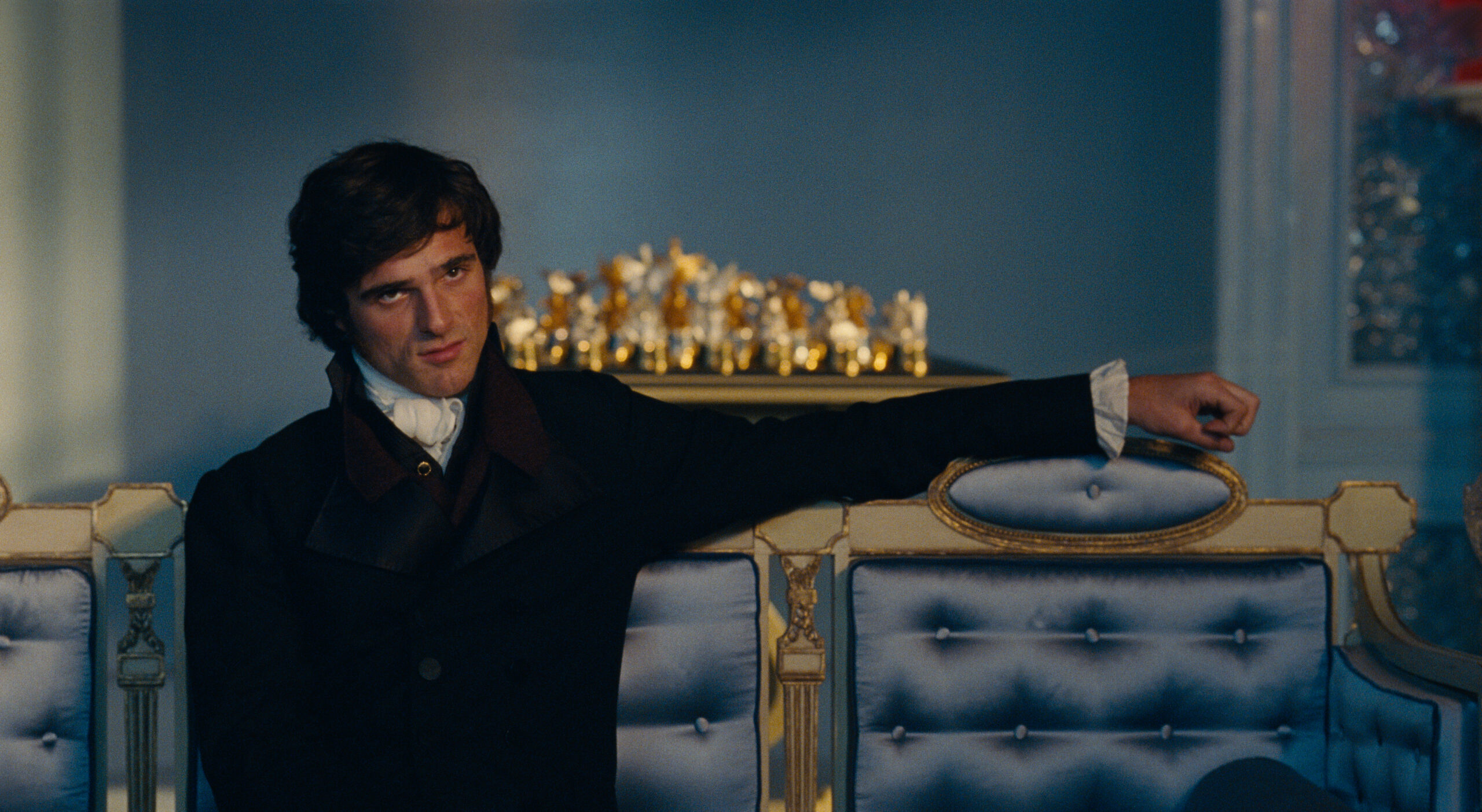
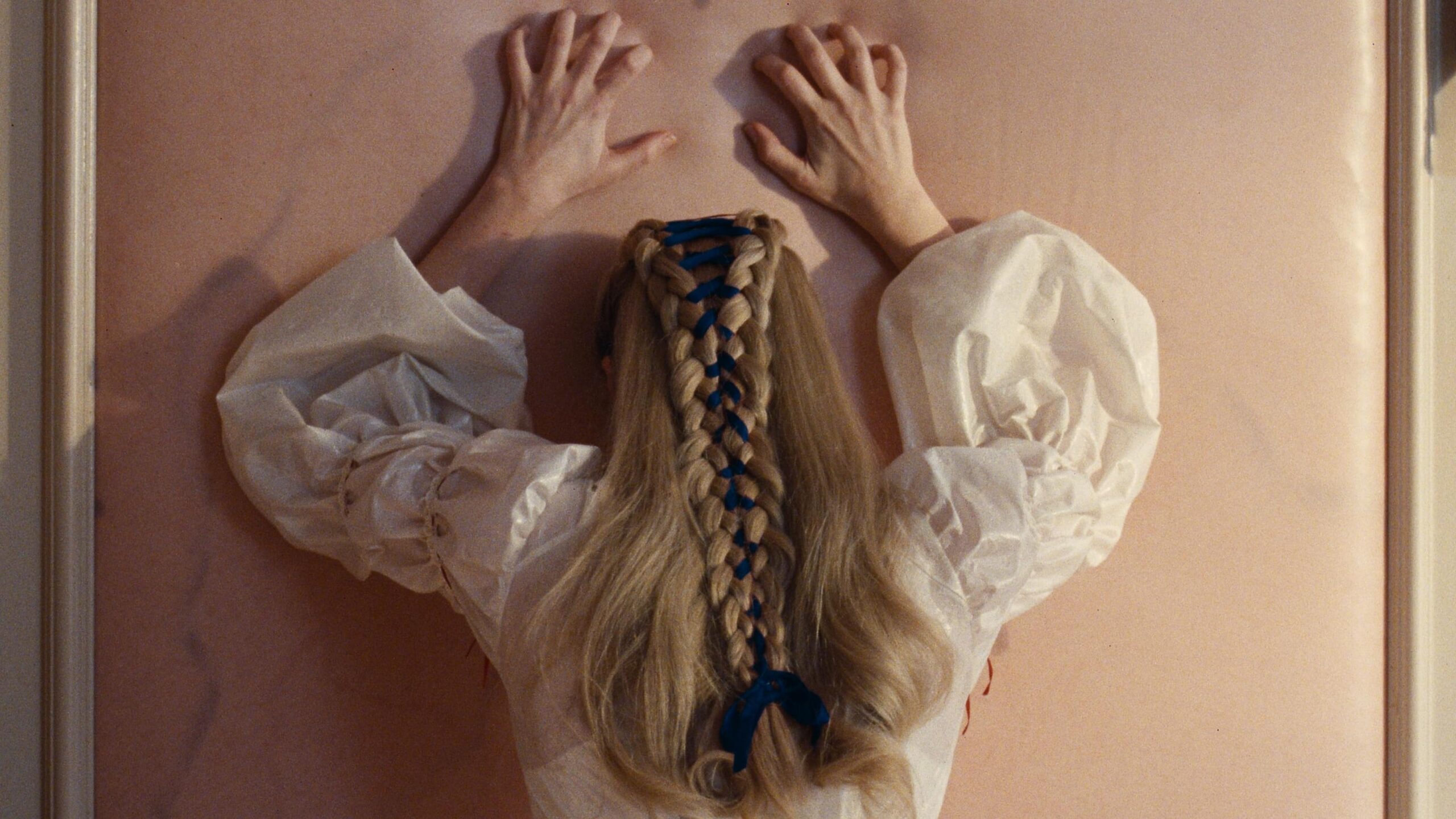
Fennell is a filmmaker who focuses more on aesthetics than on any other element in her pictures, which is why her decor, costumes, backdrops, pop-oriented soundtracks, and lavish houses are glossy and opulent. Vibrant colors and intense textures are throughout the sets and passages of “Wuthering Heights,” with complete disregard for historical accuracy, yet they create a tactile atmosphere. This sensory-driven design gives way to an undertone of deceit. (In the case of “Wuthering Heights,” the melancholy oozes through the pores of the people inhabiting fancy mansions and wearing debonair garments). Whether this choice of Fennell helps explore the themes of her films is an easy question to answer: it doesn’t. There is no significance to her aesthetic choices. The attempt to create an inverted “fairy tale” by juxtaposing opulence with the grotesque and the erotic is fascinating. But in her hands, it becomes a hollow spectacle.
An Inclination of a Past, Misinterpreted Fantasy
Other adaptations leaned more into the elemental brutality and spiritual desolation of the moor’s setting, with the wind serving as a restless specter urging them toward their inevitable demise. The landscape becomes complicit in their undoing; it both caresses and scars simultaneously. All the while, Fennell sets-dresses with her usual tendencies, which do amount to some lovely still images, yet, in motion, they are weightless–as are her explorations of the characters. From the mistreatment and lack of agency of Isabelle Linton (played by Allison Oliver, who’s best in show, considering what little is given to her) to the excessive romanticism of Heathcliff, even through his brutish actions, Fennell misreads “Wuthering Heights” entirely by her inclination to create her fourteen-year-old fantasy.
Her attachment to that past perspective–infatuation of doomed love instead of moral rot–renders her “reimagining” inert. This isn’t the first time one of her pictures has suffered from a poisoned or fractured perspective. But one would expect that, at the very least, with a material beloved by many and misunderstood by various filmmakers, she would try to comment on her two readings of the novel: one from when she was fourteen and the other at her current age. It would spark interesting conversations about how, over time, people get different readings on things you have nostalgia for or appreciate. Many of us cinephiles and movie lovers tend to question that same relationship with the movies we grew up with. We watch them decades later with a different lens and ponder how our viewpoints shifted. Yet, Fennell resists that self-reflection, flattening “Wuthering Heights” into an aesthetic obsession.