





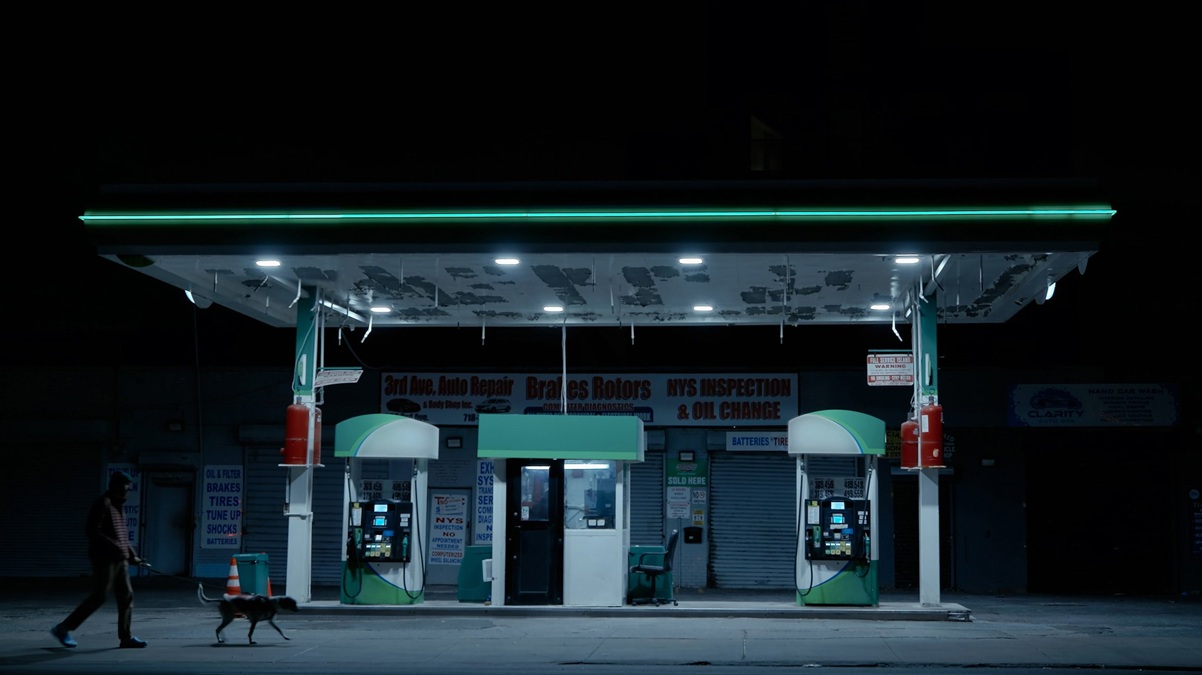
You donât need to know the exact dimensions of someoneâs grief to feel the shape it leaves behind. In âThe Gas Station Attendant,â filmmaker Karla Murthy delivers an aching, intimate tribute to her late father, H.N. Shantha Murthy, in a film thatâs equal parts remembrance, reckoning, and recognition of a love that sometimes spoke in broken conversations, long road trips, and tired, late-night phone calls.
What begins as a daughterâs worryâabout her aging father working nights alone at a gas stationâunfurls into something deeper: a meditation on sacrifice, survival, and the human cost of chasing the ever-slippery American dream.
A Dream That Never Let Him Rest
The filmâs opening quote from Laila LalamiââHumanity is fundamentally a story of migrationââsets the tone for what follows. Murthy presents âThe Gas Station Attendantâ as a nonlinear assemblage of home videos, voiceovers, and fragments of memory that echo the rhythms of how we remember the people we love.
Murthy structures her documentary like a family photo album with the corners curling: imperfect, unsorted, but radiating affection and quiet understanding. Her father’s story of running away from home, leaving India as a young boy, surviving poverty, and eventually arriving in America with the help of a Texan couple, carries the wide-eyed optimism so many immigrant tales begin with. However, Murthy never lets the dream become myth. Sheâs more interested in what it cost.
Throughout his life, Shantha Murthy was a man who refused to stop moving. One failed venture led to the next: following the massive layoffs at Boeing, he co-founded a microchip business, opened a restaurant, sold children’s clothes, partnered with his alma mater on pharmaceutical researchâwhatever it took. Even in their old age, Shantha and his wife ran a gift and jewelry store, and the former would travel to trade shows across the country to sell leftover merchandise. This business, too, would ultimately close due to loss of profit. And if that werenât enough, even after retiring to Little Rock, Shantha still attempted to launch a new enterprise.
To Karlaâs younger self, all these looked like restlessness, a never-ending rush for the next adventure. But now, looking back as a mother of two, she sees it for what it was: relentless from mounting bills, and perseverance under the weight of obligation.
The Patchwork of Memory
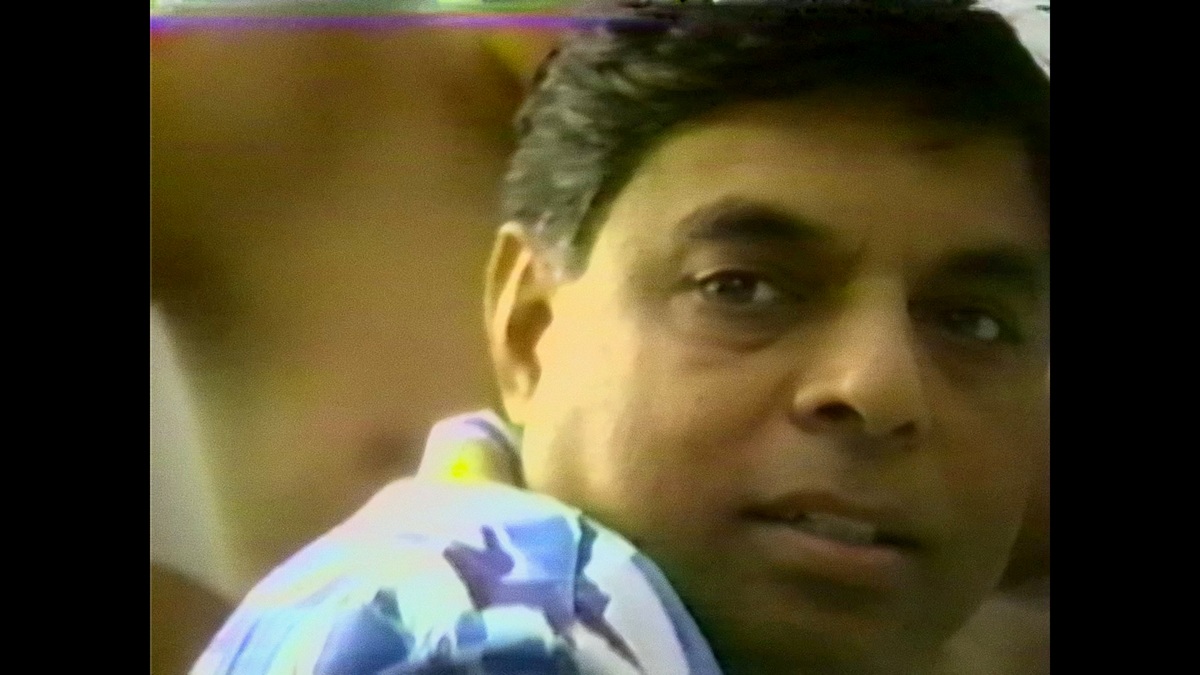
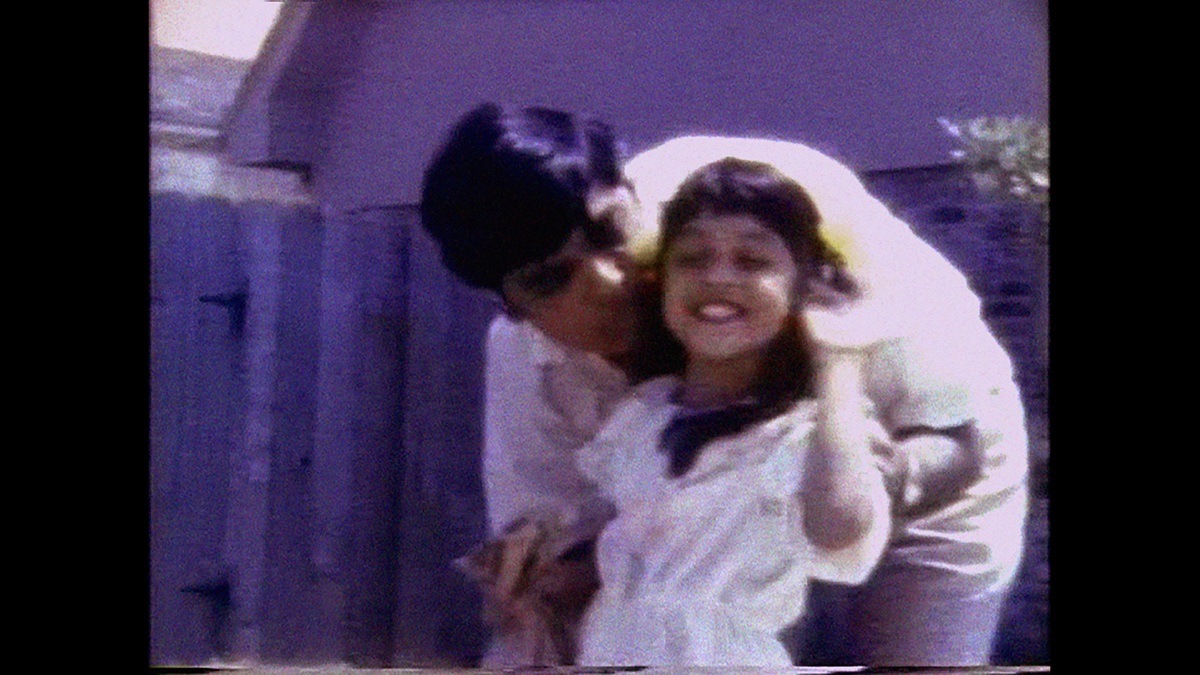
The documentary is less concerned with polish than with resonance. At times, Murthy’s editing feels almost deliberately scattershot, mirroring the patchwork nature of memory. In one sequence, she intercuts mini DV family tapes with archival footage of India, contrasting her fatherâs hardscrabble childhood with her own multicultural upbringing in Missouri City, Texas. In particular, the latter served as a place where growing up being half Indian and half Filipina made her feel like an anomaly.
The documentary also touches upon, albeit only in broad strokes, Karlaâs biological mother who died from cancer. After a period of mourning, Shantha eventually remarried another Filipina woman who took up the cudgels of raising Karla and her siblings as their stepmother.
Finally, we also discover Karla’s childhood, how her parents supported her aspirations to become a classically trained pianist, and how she just decided to stop playing anymore. With a reflective introspection, she voices regret with the knowledge that her parents might have invested a lot for her dreams that she eventually abandoned.
These juxtapositions quietly underline one of the filmâs deeper questions: what do we inherit, and what do we owe?
[Related Review: âHow to Have an American Babyâ is a Multi-narrative Film about Chasing the American Dream through Circumvention]
Tenderness Without Sentiment
Much of the filmâs emotional power lives in these everyday scenes: Shanthaâs whispered stories of a childhood hunger that drove him to run away at ten, or Karlaâs memory of helping him stay awake as he worked late nights at the gas station while he poured out tales of his life back in Bangalore. It’s in the soft pauses when they hold the calls as Shantha tends to a customer, or hang up only to call again the following night, simply because neither really wants to let go.
Those nightly phone calls, in particular, are the filmâs heartbeat. Shantha checks in and signs off by calling her âbabe,â and they exchange âI love youâ every time. Thereâs warmth and wit in their exchanges, but also palpable tension. These tender routines make the later strain all the more wrenching in a late-film reveal, when Shantha casually calls to pass his debts onto Karla. It introduces a rift thatâs never quite healed; and that Murthy includes this moment without justifying or over-explaining it is a testament to the filmâs honesty. After all, love, especially between immigrant parents and their American-born children, is rarely uncomplicated.
âDad, how did you get up and keep going?â Karla asks, the purpose of which being twofoldâfirst to understand how Shantha lived through her motherâs death from cancer, and then at filmâs end to grasp how she might move forward in a world without him. That question haunts in its simplicity.
An Undeveloped Tribute to the Immigrant Working Class
One element that feels underdeveloped is how the film gestures toward broader commentary on immigrant labor early on, but just leaves it hanging. Against her intimate portrait of her father, Murthy briefly talks about immigrant labor through a New York Times article on job specializations among immigrants. We learn that many rely on skills and values carried from the old country.
Love, especially between immigrant parents and their American-born children, is rarely uncomplicated.
This brought to mind an Indian-American comedian whom I watched claim during one stand-up routine that he could guess an Indian immigrantâs profession just by their surname or place of origin: motel owner, convenience store clerk, or gas station attendant. That joke lands here with ironic force but then recedes as Murthy refocuses on her personal narrative. I bring this up because âThe Gas Station Attendantâ flirts with a wider lens, but always returns to the directorâs personal orbit.
Even so, I get it. For Murthy, itâs a love letter to one man, not a treatise. And while part of me wanted a sharper dive into the systemic factors that shaped Shanthaâs trajectory, I canât begrudge the filmmaker for keeping her focus tight. The specificity is what makes the film sing.
And sing it does, helped in no small part by Bobak Lotfipourâs tender, elegiac score. It knows when to swell and when to step back, accentuating scenes like Shanthaâs revelation that he shortened his name at immigration, followed by shots of modern India rich with color and promise.
A Loving Daughterâs Letter to the Titular âGas Station Attendantâ
Documentaries about family legacies often invite comparison. Personally, itâs tempting to compare this to other recent father-child documentaries, like âResynatorâ or âThird Act,â that hit too close to home. And yes, the parallels are there: âResynatorâ spoke of a daughter discovering her synth-pioneer father through old tapes. Meanwhile, âThird Actâ followed a son piecing together his fatherâs cinematic legacy.
Murthyâs âThe Gas Station Attendantâ shares those impulses, but feels rawer and more immediate. Near the end, she sits at a piano inside an empty church where Shantha once congregated and plays a piece from a songbook named Unsent Love Letters. While the scene explains itself clearly (a symbolic act of confronting reality), itâs nonetheless a moment both sincere and heartrending. With her playing the piano once again, it’s as though the music itself were a final message that hopefully reaches her recipient.
With this comes the point: maybe the film works fine because it doesnât pretend to offer closure. And maybe because ultimately, the reason she keeps a portion of her fatherâs ashes alongside a plaid shirt he wore on their trip to New Orleans is not a symbol so much as a confession: I didnât say goodbye the way I wanted to. But youâre still with me.
If being a good daughter means understanding the person your parent wasânot just to you, but to the worldâthen Karla Murthy has done more than many of us can manage. With âThe Gas Station Attendant,â sheâs made something devastating and beautiful out of regret, guilt, memory, and love.
And thatâs one hell of a goodbye.
Karla Murthy’s “The Gas Station Attendant” will have its world premiere at this year’s Sheffield DocFest, which will run from June 18 to 23, 2025. Follow us for more coverage.




