


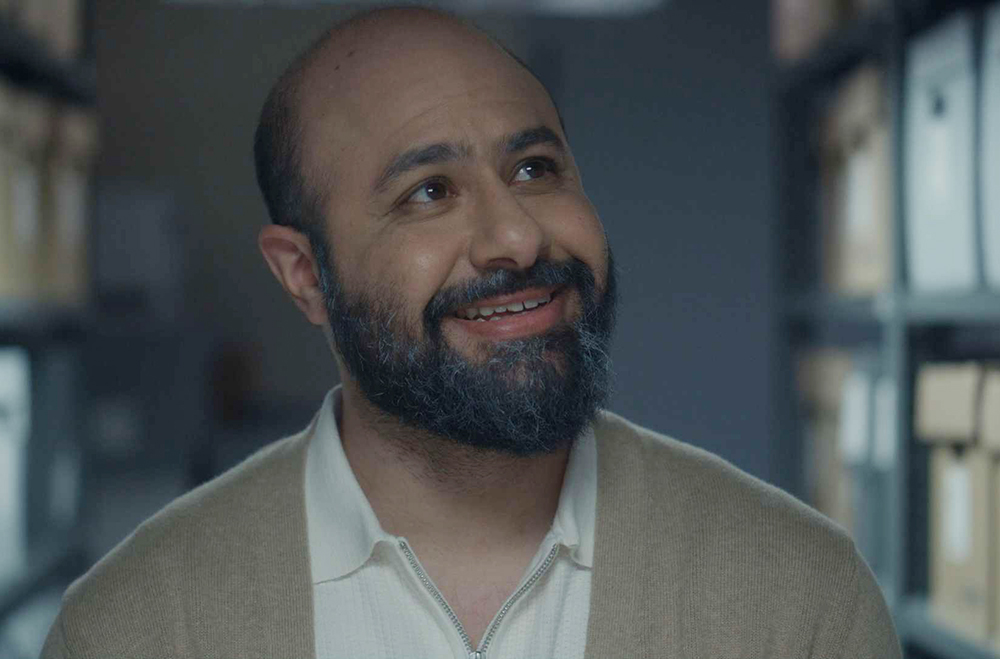
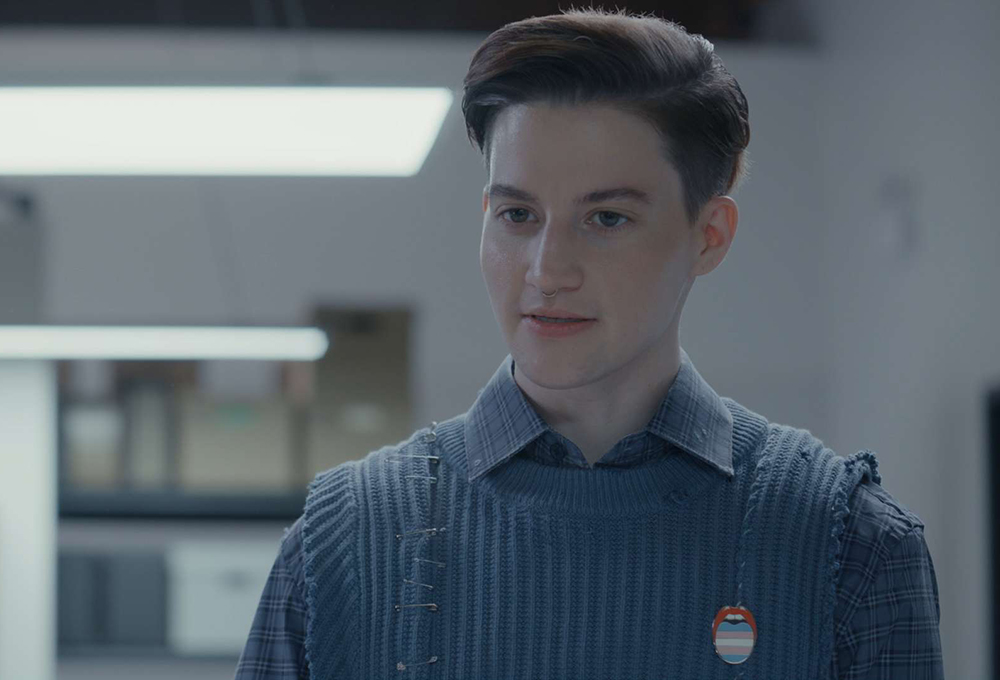
In this one-of-a-kind ‘hybrid documentary, trans filmmaker Jules Rosskam blends conversations between two fictional archivists who identify as trans-masculine and gay. Kieran (Theo Germaine) and Ahmad (Aden Hakimi) are in the process of sifting through historical documents and end up ‘finding’ themselves, with non-fictional elements. These include interview footage featuring Lou Sullivan, a prominent author and activist considered as a historical figure within the LGBTQIA+ community, documented to be the first trans men to publicly identify as gay.
“Desire Lines” acts as a time capsule of sorts, transporting viewers back to the 1970s, when the lines between gender and sexuality were either unexplored or misunderstood. Research was still in its nascent phase, and thus coming out in a public forum to challenge misconceptions regarding the community was in itself a bold step. As Kieran points out to Ahmad, “even seeing Sullivan’s face captured on camera during the era he lived in is tantamount to representation in itself.” But then the film drops us back off into the 21st century to determine for ourselves whether the public perception towards the trans and gender fluid community has evolved or remained stagnant or even reverted to that still nascent stage.
A Deconstructive Documentary
Rosskam excels at deconstructing the structure of a typical documentary and steering clear of traditional elements, barring a frequent use of talking heads intended to put his points across. He opts to weave in unorthodox touches, such as the visuals of a pop-up browser window being opened by an unseen hand and a cursor clicking on various folders, thus quite literally labelling, categorising, and dividing the documentary into sections. The aforementioned talking heads primarily consist of interviews with unnamed trans individuals on their sexual experiences with cis gay men, or basic verbal interactions with the more dominating cis gay members of the community. “Desire Lines” showcases the latter’s ignorance by using micro-aggressions, crossing personal boundaries, or trivialise the carnal desires of the trans masculine individuals themselves. This all adds to the running theme of unboxing the existing disconnect and sparking discourse on a hierarchy within the community itself.
Some also speak about a desire to connect with their identity during the act of consensual sex, in the process also achieving empowerment through the same. However, gender-fluid members view sex as a quest to actualise their identity. Additionally, Rosskam also incorporates the recurring imagery of the bathhouse—a historical monument for many within the community—which is not just linked to sexual gratification but has transformed into a safe space for those in the minority are allowed freedom to exist and to co-exist.
A Double-Edged Sword
In the latter half of the documentary, the interviewees in the documentary also raise a valid concern over casual fetishization of the community, expressing discomfort over the power imbalance brought on by aggressive or entitled cis gay men who view transmasculine individuals as submissive.
The interviewees also attribute the impartiality of gender clinics as another major issue, citing the uncaring attitude of government officials and other authority figures who consider trans individuals a mere drop in a bucket, and the interviewees are particularly vocal about being on the receiving end of maltreatment even in a medical setting. They are still relegated to a marginalised status, misunderstood due to a spread of misinformation or sheer ignorance on part of those who operate the gender clinics. Discrimination follows, going on record to state their lived experiences while their health information has been kept from them which further endangers their lives, and ups the risk of being exposed to diseases such as HIV.
A Thought-Provoking Advocacy Piece
The conversations between archivists Kieran and Ahmad also highlight the varying levels of privilege that are afforded to cis individuals but not to trans individuals. Ahmad also expresses melancholia over not being able to return to his native city of Tehran; due to his new identity as a trans-masculine man, his papers no longer match. He also cites the lack of sex positivity in even supposedly developed countries as one of the reasons he still feels stifled in his adopted country (the U.S.), and asserts the need to normalise intimacy between same-sex individuals.
Ultimately “Desire Lines” serves as a powerful eye-opener to the late Lou Sullivan’s milestone achievements, which would otherwise have collected dust in unopened boxes or piles of unmarked folders. Thus, it contributes to the continuation of a legacy. However, it also crosses the line into acting as an endlessly thought-provoking advocacy piece. It highlights the long road to ensure the safety of and in preserving the dignity of trans individuals whose desires to belong still remain unfulfilled.
“Desire Lines” is screening at BFI Flare from March15-16.

