
Close Menu
    Facebook X (Twitter) Instagram
    Friday, March 6
    Facebook X (Twitter) Instagram Bluesky
    The Movie Buff
    • Home
    • About
      • Critics
      • Press & Testimonials
      • Friends of the Buff
      • Terms of Use
      • Thank You!
    • Film Reviews & Coverage
      • Movie Reviews
      • TV/Streaming Reviews
      • Film Festival Coverage
      • Interviews
    • Podcasts
    • Indie Film
      • Reviews & Articles
    • Advertise
    • Contact
      • Write for us
    The Movie Buff
    31 Days of Halloween

    Rosemary’s Baby (NR)

    Bianca GarnerBy Bianca GarnerOctober 6, 2018No Comments3 Mins Read
    Facebook Twitter Pinterest LinkedIn Tumblr Email Copy Link
    Share
    Facebook Twitter Email Copy Link

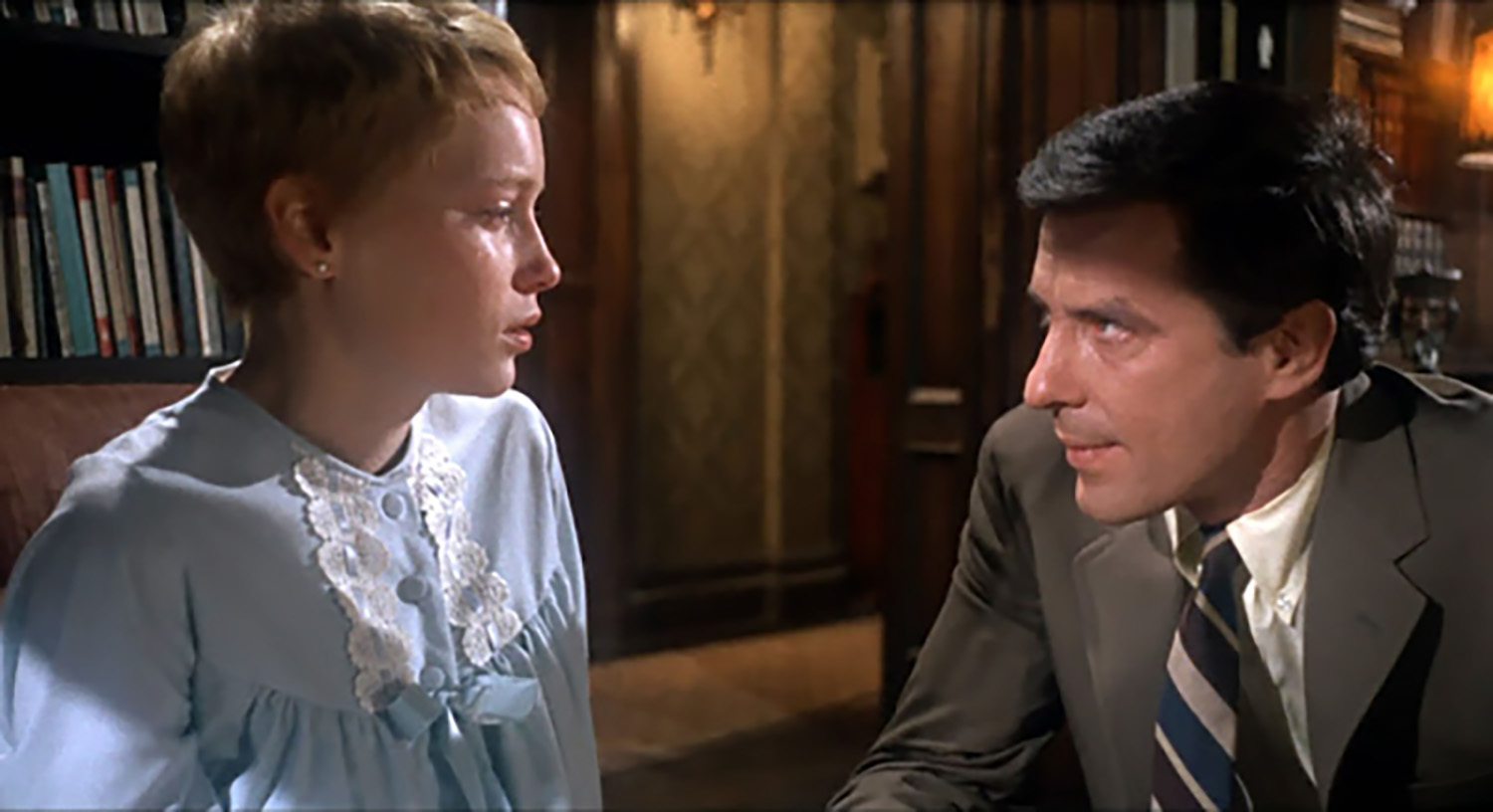
    From the on-set, it’s clear that “Rosemary’s Baby” is the stuff of nightmares. It is truly a creepy film, which leaves the viewer in a state of shock, numb and reeling as they try to piece together just what has occured on screen. The film is based on Ira Levin’s novel about modern-day witches and demons. But it is much more than just a suspense story; the brilliance of the film comes more from Polanski’s direction,who clearly has a warped, disturbed mind. There’s something perverse about Polanski’s attitude towards women and it’s haunting to watch; somehow this feels like a glimpse into his self consciousness. Despite his reputation off-screen, Polanski knows how to pull off a truly effective horror film, delivering an eerie film dripping in cynicism and paranoia.

    The film follows Rosemary (Farrow) and Guy Woodhouse (John Cassavetes) who move into an apartment in a building with a bad reputation. They discover that their neighbours are a very friendly elderly couple named Roman and Minnie Castevet, and Guy begins to spend a lot of time with them. However, very quickly strange things start to happen: a woman Rosemary meets in the washroom dies a mysterious death, Rosemary has strange dreams and hears strange noises and Guy becomes remote and distant. Then Rosemary falls pregnant and begins to suspect that her neighbours are somehow behind this, but what is their end game?

    Polanski gives the audience a great deal of information early in the story, and by the time the movie’s halfway over we’re pretty sure what’s going on in that apartment next door. When the conclusion comes, it works not because it is a surprise but because it is horrifyingly inevitable. Rosemary makes her dreadful discovery, there’s nothing the viewer can do but simply watch in horror as the events slowly unfold. The truth and reveal is even worse than Rosemary’s feverish imagination and mounting paranoia paints it, but Polanski  keeps things as disturbingly unsettled and ambiguous as he can right up to the end. And that ending…never has a horror film ended in such a bleak, depressing way. However, every baby deserves a mother, right?
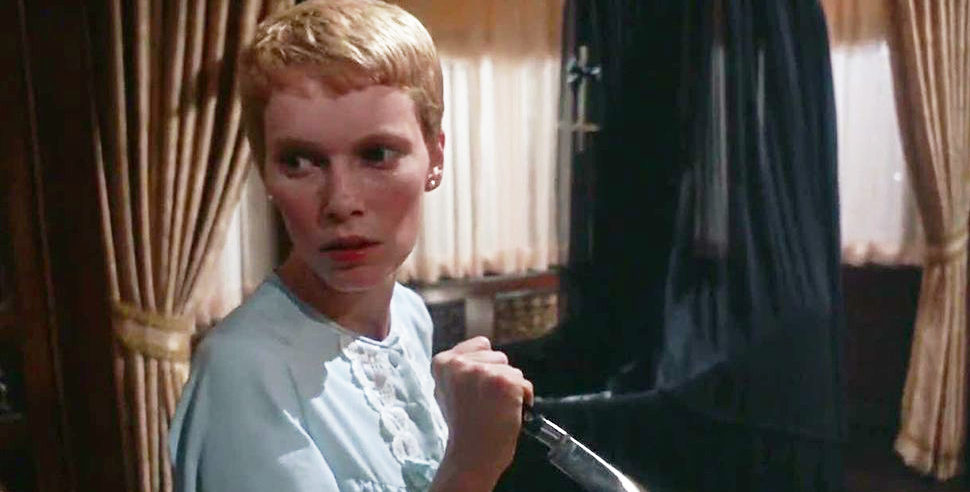
    Mia Farrow in a scene from “Rosemary’s Baby” (Paramount Pictures, 1968).

    The success of the film lies in the performances of Mia Farrow, as Rosemary, and Ruth Gordon, as Mrs. Castevet, the next-door neighbor. The two help propel each other, and their interactions with one and another seem believable. We have all been there, trying to deal with the nosy next door neighbour. The viewer fully believes that these two women live next door to each other. It plays on our distrust of our neighbours and our fear of other interfering in our lives, the idea of someone pulling the strings, controlling our outcomes without our knowledge. This is very much Farrow’s film, who is in all but a very few shots. Polanski exploits her vulnerability and childish looks; she looks so fragile and about to burst into tears in almost every shot. Even before she gets pregnant she wears shapeless little smocks and flat, little girl shoes. Her short haircut later in the film makes her appear even more vulnerable. 

    “Rosemary’s Baby” is a film strongly tied to the era that produced it, addressing a number of social issues central to the women’s movement of the ’60s and ’70s, particularly those concerning mental health and pregnancy. It’s a strong horror film which captured the feelings of a society in crisis and a woman struggling to have her voice. Strangely, “Rosemary’s Baby” feels relevant now more than ever. 

    – by Bianca Garner

    1968 baby creepy drama horror Mia Farrow neighbor Roman Polanski Rosemary's Baby
    Share. Facebook Twitter Pinterest LinkedIn Tumblr Email
    Previous ArticleParanormal Activity 4 (R)
    Next Article Hereditary (R)
    Bianca Garner
    • X (Twitter)

    Bianca "Bee" Garner has been writing film reviews for over a decade now and is still going! Her favourite period of cinema is the 1970s but she's equally fascinated with the 1990s. She has a bizarre taste in film, enjoying the likes of "Con Air," "The Room," and "Waterworld," whilst also appreciating classics such as "The Godfather," "Days of Heaven," and "The Last Picture Show." If you want to catch her latest hot take, you can follow her on Twitter @The_Film_Bee

    Related Posts

    Drama March 4, 2026

    ‘Rosemead’ Review: A Mother and Son Stare Down the Barrel in a Tragic Eye-Opener

    Independent March 2, 2026

    The Short Film ‘Jam Boy’ by Sriram Emani is Rich with Culture and Social Commentary

    Horror March 2, 2026

    ‘Scream 7’ Review: A New Chapter as the Franchise Rewrites the Rules

    Drama March 1, 2026

    “Wuthering Heights” (2026) Review: A Preposterous Retelling, Rich in Aesthetic Yet Weightless in Text

    Horror February 28, 2026

    Why Do We Keep Returning to the ‘Scream’ Films?

    Action February 26, 2026

    ‘Man on Fire:’ Violent and Unforgiving, but Features Both Denzel and Fanning at their Best

    Leave A Reply Cancel Reply

    Latest Posts

    ‘Rosemead’ Review: A Mother and Son Stare Down the Barrel in a Tragic Eye-Opener

    By Vidal DcostaMarch 4, 20260

    The Short Film ‘Jam Boy’ by Sriram Emani is Rich with Culture and Social Commentary

    By Mark ZiobroMarch 2, 20260

    ‘Scream 7’ Review: A New Chapter as the Franchise Rewrites the Rules

    By Holly MarieMarch 2, 20260

    “Wuthering Heights” (2026) Review: A Preposterous Retelling, Rich in Aesthetic Yet Weightless in Text

    By Hector GonzalezMarch 1, 20260
    • Facebook
    • Twitter
    • Instagram
    • YouTube
    Indie Film Highlights

    ‘Rosemead’ Review: A Mother and Son Stare Down the Barrel in a Tragic Eye-Opener

    By Vidal DcostaMarch 4, 20260

    “Rosemead” is based on “A dying mother’s plan: Buy a gun. Rent a hotel room.…

    The Short Film ‘Jam Boy’ by Sriram Emani is Rich with Culture and Social Commentary

    By Mark ZiobroMarch 2, 20260

    Review: Rough Sex and Rougher Relationship Dynamics Intertwine in the Risqué ‘Pillion’

    By Vidal DcostaFebruary 24, 20260

    Interview: Filmmaker Sriram Emani on Exploring Self-Erasure and Breaking Patterns in his Debut Short ‘Jam Boy’

    By Vidal DcostaFebruary 20, 20260

    Acclaimed Violinist Lara St. John Talks About ‘Dear Lara’ Doc in Post SBIFF Interview

    By Mark ZiobroFebruary 16, 20260
    Spotlight on Classic Film

    ‘The Innocents’ Review: One of the First Haunted House Films of the Modern Horror Era

    ‘Gone With the Wind’ Review: Epic Film from the Golden Age of Hollywood

    ‘The Count of Monte Cristo’ QCinema 2024 Review: A Thoughtful, If Rushed, Study of Revenge and Redemption

    ‘Thirteen Women’ Review: A Precursor of the Slasher Genre, with a Devilishly Divine Femme Fatale at its Helm

    The Movie Buff is a multimedia platform devoted to covering all forms of entertainment. From Hollywood Blockbusters to Classic Comfort faves. Broadcast Television, on-demand streaming, bingeworthy series'; We're the most versatile source.

    The Movie Buff is also the leading supporter of Indie film, covering all genres and budgets from around the globe.

    Facebook X (Twitter) Instagram YouTube LinkedIn TikTok
    Copyright @2011-2025 by The Movie Buff | Stock Photos provided by our partner Depositphotos

    Type above and press Enter to search. Press Esc to cancel.