
Close Menu
    Facebook X (Twitter) Instagram
    Friday, March 6
    Facebook X (Twitter) Instagram Bluesky
    The Movie Buff
    • Home
    • About
      • Critics
      • Press & Testimonials
      • Friends of the Buff
      • Terms of Use
      • Thank You!
    • Film Reviews & Coverage
      • Movie Reviews
      • TV/Streaming Reviews
      • Film Festival Coverage
      • Interviews
    • Podcasts
    • Indie Film
      • Reviews & Articles
    • Advertise
    • Contact
      • Write for us
    The Movie Buff
    Drama

    Letters from Iwo Jima (R)

    Ailbhe NahBy Ailbhe NahJuly 2, 20132 Comments4 Mins Read
    Facebook Twitter Pinterest LinkedIn Tumblr Email Copy Link
    Share
    Facebook Twitter Email Copy Link

    Every once in a while a film comes along and completely contradicts itself. “Letters from Iwo Jima” is one of them. Here is a movie directed by Clint Eastwood who is a noted American Conservative and yet portrays, on many occasions, the Japanese soldiers in a sympathetic light. It’s companion piece, “Flags Of Our Fathers,” was a pretty average movie while this is one of the most intense war films since “Full Metal Jacket.” Most surprisingly, a film almost entirely in Japanese enjoyed modest success at The U.S. box office. This may be down to an American icon like Eastwood directing but is still impressive nonetheless. The review will be of “Letters from Iwo Jima” itself; and apart from the intro I won’t be mentioning “Flags Of Our Fathers” as I want this to be a stand-alone review.

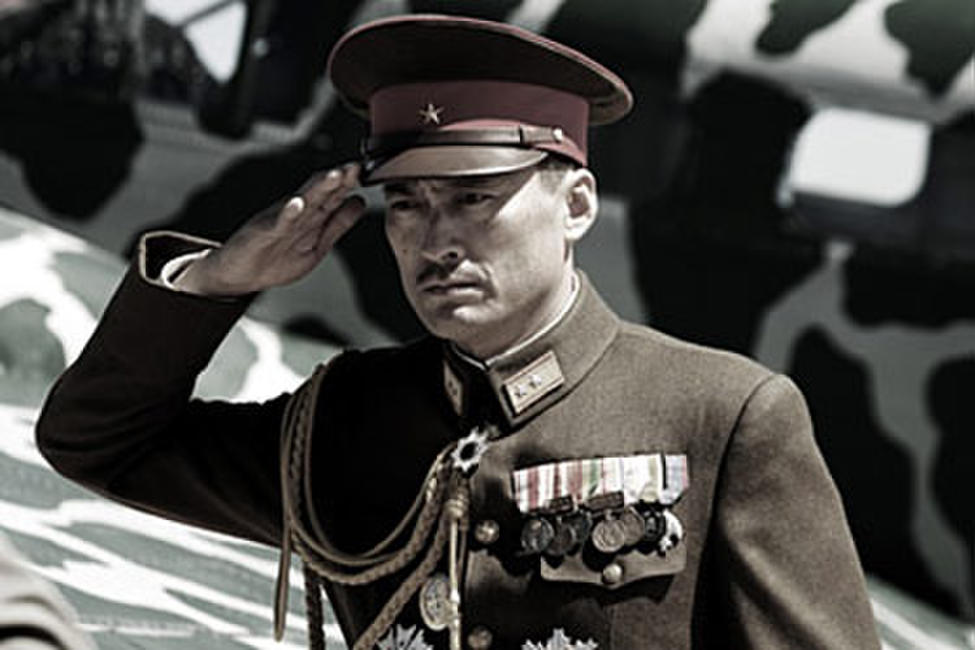
    The film opens with people digging in a cave on the island of Iwo Jima and finding a bag buried underneath the soil. The film then cuts to General Kuribayashi (Ken Watanabe) arriving on the island preparing for war.  It provides some great build up and little bits of back story of the characters, which doesn’t seem out of place and actually succeeds in establishing an emotional connection. Eventually the American Army begins their attack and the most interesting part of the film begins. Constant bombing raids prevent the soldiers from sleeping and the mundane nature of war begins to take grip. You see how people who were perfectly coherent start to lose their minds. You watch almost uncomfortably as the men unravel and do things no one should be forced to do. It is certainly a film that shouldn’t be taken lightly.

    Upon arrival, Kuribayashi sees the troops digging trenches on the beach and two soldiers being beaten by their captain.Kuribayashi intervenes and stops the young soldier named Saigo. It’s a scene that establishes Kuribayashi’s sympathetic nature and the beginning of the rift he is creating with a lot of the other “higher-ups” on the island. This brought up the idea of ‘justice’ being an incredibly fluid thing of often decided by those with power. In this case, the Captain’s idea of justice was whipping Saigo. He can do this because a) He is the superior officer and no one can call him out on his abuse of power except a higher ranking officer. b) He believes this is the proper punishment for someone who allegedly made un-patriotic remarks.

    Kuribayashi then overrules the decision and gives the soldier a more mundane task as punishment. This raises the question of ‘who is right?’ While the Captain’s punishment may have seemed excessive, is it right in a time of war to stamp out any talk doubting their country? However, this can be countered by saying putting the men under too much stress is the worst possible thing you can do. The film tends to side with Kuribayashi in a scene that is remarkably hard to watch. Not because it is bad, but because it’s so stressful and silent until the crucial moment that even a seasoned war buff will flinch.

    One of the best things about this film is its score. It is painfully minimalistic and only comes into play to highlight the incredibly powerful death scenes. You rarely hear more than a piano if there is any music at all. It highlights the painful reality that in war you are completely alone and very useless until the fighting starts. Even when the fighting starts, the soldiers are shown to be pawns and meaningless with the exception of Kuribayashi who shouts, “I will always be in front of you.” You can tell Kuribayashi holds his men in the same regard as his family as you witness him putting himself at a tactical disadvantage by making his men as comfortable as possible. Watanabe conveys his lone compassion for the soldiers beautifully while others have threatened and killed their men for just trying to stay alive. It ultimately says, ‘is compassion a bad thing in war?’

    “Letters From Iwo Jima” is an incredibly powerful film pulling no punches as far as the idea that war is hell. An admirable effort by Eastwood who one would expect would demonise the Japanese Army, but instead shows them to be just like any other soldiers. A powerful film that deserved the recognition it got.

    – by Paul O’Connor

    Clint Eastwood Flags of our Fathers japan Letters from Iwo Jima war World War II
    Share. Facebook Twitter Pinterest LinkedIn Tumblr Email
    Previous ArticleFargo (R)
    Next Article Step Brothers (R)
    Ailbhe Nah

    Ailbhe lives Cork, Ireland, and is a film graduate from Galway. Ailbhe is a lover of film, from Kurosawa to Tarantino and even the occasional Michael Bay movie. Ailbhe believes every film is innocent until proven guilty. Never judge a book by its cover and never judge a film by its trailer.

    Related Posts

    Drama March 4, 2026

    ‘Rosemead’ Review: A Mother and Son Stare Down the Barrel in a Tragic Eye-Opener

    Independent March 2, 2026

    The Short Film ‘Jam Boy’ by Sriram Emani is Rich with Culture and Social Commentary

    Horror March 2, 2026

    ‘Scream 7’ Review: A New Chapter as the Franchise Rewrites the Rules

    Drama March 1, 2026

    “Wuthering Heights” (2026) Review: A Preposterous Retelling, Rich in Aesthetic Yet Weightless in Text

    Action February 26, 2026

    ‘Man on Fire:’ Violent and Unforgiving, but Features Both Denzel and Fanning at their Best

    Romance February 24, 2026

    Review: Rough Sex and Rougher Relationship Dynamics Intertwine in the Risqué ‘Pillion’

    2 Comments

    1. melvin2580 on July 6, 2013 7:41 PM

      another great review excellent work Paul.

      Reply
    2. Paul O'Connor on July 7, 2013 12:02 AM

      Thank you, may I ask. Who are you?

      Reply
    Leave A Reply Cancel Reply

    Latest Posts

    ‘Rosemead’ Review: A Mother and Son Stare Down the Barrel in a Tragic Eye-Opener

    By Vidal DcostaMarch 4, 20260

    The Short Film ‘Jam Boy’ by Sriram Emani is Rich with Culture and Social Commentary

    By Mark ZiobroMarch 2, 20260

    ‘Scream 7’ Review: A New Chapter as the Franchise Rewrites the Rules

    By Holly MarieMarch 2, 20260

    “Wuthering Heights” (2026) Review: A Preposterous Retelling, Rich in Aesthetic Yet Weightless in Text

    By Hector GonzalezMarch 1, 20260
    • Facebook
    • Twitter
    • Instagram
    • YouTube
    Indie Film Highlights

    ‘Rosemead’ Review: A Mother and Son Stare Down the Barrel in a Tragic Eye-Opener

    By Vidal DcostaMarch 4, 20260

    “Rosemead” is based on “A dying mother’s plan: Buy a gun. Rent a hotel room.…

    The Short Film ‘Jam Boy’ by Sriram Emani is Rich with Culture and Social Commentary

    By Mark ZiobroMarch 2, 20260

    Review: Rough Sex and Rougher Relationship Dynamics Intertwine in the Risqué ‘Pillion’

    By Vidal DcostaFebruary 24, 20260

    Interview: Filmmaker Sriram Emani on Exploring Self-Erasure and Breaking Patterns in his Debut Short ‘Jam Boy’

    By Vidal DcostaFebruary 20, 20260

    Acclaimed Violinist Lara St. John Talks About ‘Dear Lara’ Doc in Post SBIFF Interview

    By Mark ZiobroFebruary 16, 20260
    Spotlight on Classic Film

    ‘The Innocents’ Review: One of the First Haunted House Films of the Modern Horror Era

    ‘Gone With the Wind’ Review: Epic Film from the Golden Age of Hollywood

    ‘The Count of Monte Cristo’ QCinema 2024 Review: A Thoughtful, If Rushed, Study of Revenge and Redemption

    ‘Thirteen Women’ Review: A Precursor of the Slasher Genre, with a Devilishly Divine Femme Fatale at its Helm

    The Movie Buff is a multimedia platform devoted to covering all forms of entertainment. From Hollywood Blockbusters to Classic Comfort faves. Broadcast Television, on-demand streaming, bingeworthy series'; We're the most versatile source.

    The Movie Buff is also the leading supporter of Indie film, covering all genres and budgets from around the globe.

    Facebook X (Twitter) Instagram YouTube LinkedIn TikTok
    Copyright @2011-2025 by The Movie Buff | Stock Photos provided by our partner Depositphotos

    Type above and press Enter to search. Press Esc to cancel.