


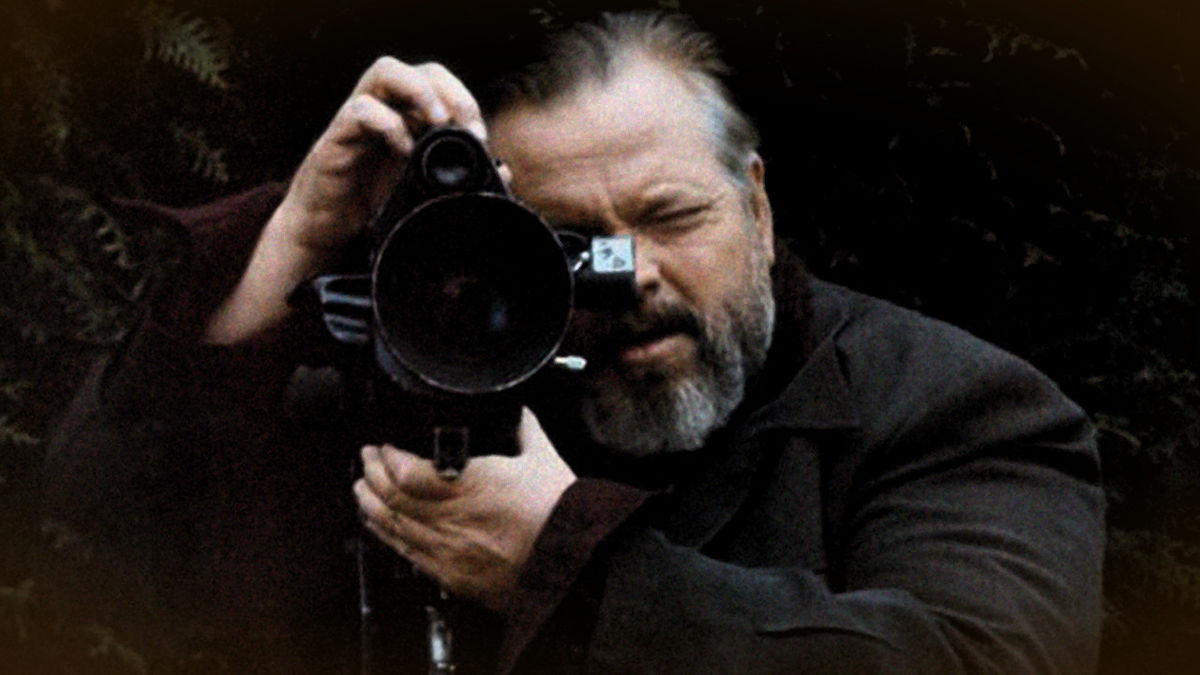
*Note: This piece contains spoilers and in-depth discussions for both “F for Fake” and “You Can See Everything”.*
Lies, Persuasion, or Deception?
People often lie to uncover something about the person (or group) they are trying to convince, persuade, or manipulate. It could be a little white lie to get out of a scheduled event or to hide a marital affair from a partner; lies can serve as a revelatory threshold, with both good and bad connotations. Although we generally view lying as a dishonest action that causes strife between people, it can also reveal deeper truths about the liar’s nature, identity, and the way they perceive reality. Hidden truths and desires emerge from the very act meant to conceal them. In some way, that is the paradox of deception: you conceal something through abstraction, distorting reality to construct an alternative version of yourself or the world around you.
Therefore, deception becomes an act of manipulation; it deliberately reshapes reality to influence how others interpret things. But in that regard, truth and falsehood, albeit intertwined, become blurred when deception misleads both others and the deceiver. Deception is not just an act of concealing reality, but also a way of exposing the many ways people construct and interpret their own reality. Many art forms use deception and lies to construct stories or works that explore the aftermath of a handful of lies, or a great lie that ends in cataclysm and damnation. These works examine how a single act of dishonesty can unravel relationships, distort perceptions, and alter the course of someone’s life. However, art doesn’t always portray deception as a destructive force.
The Art of Deception in Cinema
Deception can also serve as a narrative device, where characters or subjects confront what they try to conceal or avoid. When deception or lies are at the center of stories, artists invite audiences to look beyond the distinction between truth and falsehood–to deconstruct the nature of language and expression. Creators mean for us to consider what drove the deceivers and liars to take such actions and make such claims, and to view dishonesty as a human act rather than immediately judge and reject each statement made under an acutely worded guise. That happens often with cinema, often called the ultimate art form of deception. The director, or filmmaker, is an illusionist, telling you where to look and where to draw your attention, controlling your subconscious so they can pull their cinematic tricks.
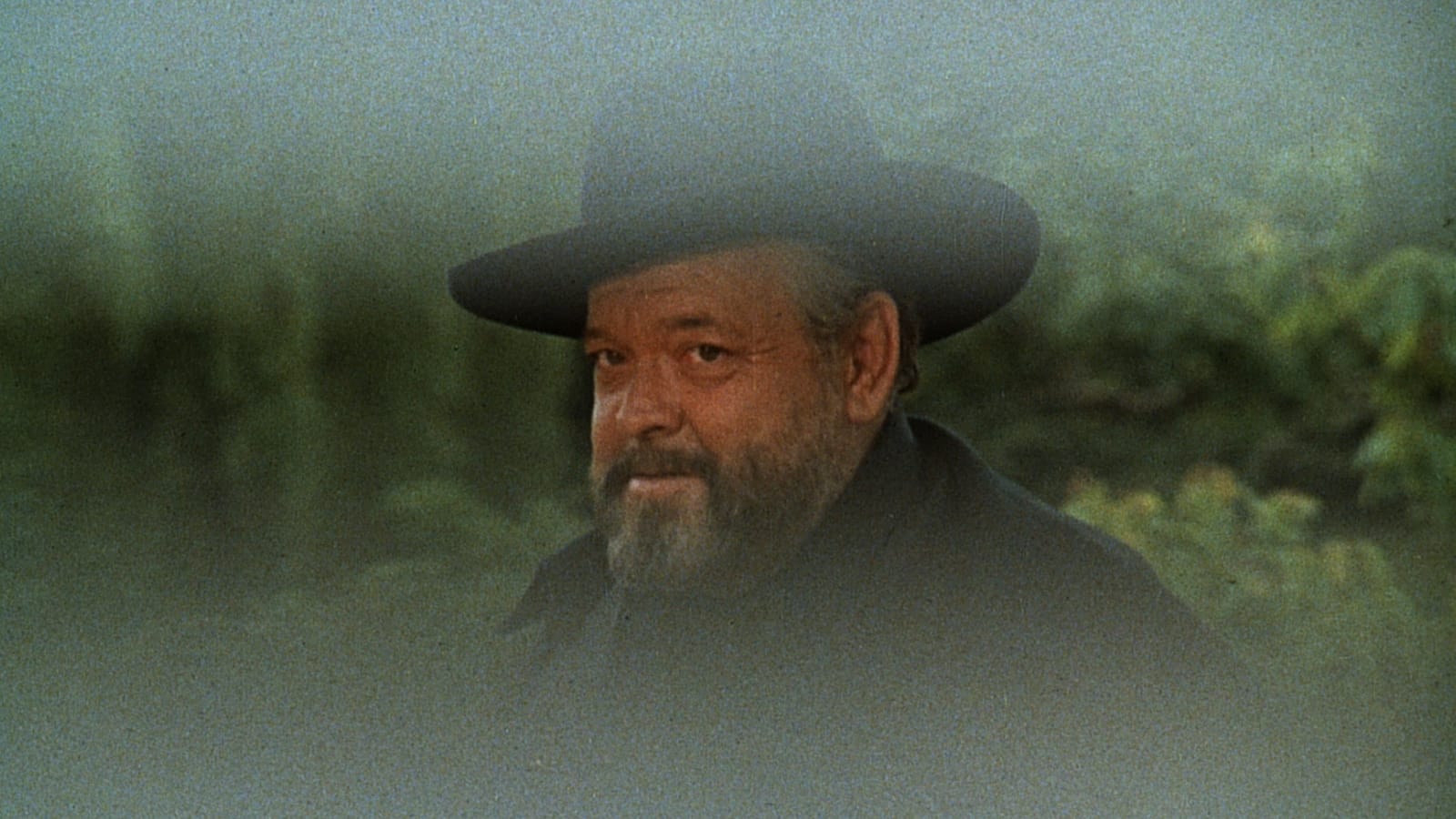
You enter the theater to be fooled and suspend your disbelief, creating a unique experience. (A magical one, you might say.) Filmmakers like Jean Cocteau and Orson Welles compared cinema, or the art of filmmaking, to magic. The camera is their device for creating deception and illusions, bending time and space into what Welles once described in an interview as “a ribbon of dreams.” Cocteau treated filmmaking like a stage illusion, while Welles did so like a card trick, or a sleight-of-hand maneuver, to materialize psychology and myth on the cinema screen. Each edit, camera movement, and image sustains the “magical lie” that each film hides within its story. We accept this construct of practical camera effects and maneuvers to explore real ideas and honest truths. This “lie” is not a con; it is a tricky illusion that their creator(s) reveal without manipulation.
As I mentioned before, there are many examples of films or pieces of art in general that use lies or deception as the crux of the story, the guiding deceitful voice that hides as it reveals concurrently. (In theater, there is “The Liar” from 1643, by Pierre Corneille; in paintings, “Truth Coming from the Well Armed with Her Whip to Chastise Humanity” from 1896, by Jean-Léon Gérôme.) However, there are two notable examples in cinema, one a classic masterpiece from 1973 and another recently released picture that has taken the cinema world by storm these past few weeks, that masterfully play with how much truth we can find within the many veils of facades the story removes and places back again: Orson Welles’ “F for Fake” and Nathan Fielder and Lance Oppenheim’s “You Can See Everything.”
By the titles of these films alone, let alone a brief description of their synopsis, you can tell that “lies” are at the center of the story each director wants to tell. A cinematic exercise in deception and deciphering the truth unfolds throughout both pictures. The viewer questions, ponders, and questions again the legitimacy and truthfulness of the subject and the director’s framing device–and whether there is any validity at all. Deception becomes a guide to exploring the shaky line between truth and lie, honesty and dishonesty. Each film shows how easily people can be influenced by what they choose to believe, whether it is the liar or the listener. Welles, Oppenheim, and Fielder question the theory that truth is straightforward, arguing that a lie can be more revealing.
“F for Fake”: “Behold, Before Your Very Eyes, a Transformation”
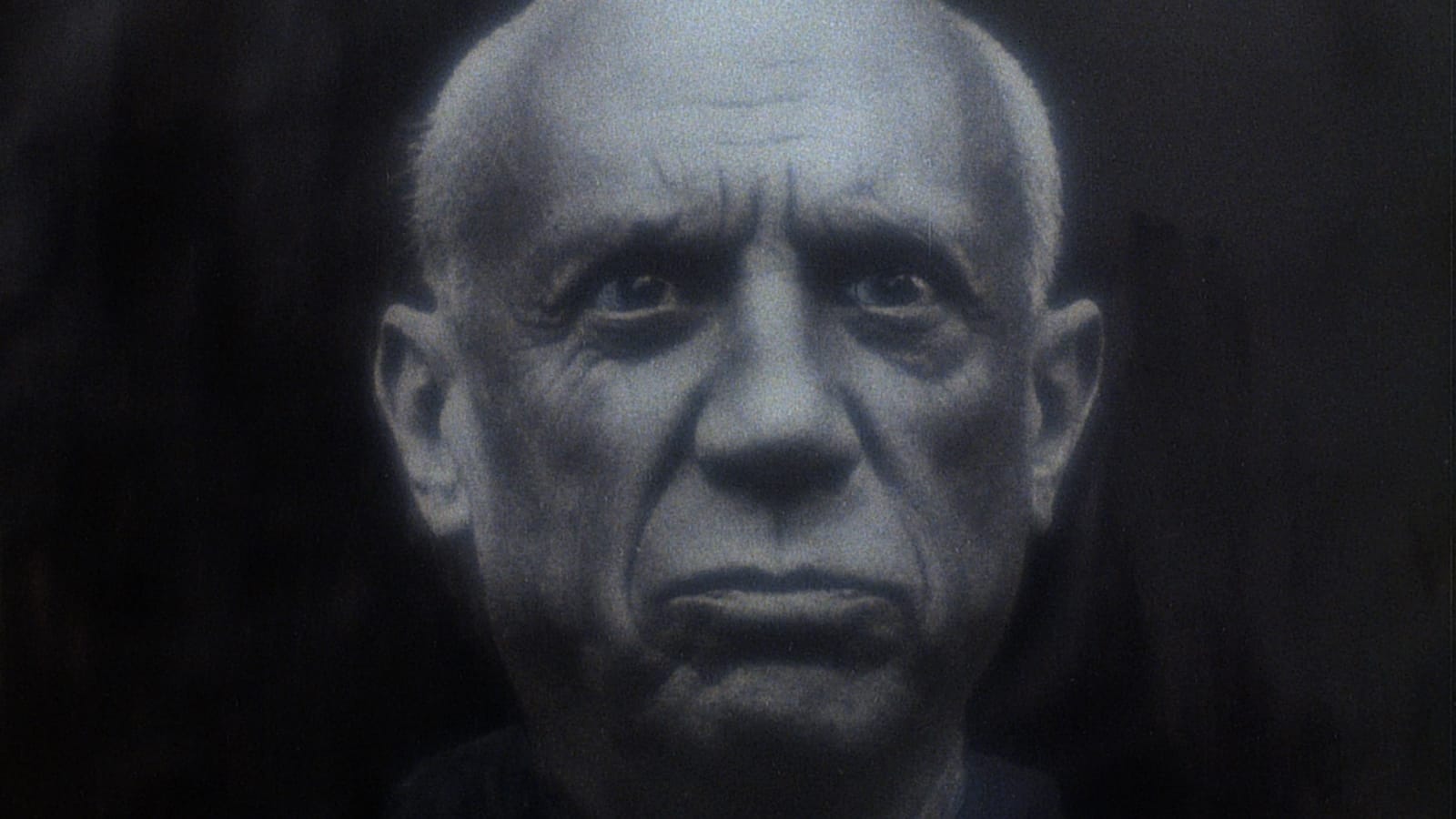
“F for Fake” opens with a quote that establishes Orson Welles’s relationship with, and the film’s with, illusion and deceit. The quote states that everything in the next hour is true and based on fact–no trickery or deception is involved in the statements being made. (That, of course, is somewhat of a lie, as Orson tricks you with his editing, wordplay, and imagery–as well as he describes himself as a charlatan.) He states: “Ladies and gentlemen, by way of introduction, this is a film about trickery–and fraud. About lies. Tell it by the fireside, in a marketplace, or in a movie. Almost any story is almost certainly some kind of lie. But not this time. No, this is a promise. During the next hour, everything you hear from us is really “true” and based on solid facts.”
With Orson saying those words, can we truly trust what he’s saying or what we are about to see? How can we measure credibility from a director who doubles as a magician, both literally and metaphorically? We venture forth and opt into his web-filled game, that is, if you want to know the truth. Whatever the case may be, we know that it is going to be fascinating. In “F for Fake,” Welles reengages with a long preoccupation he has had during his entire career. He ponders the line between illusion and truth, art and lies. For much of his career, whether in his own directed projects or other endeavors, such as his acting career or radio work, Welles has both deliberately and inadvertently explored those topics.
The first example that comes to mind is Welles’ radio broadcast of “The War of the Worlds” he narrated on October 30th, 1938. Some people actually believed there was a real alien attack because of sensationalized newspaper reporting and the broadcast’s format. In one of his last films, Welles embarks on an essayistic journey to expose the faker and his fakery, while also examining cinema’s duplicity and the artistry of deception in the medium. “F for Fake” starts as a deep dive into the lies of Elmyr de Hory and Clifford Irving. Who are they, you might ask? Elmyr was an art forger who made his name by selling forged classic works by painters like Picasso and Matisse.
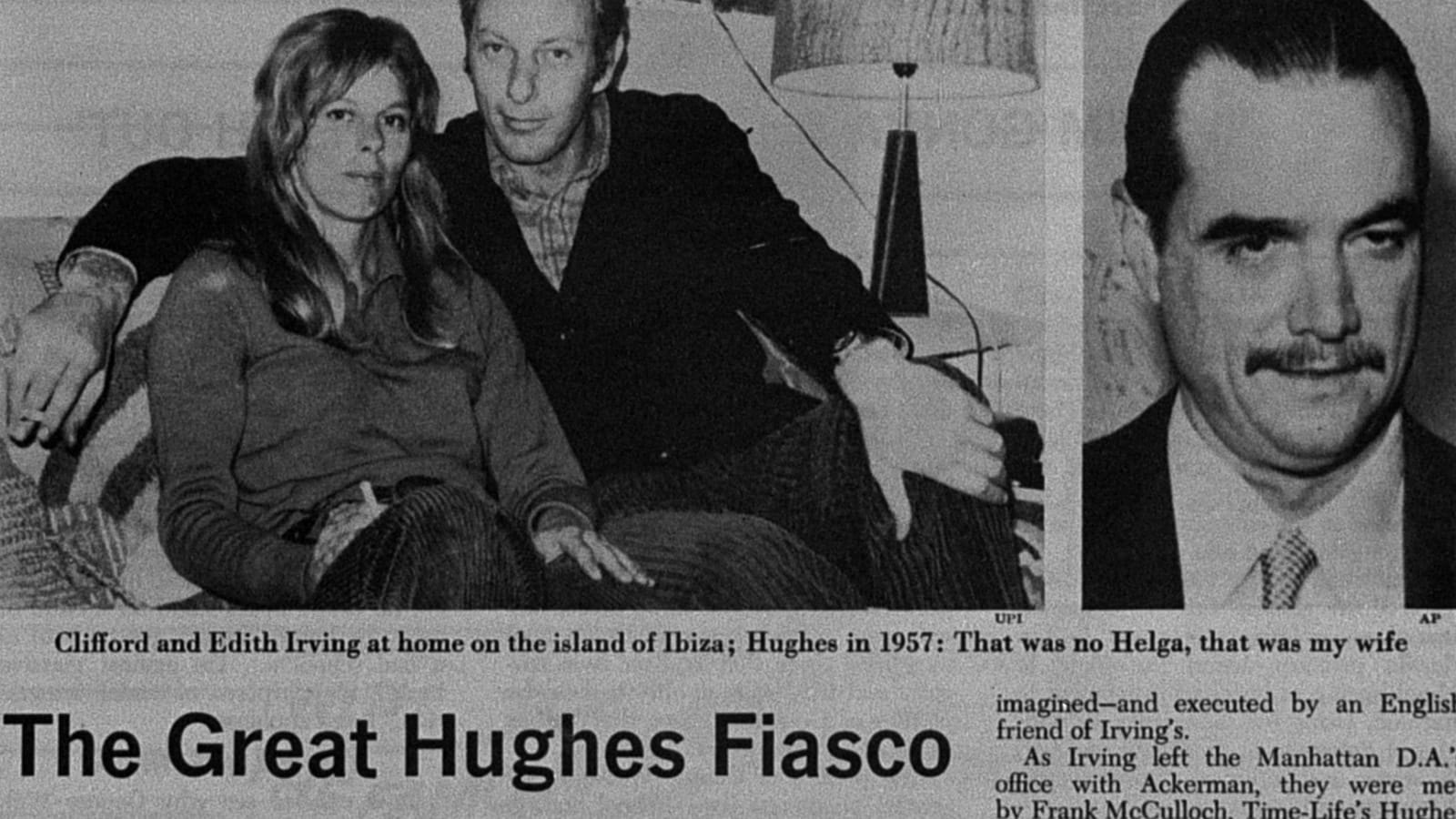
Irving became famous for “writing” an autobiography of Howard Hughes, winning awards left and right, crowning his achievement. However, his achievement was fake. He was infamously recognized as a liar and a plagiarist. Even Hughes himself had to record a voice transcript saying he didn’t even know who Irving was and that the book contained false remarks and anecdotes. With two people deemed fakers at the center of the documentary, Orson Welles questions the longevity and fundamental elements of these forgers’ fraudulent activities, both inside and outside the artistic realm. Why do they commit fraud at the expense of others? Is their art condemnable? Yes, it should be, yet their forgery requires such skill and panache that it can, to a certain degree, resemble artistry.
Welles treats Elmyr’s and Irving’s respective forgeries as a crime, highlighting that it is a sort of disrespect to the masters they are copying or writing for. However, he also views it as a truly legitimate, creative talent that mirrors his work as a filmmaker, particularly Elmyr’s theft. Elmyr’s paintings were so convincing that sometimes one of his works ended up in galleries and museums instead of the original he forged. This means that Elmyr did indeed have nearly the same talent and artistic grasp as those he copied. Even if it is fakery, to recreate an exact copy of one of Picasso’s paintings that nobody, not even experts, could notice is indeed something fascinating. A Picasso quote that Welles echoes in “F for Fake” is that “art is a lie that makes us realize the truth.”
As Welles states, professional liars hope to save truth. Well, what truth does Elmyr’s forgery serve? Welles confronts the idea that a signature is worth nothing if a forged piece provides the same impact and enjoyment as the original. As an example, Welles talks about the people who built the Chartres Cathedral in France. These people who shed blood, sweat, and tears didn’t leave a signature; most of their names are not attached to the building per se–the memory of them building has dispersed into the very walls of that cathedral. This beautiful and lavish monument to God and the willingness of man has plenty of significance and importance, both religiously and architecturally. However, the names attached to such have been lost to history, nameless hands and tainted impulses.
Welles opts for the idea that creativity and the urge to leave a mark transcend the realms of “real” and “fake.” He argues that what one creates by ingenuity and fecundity will stand the test of time, even if one does not etch a name onto a piece of work. Creators do works of art to leave a long-lasting statement and a mark on the medium. They love the art form so much that it urges them to create. The mere act of creating paves the way for leaving an impression, or “signature”, on the world. But sometimes it takes longer for that work to gain appreciation, whether a film or a cathedral. They become remnants or relics of the past, both the forgeries and the triumphs. But everything, as Welles beautifully ponders near the end, “must finally fall in war or wear away into the ultimate and universal ash”.
In that monologue, the film shines a light on Elmyr and Irving, stripping away their plagiaristic actions and offering a path to why they did so, with a sense of admiration and curiosity for artists of the past. The creative spirit is continuous. When Elmyr paints and Irving writes, they channel the ghosts of those who did before, every creator who ever held a brush or a typewriter. The true artistic achievement is the work, the completed piece, and not the name, which may hold weight, but ego can sink a work.
A signature is not worth more than an actual piece of art, and Welles uses the cathedral to prove that point. We all look at it with admiration, yet there are no signatures. We don’t care that there isn’t one because the artistry is immaculate. Of course, we would’ve loved to leave flowers for the creatures, but their names are pressed into its eternal beauty. The truth of art isn’t found in a name or signature. You can find it in the illusion, in the deception, and in how much it resonates with you, the viewer and admirer.

“You Can See Everything”: How Can You Believe a Scammer and Exploiter Under Duress?
“You Can See Everything” is also a documentary about a liar or fake, painted as both a criminal with a false heart and an empathetic mother who believes she did nothing wrong, much like Welles did with Elmyr and Irving–with intrigue, honesty, and her faults highlighted. Instead of a painter or writer, who were more relevant and prominent in the 1970s, Nathan Fielder and Lance Oppenheim place a tech businesswoman at the center: Elizabeth Holmes. She was convicted of fraud in 2018 in connection with her health-technology company, Theranos. Holmes and co-Owner Balwani were indicted for defrauding investors and patients and were sentenced to serve eleven years in prison, beginning in May, 2023. Holmes hid herself from the public eye and remained in the shadows with her children and partner, refusing to do in-person interviews or talk to the press about the case.
Thirty-four days before heading to prison, she left Fielder and Oppenheim in their humble hideout to film her, which would be her last free days. A bit strange that, out of anybody in the world, Holmes decided that Fielder and Oppenheim were the right people to document this part of her life. Fielder’s “shtick” is based on exposing the performative, structured facades of human interaction through oddball scenarios that slowly become satire and philosophical ruminations on society. Whether he is helping a local coffee shop by using copyright infringement laws to his advantage or revealing the right-wing surplus succumbing to a studio like Paramount, Fielder creates fake scenarios inside other fake scenarios to reveal how society functions under certain circumstances. However, the biggest faker is Nathan.
Fielder presents himself as flawed, awkward, and socially desperate. He wants viewers to see him as a vulnerable person people can use to their advantage, yet they fail to do so because Nathan is one step ahead. He views reality as a stage performance, following an unwritten script and hiding our true selves within the character we are forced to play. But will his revealing work on Holmes and give us a moment of honesty from a person known to be a scammer and liar? The same person who managed to get the backing of many politicians. The first half of “You Can See Everything” revolves mostly around Holmes, her partner Billy, and Fielder conversing about a myriad of topics as the prison sentence countdown comes closer. In each moment, you second-guess everything being said by Holmes and Billy.

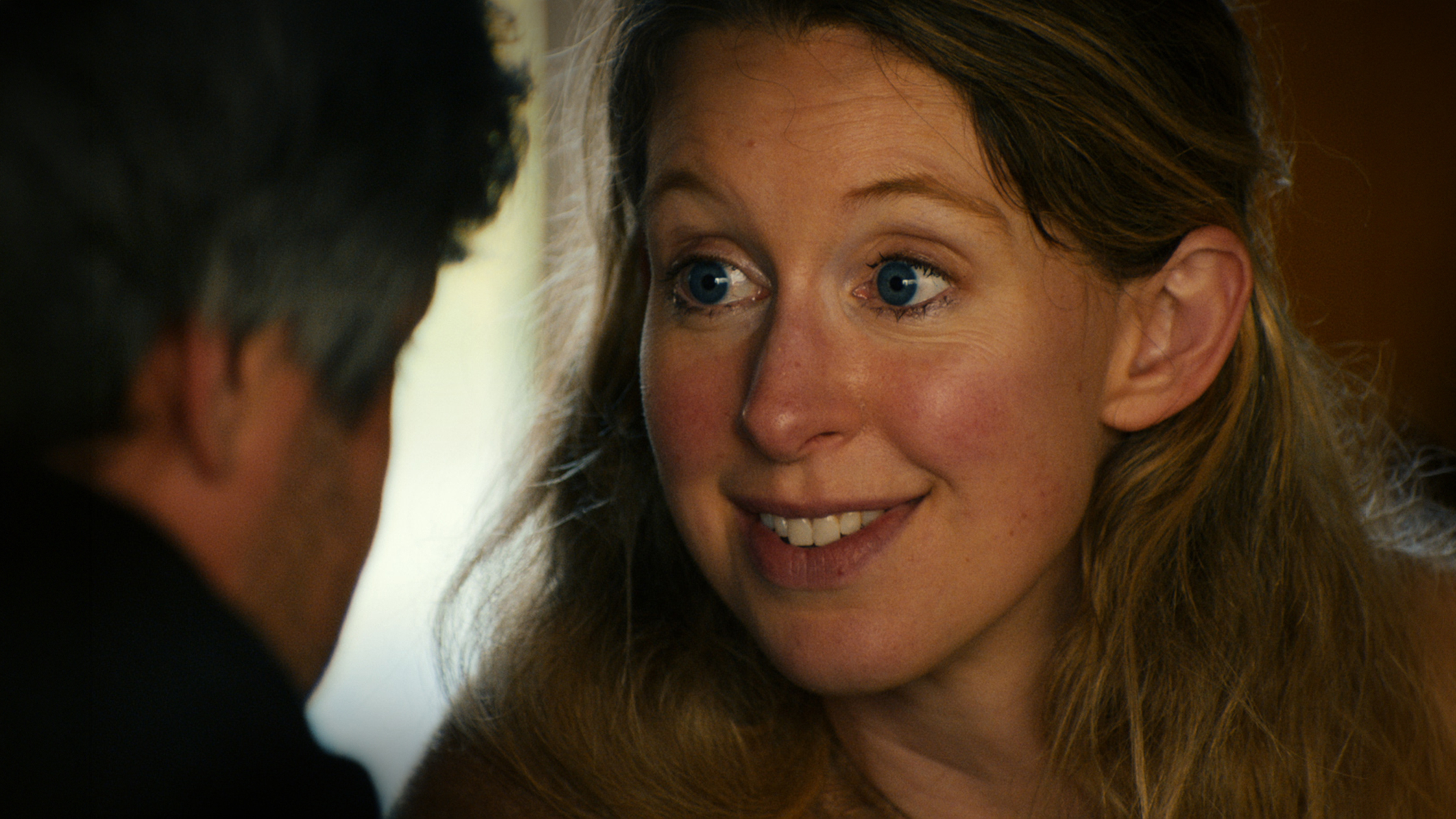
Holmes’ piercing blue eyes and unmoving expression reveal nothing. You don’t know whether she is being honest or just saying what people want to hear. Tears are shed, truths are revealed, and the past is uncovered, yet everything that Holmes and Billy say might be false, true, or somewhere in between. The camera is up close to the subjects and our guide, unable to let them escape the scenarios Fielder is slowly trying to get a hold of, if they want to or can, but they never seem afraid to say their statements out loud, whether that be the plotting of a Theranos 2.0.–which adds plenty of deceitful layers to every conversation; an instrument that defrauded many being resurrected right before our very eyes–or what they feel about the show “The Dropout”–a show that exploited Holmes and painted her as a caricature.
These two topics reveal plenty about Holmes. Their willingness to entertain repeating the very fraud that destroyed her life suggests Holmes may have learned little from her previous mistakes; the other side of the coin may be that she believes she did nothing wrong and truly wants to help people. Her resentment toward “The Dropout” and Amanda Seyfried’s performance raises questions about how she perceives her own story. Does she want to control the narrative and manipulate the public once again? Or is she genuinely seeking to reclaim her identity? Deception is the foundation of how “You Can See Everything” operates. There are always two–maybe three or four–sides to everything we are seeing. In the second half of the film, two years have passed since Elizabeth has been in prison, and Nathan is curiously wondering how she’s doing.
Nathan contacts Elizabeth and tries to reach her through Billy, who’s been running rampant since her departure. From following right-wing influencers and politicians to managing Holmes’ social media accounts, tweeting and posting things that sound more like him than Holmes, Billy has taken control of her name and image to paint a portrait that completely exploits her. The film presents this through his ignorance about the use of her A.I. model and whether people would create pornography with it. Meanwhile, Fielder contacts actress Amanda Seyfried, who played Holmes in “The Dropout” series, which Holmes criticized earlier in the documentary, to get her perspective on the footage he has shot so far. Seyfried watches closely; she mentions that there’s an itch that only revisiting this persona, albeit a false one, could scratch.
As she visits the house in which Holmes hid herself from the public, Fielder begins to play with the audience and the documentary medium as well, by having the two recreate scenes that we’ve already seen, but with a different perspective–one that reevaluates how scenarios played out for the parties involved (Holmes, Billy, and Fielder). It is a brilliant move that makes “You Can See Everything” more than an evaluation and exploration of a tech businesswoman who scammed hundreds with a faulty product. Fielder uses the methods he implemented in his series “The Rehearsal” and “Nathan For You” to give us updates on how Elizabeth is doing when she can’t be present. Fielder creates a scenario from a scenario, replicating a scene we have just seen or couldn’t see because of legal issues. However, Seyfried comes off poorly in this process.
We don’t know how empathetic or truthful she is during this artistic process because her initial motivation was a selfish actress-itch. Even when she hears that Holmes criticized the show and her performance for being a caricature, Seyfried continues the performance and keeps imitating. This becomes yet another layer of the documentary’s play between truth and lies. She’s hurt when questioned about her abilities as an actress and the exploitation that she shows basking in. So, when does this performance turn into deception? Does she reflect her anger towards the subject during her performance? Some moments demonstrate both. And continues the endless cycle of the documentary’s vortex of deception. But a question remains: How legitimate can Fielder and Seyfried’s scenarios be? Is Fielder hiding something in the process?
These moments—particularly those we haven’t seen but that are recreations—are based on memory, with the details held by only one person: Nathan Fielder. Sometimes, memory can fail, and, in Nathan’s case, empathy can grow through difficult moments. Throughout the documentary, we see that Fielder begins to care more and more about Elizabeth, and whether she is safe in prison and if she’s ok with what Billy is doing to not only her image, but also her agency–being controlling of every aspect of her life while she’s in prison with no contact with the outside world except her partner.
Before, we couldn’t trust what Holmes was saying, but is Nathan now a trustworthy guide for the audience? Or is he deceiving the viewer by hiding minute yet important details? The last shot where he appears, swimming in the ocean alongside Elizabeth, answers the question. There are many things hidden in “You Can See Everything,” which contradicts its title yet gives it power.
“F is for Fake” is currently showing on the Criterion Channel. You can watch “You Can See Everything” on streaming starting November 24th, 2026.

