


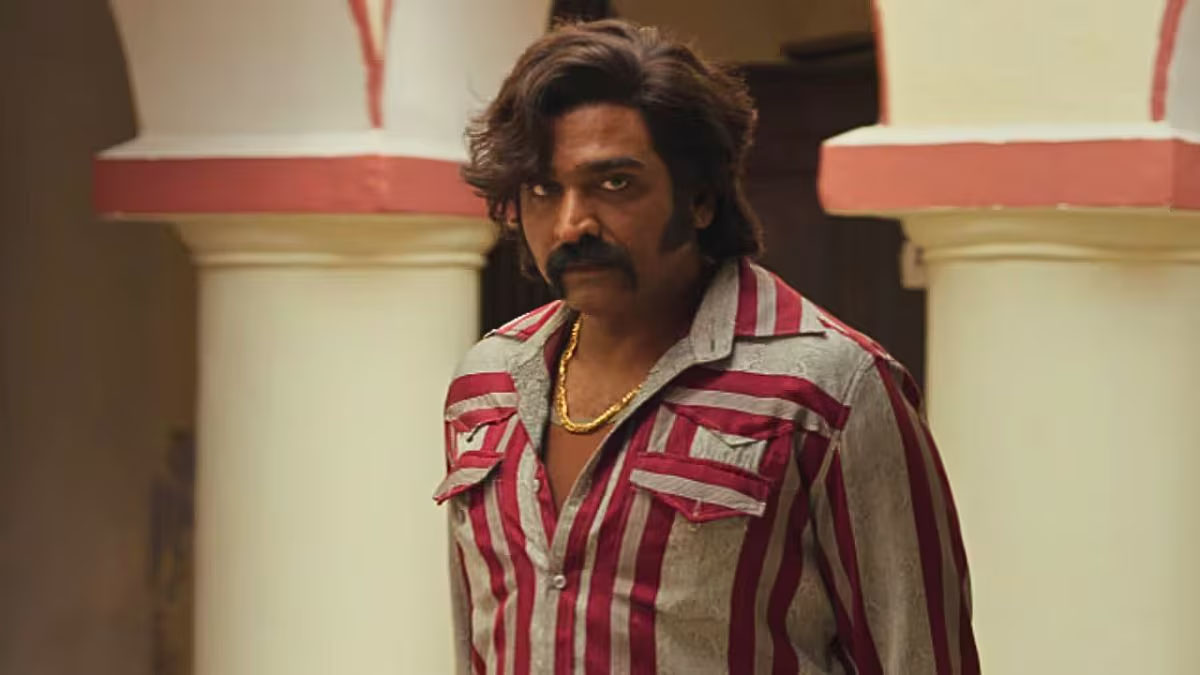
“Baththa” derives its title from the nickname of local goon Baththavachalam (Vijay Sethupathi) who runs a moonshine business and is feared by grownups and kids alike. He mostly gains notoriety by singlehandedly beating up his rivals in public view. However, he learns the hard way that actions have consequences after a frightened schoolboy named Sabari (Sai Prithviraj) locks him up in the school washroom over the long summer break. This kickstarts Baththa’s retrospective journey…
“Baththa” is a quintessential Balaji Tharaneetharan outing. The director, best known for the time loop comedy “Naduvula Konjam Pakkatha Kaanom” (or “NKPK”) plants the seeds earlier on. The movie is brimming with callbacks, linking a throwaway joke and recurring gags in the grander scheme of themes, in a similar fashion to his brand of humour in the equally witty “NKPK.” Setups such as the opening scene of the World’s Strongest Door being hand-carved by the finest carpenters pays off brilliantly. Eventually the same wooden door that won’t budge shapes up to be Baththa‘s Achilles heel, humbling him and hindering him from an easy escape. Tharaneetharan also pays a fond homage to a meet-cute scene from his friend and fellow filmmaker C. Prem Kumar’s romantic drama “96,” as Kumar previously served as the cinematographer for “NKPK” with the main character also based on an anecdote from his personal life.
A Criminal Realizing the Folly of His Ways
While still retaining its silliness and ridiculous moments, “Baththa” also gradually develops into a sincere commentary on its morally flawed titular character grappling with insecurities and escaping from fears or traumas. This is particularly true as viewers gain insight into his “Mega Mind”-esque villain origin story and a brutish attitude stemming from unaddressed Complex PTSD.
This organic character development lends nuance to a misunderstood criminal who never meant to go down such an unprincipled path; he ultimately realises the folly of his ways, which have not only rendered him menacing in the eyes of his competitors but his own family, too. Baththa’s coming-of-age also runs parallel to his daughter, Thenu’s (Sahasra Sree) ‘Manjal Neerattu Vizha’ (a ritual similar to a Latino quinceañera). As his daughter blossoms into a young woman, Baththa gains maturity and devises a method to heal his inner child, simultaneously apologizing to those he’s wronged. While the movie’s first half plays out much like “Oldboy” with Baththa boxed into a space like Dae Su, its wholesome ending on the contrary serves up “Little Miss Sunshine” vibes.
Highlights Humanity Amidst Hopelessness
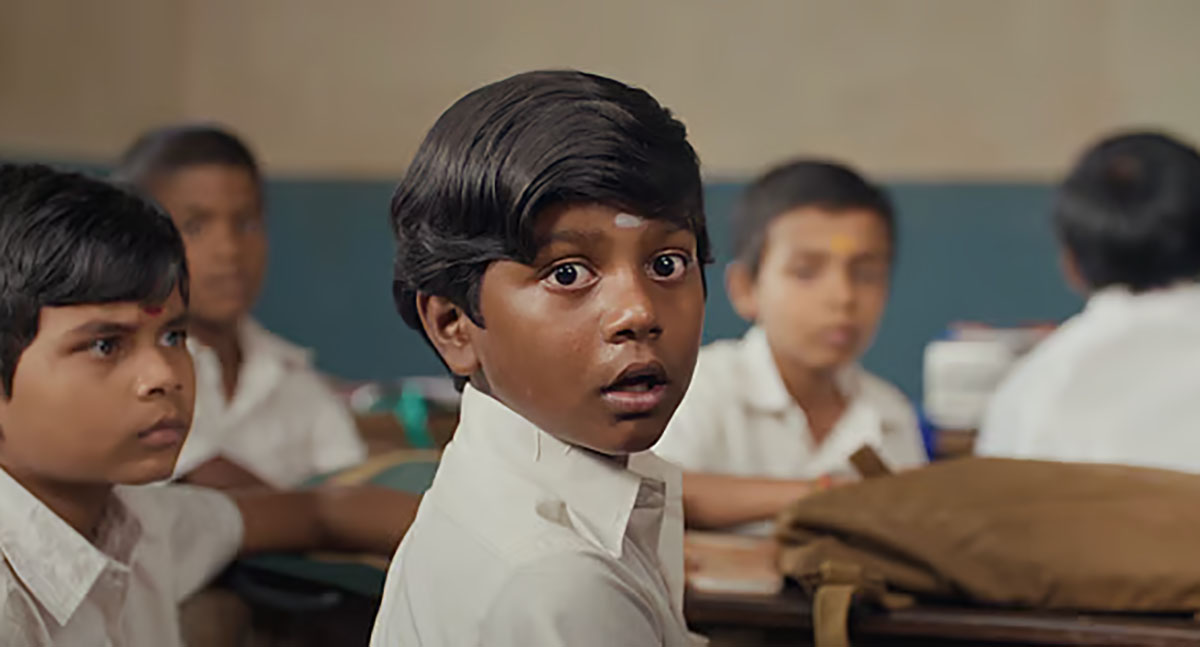
There are several instances of this. For instance, Baththa‘s young captor, Sabri, feeds him powdered rusk to keep him from starving to death. And later, Baththa inadvertently returns the favour by inviting Sabari to dinner with his family, feeding him by hand. These are not only clever storytelling tools but enhance “Baththa’s” endearing tone. In more ways, food transforms Baththa’s character arc. At the beginning, he’s unappreciative of his wife’s cooking, flinging away a plate she lovingly prepared for him. However, after his week-long captivity—mainly surviving on dry rusk—he emerges a changed man who doesn’t fuss over her homemade tomato chutney. “Baththa” also highlights humanity amidst a hopeless situation. As Baththa is missing, we see a scene where neighbourhood women gather at his house in a show of solidarity towards his grieving wife and daughter, despite Bathta being a terror who had bullied their husbands in the past.
The film also uses its animated sequences well, playing a pivotal role in portraying the young Sabri’s gullibility upon hearing tales of Baththa’s feats from his classmates. These include Baththa owning a (fictitious) pet lion, his prison escapades, and his superhuman strength that would put the Hulk to shame.
It is a refreshing change to watch Vijay Sethupathi don the colourful garb of a comical thug with a heart of gold again after playing similar roles in early works such as “Soodhu Kavum” and “Kadhalum Kadandhu Pogum,” as well as star in more light-hearted fare after the disturbing revenge thriller “Maharaja.” The role of Baththa allows the versatile actor to let down his period accurate swoopy hairdo straight out of the ’80s, and he infuses the gruff but likable Baththa with charisma galore. Thus, one gravitates towards this character rather than running away from him like Sabari.
A Heartwarming Film
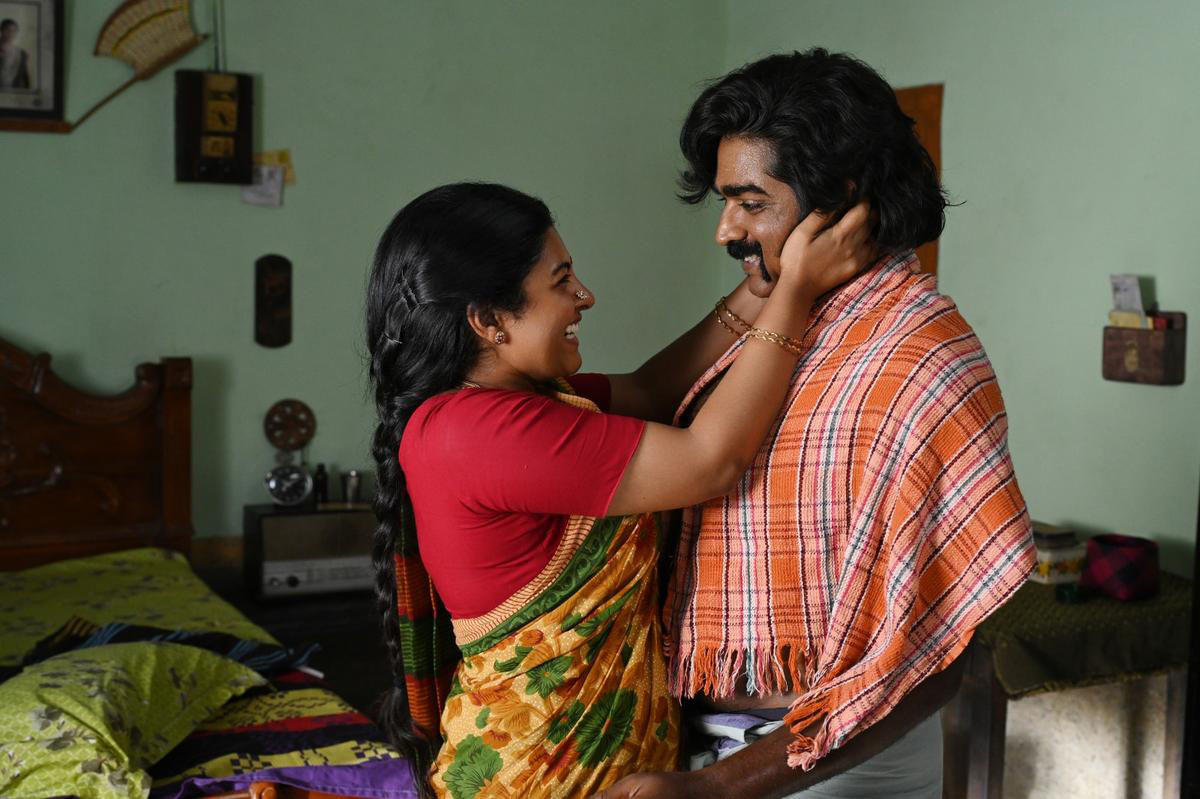
And the film has more. A scene of a reformed Baththa breaking down in his wife Kannima’s arms had me wiping away tears. Lijomol Jose is commendable as Kannima, a spouse who isn’t too forgiving of Baththa’s humiliating behaviour. Her pushbacks and retorts during their arguments allude to the character wielding some agency in the relationship. As Sabari, newcomer Sai Prithviraj left an impression too. Hari Krishnan plays Sabari’s father Thirunavukarasu, and despite the brevity of the role, the family man proves to be an effective parallel to the short-tempered Baththa. He’s more of a pacifist, even when aggravated by a coworker.
In a movie where music is the ultimate peace offering, Sai Abhyankkar’s compositions such as the soulful “Magale” and fast-paced “Ooroda Oththa Don” are memorable. The set design elevates its retro ambiance too. Full of whimsy, humour, humane moments, “Baththa” is guaranteed to heal your inner child.
“Baththa” is currently available to stream on Netflix.

.
