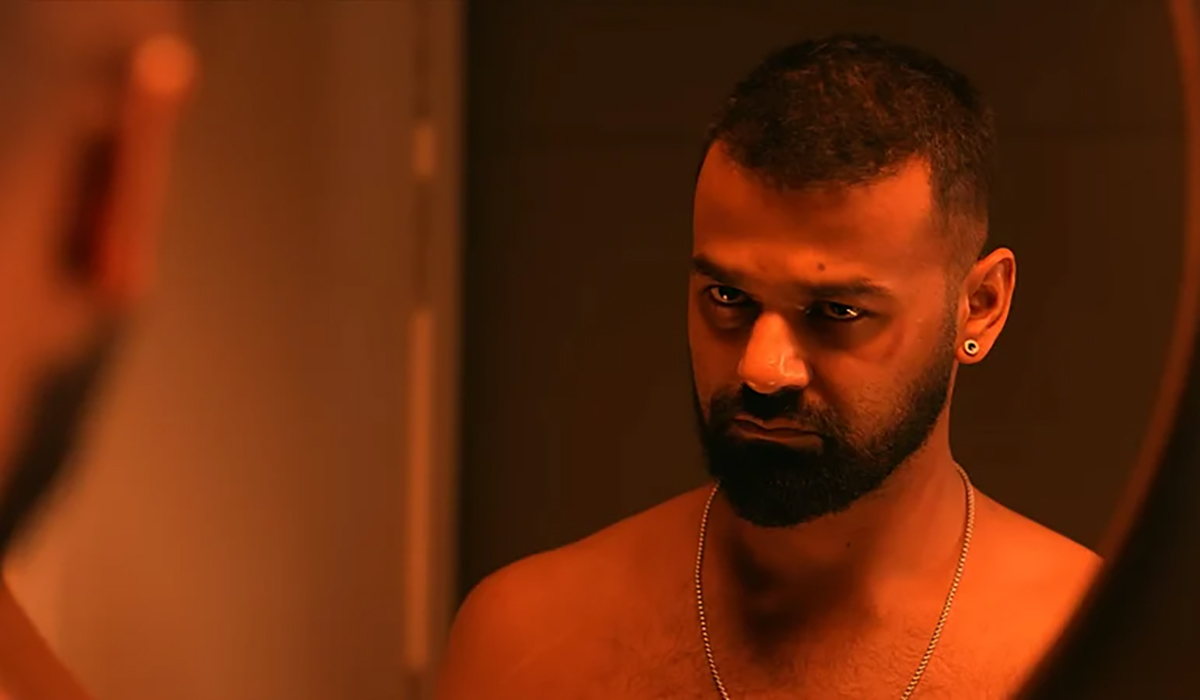
“Diés Iraé” is Rahul Sadasivan’s third horror outing after the critically and commercially acclaimed “Bhoothakaalam” and “Bramayugam“—the latter of which recently made history as the first Indian movie to be selected for a screening by the Academy Museum of Motion Pictures. The film evolves around the haunting of Rohan (Pranav Mohanlal), an architect who begins experiencing supernatural phenomena in his home after attending the funeral of his ex-lover Kani (Sushmita Bhat).
While Sadasivan has proven himself to be an auteur in the genre, with previous works setting benchmarks in the Malayalam film industry for modern horror and also defying conventions, he struggles to keep up the momentum in “Diés Iraé.” The film often moves at a brisk pace that doesn’t afford the characters and storyline any space to breathe. It also surprisingly veers into formulaic territory, and the stakes aren’t high or upped either as the plot progresses.
Heavy Themes Fail to Connect
“Diés Iraé” includes heavy themes, such as as suicide, mental health, and mourning, with instances of how each generation grieves differently (the older members of Kani’s family are inconsolable, while her younger sibling Kiran acts indifferent and distracts himself with his smartphone). However, the film doesn’t spark enough discourse on these themes, as had “Bhoothakaalam” before it. The tropes also overshadow any profound messages Sadasivan wishes to convey, resulting in a sense of superficiality. Further, one also doesn’t connect on an emotional level with any of the characters.
Still, “Diés Iraé” features enough ingredients for a passable, if not altogether great horror. The atmospheric world-building—a trademark of Sadasivan’s filmography—carries the paper-thin writing and the film benefits from keeping the entities well-hidden/invisible to the naked eye till the final reveal. While one wouldn’t expect minimalistic architecture and crisp bed linen to be remotely creepy, especially in the daytime, Sadasivan’s effective use of empty space and the sound design by Jayadevan Chakkadath proves otherwise.
Tied to the ‘Bramayugam’ Horror-verse
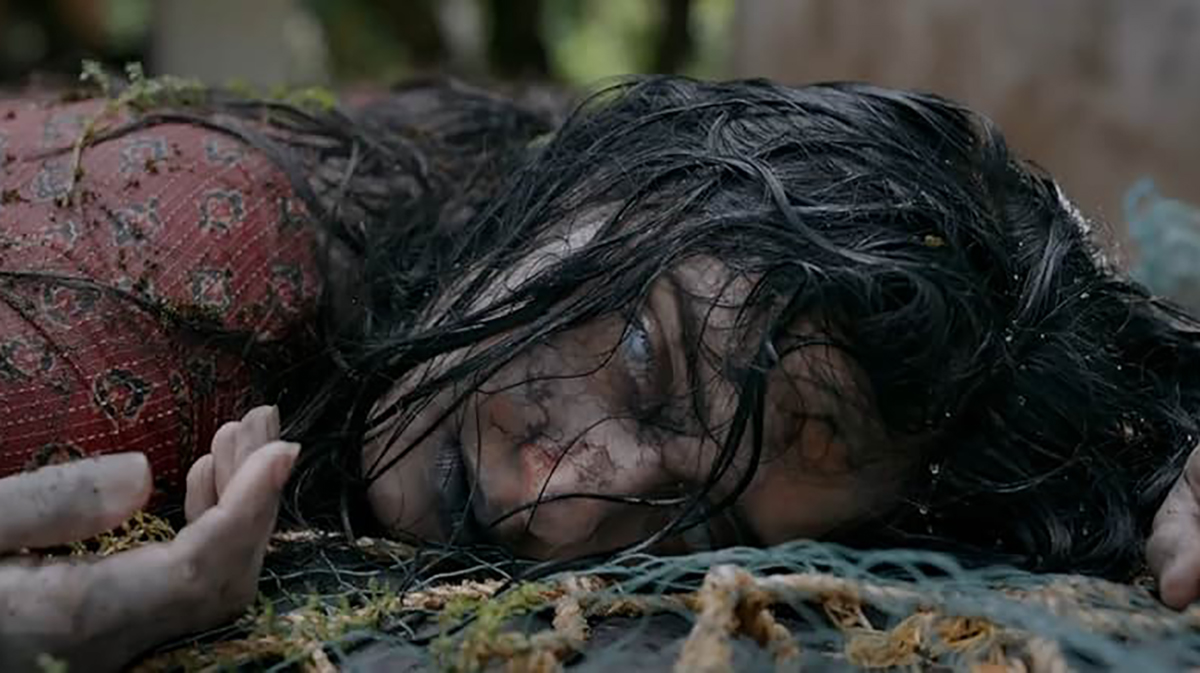
Simultaneously, the film’s setting also mirrors the loneliness of the main character. The presence of a protective female spectre—as well as the use of the red colour palette and misdirection—feels reminiscent to works such as “Eeram” and “Pissasu.” Both of these tread familiar twisted territory, albeit in a more complex fashion. “Diés Iraé” also boasts a fair share of chilling sequences and visuals such as Rohan clicking a hair clip he swiped from the deceased Kani’s room, in sync with the ominous flicker of the ceiling lights. We also see an unsettling close-up of Kani’s body in a rigor mortis state with her pale grey eyes staring right into one’s soul. The doorway shots which are a common sighting in Sadasivan’s works; we see Rohan almost fatally choking to death (drowning) in his own saliva quite early on in the movie.
For fans of “Bramayugam,” the movie also ties in to the same ‘Horror-verse’, with Rohan enlisting the help of Kani’s neighbour Madhu (Gibin Gopinath), who hails from a long lineage of exorcists, i.e. the Potti clan.
May Still Please Fans of Sadasivan’s Work
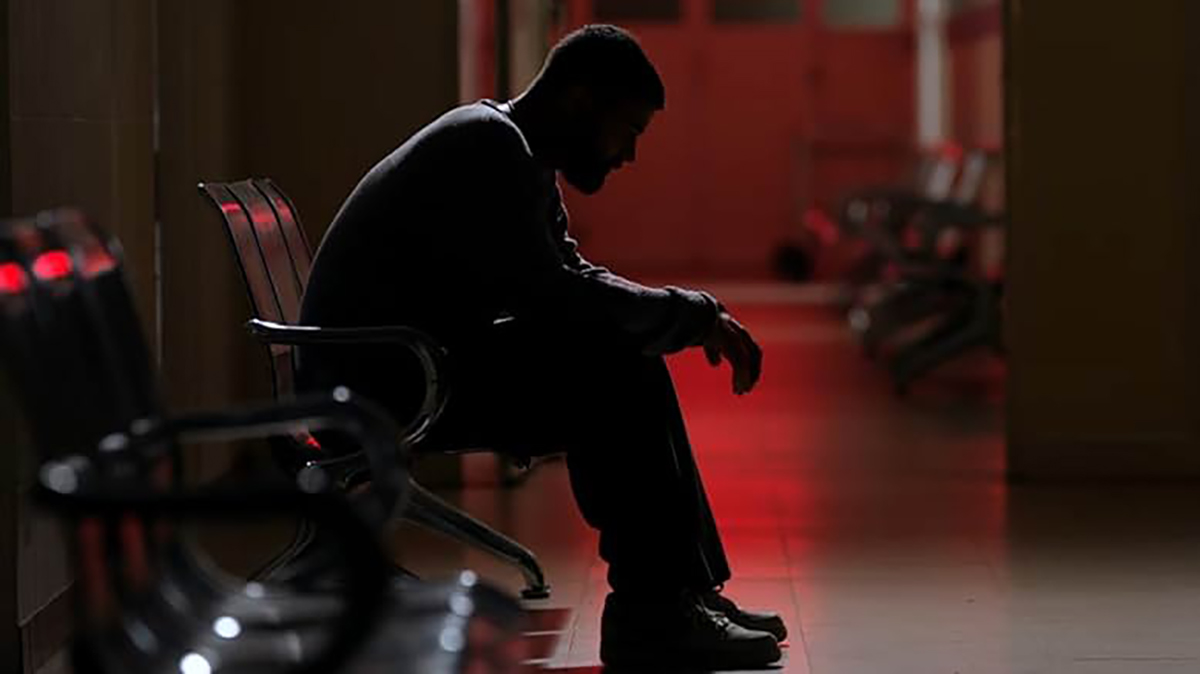
Like his father, the notable veteran thespian Mohanlal, Pranav Mohanlal masterfully conveys the melancholia of Rohan via his eyes, even if his performance is hampered by limited characterisation. Gibin Gopinath, Arun Ajikumar (as Kiran), and Jaya Kurup (as Kani’s house help Elsamma) are good in their supporting roles too.
Ultimately, “Diés Iraé” is one of those rare instances when a Rahul Sadasivan directorial just didn’t impress me much or rattle me to my core. If anything, it felt like a watered-down version of “Bhoothakaalam.” While it occasionally emulates its more nuanced predecessor, as a stand-alone movie it’s an underwhelming offering. It especially hurts from a visionary filmmaker who is capable of far better outside-the-box storytelling and stories.
“Diés Iraé” is streaming on Jio Hotstar,