


Book versus Movie is a debate that will rage as long as both forms of storytelling are around. And there may be no bigger conflict than “The Shining.”
The novel, written by Stephen King in 1977, is one of my favorite books. The 1980 film, directed by Stanley Kubrick, is one of my favorite movies. King’s dislike and verbal assaults on Kubrick and his vision of the source material is one of mythical lore.
A made-for-TV miniseries written and coerced by King himself was intended as the definitive solution. “The Shining” aired on ABC in the spring of 1997. Like his other ABC series “IT,” “The Shining” was a ratings success with viewers and critics alike. It won two Primetime Emmy’s but has since gone astray with the horror community who overwhelmingly favor the Kubrick version.
The three-part production was directed by horror veteran Mick Garris. Stephen King wrote the screenplay, and by all accounts was present and hands-on for all the filming.
The Shining
I’ve read the novel and watched the original film multiple times. I love podcasts and video essays dissecting and analyzing both, so I consider myself an expert on the topic.
While King’s criticisms of the Kubrick film tend to be embellished, as a writer, I can understand the vitriol. You create a book. Someone else tweaks it a bit and makes a movie that is widely more popular than your book. Eventually, the title itself becomes more associated with Stanley Kubrick. Years and years of critics praise the film, consistently advising that it is unlike the source material.
I doubt any have read the novel, since there isn’t that much of a difference. Alas, that’s a debate better settled in person over a pint or two. Here. I’ll just offer a review of the miniseries and assume the reader has seen the original film.
Plot
Jack Torrance has accepted a job as the winter caretaker of the Overlook Hotel. The historic resort is nestled away amidst the mountains of Colorado. Jack, his wife Wendy, and young son Danny will be staying at the Overlook over the winter months, confined to the property once the snow falls.
Sounds simple. Except of course the hotel is haunted. And Danny has a strange telepathic power allowing him to communicate mentally with the living and the dead. And the hot-tempered Jack is a recovering alcoholic, one misstep away from a total breakdown.
Cast Comparison
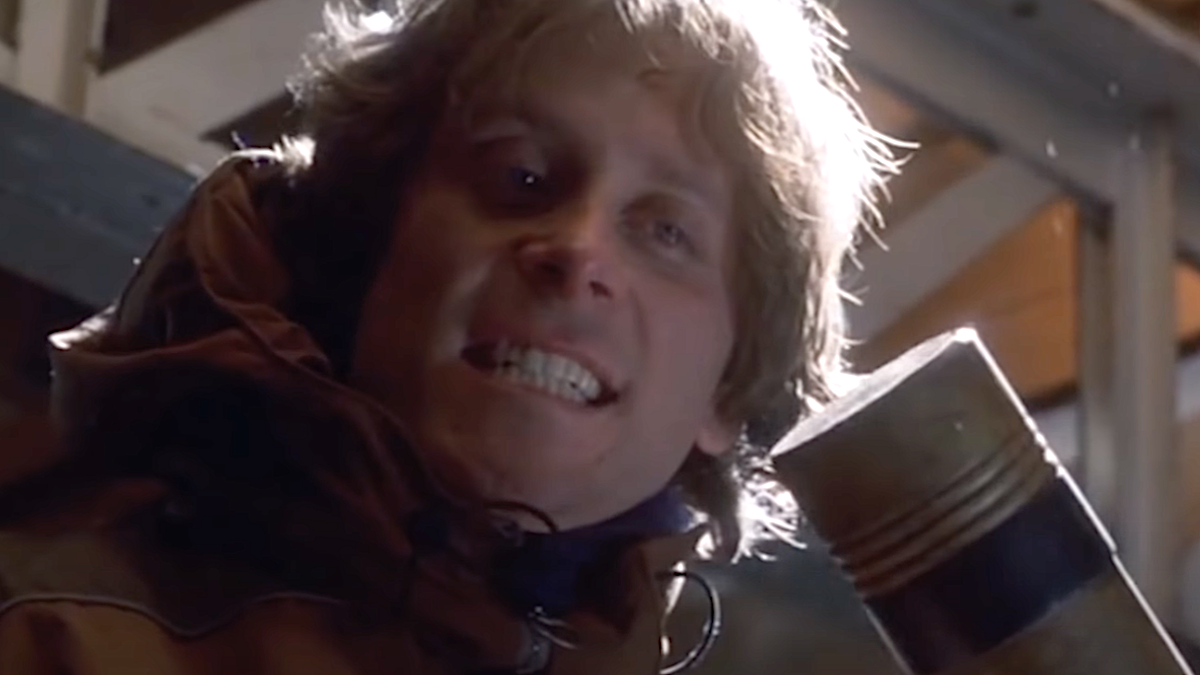
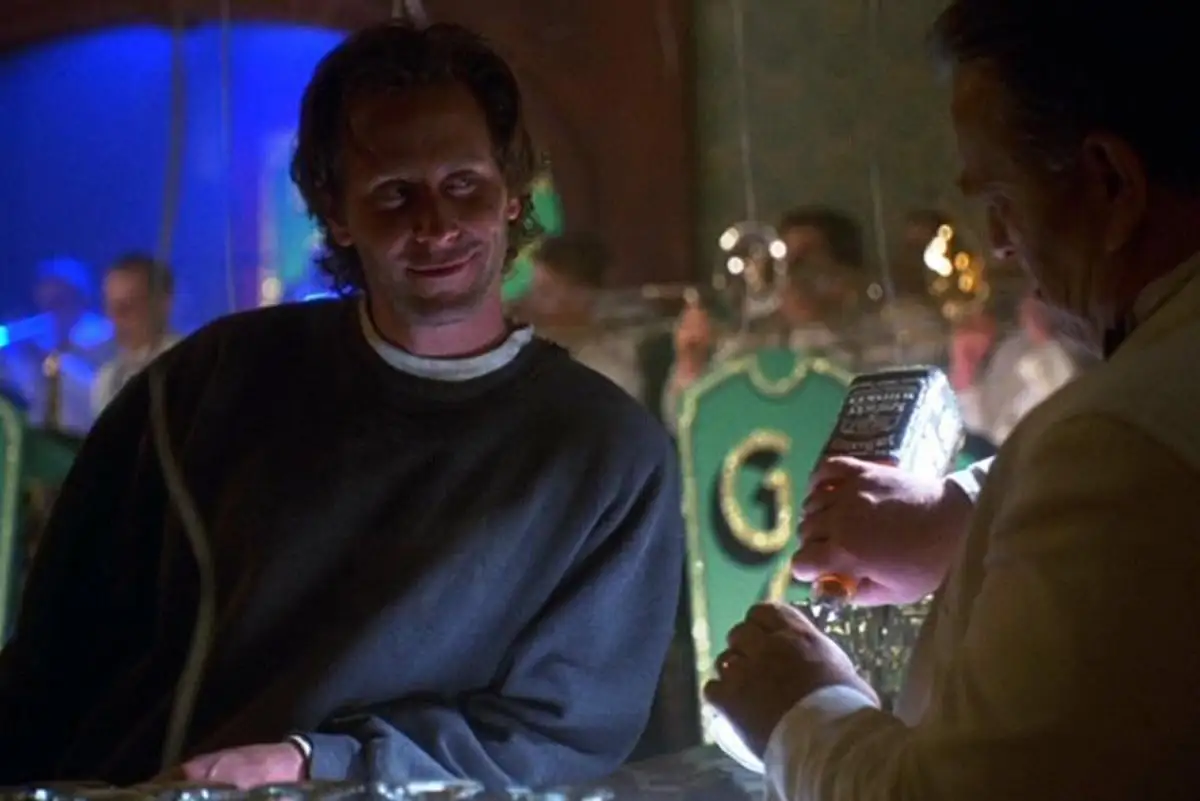
Jack Torrance was brought to life by Jack Nicholson in what may be the actor’s most iconic performance. For the miniseries, Steven Weber takes the role. Weber is most known for the ’90s sitcom Wings, though his resume covers hundreds of movies, TV shows, and theater credits. Weber has also lent his talents to audiobooks, including a masterful performance with the King book IT.
Steven Weber is not Jack Nicholson, but he delivers a fine effort with the Jack Torrance character. Here, he’s more sympathetic as is the case with the book. His dissent into madness is more drawn out, and Weber is passable as a normal guy driven to madness by his environment. Plus, I just really like Steven Weber for some reason. He seems like a genuine nice guy off screen, so he gets points for that.
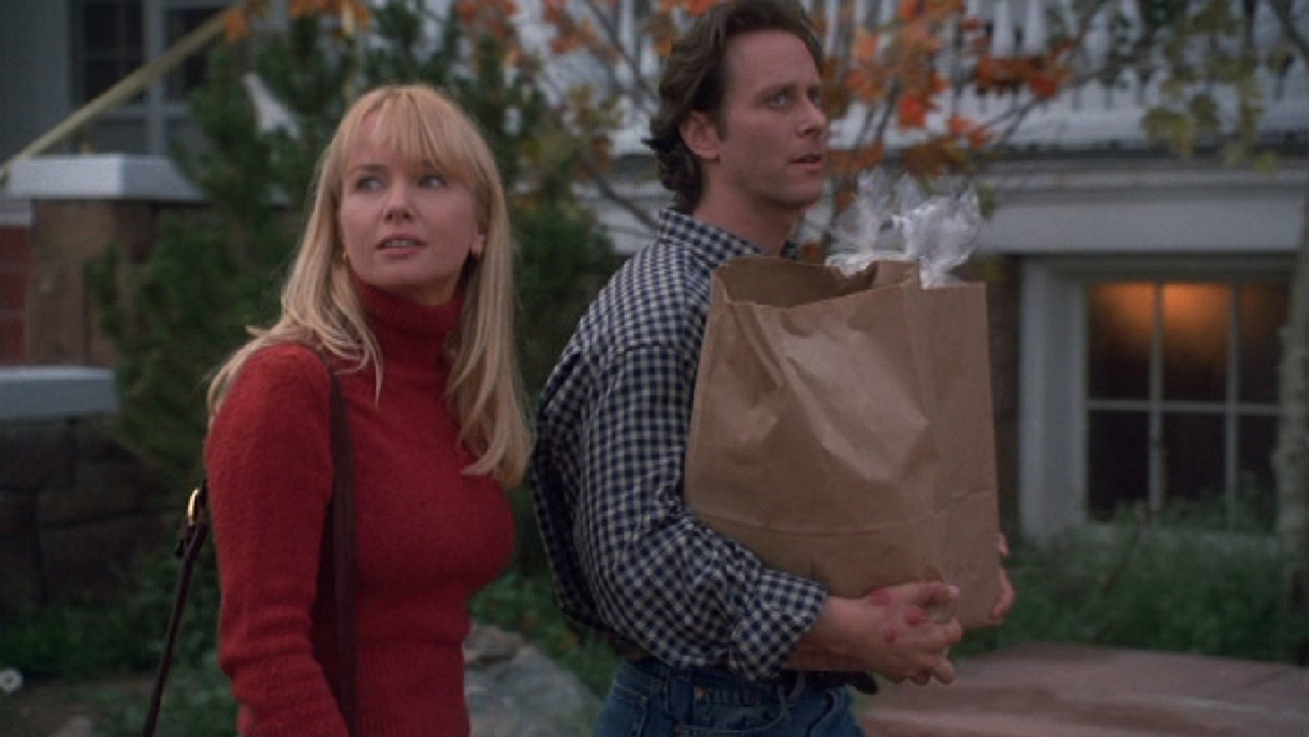
Rebecca De Mornay co-stars as Wendy Torrance. De Mornay was a megastar in film at the time and is actually top billed here above Weber. De Mornay’s version of Wendy is the opposite of Shelley Duvall. She has a stronger personality, in line with the character from the book.
De Mornay is also physically different, possessing the look of a classic beauty with long blonde hair, running around the Overlook in tight Levi’s and high-heeled boots. I love Duvall’s performance in the original. De Mornay is okay, but a bit wooden at times, having a more difficult time translating words from the page to the screen.
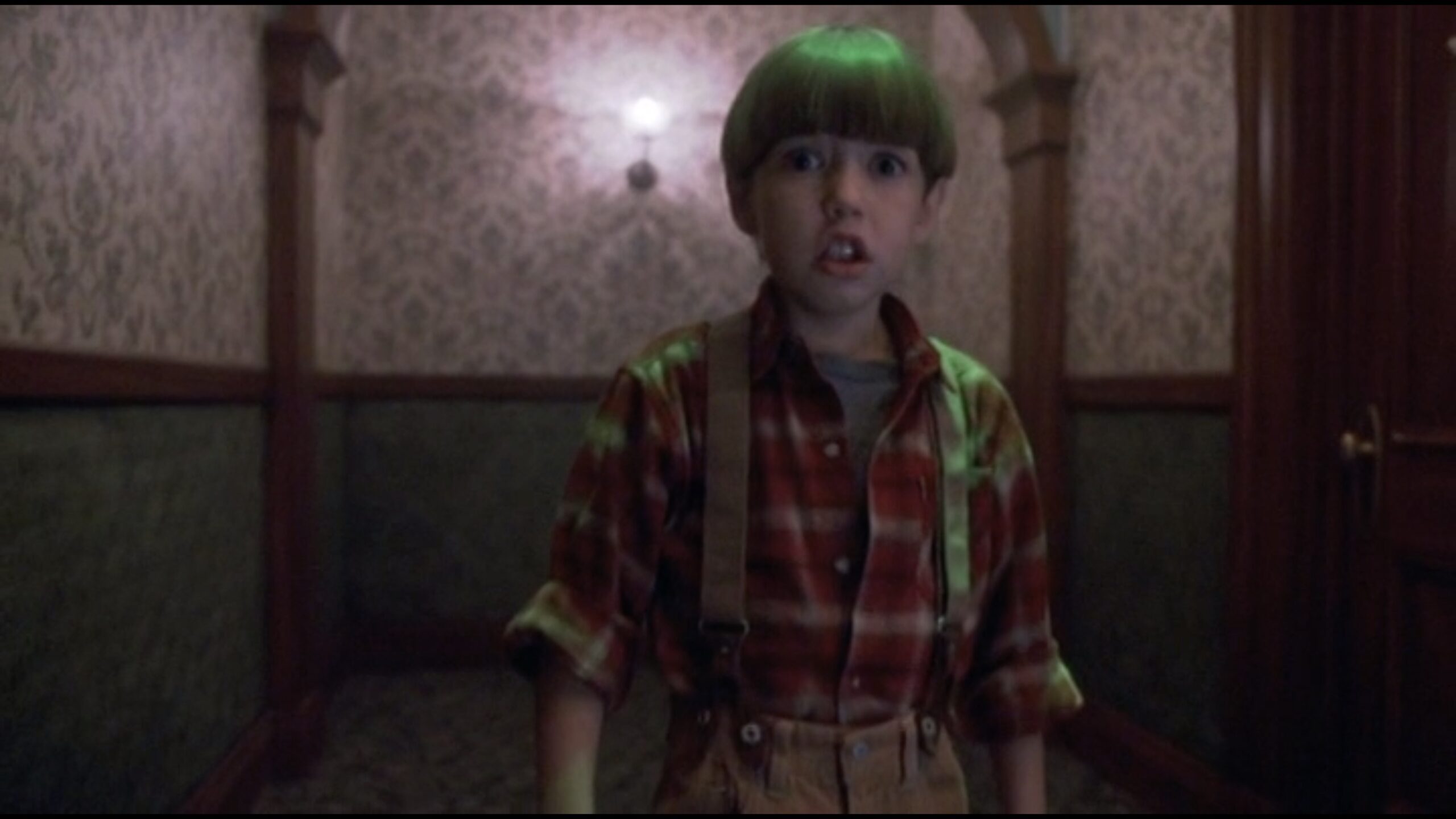
Danny Lloyd was flawless as Danny Torrance. Courtland Mead is a professional child actor who comes off as overly rehearsed. At times it’s the result of the dialogue, at others it’s the fault of Mead’s performance. Same for Melvin Van Peebles, who plays Dick Hallorann but can’t hold a candle to Scatman Crothers.
I loved Pat Hingle in the small role of Pete Watson, the Overlook custodian. Hingle is a recognizable character actor who shows Jack around at the beginning. My boy Elliott Gould plays the manager, Stuart Ullman. Both characters are fine in a handful of minutes on screen. I found the opening here to be a little more believable than in the original film.
The Production
The typical pitfalls with turning a book into a movie is finding a way to transfer a reader’s imagination to what a viewer sees. Stanley Kubrick did a masterful job of taking the primary elements of the novel and making a cohesive film out of it that works.
“The Shining” miniseries attempts to stuff everything from the six-hundred-page book into three ninety-minute parts. There’s too much exposition, and too many flashbacks. Things that a narrator can write should never be included on screen, yet here they are.
An example is the character of Tony. In the book, its explained efficiently as Danny’s imaginary friend who tells him of future events in a way that’s chilling. In Kubrick’s film, Danny speaks to Tony by moving his finger and altering his voice. It’s creepy and perfect for a horror movie. Here, the decision was made to show Tony (Wil Horneff) as a floating sentient being. The result isn’t scary or disturbing, it’s just silly.
The novel also features topiary animals that come to life. It’s written in a perfect way that allows the reader to imagine what’s happening and experience the dread of the characters. Kubrick wisely replaced the topiary with the iconic hedge maze. Stephen King and Mick Garris weren’t so thoughtful.
The topiary animals look fine when static. But their cgi movement is just awful, even for 1997. The scene where Jack is outside with them is written superbly in the book. But instead of our imagination, Steven Weber is monologuing every inner thought as he notices them come to life. And the music here and throughout the entire series is terribly inconsistent with the tone.
Who Should Watch The Shining
There are some good scary parts to be found with this production. Diehard fans of the book and original film will enjoy this version of the story as an offering more in line with King’s vision. If you can stomach a movie that’s over four hours in length. Casual horror junkies will want to skip this.