Spike Lee’s “Highest 2 Lowest” is a fizzing, audacious remix of Akira Kurosawa’s “High and Low,” part procedural thriller, part meditation on legacy, part generational status check. On paper, the combination should wobble: a canonical Japanese masterpiece meets late-career Spike Lee’s sprawling, self-aware energy, a collision of precision and chaos. And yet, the film somehow clicks. It’s messy and brash, yes, but alive in ways that feel unapologetically Lee: kinetic, funny, paranoid, and deeply aware of the stakes of relevance, power, and cultural memory.
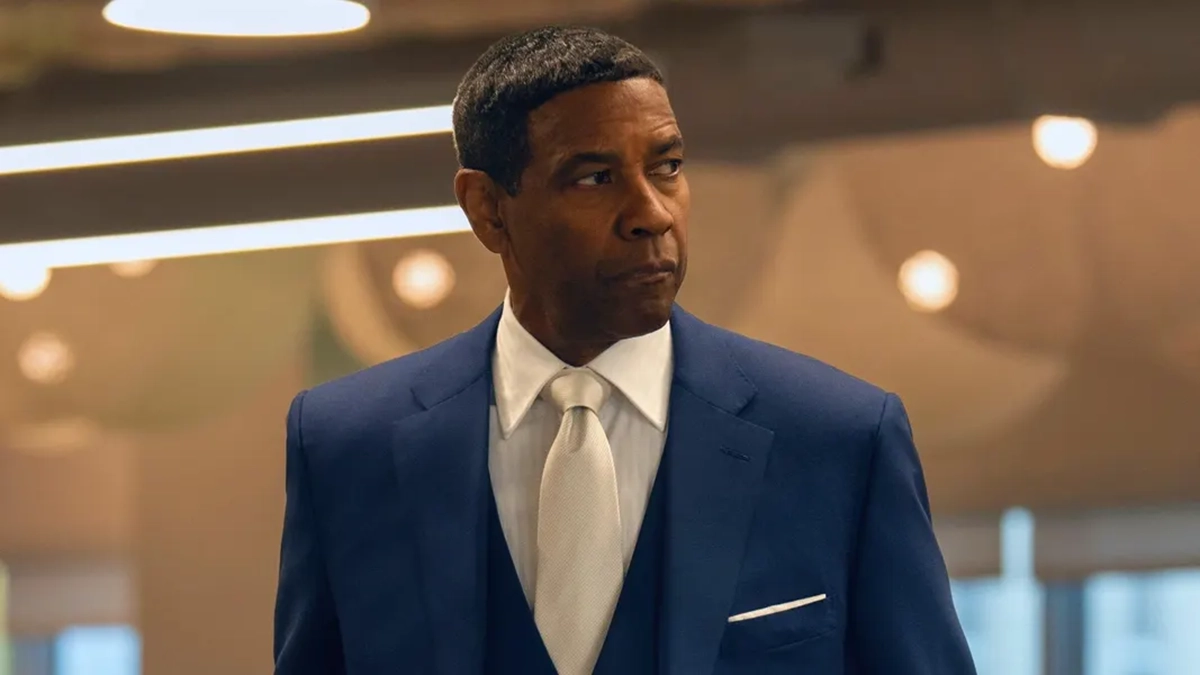
The film opens with a bold flourish: “Oh, What a Beautiful Mornin’” from “Oklahoma!” plays over a glinting Brooklyn skyline, introducing Denzel Washington’s David King, a legendary music mogul surveying his domain. King is at once iconic and vulnerable, a man aware that his moment may be slipping away. Lee, in his late sixties, can’t resist a meta move here: the story mirrors his own career and his long collaboration with Washington, showing a figure who has “made it” but remains under the pressure of expectations. The central question—do the old guys still got it, or should the torch pass to the next generation (or even AI)—is answered with a clear yes. At least Spike and Denzel still do.
Washington and Lee Make a Good Team
Washington is magnetic as King, projecting a late-career hunger that makes him feel younger than his years. He balances bravado, anxiety, and moral ambiguity, walking a line between his trademark cool and the vulnerability of someone whose empire is under siege. Opposite him, Jeffrey Wright’s Paul, the chauffeur, provides calm, measured contrast. When the kidnapping mistakenly targets Paul’s son, rather than King’s, Lee mines class and privilege, while social media scrutiny ratchets up King’s tension — every decision, every hesitation, a potential viral indictment. Their scenes together are electrifying.
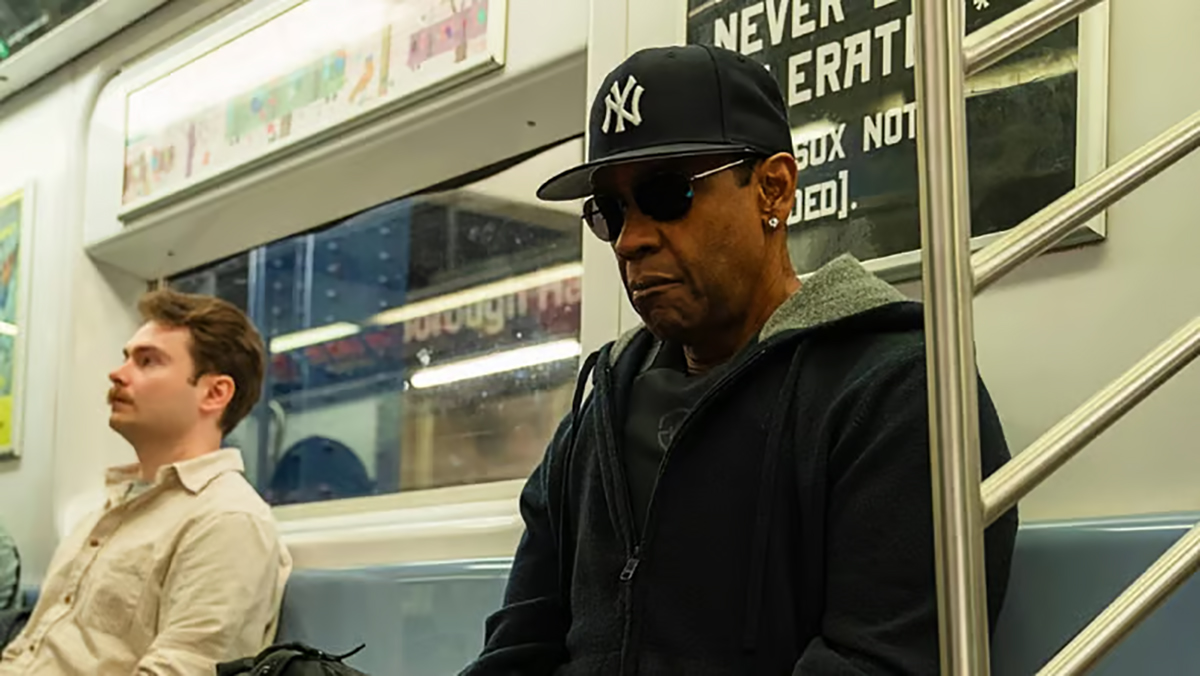
The first hour is messy, a whirl of exposition, tonal pivots, and uneven pacing—almost as if you’re swimming inside David’s head, trying to keep your own footing as he struggles to maintain control. But then the movie snaps. Matthew Libatique’s cinematography and Lee’s kinetic direction turn the film into pure energy: a cross-borough ransom transfer, tense verbal confrontations, and a subway chase packed with festival-goers and Yankees fans. A dolly shot midway through the second act even feels like a masterclass in rhythm and focus, pulling the audience through the chaos. These “high highs” reward patience; the messy first hour makes the triumphs feel earned. And yet, the low lows—narrative detours, tonal misfires—remain, giving the movie an audacious, alive, almost reckless quality.
Compelling Cinema
“Highest 2 Lowest” is a film of ideas as much as action: a meditation on class, legacy, and relevance, a story about reclaiming cool and power, and, in its own way, a statement that Spike Lee and Denzel Washington still have the juice. It’s not top-shelf Spike, but it’s damn good—messy, brash, hilarious, thrilling, and one of the year’s most compelling cinematic experiences.
You can watch “Highest 2 Lowest” now on Apple TV.