


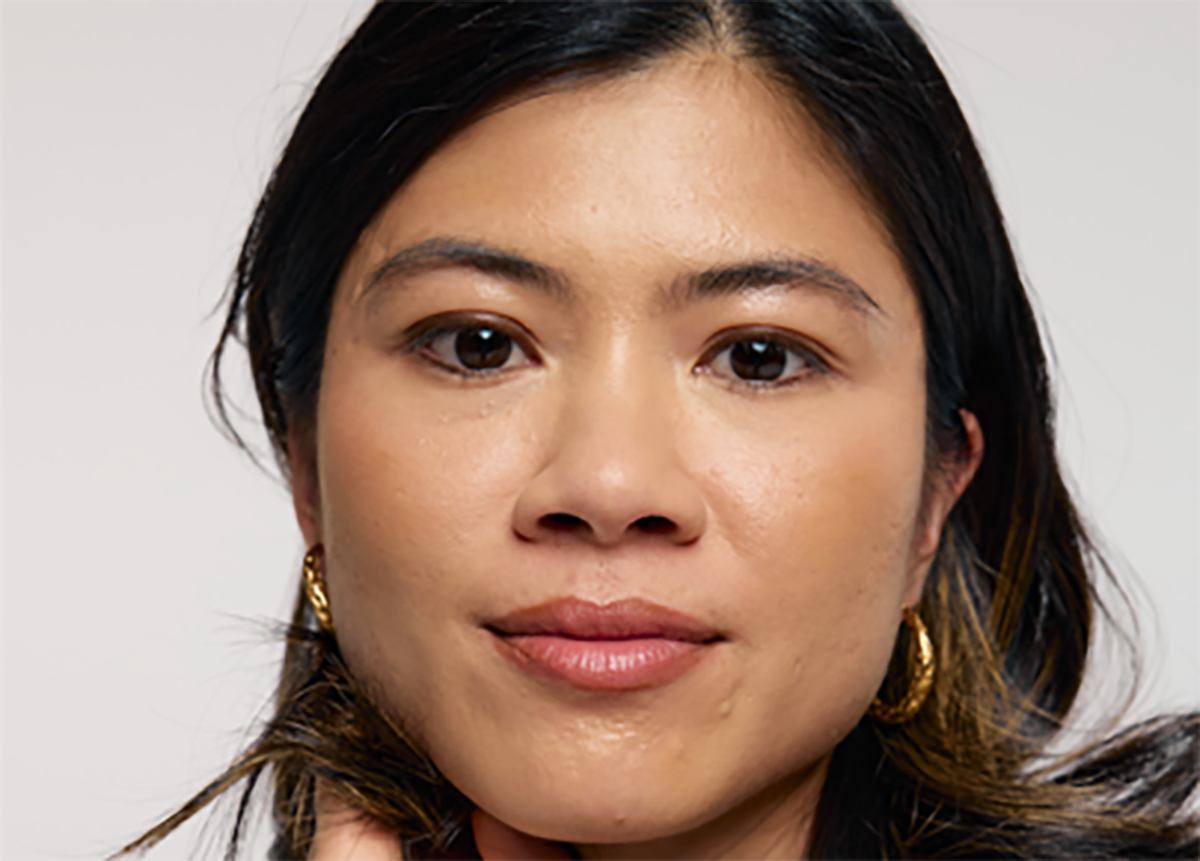
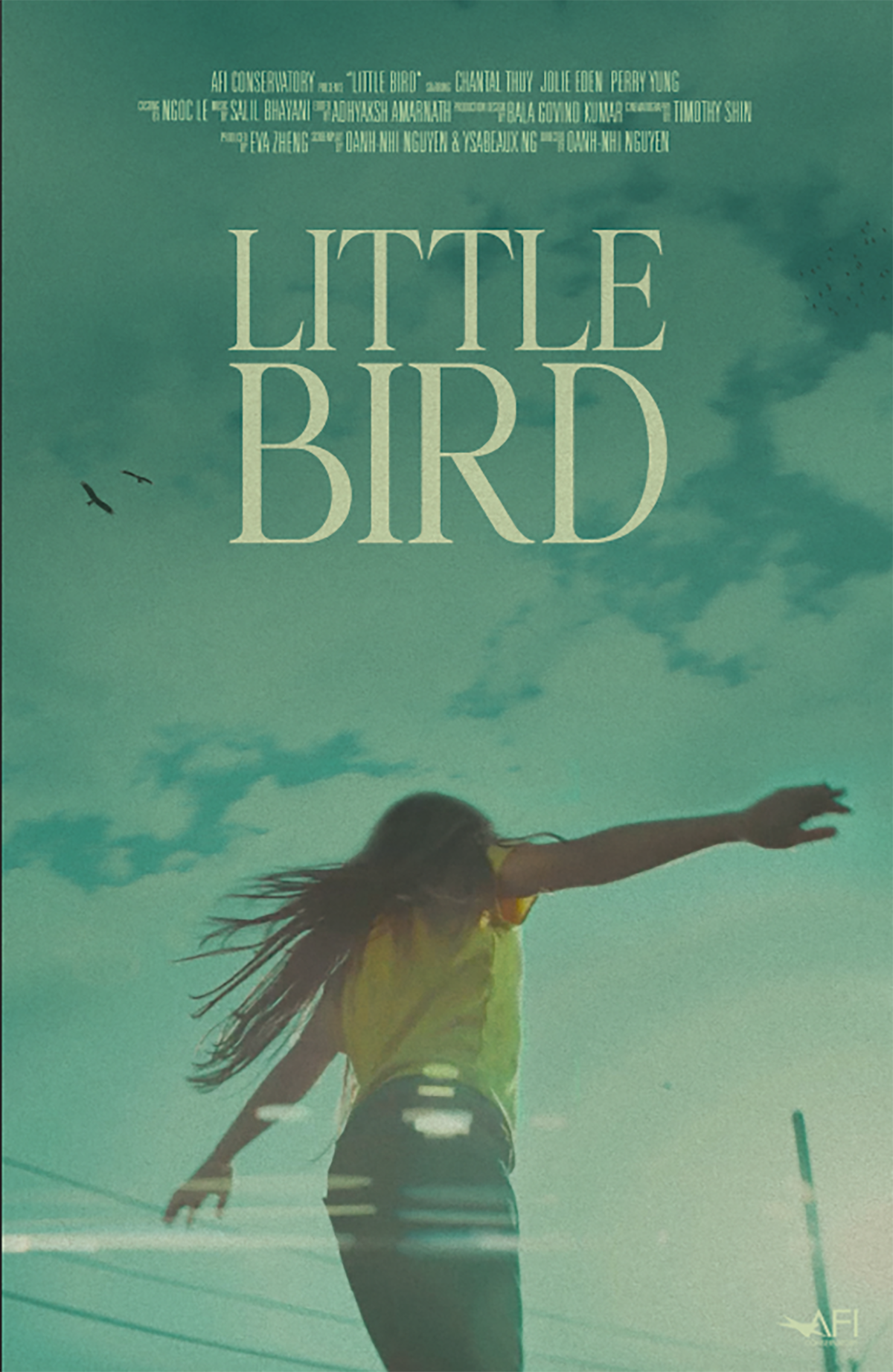
Through her latest short films, “The Stand” and “Little Bird,” Vietnamese-American filmmaker Oanh-Nhi Nguyen pulls focus to the hardships faced by immigrants who feel displaced or threatened in an alien country while chasing American dreams. “The Stand” navigates these complex subjects through the lens of a busy Vietnamese mother and her children trying to make ends meet by running a food stand. “Little Bird,” rather, features a young lady hailing from a Vietnamese-American background. She is tasked with issuing eviction notices to working class immigrant families residing in cramped housing facilities. In this instance, she feel helpless while simultaneously suffering from an identity crisis.
In this interview, Nguyen discusses her responsibility as a filmmaker/storyteller and the importance of representation that resonates and emboldens. Additionally, she discusses the timely nature of cinema that amplifies or champions for immigrant voices and rights amidst the current socio-political scenario.
Note: this interview has been edited for clarity.
Vidal D’Costa for The Movie Buff: Congratulations on both your short films “The Stand” and “Little Bird” making the cut at HollyShorts this year. How did you get your start in the industry as a filmmaker/writer? Also, are there any films or filmmakers that have served as a key influence?
Oanh-Nhi Nguyen: I made documentaries in high school, but when I graduated from college, I got my start working in nonprofit and philanthropy for about ten years before I went back into film. I was 30 years old when I made the leap and decided to direct my docu-series “Taking Root.” It was [my first time directing]and I decided to apply and get my MFA at AFI shortly after. My biggest inspiration to get into film were Ava Duvernay and Mira Nair. Both of these filmmakers inspired me because of their journeys of getting into film and the films they made. They reminded me to stay authentic to the stories I want to tell and also to not give up on my dream.
VD: How was the experience working with screenwriter Ysabeaux Ng (“Little Bird”) and co-writer Corey Pinchoff (“The Stand”)? Could you delve more into your working relationship with both of them?
My biggest inspiration to get into film were Ava Duvernay and Mira Nair. Both of these filmmakers inspired me because of their journeys of getting into film and the films they made.“
Oanh-Nhi Nguyen
ON: With both writers, I came up with the concept and main characters I wanted to showcase. We brainstormed together a lot, and then they would take the first draft of the script, and we would take turns writing, switching back and forth together.
VD: Both movies highlight immigrant voices and navigate sensitive themes such as the immigrant experience and class disparities. As a child of immigrants yourself, were there any personal experiences which shaped the narrative or your overall vision for both the shorts?
ON: Many people believe a war concludes when the fighting ceases, yet the truth is, its impact carries on through generations. Growing up, the war in Vietnam was a silent presence in my household. I didn’t live through it, but I lived with it. Like many others of their generation, my parents left Vietnam in their youth, spending years separated from their families. Both stoic and fierce, they carried their experiences quietly, but the weight of their journey was always present.
“Little Bird” allows me to explore the possibility of choosing a different path—one where survival doesn’t mean isolation. What happens when someone realises they don’t need to go at it alone? Who might they become?
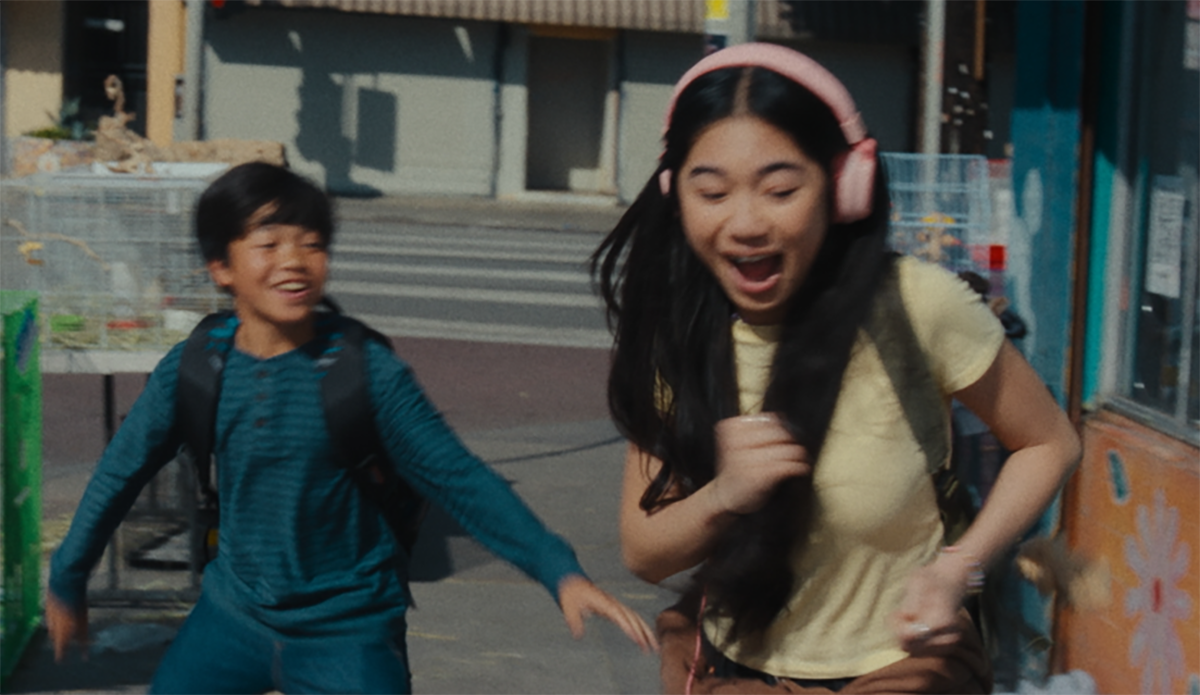
This film also highlights the often-overlooked facets of resettlement, challenging the misconception that refugees all received ample assistance. Rather, it focuses on the heart-wrenching transition from one struggle to another. Drawing inspiration from my documentary series, Taking Root, the story shares the real-life rent strike staged by Vietnamese, Laotian, and Cambodian refugees in Philadelphia by Debbie Wei, a Chinese American organiser. I’m excited to share this little piece of history as refugees resisting is not something we see on the big screen.
As a Vietnamese American filmmaker, my connection to “The Stand” runs deep, informed by my documentary work examining Southeast Asian refugees who turned to street vending after the war. These families often had no choice but to involve their children in the business, with childcare beyond reach.
Through Quinn’s story in “The Stand,” I aim to honour this complexity. Her love of singing embodies that pure childhood joy, while her daily struggles managing the stand reveal the real vulnerabilities of growing up too fast. This duality—the burden of responsibility alongside moments of innocence—lies at the heart of so many young immigrant girls. I’m dedicated to capturing these nuances with the depth and dignity our communities deserve. This story needs to be told because in the current times we live in, immigrants are seen as criminals and [suffer]dehumanization. Narratives of young immigrant girls are invisible, and I want to centre them.
As a Vietnamese American filmmaker, my connection to “The Stand” runs deep, informed by my documentary work…”
Oanh-Nhi Nguyen
VD: Is there any piece of advice that you’d like to pass on to budding filmmakers who wish to bring their personal stories/journeys to the big screen?
ON: Don’t be scared to fail or to make a bad few films! That’s the best way to learn: practice. Keep making things, film short scenes on your iPad or film a short film with friends. The best thing you can do is to keep practising the craft until your skills improve and you get better and better.
VD: Lastly, any new or upcoming works that our readers can look forward to? Any genres or themes you wish to explore further in your future work?
ON: I’m currently focusing more on comedy and dramedy! I’m finishing my dramedy feature film script; “There Are No Saints.” The script is about a successful therapist who spent years healing from her anger and anxiety issues, and must confront her suppressed trauma when she becomes a caregiver to its source: her difficult mother, a former Vietnamese pop star.
I’m also pitching my TV comedy pilot, “Unacceptable.” It’s about a30 Something Vietnamese-American woman, struggling with anger issues, discovers Brazilian jiu-jitsu and learns to channel her rage into power… all while navigating family expectations, a budding romance, and her true calling.
*”Little Bird” and “The Stand” were both screened at this year’s HollyShorts film festival, now concluded.

