


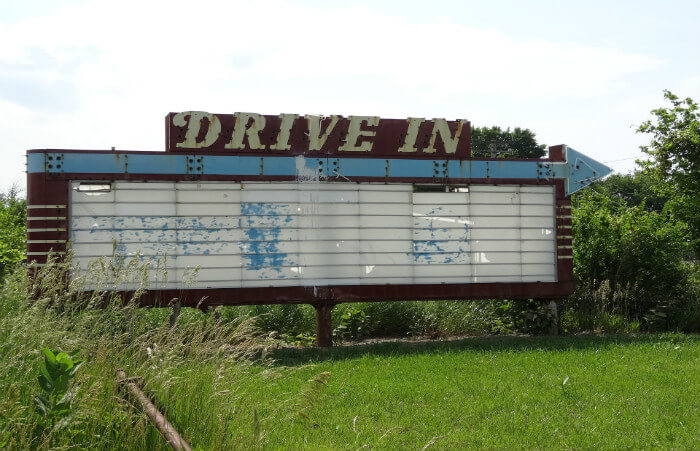
Think back on the last time you saw a drive-in theater, or even heard those words spoken out loud. This type of movie-watching experience has become obsolete in many parts of the U.S., but in others, it’s still a beloved tradition.
A lot of people growing up today have little experience with drive-in movies unless they’re lucky enough to live close to one. It’s debatable whether this form of cinema will stick around, but its history is worth knowing.
So how did the drive-in cinema get its start? And more importantly, where is it going?
The Rise of Drive-In Cinema
Drive-in theaters existed way back in the early 1900s, but they didn’t reach mass appeal until after 1933. A man named Richard Hollingshead established the first patented drive-in in Camden, New Jersey.
His idea developed from his mother’s discomfort with regular theater seats. This is almost ironic to imagine in an age where movie chairs come with reclining levers, bass shakers, and even heating capabilities.
Once Hollingshead’s patent dropped in the 1940s, drive-in theaters popped up all over the U.S. These hangouts became fun favorites among rowdy teenagers and families. If your parents were adolescents in the baby boomer era, they might’ve visited an outdoor show or two.
Early theaters required moviegoers to hook a speaker onto their car window to hear the audio, which wasn’t always the best quality. As technology advanced, it became possible to broadcast the sound through FM radio. All you had to do was turn a dial and have a movie experience right in your car.
Drive-ins were places of little-to-no judgment for people who brought babies or wanted to enjoy a smoke during the film.”
Open-air theaters reached their peak popularity during the 1950s and 1960s. Many of them were in rural areas because of the spacious land, which is necessary for hosting giant screens and loads of vehicles. If you wanted to see an outdoor film, you’d probably have to drive out of town (and wait for a sunny day). Outdoor pictures ran on a schedule according to the weather, which is one aspect that influenced their decline in the 1970s.
Rising property values, video rentals and indoor theaters all contributed to the eventual downfall of open-air movie watching. Watching B-movies with mediocre car audio gave way to enjoying films in the comfort of your home. Many park-ins — as people initially called them — shut down to make space for malls and flea markets.
The ease of at-home video is relatable to Netflix bingers, but there’s a certain kind of magic to drive-in theaters. Missing their heyday, to me, at least, feels like losing a piece of history.
What’s the Appeal of These Theaters?
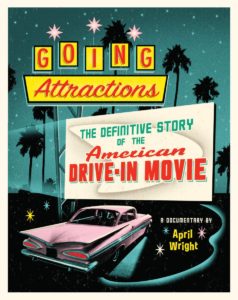
You may wonder why drive-in theaters appeal to so many people — both for individuals who witnessed their peak and those who didn’t. The answer isn’t too different from why people enjoy watching movies now.
Films allow people to forget their mundane lives and go on adventures, that much is clear. Outdoor theaters offer another element — the location. Back in the day, these spots were ideal for letting the kids run and play while the parents enjoyed a brief respite.
Drive-ins were places of little-to-no judgment for people who brought babies or wanted to enjoy a smoke during the film. Plus, sitting in your car meant you could talk through the movie without someone throwing popcorn at you.
These spots provided a carefree quality that regular movie viewing doesn’t, which is why they’ve remained up-and-running in many states. So where do we see them today?
Modern Interpretations of Open-Air Cinema
Where you’d once see a lawn full of older Chevys and classic Mercurys, people can now watch movies alongside a dozen Lamborghinis. That’s one movie theater experience I’d hate to pass up. The only thing I’m missing is the Lambo. Outdoor cinema has come a long way since its inception, and some aspects of it are almost unrecognizable.
You might have to search far and wide to find a functioning drive-in, but they exist. Some college campuses — including my alma mater — host drive-in movie nights to give students a fun throwback.
Also Read: 9 Delicious Snacks to Serve at Your Next Movie Night
Other locations often include free WiFi, playgrounds, games, and concession booths with the typical movie fare. The experience becomes more like visiting a carnival, which is ideal for people who don’t mind that kind of excitement while watching flicks.
New cinema technology has upgraded outdoor movie watching to higher levels. No more straining to hear words or sitting through fuzzy scenes. With pet-friendly venues and plenty of activities, contemporary drive-ins offer more fun than you might expect.
The Past, Present and Future of Outdoor Theater
Visit an open-air theater the next time you’re in the mood for a B-movie or an outdoor experience. Drive-in cinema has become a once-in-a-lifetime experience, and the new technologies give you a touch of futurism with a taste of nostalgia.
No matter what’s next for the drive-in theater, it’s been a great run.
Feature image courtesy Jrosenberry1 [CC BY-SA 3.0 (https://creativecommons.org/licenses/by-sa/3.0)]
