


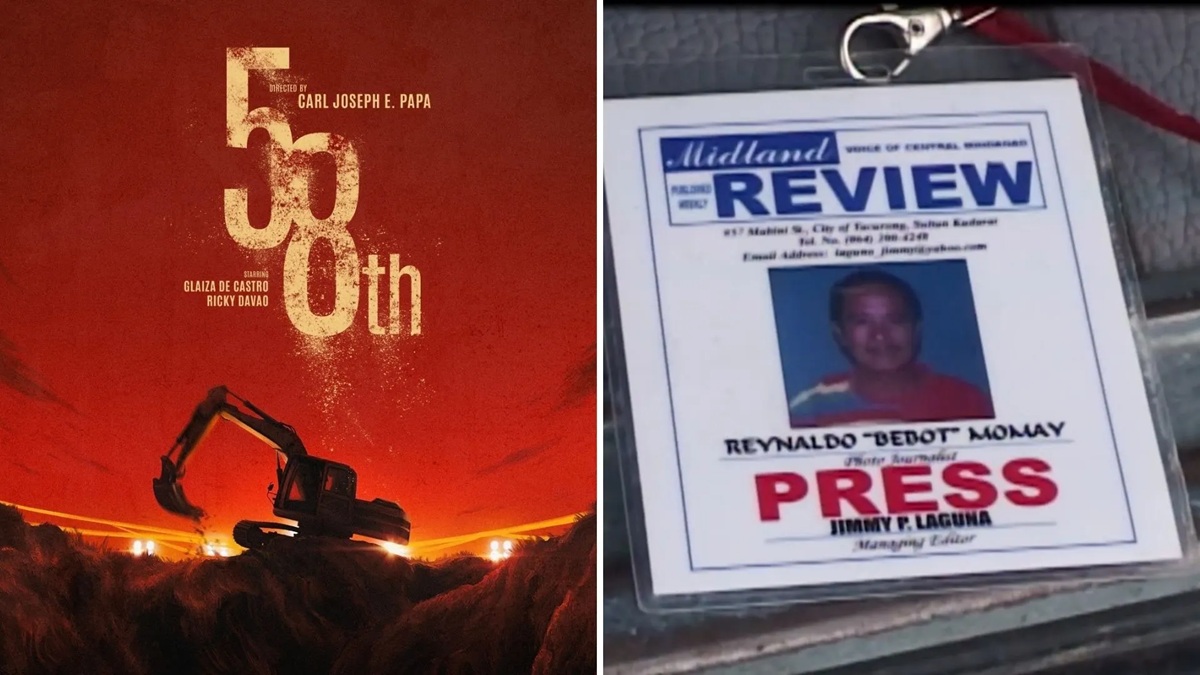
Carl Joseph Papa does not use animation as decoration. In his films, it behaves more like an instrument of pressure. It can turn memory into image, trauma into texture, or silence into something the viewer can no longer avoid.
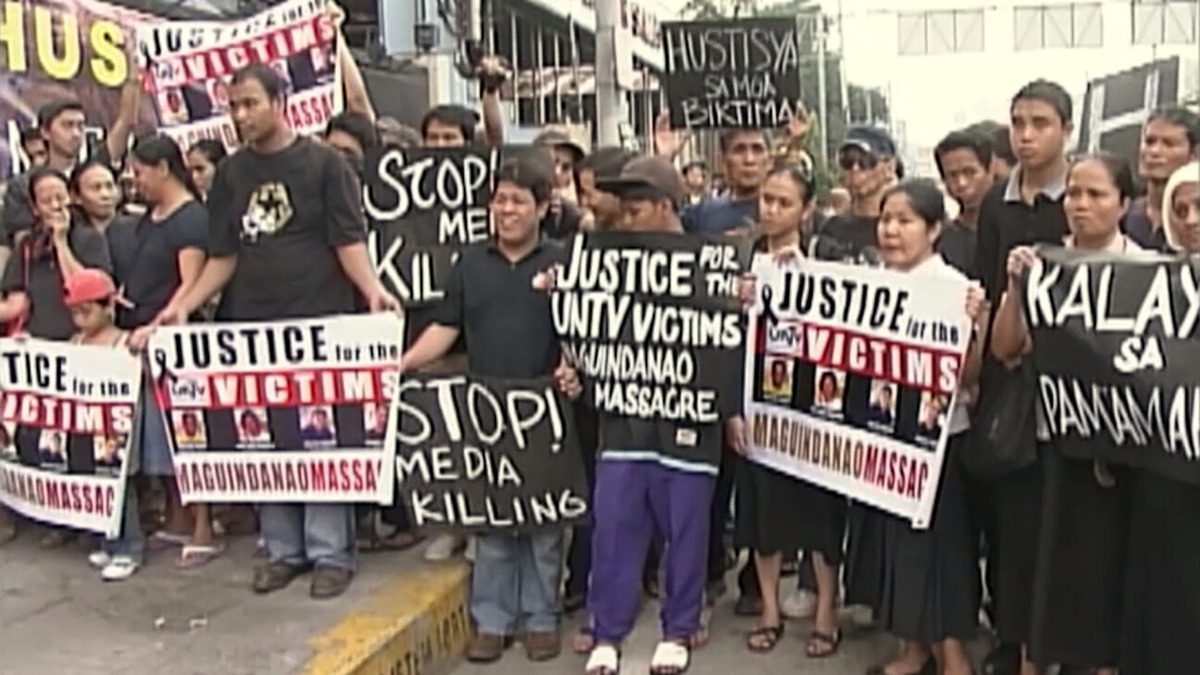
In “58th,” that pressure is applied to a national wound: the 2009 Maguindanao massacre, and the story of Reynaldo “Bebot” Momay, the photojournalist whose body was never recovered. Papa is not animating fantasy here. He is trying to reconstruct what the record could not fully hold.
The film, now competing at the Annecy International Animation Film Festival, follows Reynafe “Nenen” Momay-Castillo’s long fight to have her father recognized as the massacre’s 58th victim. Fifty-seven bodies were found. Bebot’s was not. That absence left his family grieving in a space made even crueler by bureaucracy, legal language, and the slow violence of being asked to prove what they already know in their bones.
“58th” also arrives during a visible stretch of politically engaged Filipino filmmaking. In recent years, films such as “Lost Sabungeros,” “Alipato at Muog,” and “Bloom Where You Are Planted” have asked audiences to sit with stories the country often prefers to soften, delay, or file away until they become safer to discuss. Papa’s film belongs in that company. If it spurs debate, good. Some debates are late already.
When I spoke with Papa over Zoom last month, we were both clearly at the end of a long day. He had the better excuse. Before we began the interview proper, I asked if “Sentinel,” one of his upcoming projects, was the film he previously told me that’s currently keeping him busy. It turned out he was deep in crunch time on another film, “Patay Gutom,” an upcoming hybrid animation/live-action film he co-directed with Ian Pangilinan. “Yes, as always,” he said when I asked if things were hectic.
That quick exchange felt telling. Papa has been moving from one demanding project to another, testing not only what animation can show, but what it can carry. In “Iti Mapukpukaw,” he used rotoscope animation to visualize private trauma, memory, and the fractured interior life of a man trying to name what had happened to him. In “58th,” the animation remains but the ground shifts. The pain is public. The materials are heavier: eyewitness accounts, legal documents, archived news footage, and the grief of a family still fighting to have a missing father properly recognized.
The film also carries the weight of being Ricky Davao’s final screen performance. Davao plays Bebot with such warmth that the character’s limited screen time hardly matters; his absence begins to occupy the film. During our conversation, Papa spoke with sadness about the fact that Davao never got to see the finished version. In a film already haunted by what people are denied—recognition, closure, the dignity of being counted—that detail hurts in a way that needs no dressing up.
Papa also talked about how “58th” came together through GMA Pictures, which had long wanted to make the film, and producer Nessa Valdellon, whose work with Papa on “Iti Mapukpukaw” helped open the door for him to tell Reynafe’s story. Over the course of our conversation, he discussed using animation not to soften atrocity but to reconstruct what can no longer be filmed; the responsibility of telling someone else’s grief as an outsider; the decision to keep archival footage in its raw, degraded form; casting actors whose eyes could survive the translation into rotoscope; and why “58th” is, in part, a warning against a country’s habit of moving on before it has learned how to remember.
This interview has been edited for brevity and clarity.
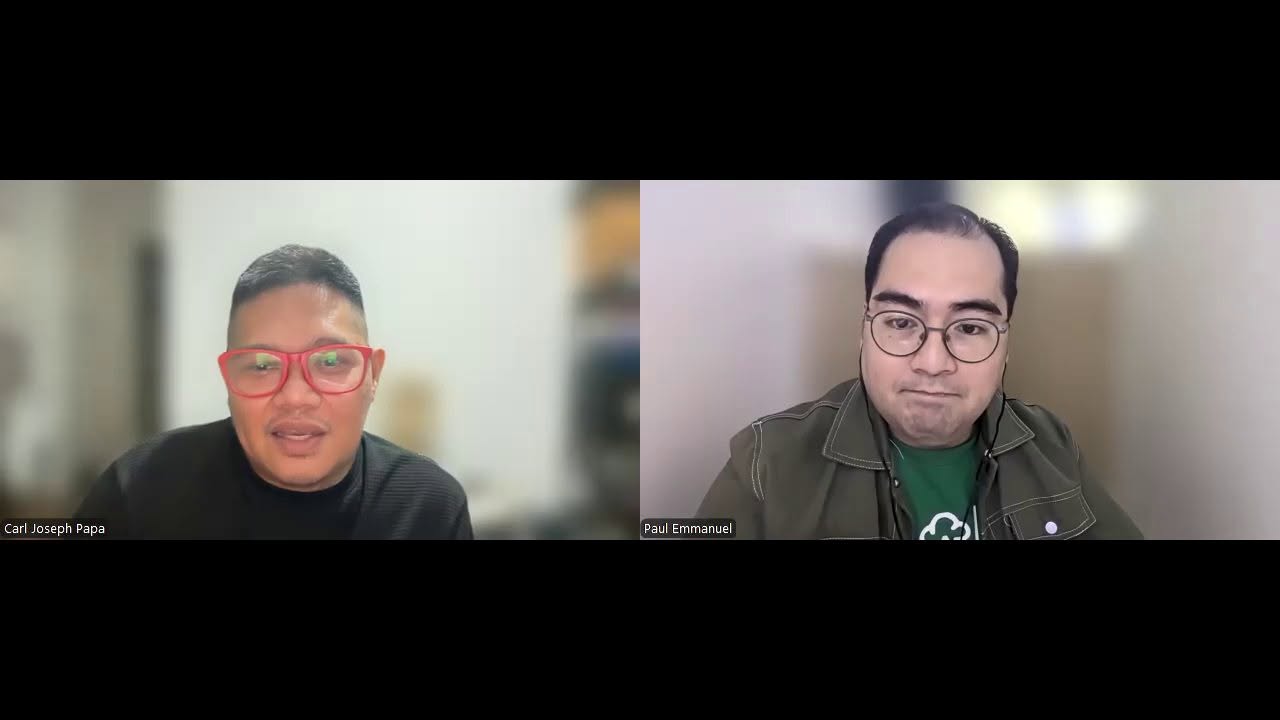
The Movie Buff: When you made “Iti Mapukpukaw,” the animation became a way of visualizing private trauma, as well as memory and healing. But with “58th,” you’re dealing with public trauma, eyewitness accounts, legal records, and the grief of another family. Can you talk to me about the change in approach between the two films?
Carl Joseph Papa: With “Iti Mapukpukaw,” you’re right. We used animation to show memory, and it complemented the mental state of the character.
But for “58th,” I used animation because I’m definitely an outsider to the story. I had to find a way to bring something personal into it. That’s why there’s the interview device with the character played by Mikoy Morales. This time, animation became a means of recreation. Animation starts from zero. I had to recalibrate my brain and ask myself: What do I actually know about the massacre?
As I read about it and interviewed Reynafe, I was also forming it in my head: this is how I’m going to do it, this is how I’m going to show it. It became a way of breathing life into a story that had been left for dead, because many people have already forgotten it. Many people no longer know what happened, even though it did not happen that long ago. So this time, animation was a means of recreation, and also a way of getting inside Reynafe’s head. That’s why I still used animation.
This dovetails to my next question. The Maguindanao massacre is one of those national tragedies that many Filipinos know about, but not many Filipinos have fully confronted. When you were making this film, were you thinking of it more as an act of remembrance, an act of documentation, or an act of confrontation?
Film, like any art form, is a way to memorialize and immortalize something. This is my contribution to how people can remember, a way to remind them of what happened. For people who don’t know about it, the film can spark a conversation. It can inform them that this happened before, and that it’s still happening now. So it’s many things.
More than a personal advocacy, the way we made it was also about speaking up. The film was something GMA Pictures had wanted to do for a long time. It only really started when Nessa [Valdellon] helped us with “Iti Mapukpukaw,” and that opened the door for me to tell the story of “58th.”
The movie includes actual footage of the aftermath. As I mentioned earlier, for the longest time, I actively avoided viewing that footage because it was too difficult to watch. But the film also uses animation to depict parts of the tragedy and Nenen’s memory. Were there moments where you decided not to show something directly?
That was one of the conversations I had with GMA. At one point, we considered rendering the archival footage in a way that would make it look as close as possible to rotoscope animation. But it was very difficult to do because the quality of the footage was old. Some of it wasn’t even 720p.
I feel like some of the footage was actually in VGA format.
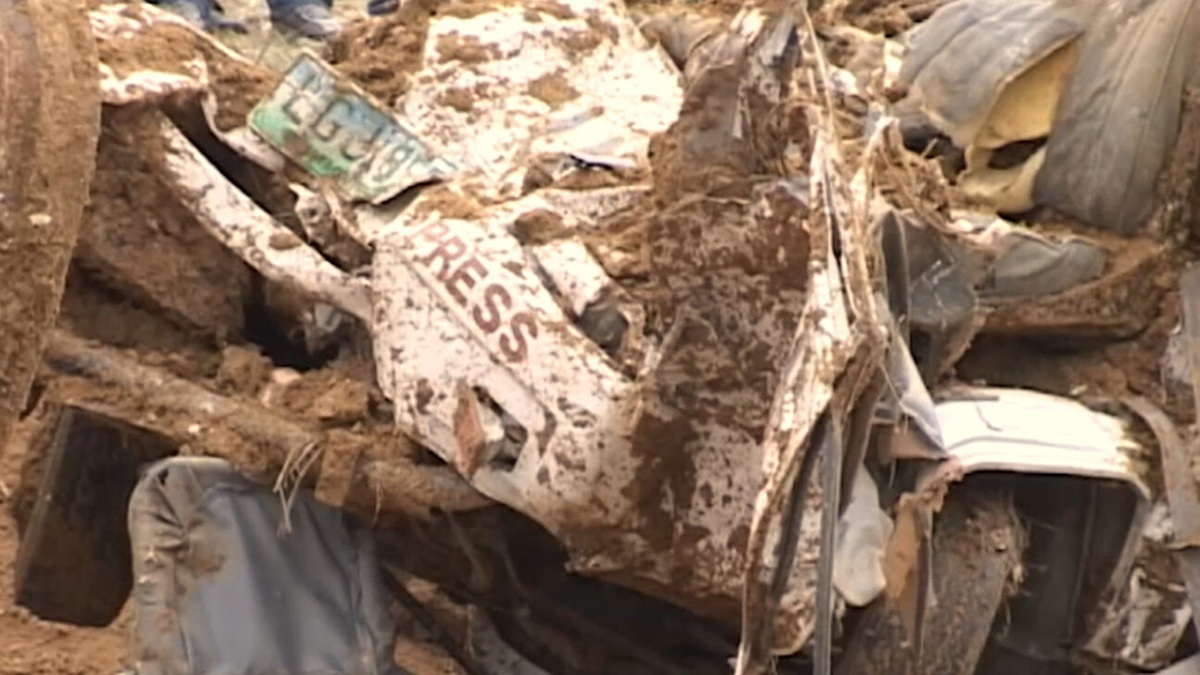
Yes. Some of it was glitchy. But the bulk of the film, which is Reynafe’s memory, is told through animation. That part is recreation. We were building something we didn’t have physical access to. We were trying to build the truth based on the materials available to us. But the archived footage is the actual reality.
When we were putting it together, I told GMA, “Let’s try it first. Let’s show it to you this way and see if it works.” The juxtaposition mattered. We didn’t even upscale the footage. We presented it as is. When you see it, you’re transported back to that time. You see the quality of the footage and you understand: this is from then. For us, it was important to show people that this was real. We didn’t have to shy away from it.
Of course, there are trigger warnings. This isn’t something children should watch. But I feel people need to know what really happened.
You mentioned the Zoom-call device as a narrative frame. That device also places a filmmaker figure inside the story: almost as a listener, a witness, or an outsider receiving someone else’s pain. How conscious were you of your own position in shaping Reynafe’s story?
When Reynafe entrusted me with her story, I felt that if I told it as is, without putting in a personal element, it might not work the same way. This might sound narcissistic, but because I was the anchor, the question became: How do I use my voice so that Reynafe’s story reaches other people?
I used [Morales’] character as a sounding board, almost as an anchor for the audience. I would say a vast majority of the audience, especially those outside the Philippines, would know nothing about the massacre. Or maybe they’ve only heard about it. The filmmaker character knows a little. He has done a bit of research, or at least looked into what was readily accessible.
His reaction to what happened was also what I felt when I was talking to Reynafe. That was how I felt when we reviewed hours and hours, even days’ worth, of material that we had to read and watch. That’s why I used that character. He became the audience’s connection to the story.
Let’s talk about the title. The title itself points to absence: Reynaldo “Bebot” Momay as the 58th victim whose body was never found. One of the most painful elements of the story is the idea of recognition. That’s what Nenen and the family are looking for, a recognition that remains painfully incomplete. How do you make a film about someone whose absence is, in many ways, the center of the story?
It was important that the audience still get to know him. This is just a side note, but apparently there used to be many pictures. Actual pictures that Bebot had taken. But someone interviewed them, I think around the late 2010s, and the pictures were never returned. So we had very few pictures to work with.
Even so, I had Reynafe as an actual resource. I would ask her: What kind of father was Bebot? What did he mean to you?
In the film, I first needed to make people feel him. I had to introduce him. Then, once he disappears, you understand how important Bebot was to that family. Toward the end, when all the noise is gone and a few years have passed, I remind them. I remind Reynafe. I remind people what kind of person Bebot was. He liked to joke around, even when singing off-key.
Bebot only has a small amount of screen time, but you feel him all throughout the film. We were very conscious of making sure he could still be felt, even through bits and pieces. People needed to feel what kind of person he was. They needed to see, even briefly, how important he was.
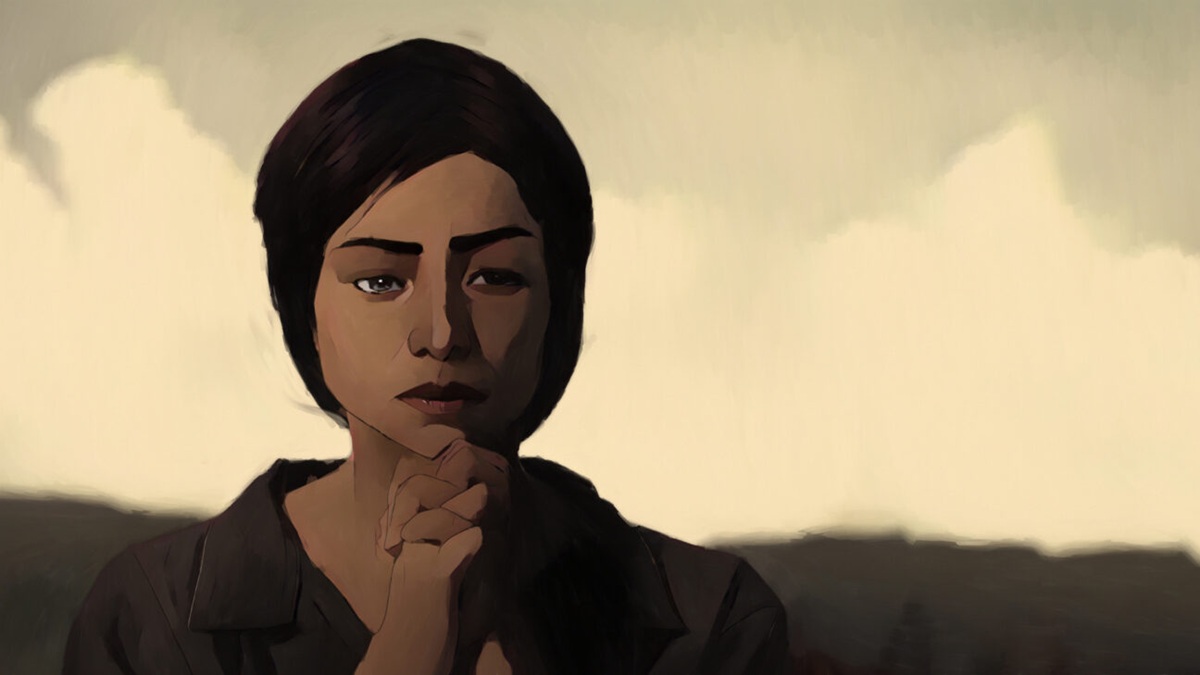
One of the things I admire about you as a filmmaker is your instinct for casting. I mentioned this years ago when we talked about “Iti Mapukpukaw.” Casting Carlo Aquino, and having him convey so many emotions just through his eyes, without speaking a word, was remarkable. Here, Glaiza de Castro has to carry grief, fear, exhaustion, and disbelief in a performance that is later rendered through rotoscope.
In your casting process, what do you look for in an actor, whether it’s Glaiza or Ricky Davao? What do you look for when the final image will no longer be strictly live-action?
The first thing I look for is whether they will respect the material. With “Iti Mapukpukaw,” when I asked Carlo Aquino if he was willing to do it, I remembered something about him. Carlo was quiet during the shoot. He didn’t tell me directly, but I heard it through Charlie Dizon. He said something like, “The material is important to Direk.” So he overprepared for it. He felt the pressure to pull it off, and I knew he could pull off Eric’s story.
With Glaiza, we were looking for an actress who had courage. Glaiza has done rom-coms and other things, but the performance I remembered was “Liway.” I saw there that she could communicate something through her acting.
There’s also one very minor thing I look for in actors. When I rotoscope, the eyes are important to me.
That’s what I noticed. I remember thinking, “That detail is amazing.” One of the things I like about Glaiza is how expressive her eyes are. Even when you render her into animation, the emotion translates.
Yes. Even when her eyes are closed, or when you’re just talking to her, you notice her eyes. Glaiza’s eyes are so big. That became one of the criteria. It’s strange, but expressive eyes became important to me. Even when I talk to actors I might potentially work with, I’m very particular about the eyes. I always look at their eyes.
For example, Marco Masa and Zyren Dela Cruz, who play the sons, both auditioned for the role of the older son. But I thought Marco Masa would work better as the younger brother, even though in real life, he’s older than Zyren.
It’s the same thing. I want to see whether they can see and feel what the story is for. When I tell them about it, when I talk to them about it, I want to see if they’ve researched or if they have the initiative to dig deep into the story, the message, and the characters.
The movie comes at a time when journalism in the Philippines is again being tested by disinformation, social media algorithms, influencers, and content that passes itself off as news. Did the present media climate affect how you approached the film, especially in telling a story about the importance of journalists today?
Definitely. We became very critical about telling the truth.
There are creative liberties in the flashbacks, but the details about the massacre, the news reports, and anything from archived news or news articles, we told those as truthfully as possible. That’s also why we were critical about showing things as they were.
Even when we were recreating the massacre, all of those details were based on the promulgation document. I think that was around 700 pages. It was very important to us. We had a fact-checker from GMA. We would send the script and ask, “Is this okay? Is this correct?” If they cleared it, we proceeded.
Most importantly, we also asked Reynafe. We would tell her, “This is how we plan to tell it. Is this okay with you?” If she said yes, then we moved forward. It was really imperative for us to show it as truthfully as possible.
In line with that, we know that Filipinos can be painfully forgiving, even amnesiac, toward the people and systems that hurt them. Do you see this movie somehow as a warning about forgetting, especially for younger viewers who may only know about the massacre in passing?
That’s the problem with our society right now. We forget very easily. It’s okay to forgive, but you should never forget what happened. That’s why we repeat our mistakes. We forget that something happened, and then we repeat the same things.
We’re in so much shit right now because of that. I hope this movie can add to the discussion. This was something that happened almost two decades ago, and we’re still here. We still haven’t changed.
As people, we should have some compassion.
Last question before I let you go. You’ve done so much with animation at this point. Personally, I think it has become closely associated with your voice as a filmmaker. But after “Iti Mapukpukaw,” “The Next 24 Hours,” “58th,” and your upcoming films, do you feel yourself becoming curious about other forms, such as live action? Or do you still feel animation has more to give you?
My upcoming film “Patay Gutom” is a hybrid. I think it’s 50-50 live-action and animation. But I can’t talk about it too much yet.
I’ve always been curious about live action. But I’m more curious about what animation can do and what animation can tell. If anything, I’m more curious about other forms of animation. That’s what we’re trying to push with “Sentinel,” but that will take a lot of time to finish. We’re getting there.
I want to explore what else can be done with animation. What else can I do, or what else can I tell, using this form? I feel like there’s still a lot. I also feel that I can tell all kinds of stories through animation. But for the stories I feel personally attached to and connected to, the question becomes: how can I bring life to those stories through animation? That’s what I’m very curious about.
Thank you so much for your time, Carl. Again, congratulations on the film. Please send my regards to the cast for a job well done.
Thank you so much, Paul, for the interview and for adjusting your time for me.
More Interviews: Andrea Szelesová • Mark O’Brien • Lara St. John

