





Top 15 Films of Philippine Cinema in 2025 (#5â1)

5. Cinemartyrs (dir. Sari Dalena)
âCinemartyrsâ begins as a student project and slowly reveals itself as something far more unsettled. Set in 1998, Sari Dalenaâs film follows Shirin, a young filmmaker attempting to complete a documentary on the PhilippineâAmerican War, only to find herself drawn deeper into histories that resist neat reconstruction. What starts as research becomes fixation, then something closer to possession.
Dalena collapses the boundaries between docufiction, performance, and horror, allowing reenactment to carry physical consequence. When Shirin and her crew re-stage a massacre in Mindanao, the film treats the shoot less like a production and more like an intrusion. Sounds bleed into the forest, bodies react before minds can catch up, and history asserts itself not as a lesson but as a disturbance. Nour Hooshmand gives a performance that grows increasingly porous, as if Shirinâs body is being asked to absorb more than it can reasonably hold.
What stayed with me, long after the screening, was how insistently the film returns to women as the ones doing the remembering. Dalena threads in archival voices of filmmakers like Carmen Concha, Susana de Guzman, and Consuelo Osorio, figures largely absent from mainstream histories of Philippine cinema. Their presence doesnât feel explanatory. It feels corrective, as if the film is reopening a conversation that was never properly recorded in the first place.
The inclusion of the Bud Dajo massacre works in a similar register. It is not framed as revelation but as something that has been allowed to fade through neglect. That historical erasure sits uneasily beside the marginalization of women whose creative labor has also been pushed to the edges. Dalena doesnât emphasize this clever juxtaposition, and I appreciate her for it.
Admittedly, I initially didnât leave âCinemartyrsâ fully resolved, despite my praise for the film. What I felt later on, however, was something better: I kept thinking about it instead. About Dalenaâs refusal to streamline her ideas, about Hooshmandâs performance, about that final image where cinema becomes inseparable from the body producing it. The film gains weight in retrospect, which feels fitting for a work so preoccupied with what refuses to stay buried.
4. Raging (dir. Ryan Machado)
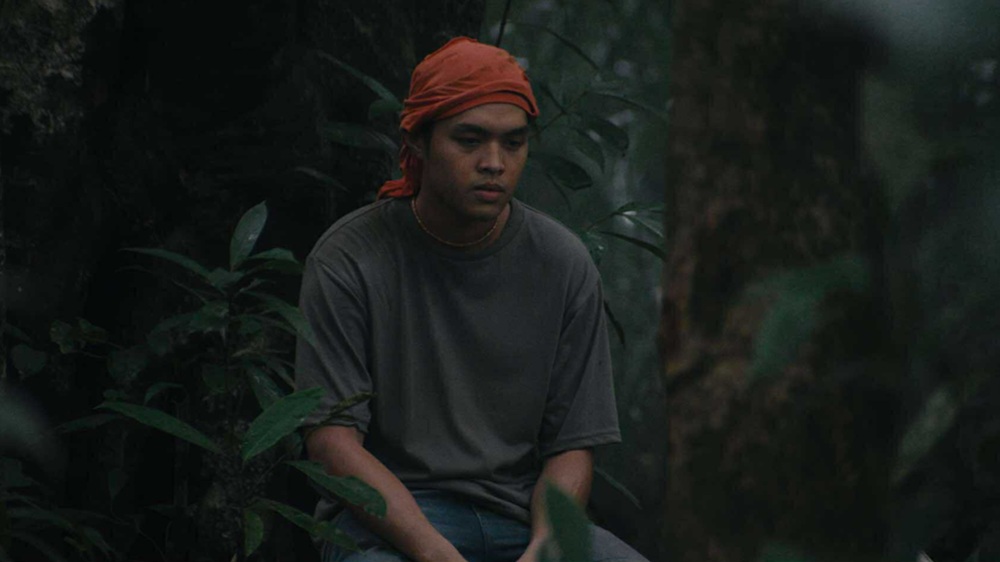
âRagingâ starts without explanation. A young man speaks into a Walkman, marking time in days, noting how little has changed. From the start, Ryan Machado commits to restraint, trusting silence and repetition to carry what the film refuses to name outright.
Set in a version of Romblon stripped of postcard comfort, the film follows Eli, played with quiet precision by Elijah Canlas. Machado allows Eli to exist without commentary. He bathes obsessively, rewinds tapes, drifts through town seething of unspoken judgment. When he reports witnessing a plane crash, the communityâs dismissal feels familiar. Disbelief, here, is not an exception but a pattern.
What gradually becomes clear is that this is not the first time Eliâs truth has been ignored. Machado doesnât dramatize that realization. He lets it settle through rhythm: the sound of water, the hum of recorded thoughts, routines that promise cleansing but never quite deliver it. Trauma is carried rather than announced, and the film asks the audience to carry it too.
Theo Lozada keeps a respectful distance, framing Eli in long, steady shots that allow discomfort to surface without spectacle. The camera doesnât interrogate him. It waits. That patience becomes the filmâs defining ethic. When release finally comes, it does not resemble triumph. It feels closer to an acknowledgment. The closing images, elemental and unadorned, suggest endurance rather than resolution. âRagingâ earns its power by refusing to rush that process.
This was one of the few films this year that made me cry in the theater, not because it engineered emotion, but because it trusted stillness. Machado understands that some forms of pain do not announce themselves. They sit quietly, asking whether anyone is willing to stay until the rage within subsides, or if it ever will at all.
3. Only We Know (dir. Irene Emma Villamor)
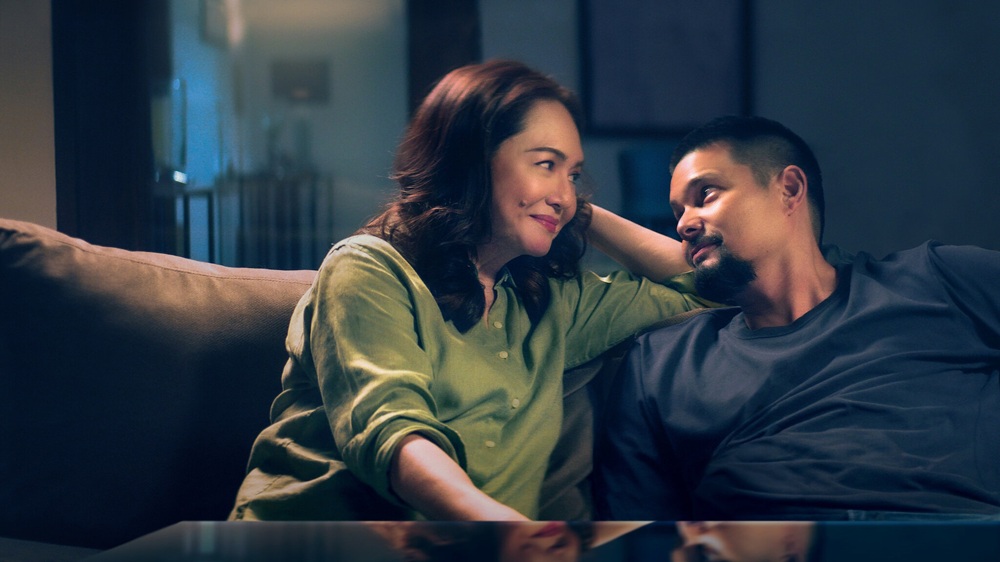
Irene Emma Villamor has spent much of her career circling the quiet spaces between people, but âOnly We Knowâ feels like a culmination of that impulse rather than a variation on it. The film begins by seeming to promise something familiar: two neighbors, a noticeable age gap, shared loneliness, and the suggestion of romance waiting to happen. It knows exactly what expectations it is activating. Whatâs striking is how patiently it lets those expectations dissolve.
The relationship between Betty and Ryan unfolds without urgency. Their connection grows out of routine gestures and proximity rather than longing. They talk, they eat together, they share drinks, they sit in silence. Villamor allows these moments to accumulate without pushing them toward a payoff. The film is less interested in whether they become lovers than in how companionship itself can feel sustaining, especially for people who have already lost what they thought their lives would be.
Charo Santos-Concio gives one of those performances that doesnât announce itself. Betty is thoughtful, self-contained, and quietly curious about the world even as her days settle into repetition. There is no sense that she is incomplete or waiting to be saved. Dingdong Dantes, in turn, plays Ryan with a kind of careful attentiveness, a man still carrying grief but no longer dramatizing it. Their scenes together work because neither performance tries to steer the relationship into something legible. What passes between them feels mutual, tentative, and deeply considerate.
Villamorâs storytelling choices reinforce this emotional modesty. Conversations often drift out of earshot. We are not invited to parse every word exchanged, only to register the comfort that comes from being understood without explanation. Time moves forward in fragments rather than turning points. Even when the film introduces information that could easily provoke melodrama, it refuses to treat it as a rupture. Life continues, altered but not derailed.
What I responded to most strongly is the filmâs understanding of love beyond physicality. I have always believed that intimacy is sustained less by desire than by presence, by the willingness to stay attentive long after attraction has settled into something quieter. âOnly We Knowâ articulates that idea without sermonizing. It presents a relationship built on shared respect, on knowing when not to ask for more, and on allowing affection to exist without demands.
By the time the film reaches its final moments, nothing has been settled in any way that cinema usually demands. There is no declaration, no naming of what this relationship should become, no promise extended beyond the present. What remains is something quieter: two people who have learned how to sit beside one another without needing to claim more than what they can honestly give. For Betty and Ryan, that shared ease carries its own weight.
In a medium that often treats romance as a matter of escalation, âOnly We Knowâ finds its center elsewhere. It circles around companionship as an end in itself, as well as the grace of staying where you are rather than pushing forward for narrative closure. Villamor allows care to register in small gestures and withheld words, trusting that affection does not need definition to feel complete. That choice gives the film its emotional confidence, and its calm, lingering ache.
2. Magellan (dir. Lav Diaz)
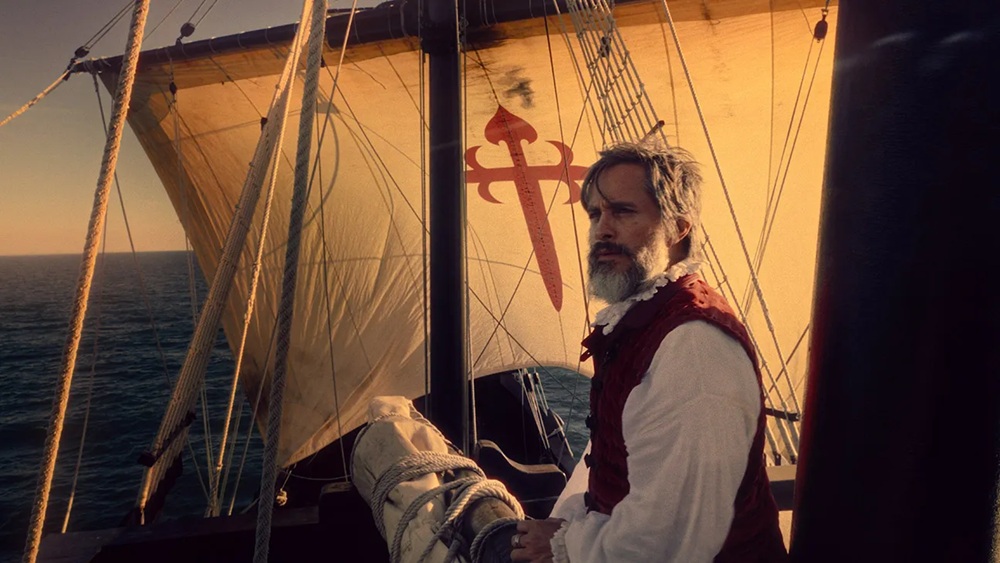
Historical films usually announce their intentions early. They arrive with heroes, villains, and a sense of forward motion that treats conquest as destiny. âMagellanâ resists all of that. From the start, Lav Diaz approaches history not as a story in need of clarification, but as something unstable, shaped by whoever gets to speak last.
The filmâs first images already signal this unease. Indigenous communities interpret the arrival of a white man as prophecy, a reading that will later be revealed as catastrophic misrecognition. From there, Diaz traces Ferdinand Magellanâs journey across Portugal, Spain, and Southeast Asia, not as an adventure but as a slow erosion. Gael GarcÃa Bernal plays Magellan as a man constantly in pain, limping through mutiny, disease, and hunger. Ambition remains, but it is paired with fragility, impatience, and physical decay.
Diazâs most provocative gesture is not simply demystifying Magellan, but unsettling the figures who usually oppose him. By reframing Lapu-Lapu as a myth shaped by political necessity, and foregrounding Ronnie Lazaroâs Rajah Humabon as a calculating survivor, the film asks uncomfortable questions about how nations construct symbols. Resistance, here, is not erased. It is complicated, negotiated, and entangled with power.
What replaces swashbuckling spectacle is repetition. Long takes linger on bodies left behind by conquest, colonizer and colonized alike. The camera does not discriminate in its attention. Death becomes procedural, almost ritualistic, until the idea of âdiscoveryâ collapses under its own weight. Shot in color and contained to a comparatively modest runtime, âMagellanâ is among Diazâs most accessible works, yet it remains uncompromising in method. It earns its place here not because it retells the past, but because it refuses to make it comfortable. It shows how myths are built, why they endure, and what they leave behind when we stop questioning them.
1. Bloom Where You Are Planted (dir. Noni Abao)
One of the most devastating moments in âBloom Where You Are Plantedâ arrives quietly. Amanda Echanis reads a poem, placing herself in her motherâs voice, speaking to a husband who was killed because of his work. The delivery is plain, almost restrained, which only makes it harder to bear. There is no performance here, only an act of remembering. Sitting in the theater, it was one of those rare moments where composure simply gave way. This was the other film in Philippine cinema this year that made me cry, not from overwhelm, but from recognition. In that instant, the film clarifies what it is really doing. It is not documenting activism as ideology, but tracing what remains in the wake of lives lived with conviction.
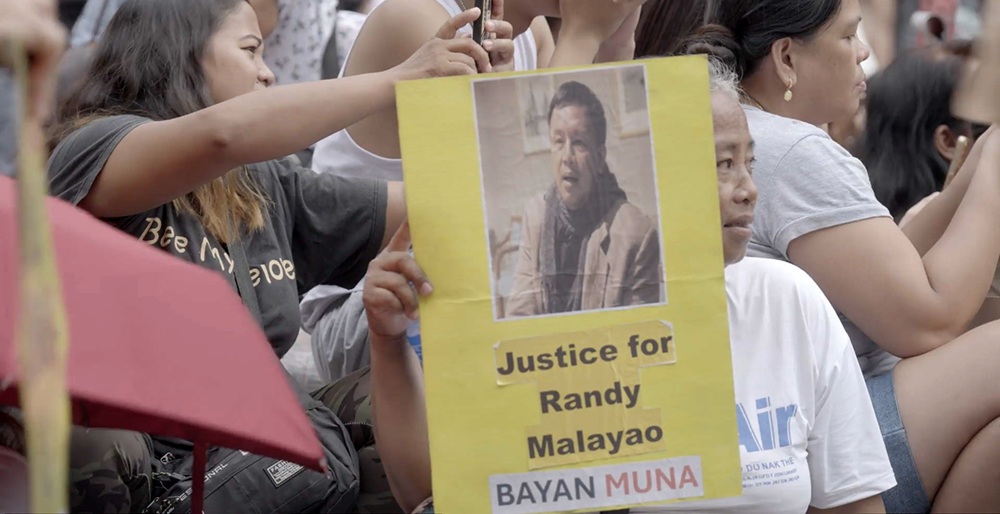
Noni Abaoâs documentary film follows three figures from Cagayan Valley who were red-tagged by the state: Agnes Mesina, a development worker forced into exile; Echanis, a student and young mother detained while pregnant; and Randy Malayao, a peace consultant who never made it home. Their stories unfold separately, but the film treats them as part of the same moral landscape. These are people who chose to involve themselves in the lives of farmers and marginalized communities, and who paid for that choice in different, irreversible ways.
What distinguishes the documentary is how insistently human its gaze remains. Activists are so often flattened into symbols, painted red and stripped of complexity. Abao refuses that reduction. We see Agnes as a mother navigating displacement. We see Amanda learning how to parent from inside a cell. And we see Randy not only as a fallen figure, but as a presence carried forward by memory and grief. The film hones in on everyday gestures and domestic spaces, allowing tenderness to coexist with anger.
What stays with me most is the filmâs refusal to separate mourning from defiance. Even in the face of assassination, detention, and exile, it keeps returning to the idea of choice. As Malayao says, we may not choose how we are born or how we die, but we choose how we live. âBloom Where You Are Plantedâ honors that belief without romanticizing sacrifice. It recognizes the cost, names the injustice, and still insists on the necessity of remembering.
Capping my list with âBloom Where You Are Plantedâ didnât feel planned so much as right. Itâs the kind of film that stays in your body after the screening, the kind that leaves you sitting in your seat a little longer than usual. Abao doesnât frame activism as heroism or tragedy. He treats it as labor: daily, exhausting, rooted in care for people and places that rarely return that care.
By staying close to Agnes, Amanda, and Randy, the documentary ultimately offers, not reassurance, but attention. It insists on remembering, on naming, on holding space for grief without rushing toward resolution. And as a closing note to this list, it felt devastating and grounding all at once. Not a conclusion, but a reckoningâand a quiet demand that we do not turn away.




