





Top 15 Films of Philippine Cinema in 2025 (#10â6)
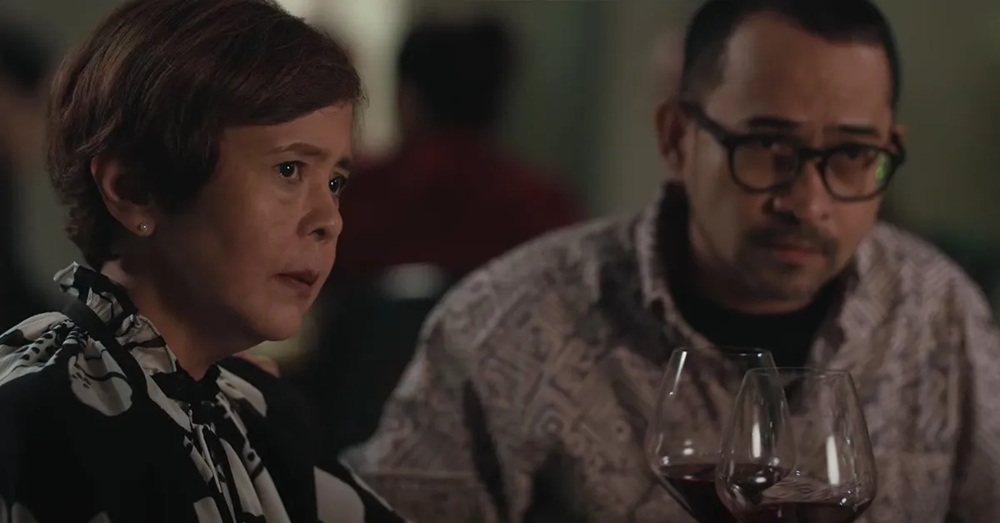
10. Habang Nilalamon ng Hydra ang Kasaysayan (dir. Dustin Celestino)
In âHabang Nilalamon ng Hydra ang Kasaysayan,â Dustin Celestino writes and directs with uncommon assurance, shaping a film that wrestles with historical memory without flattening it into lecture. The use of Greek mythology is not ornamental but structural. The Hydra is less a clever symbol than a working logic: cut away one version of the past and another takes its place, uglier, more distorted, harder to deny. History here is not a closed chapter but an active force, something that seeps into daily conversation, private grief, and political exhaustion.
Celestinoâs screenplay is sharp without being brittle. The dialogue carries wit, frustration, and unease in equal measure, allowing humor to surface even in moments weighed down by disappointment. Personally, I didnât feel anything was over-explained. The film assumes its audience can read between lines, recognize patterns, and sit with contradiction. That trust gives the material room to breathe. Rather than circling a single political position, it captures a wider emotional terrain familiar to anyone who has felt disoriented, angry, or simply worn down in the aftermath of recent history.
The performances anchor that complexity. Mylene Dizon brings magnetism and bite to Mela, grounding the filmâs sharper exchanges in something human and immediate. Dolly de Leon, as a history professor, delivers one of her most controlled and devastating turns. Her anger never spills into theatrics. It simmers. A late encounter with a generalâs daughter crystallizes the filmâs emotional intelligence, showing how empathy can coexist with rage, and how choosing compassion does not mean surrendering conviction.
What stands out the most is the filmâs persistence not to wallow in despair. The closing stretch captures this audacity: acknowledging fatigue, even honoring it, but never accepting disengagement as an option. Celestino seems less interested in triumph than in continuity, in the act of staying awake to history even when it becomes exhausting. The result is a film that feels bracing, sad, and strangely sustaining all at once, the kind that meets you where you are and trusts you to keep going.
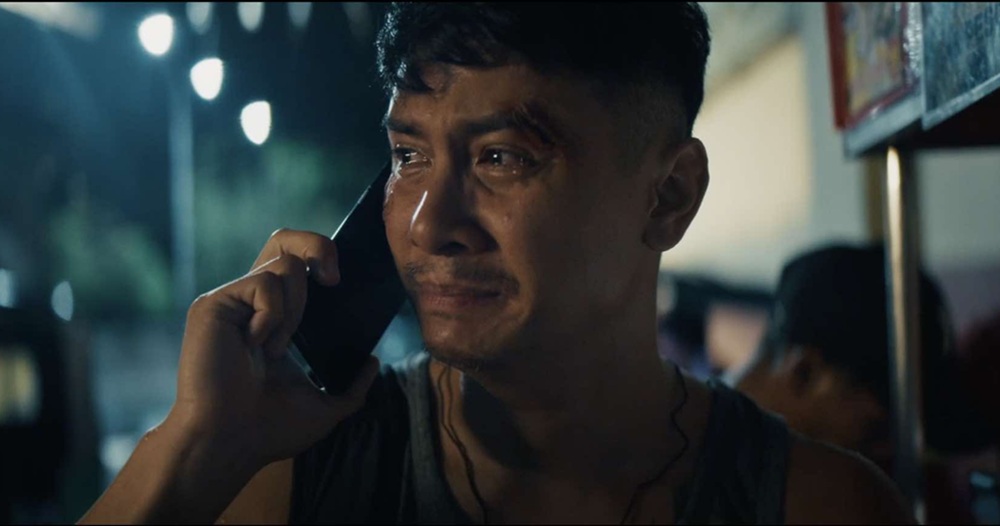
9. Journeyman (dirs. Christian Paolo Lat, Dominic Lat)
âJourneymanâ understands early on that boxing is never just about the ring. Under the direction of Christian Paolo Lat, the sport becomes a daily negotiation between pride and survival, where taking a hit can feel like the most practical choice available. The film follows Angelo not as a rising star but as someone stuck in repetition, fighting because he has to, losing because the world keeps asking him to.
Latâs handling of the material is patient and unsensational. He doesnât dress Angeloâs situation up as tragedy, nor does he rush toward uplift. Scenes linger on routines: work at the docks, the cramped rhythms of home life, the quiet calculations that come with every decision. The boxing matches themselves are staged in a way that allows tension to build without turning suffering into spectacle.
Much of the filmâs pull comes from how it looks and moves. Dominic Lat finds texture in unlikely places, framing the fish port, the waterways, and the gym as spaces worn down by use but still alive. Thereâs a tactile quality to the images that makes the physical toll on Angelo feel immediate, even when nothing is being said. That silence is where JC Santos does his strongest work (even a career best, if I may). He plays Angelo as someone who has learned to absorb disappointment without comment, carrying it in his posture, his breathing, the way he eats or avoids eye contact. The performance never pushes for sympathy. It earns it by staying honest about exhaustion.
What makes âJourneymanâ resonate is how closely it mirrors a familiar Filipino impulse: the hope that one clean win, however small, might be enough. The film doesnât romanticize resilience, but it recognizes why the idea of beating the odds remains so tantalinzingly powerful. In that sense, Angeloâs journey feels less like an exception than a reflection, one that many will recognize, whether or not theyâve ever stepped into a ring.
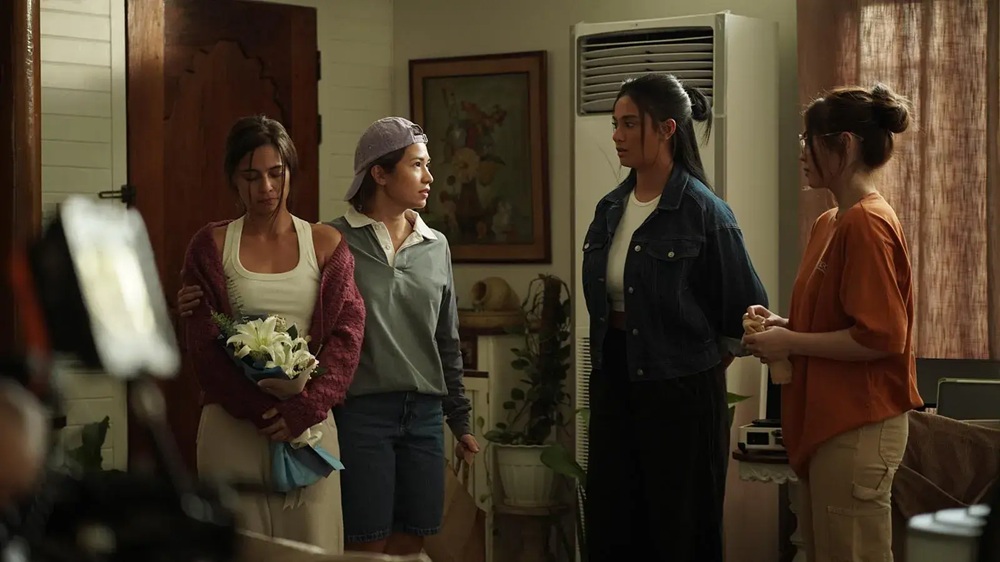
8. Open Endings (dir. Nigel Santos)
âOpen Endingsâ announces its terms early. Charlieâs (Janella Salvador) offhand confession that her closest friends are all her exes lands as a joke, a warning, and a quiet act of self-exposure. Itâs the kind of detail that sounds implausible until you sit with it, which is exactly what Nigel Santosâ film asks you to do. From there, the movie settles into a study of intimacy that refuses clean breaks or tidy resolutions, more interested in what persists than in what officially ends.
Santos doesnât treat these relationships as a series of romantic milestones to be cleared or corrected. Instead, she watches how affection shifts shape over time. The women remain in one anotherâs orbit not because theyâre confused or cruel, but because shared history exerts its own pull. Working from Keavy Eunice Vicenteâs screenplay, Santos understands that queer relationships often unfold sideways. Desire fades, attachment persists, and boundaries are negotiated rather than declared. The film never rushes to tidy these dynamics into lessons.
One of âOpen Endingsââ quiet strengths is how little it asks of its queerness. There are no revelations staged for effect, no speeches designed to explain anything to an imagined audience. These characters are already living their lives, dealing with exhaustion, nostalgia, and unfinished feelings. Along with Salvador, Jasmine Curtis-Smith, Klea Pineda, and Leanne Mamonong form an ensemble defined by specificity rather than type, each performance suggesting a different way of staying close without knowing what closeness means now.
Santos films all of this with patience. She lets conversations drift, silences stretch, and moments repeat themselves with slight variations. The result isnât catharsis so much as recognition. âOpen Endingsâ understands that some relationships donât resolve so much as settle into new shapes, and that learning to live with that ambiguity can be its own form of honesty.
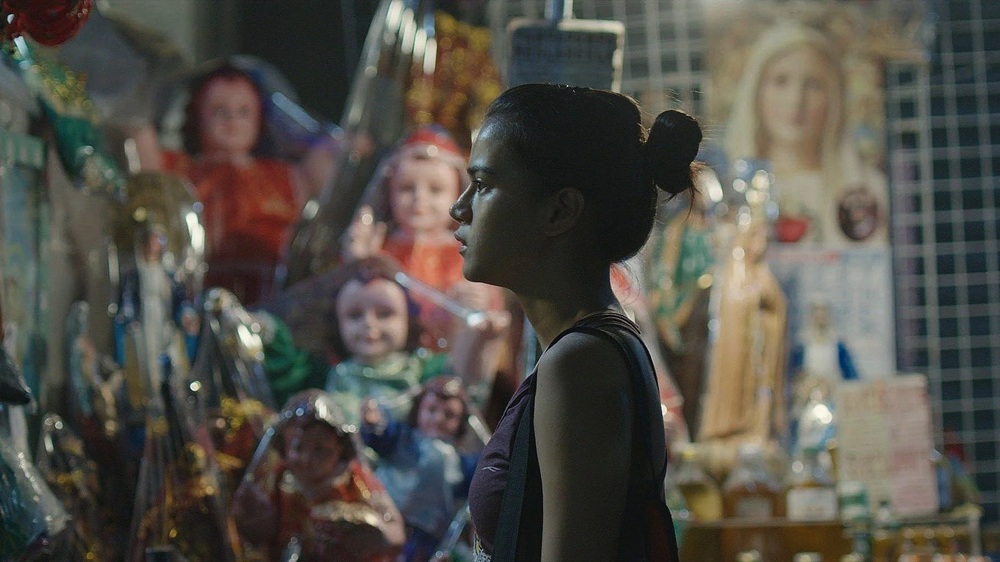
7. Sunshine (dir. Antoinette Jadaone)
Philippine cinema has long circled around certain realities, careful not to look too directly at them. âSunshineâ does not share that hesitation. In taking on teenage pregnancy and abortion, subjects still burdened by legal, religious, and cultural silence, Antoinette Jadaone delivers one of the yearâs most forthright and compassionate works. It is a film anchored in empathy and clarity of intent.
At its center is Sunshine, a teenage rhythmic gymnast on the cusp of national competition when her body forces a reckoning she is unprepared for. Maris Racal gives a performance of remarkable restraint, allowing fear, denial, and resolve to surface through gesture as much as dialogue. Jadaone follows her closely, refusing melodrama in favor of patient observation and trusting the burden of each decision to register on its own.
What distinguishes âSunshineâ is how attentively it maps the moral terrain surrounding its protagonist. The film is keenly aware of the contradictions of a country that preaches compassion while enforcing shame, where faith, family, and law collide with personal autonomy. Small details accumulate into a portrait of a society that polices choice even as it looks away from consequence. All these reinforce the filmâs central concern: who is made to carry the burden when choice is denied.
Jadaone never softens her stance, and that refusal feels vital. âSunshineâ earns its place on this list not just for its bravery, but for its precision. And carried by Maris Racalâs finest work to date, the movie approaches bodily autonomy head-on, trusting plain language and emotional honesty to do the work.
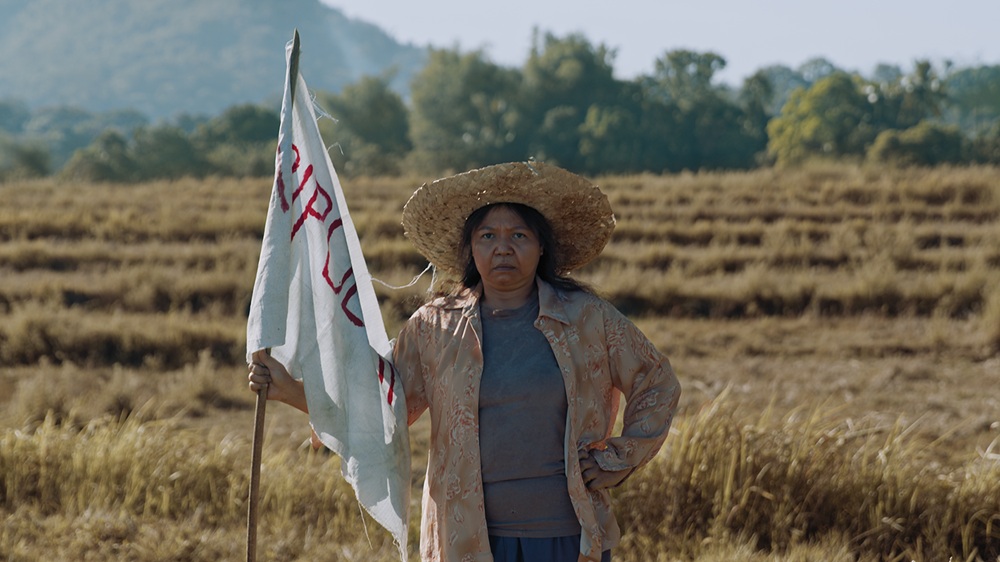
6. Republika ng Pipolipinas (dir. Renei Dimla)
At first glance, âRepublika ng Pipolipinasâ sounds like a joke taken to its logical extreme. A woman loses the land her family has tilled for decades and responds by declaring independence, founding a micronation of one ruled by her own stubborn will. But what Renei Dimla achieves through this mockumentary framework is something sharper and more unsettling: a political satire that finds clarity in absurdity without ever belittling the people it speaks for.
Geraldine Villamilâs Corazon Vitug is the filmâs gravitational center. Her performance is fearless in how it balances humor and hurt, allowing Coraâs malapropisms, rituals, and improvised governance to read not as buffoonery but as survival. Every mispronounced word and offhand declaration becomes a reminder of how language itself can fail those excluded from power. Dimlaâs affection for mockumentary traditions is evident, yet her control of tone keeps the film from slipping into parody. The laughter sticks because it carries rage beneath it.
The mockumentary style gives the film its pulse. Handheld chaos, fake interviews, and bureaucratic nonsense mirror a reality where resistance often feels theatrical simply because the system has grown so grotesque. Supporting characters drift in and out, some opportunistic, some sincere, all revealing how spectacle can easily co-opt dissent. One inspired turn from Alessandra DeRossi, with a celebrity version of herself entering the frame, underscores how protest is quickly repackaged once cameras arrive.
What ultimately elevates âRepublika ng Pipolipinasâ is its moral clarity. When Cora questions why patriotism always demands sacrifice from the powerless, the film lands on a truth that cuts deeper than satire. Dimla honors defiance not as heroism but as endurance. In doing so, she crafts a film that laughs, bleeds, and refuses to look away from the rot it exposes.
Continue to Part III (#5â1)


