





For a certain generation of Filipinos, the Eraserheads were more than just a band; they were a cultural shift. If being billed âThe Beatles of the Philippinesâ feels like an overstatement, it’s only because no label can quite capture the way their music embedded itself in the national consciousness. They had the scrappy irreverence of The Ramones, but their storytellingâsimple, sharp, and deeply attuned to everyday lifeâmade them anthemic.
Maria Diane Venturaâs âEraserheads: Combo on the Runâ understands this completely. The documentary, packed with interviews from the band, music historians, and industry insiders, takes a straightforward talking-heads approach, but what it lacks in visual flair, it makes up for in emotional weight. The âHeads have never been the type to mince words, and here, they finally say what fans have speculated about for decades.
The Weight of History
The film wastes no time explaining why the Eraserheads mattered. Within minutes, it situates their rise against the backdrop of the late â80s and early â90sâa post-EDSA era of democracy, freedom of expression, and, crucially, a hunger for something fresh. Their frontman and primary songwriter, Ely Buendia, had a knack for crafting deceptively simple lyrics that captured the spirit of the times, whether through the wistful nostalgia of âMinsanâ or the quiet reassurance of âWith A Smile.â
The bandâs origin story is classic rock mythology: Buendia, a student at UP Diliman, put up a dorm-room ad looking for new bandmates after his previous group fell apart. Three fellow UP students answeredâbassist Buddy Zabala, who anchored their sound with steady, unfussy playing; drummer Raimund Marasigan, who brought an experimental edge that would push the band beyond simple pop-rock; and guitarist Marcus Adoro, whose raw, almost unpolished style added a scrappy charm. At first, even Buendia himself wasnât impressed. But something clicked, and soon, this unlikely group found themselves at the forefront of a new movement in Filipino music.
Archival footage of their early days is one of the filmâs highlights, capturing the energy of a band that, despite its internal fractures, seemed destined for something big. Their ascentâgetting discovered at a university gig, cutting an album that would go on to define a generationâplays out like a fairy tale, except, of course, fairy tales donât usually end in acrimonious breakups.
Reckoning with the PastÂ
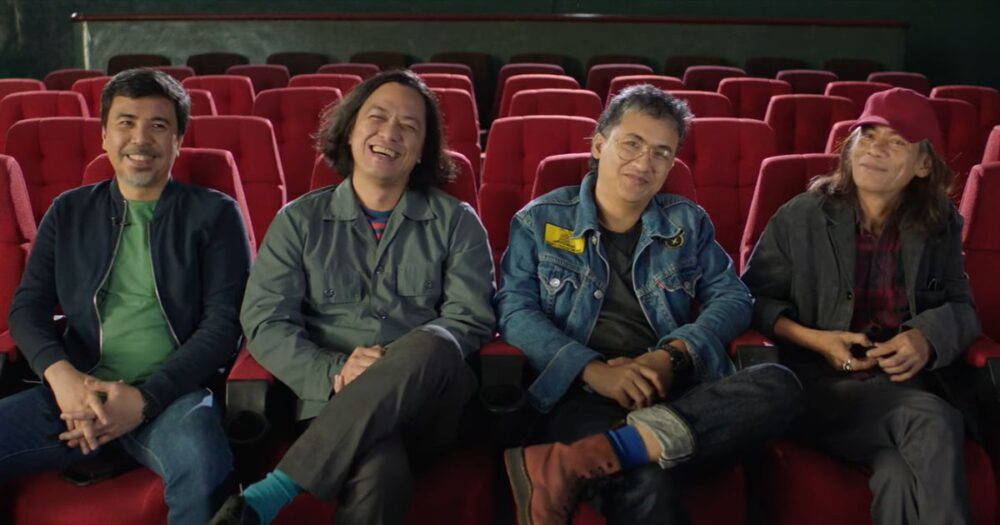
If nostalgia is the hook, then the real meat of the documentary involves its honesty about the band’s complicated relationships. The Eraserheads were never the kind of band that projected brotherhood and camaraderie. They were always a little distant with each other, and the years of speculation about in-fighting werenât just fan theories.
Ventura, who was married to Buendia during the peak of the bandâs tensions, knows exactly which wounds to press. Each member gets a chance to explain their version of events: Buendiaâs growing frustration with the trappings of fame infringing upon his personal life, Marasiganâs struggle to keep the band together, Zabalaâs disappointment with Adoroâs often erratic playing. The resentment built up over years of unspoken grievances, even more amplified by the fact thatâas Buendia and Zabala make clear more than once in the filmâthe guys grew up in a time when men didn’t normally talk about what they really felt.
[Related Review: âWho By Fireâ: Philippe Lesageâs Slow-Burn Examination of Fractured Egos]
When Music Brings People for HealingÂ
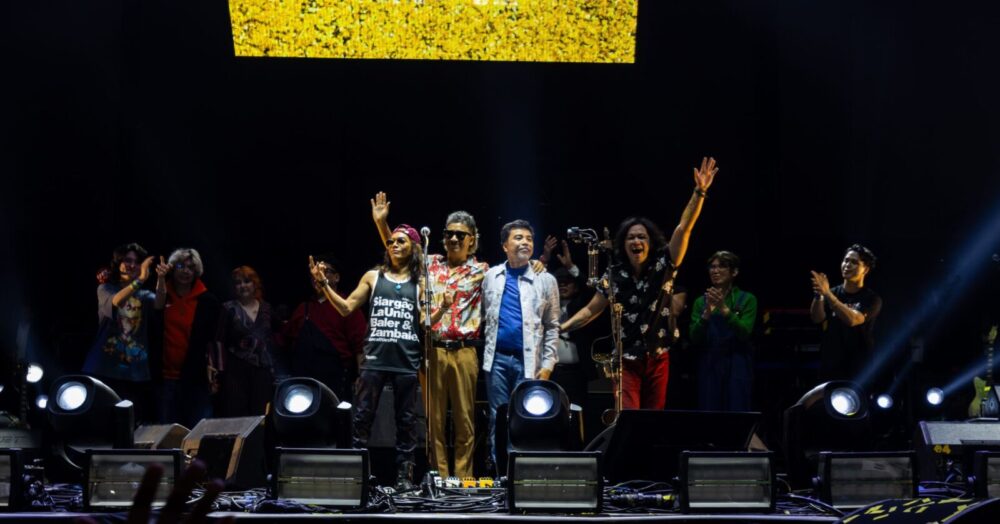
The documentary also frames their 2022 âHuling El Bimboâ reunion concert as not just a comeback, but an act of healing for several reasons: for a country still reeling from a still-ongoing pandemic, a politically divided nation, and most importantly, for the band itself.Â
Interestingly, this reunion was preceded by a viral Twitter exchange in 2021, where a fan asked Buendia if an Eraserheads reunion was possible. His half-serious reply: “Pag tumakbo si Leni” (“If Leni runs”). Days later, then-Vice President Leni Robredo announced her presidential bid. While Buendia later clarified that he replied to the post in jest, the timing added a layer of political symbolism to the band’s eventual return.
The documentary subtly weaves this narrative, highlighting how the Eraserheads’ music continues to resonate amidst the country’s socio-political landscape. Marasigan puts it best: âSeeing the band is like [seeing]your ex-girlfriendâyouâre just happy you donât hate each other.â Itâs a stark but accurate summation of where they stand now.
The Adoro Problem
And then thereâs Marcus Adoro.
The film does not ignore the elephant in the room, addressing his documented history of abuse allegations. But the way the film handles it feelsâ¦uneasy. The documentary presents his side of the story, with Adoro claiming to have sought help, but his victims’ voices are notably absent. Itâs an omission that sticks out, especially in a film so committed to truth-telling.
And this is where âCombo on the Runâ raises an interesting question: What makes a great documentary? Is it one that presents every angle, no matter how uncomfortable, or is it one that sticks to a specific perspective, in this case, the bandâs? The film is refreshingly candid about the internal conflicts of the Eraserheads, but when it comes to Adoroâs controversy, it hesitates. Unlike the bandâs long-standing creative and personal disputesâwhich Ventura gives ample space to breatheâthe documentary handles Adoro’s issue briefly. Then, it completely brushes it aside, as if closure has already been reached.
That gap in storytelling undermines what is otherwise a deeply introspective film. The documentary is about reconciliation, but for whom? If the Eraserheads are finding peace with each other, thatâs one thing. But when one of them has unresolved allegations that go beyond mere band tensions, the idea of âclosureâ feels incomplete. The filmâs biggest strength is its honesty, but it falters when that honesty becomes inconvenient.
The Eraserheadsâ Final Chord
For all its flaws, âEraserheads: Combo on the Runâ succeeds in what it sets out to do: it gives the Eraserheads the space to tell their story, on their own terms. Itâs not an investigative deep dive, nor does it try to be. Instead, itâs a confessionalâsometimes funny, sometimes painful, but ultimately honest.
And then thereâs the moment that stays with me. Near the end of the film, a montage plays: the four of them bonding over dinner, singing with family and friends in a karaoke bar, on the road together for their world tourâall visibly at ease, with none of the tension that defined their earlier years. Over this, their song âBalikbayan Boxâ plays, with Buendiaâs voice repeating, “Umuwi na tayo, hey hey hey” (“Let’s go home, hey hey hey”). Itâs a simple refrain, but in this context, it cuts deep. After everythingâdecades of friction, breakups, reconciliationsâyou canât help but wonder: Do they finally see each other as home?
Personally, Iâd like to think so.
As the film closes, Buendiaâwho once famously declared that they were never really friendsâoffers a quiet retraction: âWe were never not friends. We just had a falling out.â Itâs not exactly a grand reconciliation, but itâs something.
Take that, Glenn Frey.


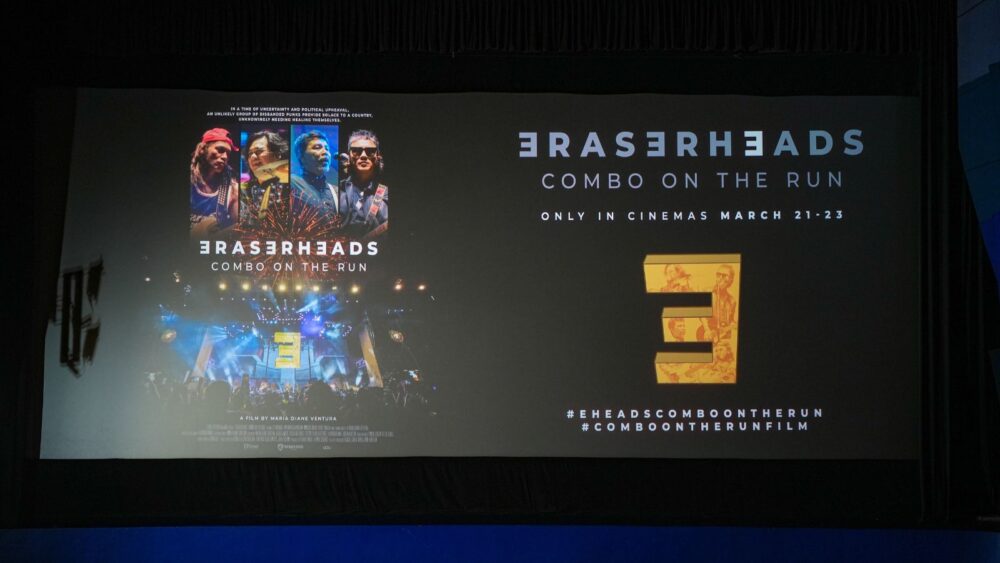
Maria Diane Ventura’s “Eraserheads: Combo on the Run” served as the opening film at the second Manila International Film Festival (MIFF) last March 4, 2025. The film will have a limited release in select theaters across the Philippines from March 21 to 23, 2025. Follow us for more coverage.




