Atom Egoyanâs films have always exuded operatic flair. The characters are so tortured by the past they rebel against the present. And the root causes of the torment are so horrifyingâfamily deaths, sexual perversion, etc.âthat their lives must hit a trough of despair before inching upward towards a crescendo. Egoyan himself is a seasoned opera director (and classical music aficionado), so it makes sense his cockeyed riff on â8 ½â (1963) would concern a theater woman past the verge of a nervous breakdown. A madcap, capital M melodrama, Egoyanâs âSeven Veilsâ is a giddy mash-up of meta references (including clips from the Canadian Opera Companyâs “Salome,” which Egoyan directed several times) whose closest relativeâbesides Egoyanâs oeuvreâis daytime television. Ratcheting up tension and histrionics equally, the film builds to a shriek and releases, conjuring a pitch-imperfect aria coming straight from the shattered soul of a modern-day Salome.
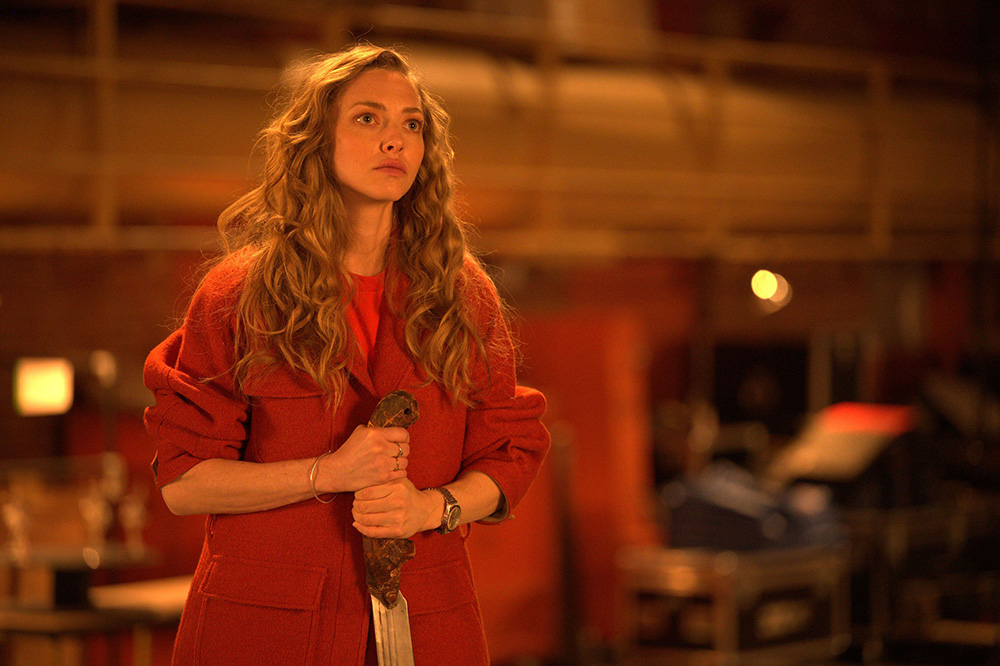
Amanda Seyfried plays Jeanine, a regional theater director whoâs tasked with remounting her mentor Charlesâs successful “Salome” from decades earlier. To say Jeanine accepts the offer is a bit misleading: it was Charlesâ dying wish that Jeanine direct the updated version, and so his widow Beatrice (Lanette Ware), the head of the opera company, grits her teeth and obliges. At a press conference, Jeanine speaks warmly about Charles, although she rouses some fear when mentioning that she might make some minor changes. That Charles and Jeanine had an affair might be, in some films, the central conflict, and Beatriceâthe brooding woman scornedâvows to punish Jeanine. While jealousy and revenge are major themes in âSeven Veilsââand throughout Egoyanâs workâthe Beatrice/Jeanine dynamic serves more as a symbol (the two never speak or meet face to face on screen) for the broader unraveling.
Adults Repeatedly Fail Children
In flashback sequences, Jeanine unwittingly revisits her formative connection to “Salome,” occurring long before she worked on it with Charles. When she was a child, Jeanineâs father would videotape her, tying a blindfold (to heighten her other senses) around her head, putting her at his mercy. Heâd instruct her to dance, gyrating to his feverish encouragement, that breathless urgency mimicking Salomeâs father Herod during the “Dance of the Seven Veils.” The amateur footage would later serve as background imagery for Charlesâ remake, although for Jeanine, the earlier experience was unequivocally harrowing, a tangible representation of her fatherâs repeated abuse. The foggy lens and off-kilter angles from Cinematographer Paul Sarossy personifies the grief, infecting older Jeanine at her most vulnerable, the memory vaulting her into permanent imbalance.
Adults repeatedly fail children in Egoyanâs world, but âSeven Veilsâ is more than just a recycling of old material. The most lurid abuse here is implied rather than revealed explicitlyâas Sarossy did so chillingly in âThe Sweet Hereafterâ (1997)âand itâs heartbreaking to watch Jeanine confront her mother Margot (Lynne Griffin) over FaceTime. Not only is the operaâs opening night approaching, but Jeanineâs marriage is failing, and her life is starting to feel closer to Oscar Wildeâs source material than reality. Despite Margotâs dementia (everyoneâs got something!), she knew her husband was a monster and still, Jeanine has to be the one to find words for it. Failing to do so, she moves further away from her life and closer to Salome, paying tribute to the Biblical figure with a climactic beheading, resulting from a laughable yet cagey quid pro quo that Jeanine proposes to her husbandâs mistress (who also happens to be Margotâs nurse!).
Egoyan’s Opera Tribute
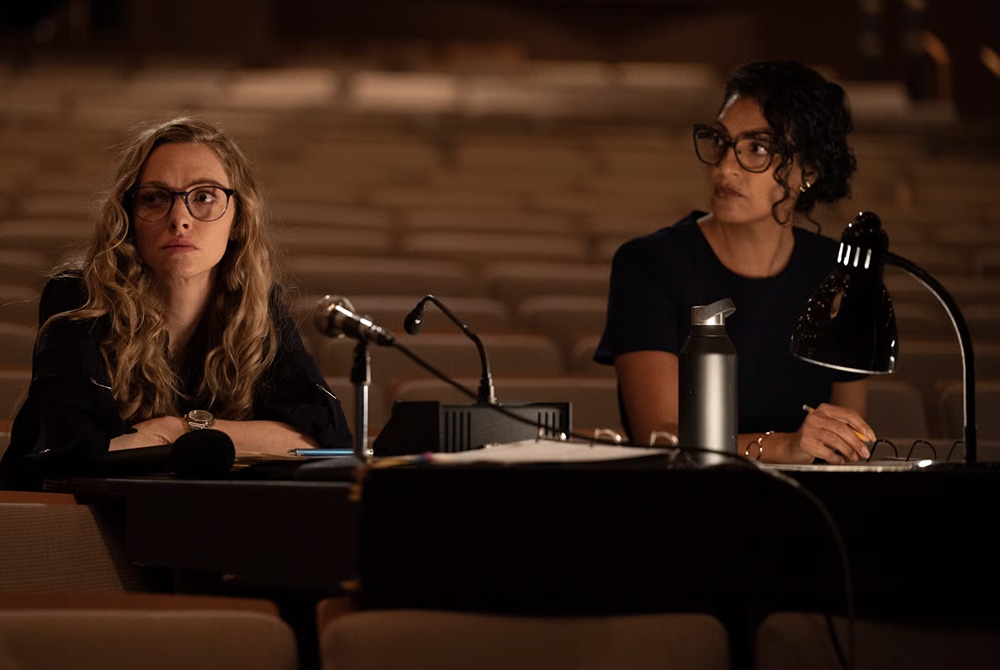
Egoyan practically trips over himself to provide nearly a dozen characters with full backstories and satisfying narrative arcs. Some land flat, or donât cohere, but Atomâs gonna Atom, and itâs inspiring to witness this humane filmmaker juggling his customarily sprawling ensemble. âSeven Veilsâ transforms from an opera tribute to an actual soap opera, but Egoyanâs kinetic storytelling conjures the manic youth of a scrappy anti-commercial filmmaker. Egoyan remains a true original, and his âExoticaâ (1994) has to rank among the most important independent films of the last thirty years. That he hasnât made a better film sinceâand maybe never willâspeaks to his insatiable risk appetite, a willingness to craft intimately personal films that gaze outward while reflecting inward. He may repeat themes but each film is singular in its approach to pain and healing, and in âSeven Veilsâ itâs a joy to spend time in his (unsevered) head.Â