





This interview has been edited for clarity.
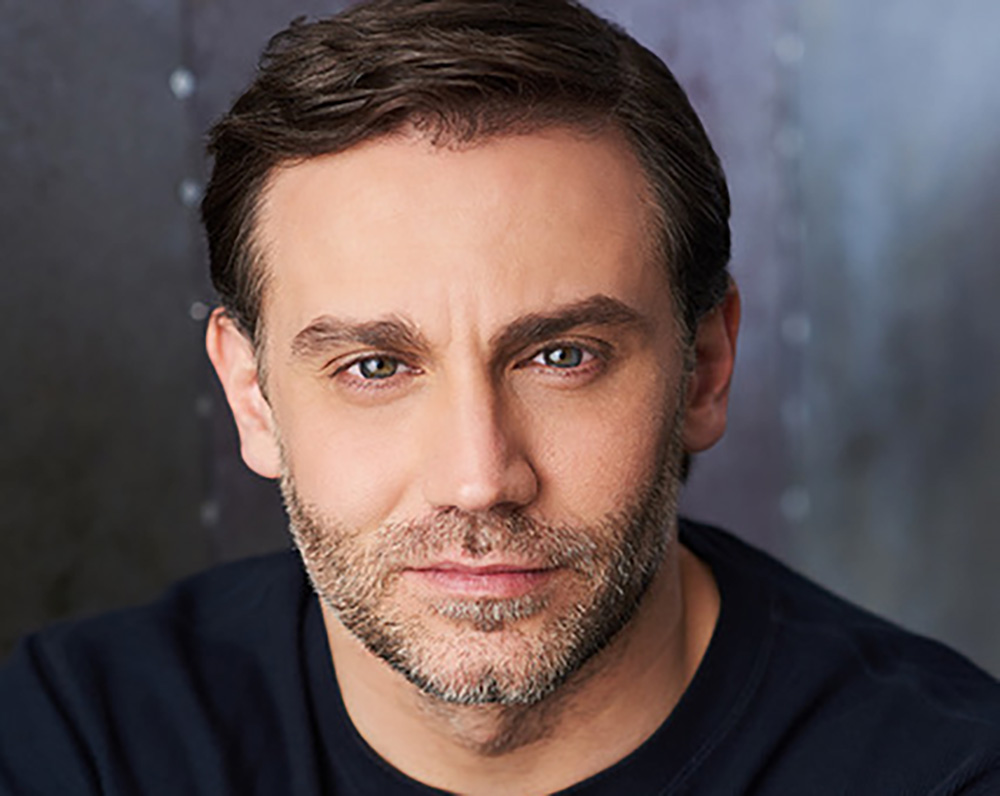
Short films have always been a place to foster big ideas, and Ashley Tabatabai’s âHamdardiâ is no exception. The film, at only 25 minutes, flashes back in time to 2017. It views the Muslim travel ban through the lens of airport workers, customs agents, and families trying to connect with loved ones.Â
âHamdardiââalso starring Tabatabaiâreleased in 2023, and after a short theater run qualified for the 2025 Oscars. While we won’t discover those determinations until December, The Movie Buff had the chance to talk to Ashley about his short filmâderived from both personal experience and social commentaryâas the film heads off for consideration for âBest Short Filmâ at next year’s Academy Awards.
A Human, not Political Film
While the travel ban can be a heated political topic, in our interview Tabatabai stressed his film is not political. This is the result of the empathy the filmmaker brings to the short, and also a personal connection. âIâm many things,â Tabatabai stated, âand one of those things is half Iranianâmy dad is from Iran.â Tabatabai elaborated that his cousinâfrom Iranâwas separated from her family in the United States during the travel ban. When her dad became ill and she couldnât visit him, it set the stage for Tabatabai to really look at these systems and how they affect people on a personal level.
âAll these things we take for granted,” Tabatabai said. “And I think they should be basic human rights⦠but she just couldnât [visit]because she was on a list,â Tabatabai finished.Â
And that is the crux of the importance of âHamdardi.â Itâs a chance to see peoples’ stories, not just the headlines we see in the news.Â
As stated, Tabatabai wanted to emphasize the film is not political in scope, though it does deal with a political event. He mused on how the human element was lost amidst stats and other news items on the ban. âThe word refugee was used a lot,â he said. âBut not everyone from those countries was a refugee. ⦠A lot of those people were no different than me or youâthey just wanted to see their family, who were living in the U.S.âÂ
Connecting to Real, Flawed Characters
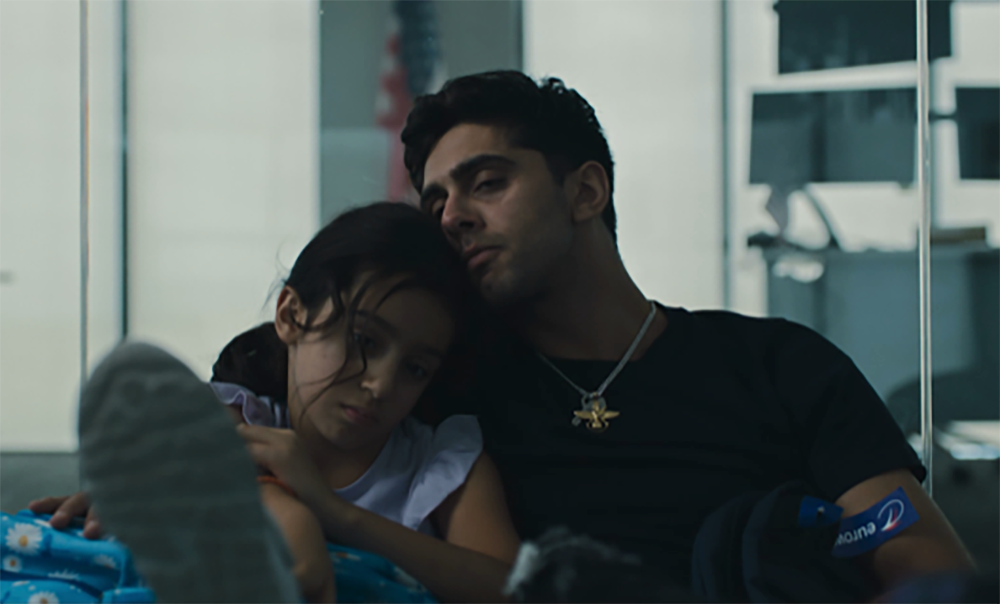
What works about âHamdardiâ on a deeper level is the connection and empathy Tabatabai and co-Director Stefan Fairlamb bring to their lead, Â Ethan Reynolds. Reynoldsâplayed by Tabatabaiâis someone we can relate to. Heâs in the middle of a custody battle with his ex-wife, and we glean heâs not on the winning side. He views his jobâas a customs agent at an airportâas a key to work his way back to his children even as court dates and lawyers loom over his head. In this way, Reynolds is very much on the receiving end of the system, while spending his days as a customs agent on the giving end. Itâs a story arc that makes his character work and maintain his relatability.Â
A question viewers of âHamdardiâ may be curious about is the timing of the film. It’s now late 2024âwith another Trump presidency looming on the horizonâyet the film came out almost 7 years after the ban was initiated. âI had the intention of filming [âHamdardiâ] maybe a year after,â Tabatabai stated. However, he shared family health issues delayed some of the proceedings, as well as the world plunging into Covid-19. Yet Tabatabai views this as a blessing. âIt gave us the time to prep things properly, and make the connections to really benefit usâfor an example, our casting director.â Connecting with Amy Jackson led to casting elements they may not have gotten without her. âIt would have been a different film,â he finished.
A Love of Acting
Tabatabai also shared connecting with Fairlamb was borne out of a relationship that began from Ashleyâs love of acting. âIâm an actor first and foremost,â he said. âI was in his grad film⦠but we wonât talk about the grad film,â he laughed. However, Tabatabai elaborated Fairlamb has a background in editing, and brought a lot to the film to help tell its story. âHe knew the editing side⦠he knew how to cut on-set, in his mind… and he knew the vision.âÂ
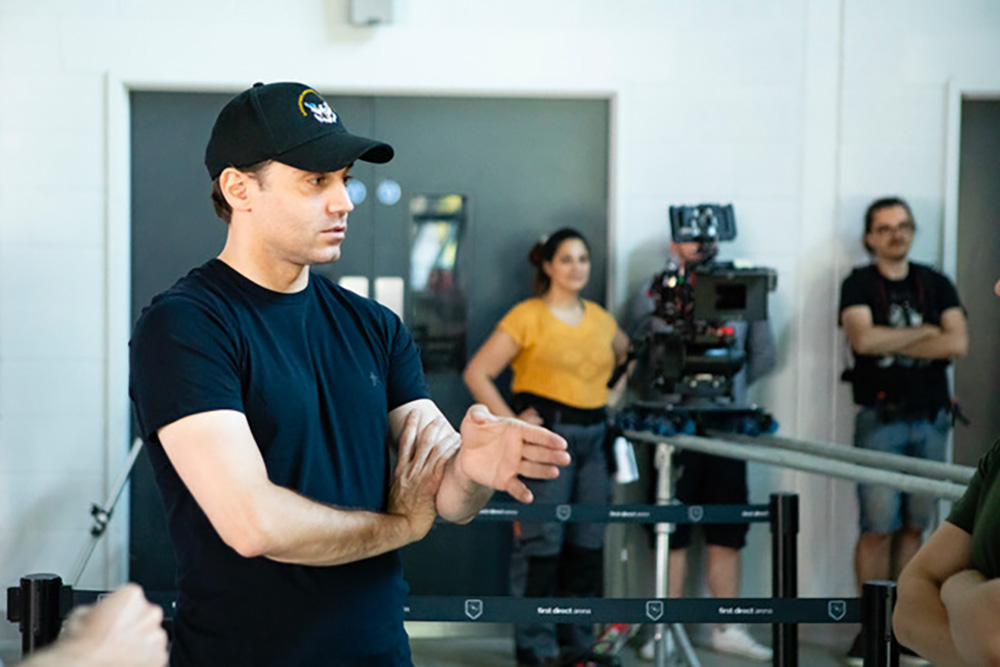
One thing âHamdardiâ does well is its set design. A majority of the film takes place in an American airport, shifting between a brother and sister sitting in detention, and the line of passengers waiting to board, or disperse and see relatives. However, Tabatabai stated that while youâre visually sure that the film takes place on-set at an airport, not only was it not filmed in an airport, it was also filmed in the U.K., and not the United States.Â
An Arena Becomes an Airport in ‘Hamdardi’
âWeâre based in the U.K., so itâs a U.K. production,â Tabatabai stated. âBut for all the airport stuff we used an events arena called the First Direct Arena⦠and used the concession concourse they had there and basically just did a mixture of tight shots and angles that werenât too revealing.â He paused. âAn American flag is a HUGE prop to have,â he added.Â
Talking about the casting process, Tabatabai shared some of the cast were friends heâs known for a while, also explaining he didnât want some of the characters with more closed-minded roles to be made into caricatures. He shared the filmâs chief antagonist, Mark Mullen (played by Hank Henson) and the filmâs moral compass (played by Helene Maksoud) were on board since the very beginning. âHenson had no reservations about portraying this character. I never wanted him to be like this trophy-like âbad guy,â Tabatabai said. âItâs more that heâs human.âÂ
This goes a long way to giving the film power. As stated in my review, the system comes into play in a big way during “Hamdardi.” This is seen by showing how Reynolds is fighting with the system for his kids, while Mullen advocates for the system on a daily basis. He’ll even say to Reynolds in casual conversation how you must âtrust the system.â That Mullen has never had to rely on the system, but only enforce it, is a point not lost on viewers.Â
Imparting Empathy and Understanding
Films like this, howeverâcentered on emotional and political themesâsucceed by imparting empathy and understanding to people who may not have firsthand experience. âThatâs the hope,â Tabatabai said. âInitial feedback is good⦠of course some people from those parts of the world⦠itâs a [sense]of feeling heard or understood. And on the other side, I think people are saying that they do feel compassion for what those kids go through in the film.âÂ
Tabatabai also emphasized the film is also about how far weâas citizensâare willing to follow the system without listening to our own moral compass. âThe [film]is really mirror of how labels serve us to a point⦠but to the extent that they then divide us.â We can see this by viewing “Hamdardi” closer. The main character goes through this arc; heâs been told not to be empathetic to these people due to his job⦠but it becomes a point where he can ignore it no longer.Â
Watch on YouTube
For those interested in checking out âHamdardi,â the film is currently available on the âOmeletoâ YouTube channel. You can also watch the filmâs trailer in the window below. (Note: the film will be available on YouTube for now, but may be taken down if necessary for Oscar guidelines).
We thank Ashley for his time, and wish him luck in the 2025 Oscars. More information about the film can be found at IMDb. Follow The Movie Buff for more information as the 2025 Oscars near.Â





