





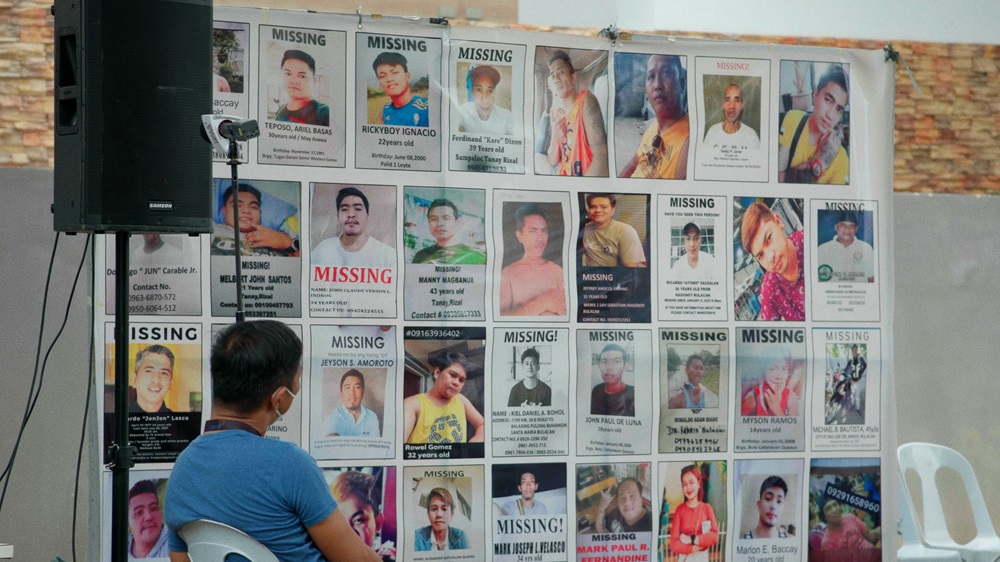
Bryan Kristoffer Brazilâs âLost Sabungerosâ is a daring documentary that delves into one of the Philippinesâ most unsettling unsolved cases in recent years, the disappearance of 34 cockfighters, or sabungeros, from different parts of the country between 2021 and 2022. The film follows families as they pursue answersâdespite authorities seeming ready to move onâand as they question whether justice in their country is accessible to anyone but the powerful.
By capturing both the cultural backdrop of sabong (cockfighting) and the emotional toll on families left behind, Brazil and his team bring forward a story that packs a sense of urgency and a broader reflection on a justice system that often fails those without influence.Â
More QCinema Coverage: âAll We Imagine as Lightâ Meditating on the PersistenceâDespite the Impermanenceâof âHomeâ
A Centuries-Old Bloodsport and a Modern-Day Mystery
Sabong has long been a staple of Filipino culture, a centuries-old practice combining entertainment with social camaraderie. Here, the audiences place their bets on the winning rooster, making the sport a haven for gamblers and hustlers.
When the Covid-19 pandemic hit, cockfighting shifted to online platforms, creating a highly profitable yet more dangerous industry of e-sabong. This digital shift turned fatal when 34 sabungeros vanished mysteriouslyâsome abducted from their homes by armed men, others from cockfighting arenas.
Despite extensive investigations by the Department of Justice, Philippine National Police, and the National Bureau of Investigation, as well as hearings in the Senate, not a single missing sabungero has been located. Brazilâs film bravely reopens this mystery, capturing familiesâ endless pursuit of truth, even as the public and authorities seem ready to abandon the case.
âIs Justice Really Only for the Rich?âÂ
The story of âLost Sabungerosâ is anchored by the real lives of its central characters, families and loved ones who refuse to give up on finding those theyâve lost. Among them are the families of John Claude Inonog, a driver last seen traveling to an event at the Manila Arena to transport cockfighters; Ricardo âJon Jonâ Lasco, abducted from his home by armed men; and Edgar Malaca, a local town deputy who disappeared after attending a cockfight.
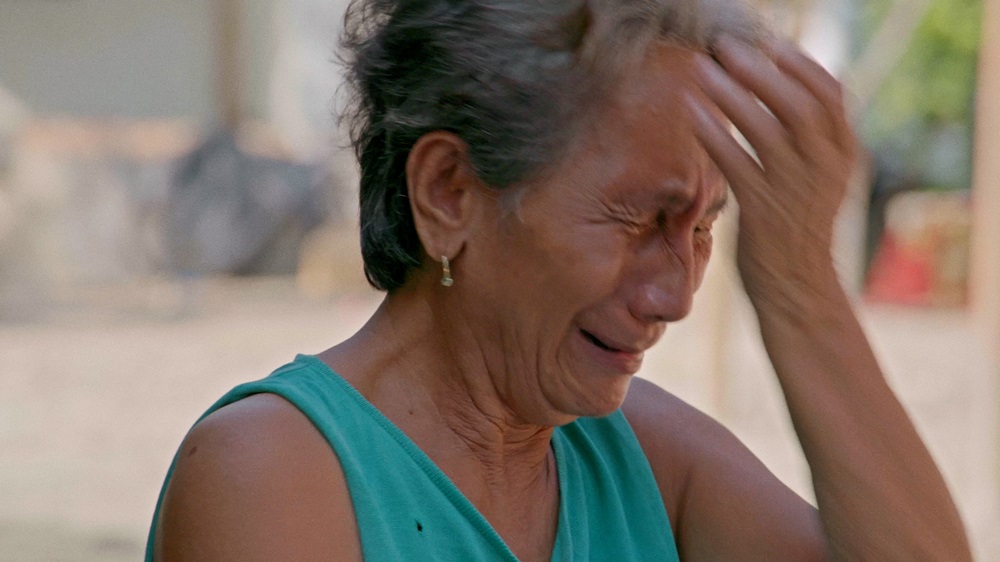
Inonogâs father, visibly distraught, pleads in the film for his sonâs return, saying, âWe donât want trouble, because we will never win.â Statements like these capture the helplessness these families feel, especially as they try to seek justice in a system where wealth and connections often carry more influence than truth.
While the film builds empathy for these families, âLost Sabungerosâ also sheds light on the larger issue of unchecked power. Malacaâs mother asks at one point in the film, âIs justice really only for the rich?â As the filmâs central theme, these disappearancesâhappening if not in broad daylight then in the open, and left unsolved after yearsâecho the broader culture of impunity within the Philippines. The filmmakers drive their point loud and clear that the pain inflicted on these families is inseparable from the deep-seated societal issues that surround them.
More QCinema Coverage: âThe Count of Monte Cristoâ: A Thoughtful, If Rushed, Study of Revenge and Redemption
Highs and Lows of a Televisual ApproachÂ
As an investigative piece, âLost Sabungerosâ excels in its detailed research and dedication to uncovering hard truthsâa testament to Brazil and the whole teamâs experience working at GMA Public Affairs, known for producing high-quality, fact-driven journalism. Over two years in the making, the documentary pieces together a narrative with raw interviews, archival footage, and moments of everyday anguish.
Nonetheless, the film sometimes stumbles under the weight of its own storytelling choices. There are scenes that lean into melodrama which, while impactful for television, can come across as heavy-handed in a documentary. On the other hand, some of the visual choices (blood effects over the photos of the missing, half-baked performances of some actors in reenactment scenes, gruesome eyewitness accounts luridly rendered in animation), feel heavy-handed, even as they attempt to heighten the gravity of the material.
The whistleblower character âAngeloâ adds another layer of intrigue, though some viewers may find his inclusion feels staged. While Angelo provides insight into what may have happened to the missing sabungeros, his statements donât advance the case in any significant way. This element, coupled with a few inconsistent tonal shifts, can at times make âLost Sabungerosâ feel less investigative and more sensational than intended. However, these decisions donât entirely overshadow the documentaryâs strengths, particularly its commitment to portraying the heartbreaking reality of families left in limbo.

A Documentaryâs Struggle for the Right to Screen
âLost Sabungerosâ faced considerable hurdles even before it reached audiences. Originally slated for a world premiere at this yearâs Cinemalaya Philippine Independent Film Festival, the film was unexpectedly pulled from the lineup just days before its scheduled debut. The festival organizers cited âsecurity concerns,â though no specifics were given, leading to speculation that powerful individuals might have influenced the decision. For Brazil and his team, this was a deeply frustrating moment, as they were not only deprived of a platform but also felt that the filmâs subjectsâthe families of the missingâwere once again silenced.
After the Cinemalaya cancellation, QCinema International Film Festival stepped forward to offer the film a screening in its Special Screenings section, giving âLost Sabungerosâ a second chance to be seen. Brazil reflects on this experience as a moment of censorship, expressing disappointment not only for his team but for the families hoping their stories would reach a broader audience.
âLost Sabungerosâ: A Vital Reflection on Filipino SocietyÂ
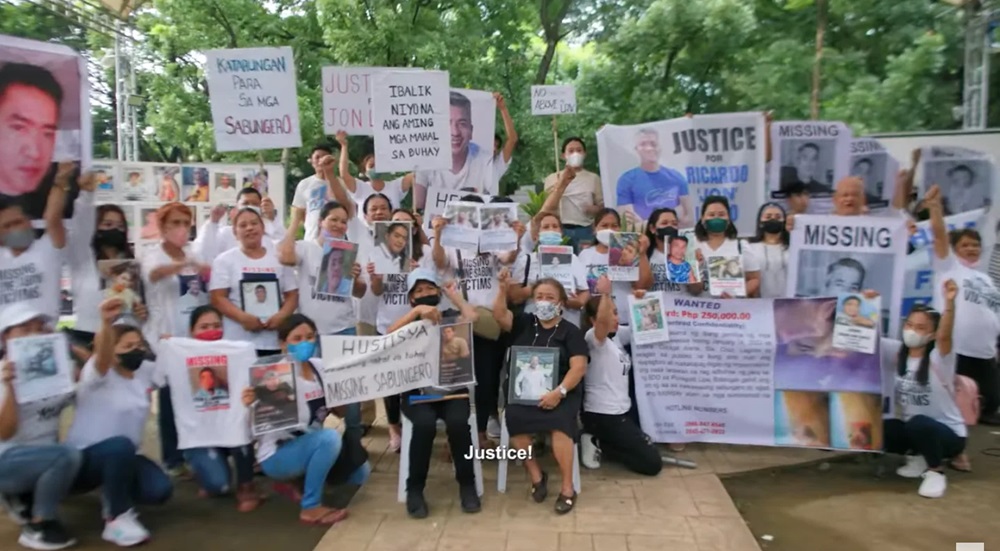
Beyond being an exploration of a cold case, âLost Sabungerosâ serves as a powerful reflection of Filipino societyâs struggles with accountability. Families have exhausted every legal avenue, filing cases, only to retract them later due to undisclosed reasons. One of the victimsâ families apparently even settled out of court, when several scenes earlier they were at the frontline of demonstrations, vowing never to agree even to multimillion-peso settlements.
But as audiences invested in their cases, can we blame them for choosing to just settle and do the unthinkableâmove on? Not necessarily, and for good reason. Even with the filmâs uneven approach to storytelling, the filmmakers manage to show the resilience of the other family members, ordinary Filipinos who come from poorer backgrounds who endure unimaginable loss. Despite that, they continue to fight for justice, even as the odds seem permanently stacked against them.
In more ways than one, this film reminded me a lot of JL Burgosâ âAlipato at Muog,â (lit. âFlying Embers and a Fortressâ), another documentary that tells the story of a victim of enforced disappearance carried out by people in power.
Interestingly, that film made the cut in this yearâs Cinemalaya.Â
One of the Most Important Philippine Films of the YearÂ
âLost Sabungerosâ is undeniably among the bravest and most important Philippine documentaries of the year, pushing the boundaries of investigative cinema and revealing a world of secrecy and abuse surrounding e-sabong. Brazilâs direction, supported by screenwriters Lee Joseph M. Castel, Mary Zeliet Paris, and Mark Roland Romas, brings a sense of urgency and humanity to a case that risks fading into memory, made all the worse by seemingly apathetic people in power.
The film may have its flaws, particularly in some of its dramatic choices, but it never loses sight of its mission: risking its own censure to give voice to the voiceless and call for accountability. While it might not provide the closure that these familiesâand us, the viewersâhope for, it shines a spotlight directly on the persistence of injustice and the courage of those who wonât let their loved ones be forgotten.


A Philippine production, “Lost Sabungeros” had its world premiere in this year’s QCinema International Film Festival under its Special Screenings section. The festival runs from November 8 to 17, 2024. Follow us for more coverage.




