


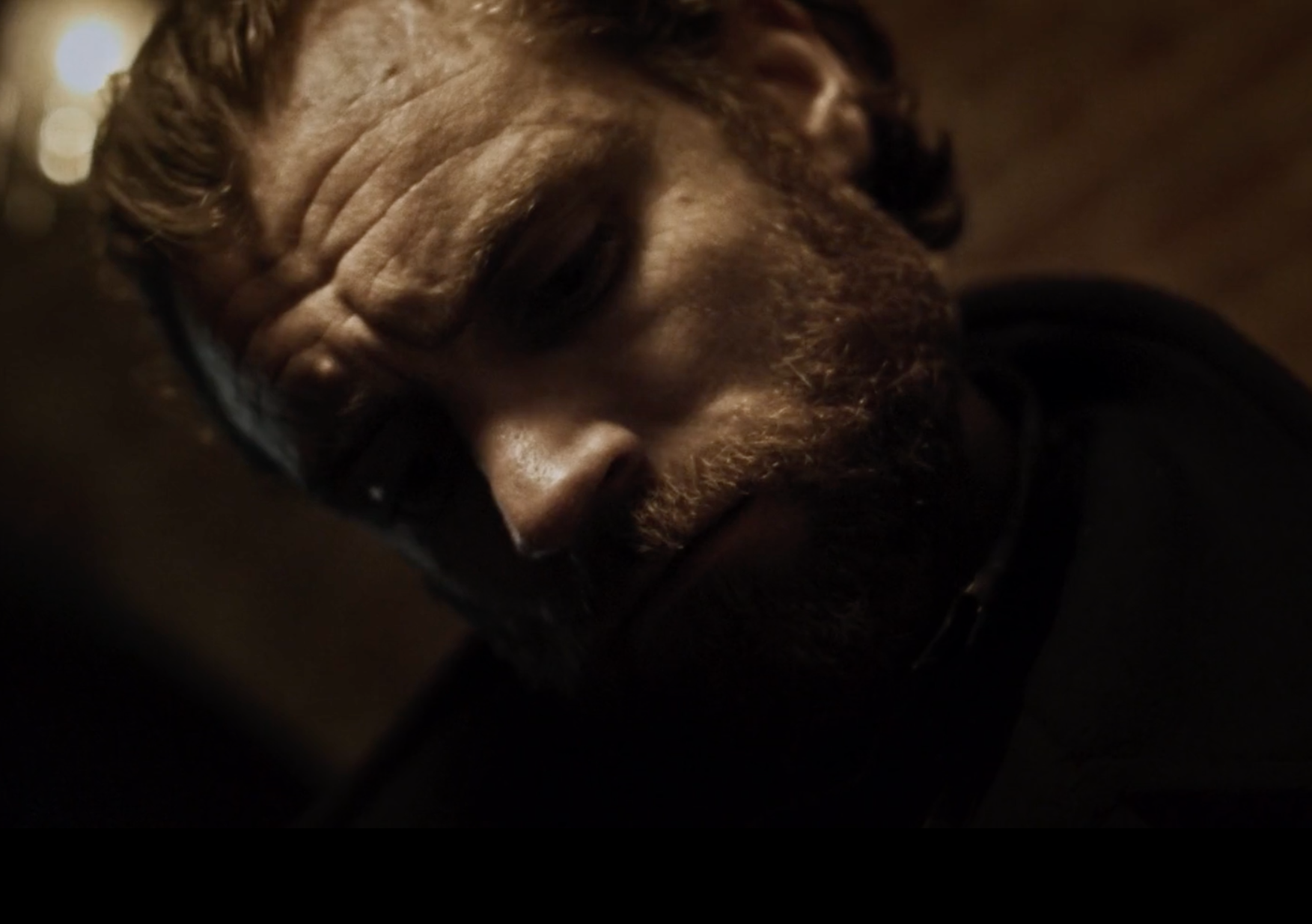
“The Observer Effect” is an indie short written and directed by Irish filmmaker Garret Walsh. The length of the film – under 19 minutes – fits the material, which is macabre and dark. This is a filmmaker’s film, one of style over substance, of lingering cameras and score over progression. The movie, filmed in Ireland – mostly Naas, Leixlip, and County Kildare – paints a dreary portrayal of a stalker-type scenario that immerses viewers completely in the experience. Ardent fans of indie films will appreciate the film’s style and cinematography, though its lack of linear narrative may alienate some looking for something a little more straightforward.
We’re introduced to the film’s key players early on. We have a woman named Maeve, played by Vanessa Emme and a male co-worker named Cian, played by Brendan Sheehan. A quick search reveals that Emme has been in a host of indie shorts and TV mini series, and her camera presence here shows she is a gifted physical actress. Sheehan has a similar indie resume. Both preform well with difficult material and a dearth of dialogue. The few lines between then come easily and believably. Walsh seems to know how to write dialogue, and there’s no real script issues to speak of.
A third actor – Patrick O’Brien – plays the mysterious ‘Observer.’ He’s an enigma, a man who lurks in the shadows, cast in darkness and hidden from sight. O’Brien has 13 film credits to his name since 2013, and he takes a difficult role and turns in an apt performance. O’Brien has not one piece of dialogue the entire film, but manages to imbue dark characteristics and fear through insinuation. He reminded me of Nick Castle from Carpenter’s timeless “Halloween;” there’s nothing special or profound about his movements, but somehow the movements themselves allude to deeper things the film can only hint at.
 “The Observer Effect” plays with cinematography in pleasing ways. The photography is done by Phillip Blake, and he buries most of the film in darkness; aside its opening and a few scenes which take place in brightly lit indoor venues which provide hints of safety amidst the threats it portrays. He also plays with color to pleasing effect. Cian and The Observer are clad in blacks for the film’s run, while Maeve is garbed in a bright red overcoat, reminiscent of the little girl from Speilberg’s “Schindler’s List.” Red can mean many things…passion, anger, rage, desire. Here it stands for danger and the unknown. Make no mistake – Maeve is in danger, but it’s not what you think.
The film pulls you into its world deeper with its soundtrack, full of low droning bass and ethereal suggestion. It’s not a film of jump scares and conventional tactics, but one that pulls back, throws a lot of suggestions at the audience, and lets them decide. One scene, as Maeve rummages through The Observer’s ramshackle hovel of an apartment, finding pictures of herself and other things, is particularly significant in its effect. The cameras linger between her findings and facial closeups. It’s not a scene meant to scare, but to intrigue. We’ve already seen the danger and gleaned that it’s passed. This is a scene of discovery; but, like many indies, explanations aren’t forthcoming. The end is as bizarre as the film, and presents more questions than answers.
 The film also, wether intentionally or not, explores themes of toxic masculinity and rape culture, though this is handled in a subtle way that suggests it, rather than forcing it on the viewer as a moral. We’re told growing up to beware of strangers (especially ones lurking in the shadows); but this film makes a strong statement of what we now know to be correct. It’s often those we trust that provide the biggest threats. Most rapes occur not by strangers, but by people we know. A sense of caveman entitlement runs through certain characters in “The Observer Effect.” More can’t be said without spoilers, but I found the points intriguing nonetheless.
“The Observer Effect” isn’t a perfect film. It’s short and taught, and doesn’t drag at all. However, it’s on the abstract side, which will make you think, and its ending is off color and illusory. But the film has good acting, enticing set pieces, and visually appealing cinematography. Walsh pulls us into his world and keeps us there for 19 minutes. The film won ‘Best Overall Short Film’ at The Richard Harris International Film Festival and is definitely worth checking out.
– by Mark Ziobro

