

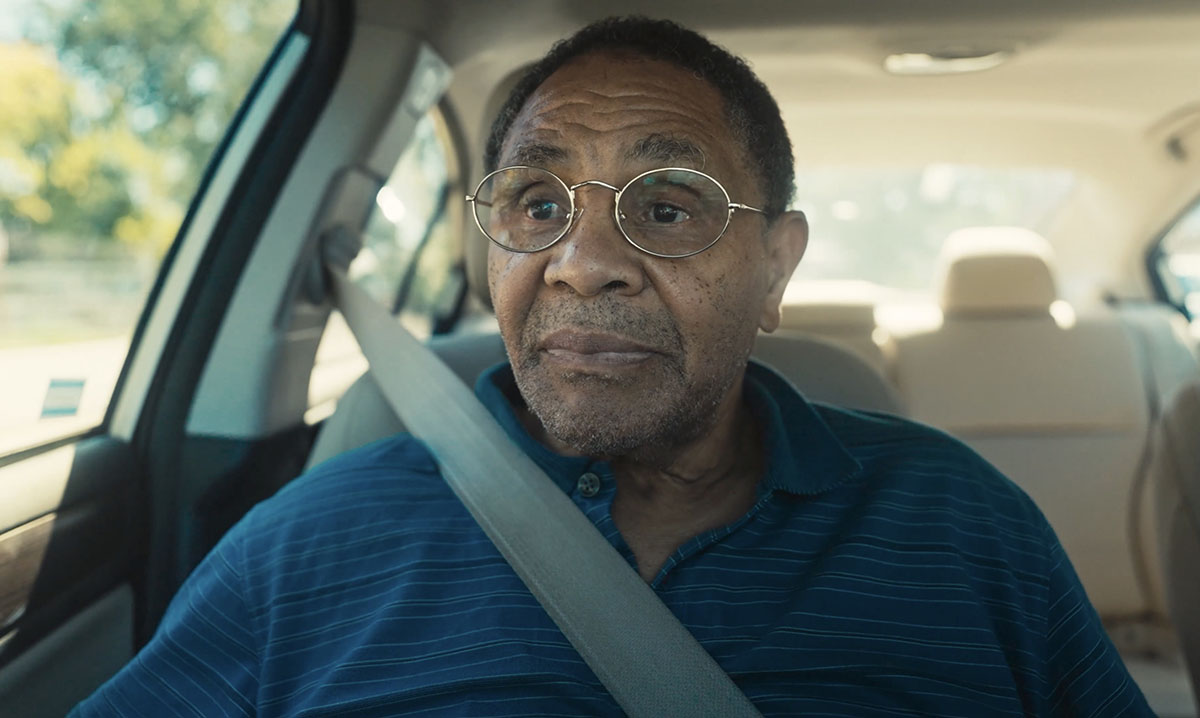
Just finishing its run at this year’s HollyShorts UK, “The Second Life of Freddie Nole” is one of the best movies I’ve seen in a long time. Dana Nachman writes and directs the documentary of Freddie Nole, an ex-con who for years has helped released prisoners start a new life. At 21 minutes, Nachman’s film is the cinematic equivalent of a big hug. Unlike documentaries that follow narrators talking the audience through its subject’s life—along with subject interviews— “The Second Life of Freddie Nole” does the right thing by making Nole the focus. Cinematographer Don Hardy follows Nole and his wife, Susan Beard-Nole, as they rush to pick up Edward Goldsby, who is releasing from prison that day. Nole and Susan have done this 61 times before. Many ex-convicts have no one to pick them up or to help them settle into society once they are free. Nole—who’s been there—has been working to change that.
The strong suit of Nachman’s film is humanity she injects into the picture, which grabs you from the first frame. Nole and Susan busy themselves about leaving in time to pick up Edward. Their first stop is a thrift store to buy clothes. They’ve forgotten Edward’s sizes back at their house and call a trusted contact to look at the file for them. The two take care to buy Edward—who Nole’s been told is about his age—clothes that might work for his style. Nole shares a fact I’d never heard before: many prisoners don’t have anyone to pick them up or even money for bus fare. It’s a far cry from the cinema version we all see in Hollywood movies.
Challenging Stereotypes and Expectations
“The Second Life of Freddie Nole” is expert at subverting expectations of what we think we know about the prison population. Granted, we’re seeing a cross-section of people who have reached out to Nole and his wife for help—that’s their only requirement. Not what the person did to be sent to jail, nor who they are… just an ask. When we meet Edward—the focus of this documentary—we see a man who is grateful. He looks more like a man you could meet on the street and strike up conversation with than hardened criminal. As we’ll later learn in Nole’s own story (it’s heartbreaking and won’t be spoiled here), the film challenges our idea of what constitutes a ex-con. Nole is genial and Edward is kind and driven. We learn Edward served 3.5 years prior to his release for assault. “The Second Life of Freddie Nole,” however, doesn’t judge but reframes. Edward has an ailing mom. He wants to stay free for her. He doesn’t want to go back.
The footage Nachman gets for this film is great, such as Edward changing clothes (“I never want to see this again,” he says as he takes his prison issue coat off), as well as a trip to a diner as Edward holds a menu for the first time in almost four years. Another ex-con, Steve Chile—who was once one of Nole earlier pickups—has joined them. He helps Edward with the menu, who can’t see without his glasses. Along the way they talk about how Steve, an addict, was able to get into a sober living home because of Nole and his wife instead of being released to halfway houses that would have led him back to the life. It makes you question: why isn’t this kind of work done by prisons prior to release to reduce recidivism? Nachman doesn’t have the answer. However, the film presents a chilling statistic: 66% of all released prisoners re-enter the correctional system within three years. The film follows this with another, more hopeful stat: nearly all of Freddie Nole’s pickups have remained free.
‘The Second Life of Freddie Nole’ is a Big Hug
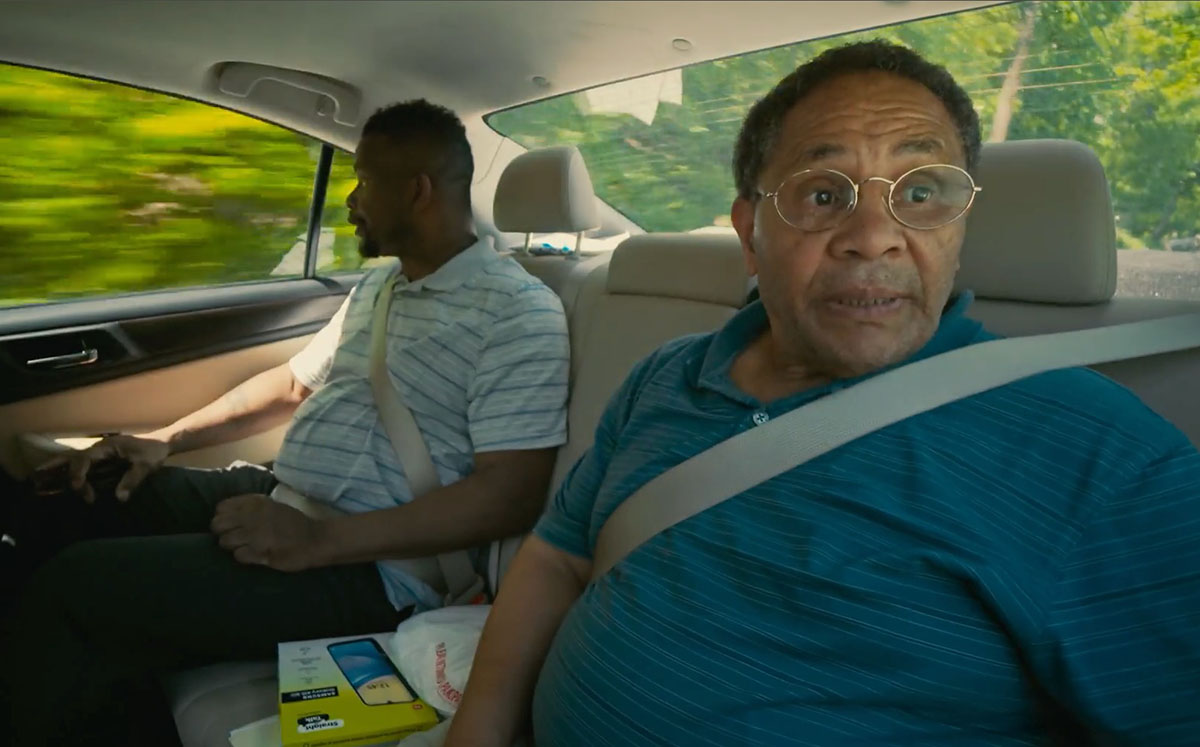
The film’s original score by Dave Tweedie is free and light. It underlines a hopeful film that shows not just the kindness Nole and Susan extend to ex-cons, but how Nole himself has persevered through the years. There’s not one note of resentment or regret present in his face despite a hard life and an unfair sentence. And the film shows how the little things can make or break a released convict’s path. Nole jokes after buying Edward clothes that, “you got the clothes, they’ll have to call you for that job now.” However, I couldn’t help but imagine how many ex-cons can’t get work due to lack of resources. Nole provided Edward with fresh clothes and a prepaid phone. But what he really gave him was a chance.
Freddie Nole does the work, but one can’t overlook the solid job Dana Nachman has accomplished by choosing Nole for her subject. As a social worker, I can see the direct link between what Nole does and the success his pickups have had, stemming from little more than hope and scant resources. But he also provides a community. And a helping hand. Steve Chile talks about his vision for Edward. He hopes that in a year’s time he hopes he’s coming along to pick up somebody himself. With the aforementioned recidivism rate a haunting statistic, Nachman’s film should be required viewing in social welfare degree programs. When something so simple and small can make a world of difference, why not do it? “The Second Life of Freddie Nole” is a beautiful and shining film. As we swing into the Holidays, those looking for hope and brightness amidst our world’s cynicism could resort to familiarity and throw on the usual classic, “It’s A Wonderful Life.” Or you could watch “The Second Life of Freddie Nole.” Both will have the same effect.
“The Second Life of Freddie Nole” screened Saturday, November 14th at Vue Cinema London – West End (Leicester Square). You can learn more about the film at its official website, here. Follow us for more HollyShorts UK coverage.