

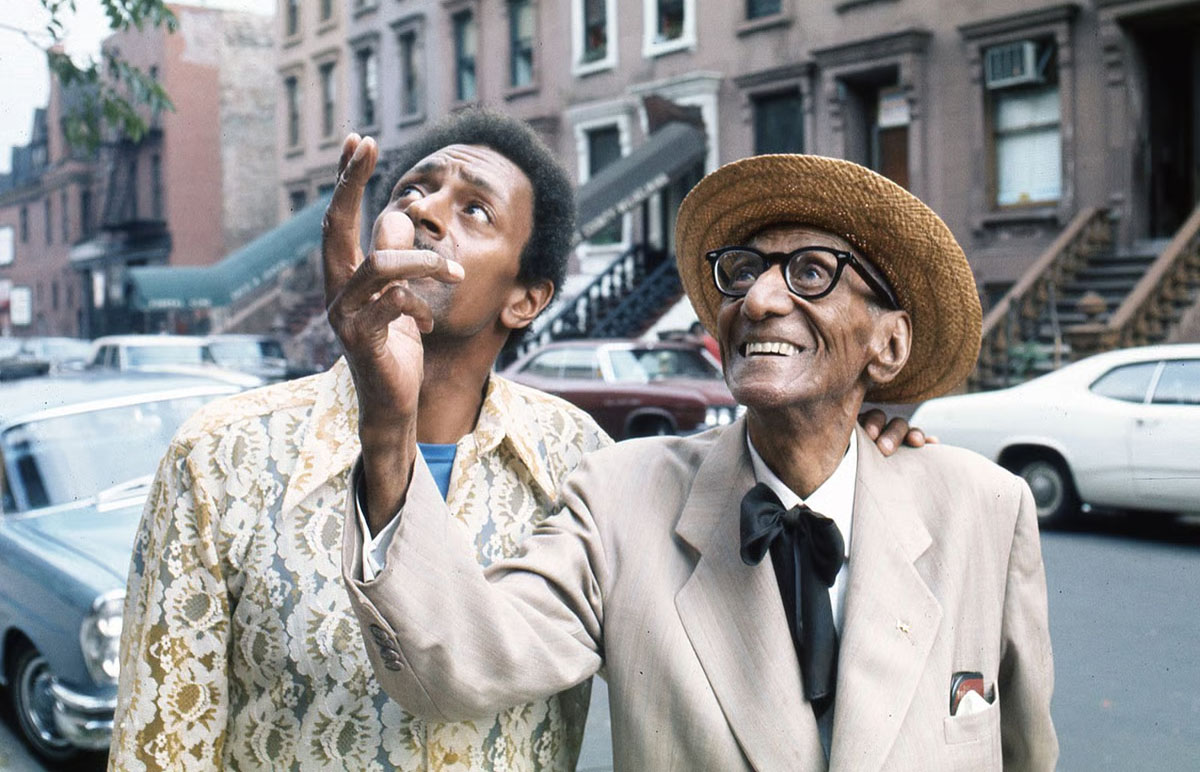
God, I wish people could still have dinner parties like this.
There is something extraordinary about watching a room full of artists, writers, performers, and intellectuals gather to talk about an era of American history they not only witnessed but helped create. Not because they all agree on what happened, or even what the Harlem Renaissance was, but precisely because they don’t. Personalities clash, memories differ, and everyone seems to have their own understanding of what that remarkable period meant. It’s a wonderful thing to watch.
“Once Upon a Time in Harlem” is an extraordinary act of historical preservation, but it’s also a genuinely entertaining movie. That distinction matters. So many documentaries about important cultural figures can feel like assignments or eating veggies, films that demand respect simply because their subjects deserve it. William, David, and Liani Greaves have made something far more alive than that. This is a film about history as something remembered, argued over, laughed about, and passed from one person to another.
Remembering a Cultural Movement
The footage originates from a gathering William Greaves organized in 1972, bringing together figures associated with the Harlem Renaissance to reflect on their experiences. Decades later, his son David and granddaughter Liani took on the considerable challenge of shaping that material into a feature. The result feels like an echo of an echo: artists remembering a cultural movement, Greaves recording those memories, and another generation returning to the footage to preserve and reinterpret the conversation.
There’s something deeply moving about that process, although the film is rarely interested in forcing an emotional response. Its achievement is more observational. We’re watching people who lived through a remarkable chapter of American artistic history attempt to define it for themselves, sometimes arriving at entirely different conclusions.
–> More Documentaries: ’14th’ | ‘Black Zombie’ | ‘Mother, You Have Not Died Yet’
And those disagreements are essential. History can become awfully tidy once it’s been reduced to dates, names, movements, and accomplishments. A textbook can tell you what happened during the Harlem Renaissance, but it cannot necessarily tell you what it felt like to be there. It cannot reproduce the friction between personalities or the peculiar ways people remember the same experiences differently. Here, those contradictions become part of the historical record rather than problems to be resolved.
A Wonderful Conversational Rhythm
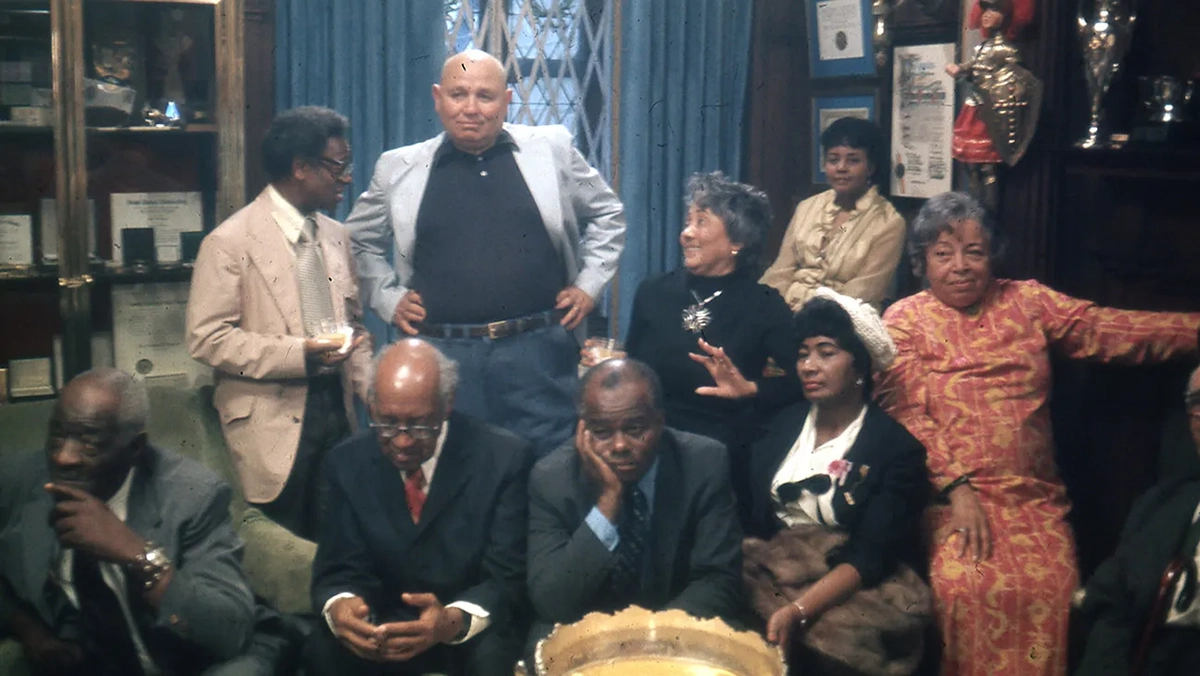
Leigh Whipper, in particular, is a wonderful presence. But what makes the gathering so fascinating isn’t necessarily any single participant or revelation. It’s the accumulation of personalities and perspectives, the sense that you’re listening to a community reconstruct its own history in real time. The conversations become richer because nobody has complete ownership of the story.
The film is also an exceptional feat of editing. Taking decades-old footage and audio, recovering and organizing the material, and determining how to shape it into a roughly hundred-minute feature is an enormous undertaking. What’s impressive is how little that labor announces itself. The film has a wonderful conversational rhythm, aided by its music and an editorial approach that allows the participants’ personalities to emerge without reducing them to historical talking points.
There’s a tremendous amount of judgment involved in deciding what to preserve. Every edit is also a decision about how future generations will encounter these people. In that sense, the filmmaking itself becomes another act of historical interpretation. The Greaveses aren’t simply presenting an archive. They’re giving that archive a shape, a tone, and a life of its own.
Remembering the Past
What I kept returning to, though, was the simple pleasure of watching these people occupy the same room. There is something increasingly foreign about the idea of gathering a group of like-minded people and allowing them to talk, remember, disagree, and tell stories without the conversation constantly being redirected toward whatever catastrophe might be waiting around the corner.
“Once Upon a Time in Harlem” is an important documentary, a remarkable piece of journalism, and a tremendous achievement in cultural preservation.”
Maybe that’s an unfairly nostalgic way of looking at things. But in an era of smartphones, fractured attention, and seemingly endless anxiety about the future, watching a room full of people devote themselves to remembering the past together feels almost radical.
And the film never needs to pretend that memory is perfect. If anything, its greatness comes from understanding that memory is inherently incomplete, subjective, and occasionally contradictory. What survives isn’t a definitive account of the Harlem Renaissance but something more human: the people who lived through it trying to explain what it meant to them.
An Important Documentary
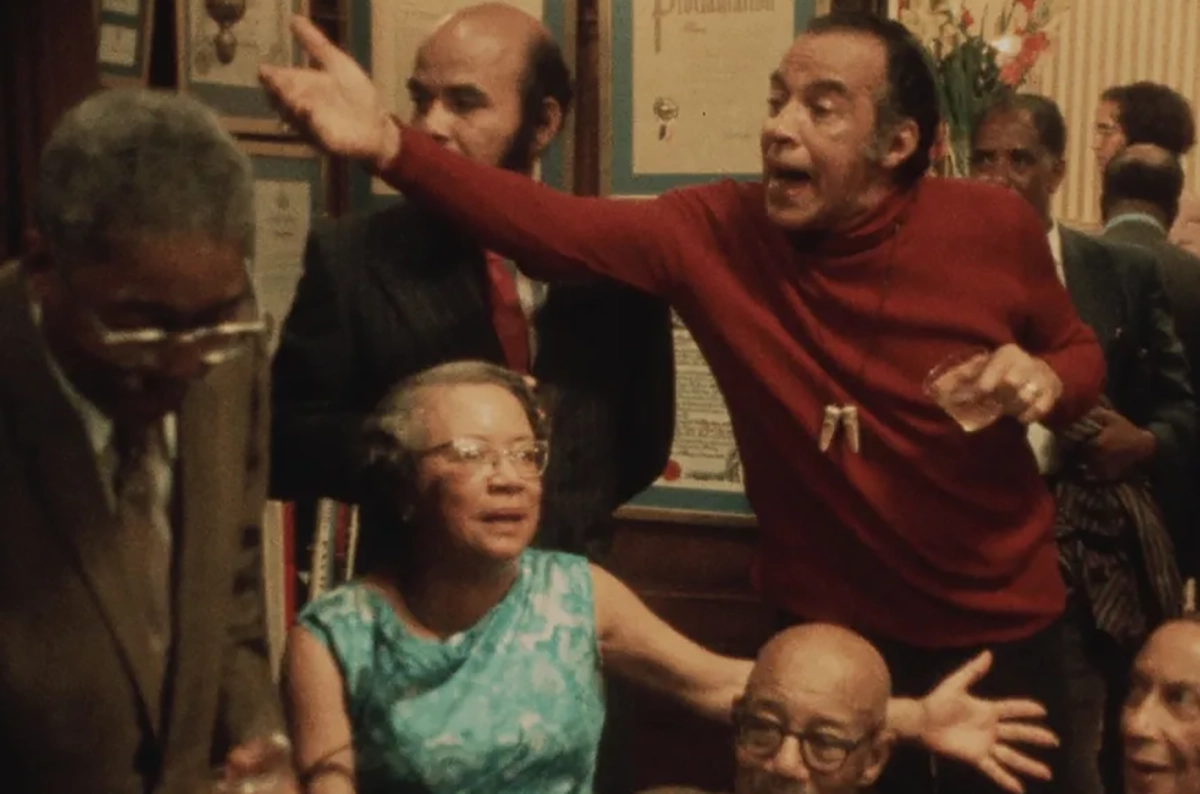
“Once Upon a Time in Harlem” is an important documentary, a remarkable piece of journalism, and a tremendous achievement in cultural preservation. But it’s also a great movie because it understands that history is not something that simply sits on a shelf waiting to be consulted. It’s something people carry with them, something they continually reshape through conversation, and something that can disappear if nobody thinks to record it.
Thankfully, William Greaves did. And thankfully, David and Liani Greaves found a way to let us into the room.