

Some historical events are so well known around the world that bringing them to the screen presents a particular challenge for filmmakers. The Titanic disaster is one such event. The successful ascent of Mount Everest by Tenzing Norgay and Edmund Hillary in 1953 is another. More than seven decades later, both stories remain familiar to audiences, although one is remembered as a tragedy and the other as a remarkable human achievement.
When filmmakers choose a subject of this importance, they take a risk. The audience already knows the historical outcome, and the challenge is to make the journey toward it engaging. Apple’s “Tenzing,” directed by Jennifer Peedom, takes on that challenge. This is not a comparison with the production scale of James Cameron’s “Titanic,” nor is it about what a different filmmaker might have achieved. The film deserves to be considered on the basis of what its makers intended and what they have delivered.
From that perspective, “Tenzing” is a good film.
A Film Designed to Reach a Broad Audience
If cinema is a canvas for telling stories through moving images, the film works well. Even audiences unfamiliar with the historical background can follow the story without struggling to understand its development. It maintains attention and carries the narrative forward. For me, this is an important achievement, particularly when the subject is already so familiar.
The film is designed to reach a broad audience rather than approach its subject primarily as an experimental or independent art-house production. There is nothing wrong with that choice. Different films have different purposes, and a film should be considered in relation to the cinematic experience it sets out to provide. Here, the storytelling remains accessible, the narrative holds together, and the essential elements are in place. It is possible to imagine other ways of telling the same story, but that is a separate discussion. The film its makers chose to make is, in my view, successfully delivered.
One of the film’s notable strengths is Jennifer Peedom’s familiarity with the subject. Her earlier documentary, “Sherpa” (2015), explored the lives and experiences of Sherpa mountaineers and the risks they face during Himalayan expeditions. Returning to a related subject through a historical drama gives her previous experience particular relevance.
The Photography Serves the Story
Making a documentary and directing a feature drama are not the same exercise. A drama must shape performances, scenes and emotional progression while bringing historical material to life. In my view, Peedom succeeds in making that transition. Her familiarity with the subject serves the film well, helping her present a complex historical journey without losing the audience in its background.
There is always a risk in making a biographical film about a person whose achievements are already part of public history. The central figure must feel like a fully developed person rather than simply a representation of a historical event. “Tenzing” presents its protagonist not only as the mountaineer who reached Everest’s summit but also as a person shaped by his background, ambitions and relationships.
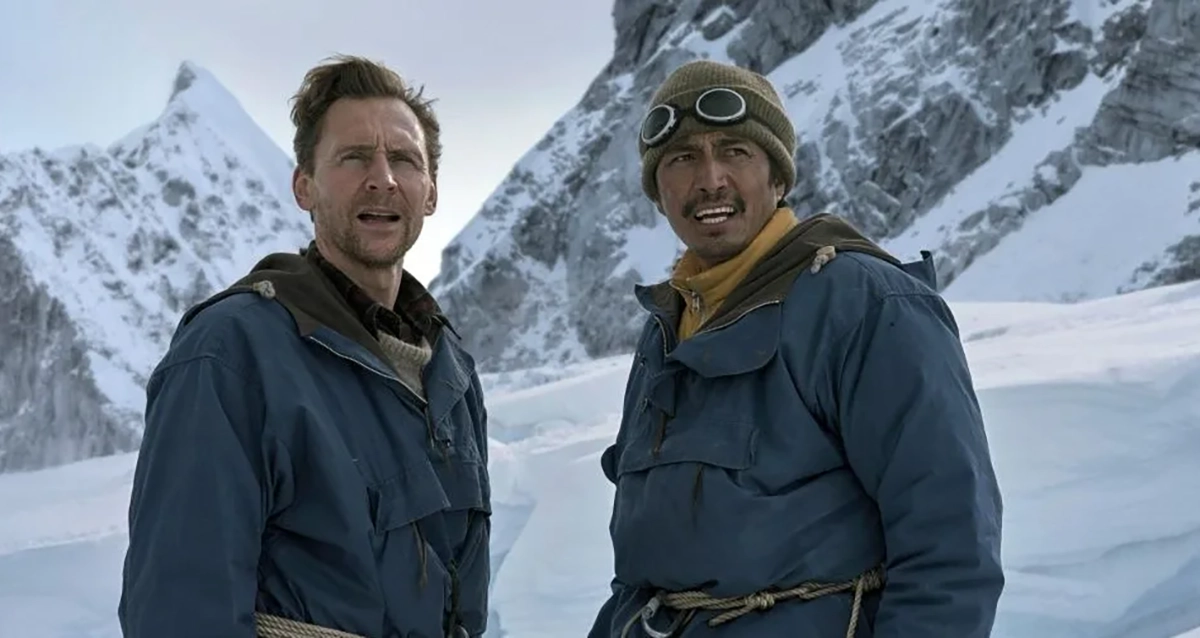
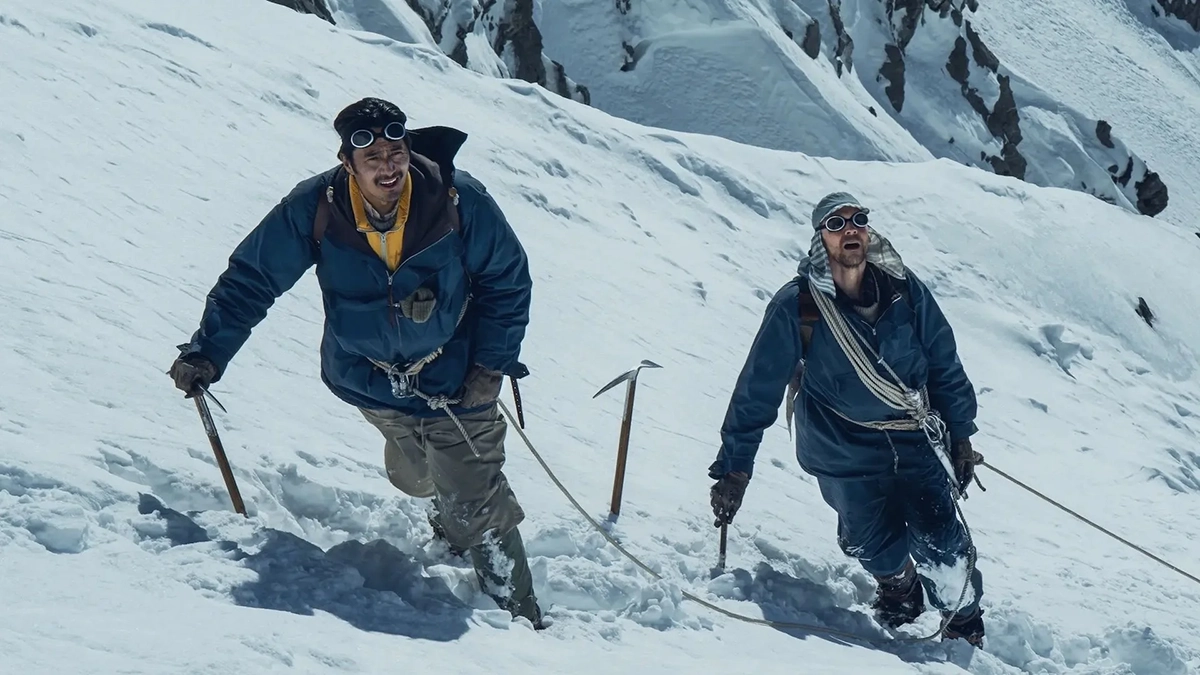
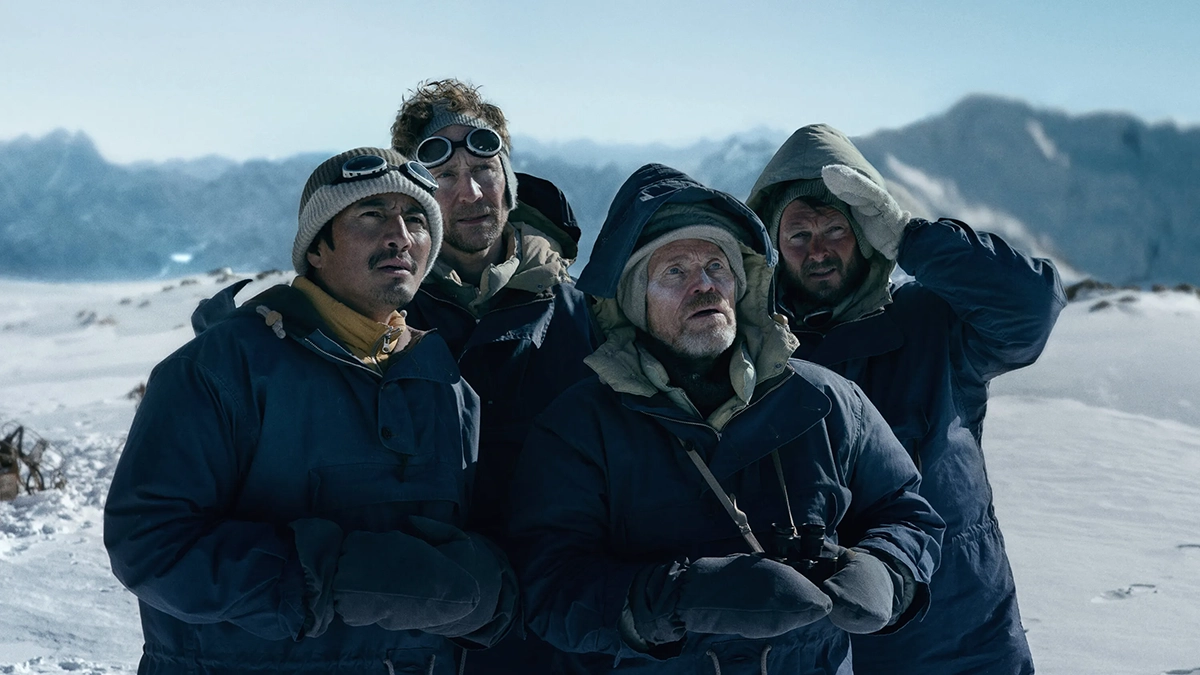
The cinematography is another aspect I appreciated. The mountain environment demands a visual approach that communicates both beauty and physical danger. The photography provides the visual scale the story requires. I am not interested in comparing every shot with what another production might have achieved. What matters is whether the photography serves the story, and for the most part, it does.
More Long Shots Would Have Been Preferred
There are, however, a few choices I noticed as an audience member. The film frequently returns to earlier periods of Tenzing’s life while the expedition progresses. Some viewers may feel these flashbacks interrupt the forward movement of the climb. I did not find the approach particularly problematic. The expedition cannot be separated entirely from the personal background that shaped Tenzing, and the flashbacks help establish that connection.
The use of close-up shots was a more noticeable point for me. In some scenes involving Tenzing’s childhood and domestic surroundings, I would have preferred more long shots that allowed the audience to see the characters within their environment. A wider view of a house, settlement or landscape can create a stronger sense of place than a close-up alone. This is not to say close-ups are inappropriate; they are essential for emphasizing expressions and emotions. I simply felt that a greater balance between close-ups and wider compositions might have made some scenes more effective.
The depiction of Darjeeling is another area where I would have welcomed a broader visual presentation. Some scenes could have communicated more about the surrounding environment and given the location a stronger sense of scale. At the same time, Darjeeling is not the central subject of the story, and I understand why the filmmakers concentrated their attention elsewhere. This is a point worth raising, but it does not undermine the film as a whole.
Tenzing Portrayed at Different Stages of His Life
I also appreciated the music. I am not approaching it as a music specialist, and I do not intend to assess it through technical terminology. My response is straightforward: the music suits the scale and nature of the story, contributes to the viewing experience, and works well for me.
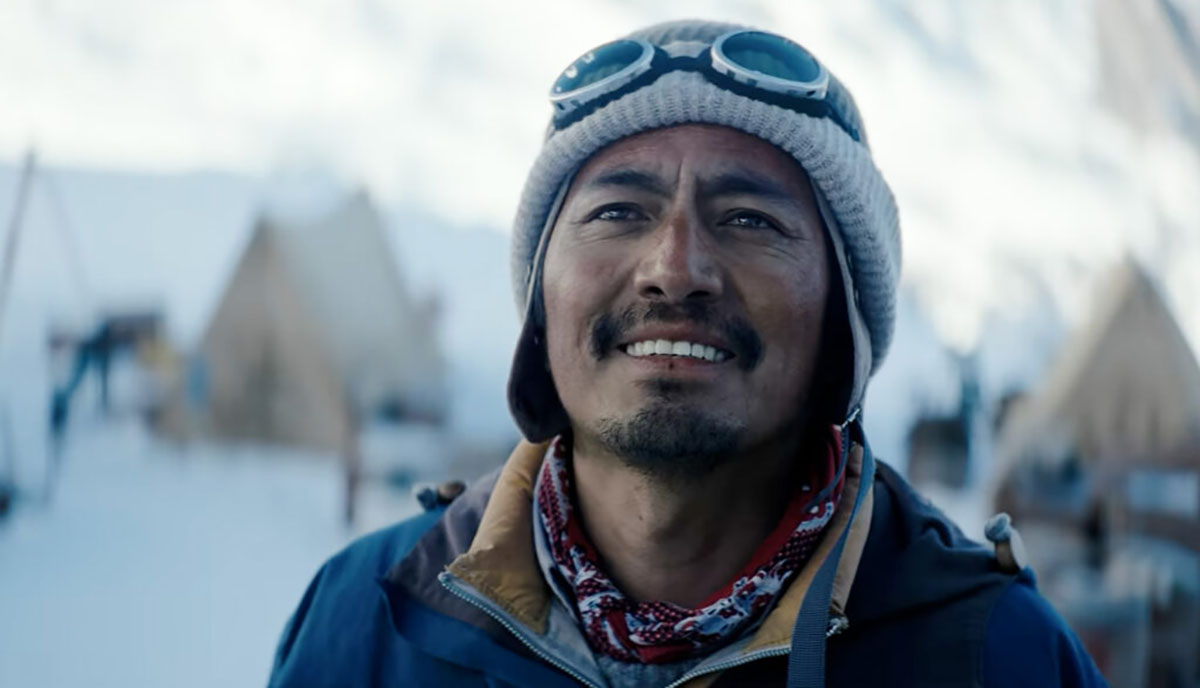
Another interesting aspect is the portrayal of Tenzing at different stages of his life. Three actors represent him at different ages, including Genden Phuntsok in the central adult role. They do not necessarily resemble one another closely in every respect, which may be noticeable to some viewers as the narrative moves between periods.
The filmmakers could have pursued digital methods to make these transitions more visually consistent. I would not necessarily have preferred that approach. There is value in allowing different actors to interpret a character at different stages of life without making physical resemblance the only consideration. For me, the more important question is whether the performances serve the story.
One of the Most Recognized Mountaineering Milestones
The film’s treatment of Tenzing’s background and the tensions surrounding identity and belonging is also significant. The 1953 expedition was not simply a story of climbers facing the dangers of a mountain. It involved people from different backgrounds working within a hierarchy shaped by status, authority and recognition. Tenzing’s experience as a skilled Himalayan climber cannot be separated from the position he occupied within the expedition.
These tensions add another dimension to the challenges he faced. I found this aspect important because it places the ascent within a broader human context. Reaching the summit was an extraordinary achievement, but the journey also involved questions of recognition and the place assigned to people whose contributions were essential to the expedition.
Historically, Tenzing Norgay and Edmund Hillary reached the summit of Mount Everest on May 29, 1953. Their achievement became one of the most recognized milestones in mountaineering history. Yet the story is not only about reaching the highest point on Earth. It is also about the people whose skills, experience and determination made the achievement possible. By placing Tenzing at the center, the film gives audiences an opportunity to consider that history from his perspective.
A Worthwhile Achievement in Filmmaking

I am sure the subject will continue to attract filmmakers. Tenzing Norgay’s life and the history of the Everest expeditions offer many possibilities for cinematic storytelling. Different filmmakers may approach the subject in different ways, but that possibility should not diminish what this particular production has accomplished.
In conclusion, “Tenzing” is a good, well-crafted film that tells its story successfully. I enjoyed watching it, and audiences can follow its historical journey without difficulty. There are individual choices in the cinematography and the presentation of certain locations that I might have approached differently, but these observations do not change my overall response.
The film brings a remarkable historical achievement to the screen, gives Tenzing Norgay the central place in his own story, and maintains the audience’s interest along the way. For me, that is a worthwhile achievement in filmmaking.