The focused argument of “Black Zombie” is much deeper than the history of horror movies. At first, the documentary may appear to be a history of the zombie. But director Maya Annik Bedward goes much further. She examines the development of the image of the zombie from Haitian spiritual and cultural traditions within Vodou, and how that history was transformed through colonial perspectives, Western interpretations, and eventually the entertainment industry, particularly Hollywood.
What was originally connected to the reality and suffering of a group of people who experienced forced labor and slavery under Western colonial authority was gradually transformed into the fictional zombie that we know today.
The zombie was never originally what the modern world understands from movies, books, horror stories, and popular entertainment. The modern image is a later cultural construction. Bedward follows that transformation into Western popular culture and demonstrates how the modern image became disconnected from the Haitian community and the historical reality behind it.
Zombie in Popular Culture
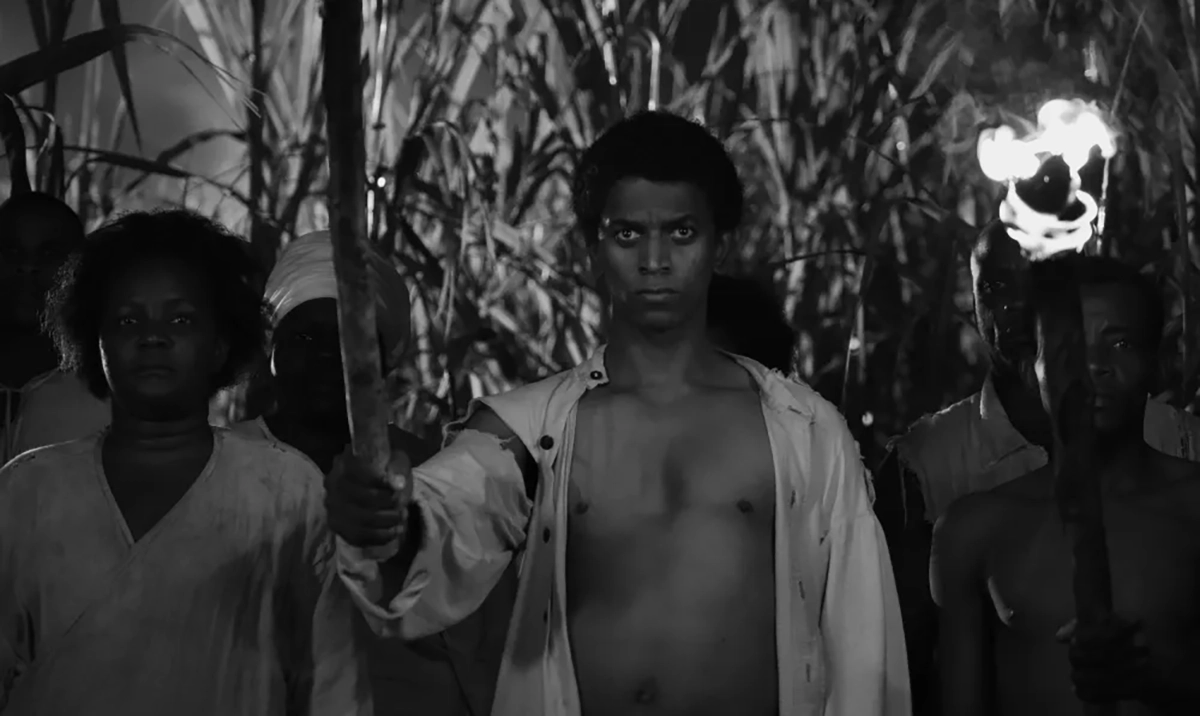
The documentary also connects this history to Haitian people who were forced to work in the sugar-cane fields. The historical experience of forced labor and the loss of freedom is important to understanding the original meaning behind the zombie. Bedward examines the role of American writer William Seabrook, whose 1929 book “The Magic Island” helped introduce the word zombie into English-language popular culture. She also examines the connection between Seabrook’s writing and “White Zombie,” the 1932 Hollywood film starring Bela Lugosi.
… the modern concept of the zombie was fundamentally misunderstood and transformed.”
What was lost in this transformation was not simply the original meaning of the zombie. Something was also lost from the history and humanity of the real people and community associated with the idea. The world came to know the concept, but the real history, struggle, culture, and experience behind it became separated from the popular image.
A Different History of the Zombie
The documentary’s central argument is that the modern concept of the zombie was fundamentally misunderstood and transformed. Bedward does not simply make that statement. Instead, she takes the audience through a process showing how Hollywood developed and popularized a concept that had a very different historical and cultural meaning. The documentary establishes how an existing cultural, spiritual, and historical idea was taken out of its Haitian context. Hollywood then developed a new version for entertainment. In the process, a particular community’s history and suffering became part of horror entertainment.
The film raises the question of whether that transformation was unjust or disrespectful to the people and culture from which the original concept came. It does not simply tell the audience that Hollywood was wrong. Instead, it builds its argument through historical material, interviews, film clips, and cultural explanations.
After watching this documentary, we may begin to understand that what many of us have known about the zombie for almost 100 years is not the complete story. The popular concept of the zombie became entertainment while an important period of history was largely forgotten. That is one of the most powerful ideas in the film.
A Personal Reaction
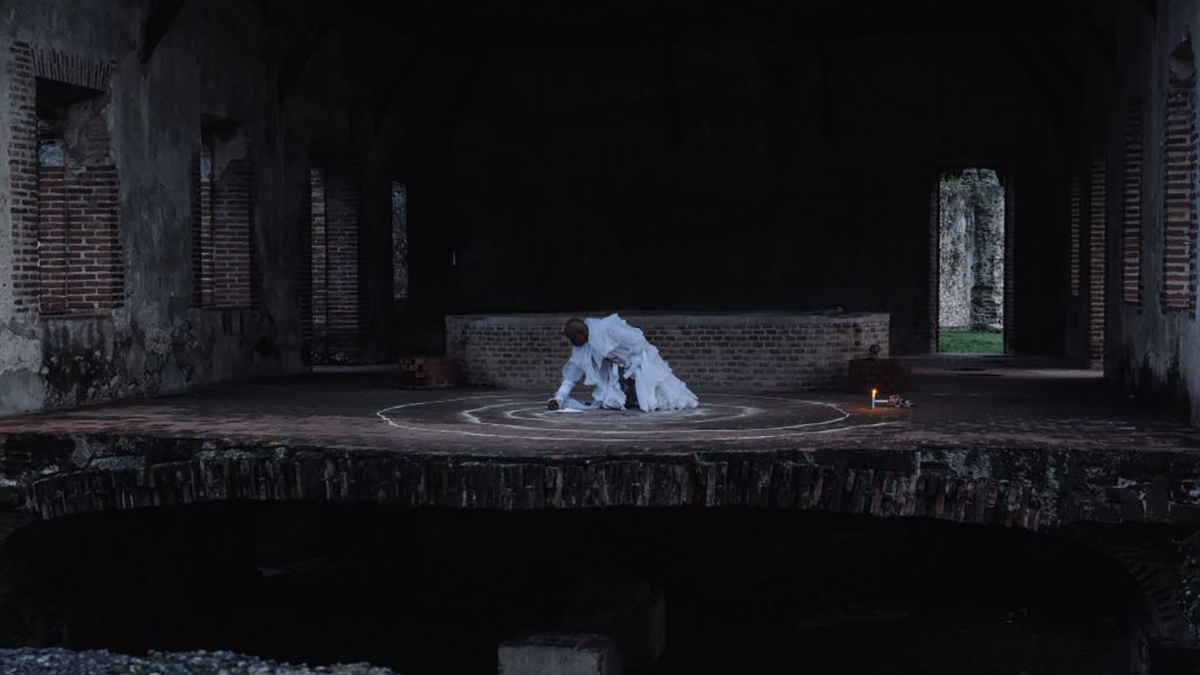
There can certainly be different arguments about the documentary. Some viewers may feel that Bedward goes too far or focuses too heavily on the cultural and historical argument. But to me, whatever criticism may exist, this appears to be exactly what the director wanted to accomplish. She wanted the audience to question something that has been accepted for generations, and I believe she achieves that purpose.
Watching this film personally made me feel somewhat guilty about how easily we have treated the zombie as simple entertainment.
What many of us have known as a fun horror concept is not necessarily just a fun horror concept. It is connected to a community. It is connected to people. It is connected to history. It is connected to human suffering, colonialism, forced labor, and slavery. Yet that history was transformed into a form of horror entertainment. That realization is one of the things that stayed with me after watching the film. Watching “Black Zombie” is therefore not simply watching the history of zombie movies in Hollywood or America. It is also watching a history of Haitian culture, suppression, slavery, forced labor, and the inhumane treatment of a people.
Interviews
The documentary uses the history of the zombie to reveal a much larger story. It is not simply an exercise in discovering the background of a popular horror character. It is an examination of how an idea connected to a specific community was removed from its original context and transformed into entertainment for another audience. That is what gives the documentary its deeper meaning.
‘Black Zombie’ tries to clear away the confusion surrounding the history of the zombie.”
The documentary explores different areas of film history, focusing particularly on “White Zombie,” “Night of the Living Dead,” and “The Serpent and the Rainbow”. It also brings in people connected to horror and popular culture, including Tananarive Due, Tom Savini, Slash, Zandashé Brown, Haitian cultural experts, and others. “Night of the Living Dead” is particularly important because George Romero’s 1968 film changed the modern understanding of what a zombie could be. The documentary therefore examines both Hollywood’s history with the zombie and the deeper cultural and spiritual history connected to Vodou.
The Power of the Presentation
To me, one of the most powerful aspects of the documentary is its use of archival footage. The footage appears at the right moments and connects directly to the ideas being discussed. Ms. Bedward also interviews people with expertise and direct connections to the history, culture, film, and people being examined. The documentary presents different perspectives that support the director’s approach to the history of the zombie and Vodou. What I found particularly effective is that the argument is not simply about race. Whether the speaker is Black or White, what matters is their connection to the history, truth, and reality being examined.
Through interviews, archival footage, movie clips, and historical images, the documentary gradually builds its argument. People from different backgrounds contribute to the discussion and support the film’s central concept. To me, this is one of its major achievements. There may certainly be criticism of the documentary, especially from people who hold different beliefs or question some of its arguments. That is understandable. Any serious documentary can raise questions about whether something could have been presented differently or developed further. But to me, the positive achievement of “Black Zombie” is that it tries to clear away some of the confusion surrounding the history of the zombie and its relationship to Vodou, Haitian culture, and the suffering of Haitian people.
The Real Horror Underneath
The documentary’s purpose is not simply to tell us where the zombie came from. It asks us to reconsider what we thought we knew about it.
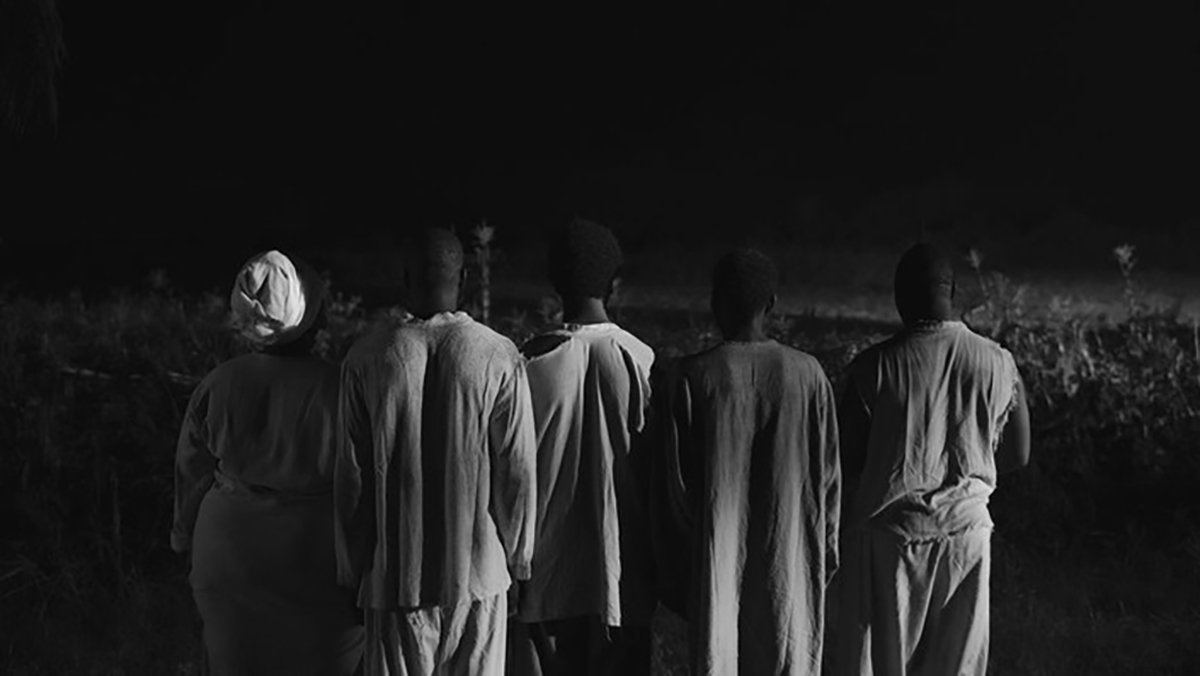
And that leads to what I believe is the film’s most powerful idea: the real horror may be worse than the zombie. The horror was not a fictional creature walking among the dead. The horror was living people being treated as if they were already dead, having their freedom and humanity taken away, and being forced to work. Later, that reality became part of a fictional concept that could be used for entertainment and profit.
That is the thought that stayed with me after watching “Black Zombie.”