


At a time when rampant world leaders and ignorant politicians rid the world of its humanity and essence, the hope of a fix shines bright like a lone star in a galaxy of its own. Sometimes it is hard to keep that hope alive and not be pessimistic about the complete decline of, well… everything imaginable, from artificial intelligence destroying the art we love to the creation and escalation of wars driven by greed. But you get that lingering feeling that makes you want to hold onto that hope. This is why many artists and filmmakers have explored that feeling in their recent works to spread hope and unity across the world.
Modern Pieces About Hopefulness in Both Cinema and Music
A recent example is Harry Styles’ new album, “Kiss All the Time. Disco, Occasionally.” In this record, the English singer-songwriter talks about embracing optimism in uncertain times whilst blending vulnerability with some high-energy disco and dance music influences. Styles considers his latest record as a “gift to self,” with a keen focus on celebrating togetherness and finding our joy amidst everything evoking darkness. Highlights of the record, like “Carla’s Song” and “Coming Up Roses,” the two contrasting sides of the album, one being upbeat and the other dreamy, share a leniency toward the positive, with an inclination towards looking forward.
Outside of those two tracks and the LCD Soundsystem-inspired intro, I didn’t find most of the songs all that compelling, and some were quite hollow. I thought the superficiality of the lyrics and the guarded emotional presence that Styles held left “Kiss All the Time” devoid of any talk about the dread and sadness that lingers before we reach the light. It was a “feel good” record, yet with an airiness that left you feeling rather detached. That same issue carries over to many other similar works that focus on these specific topics and emotions, particularly the intermittently charming yet emotionally unadventurous space romp by Phil Lord and Christopher Miller, “Project Hail Mary.”
Another Andy Weir Space Adventure Adapted to the Big Screen
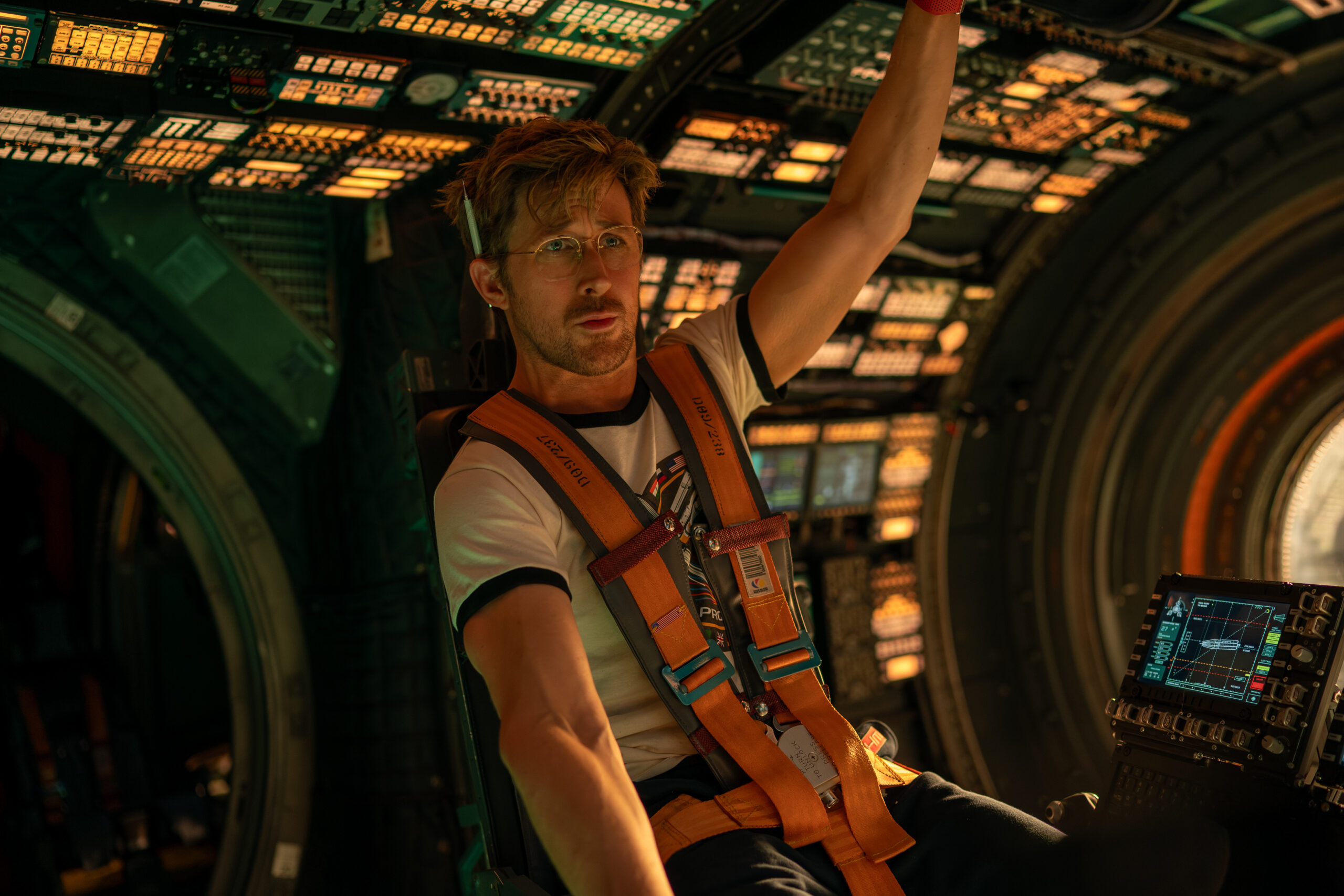
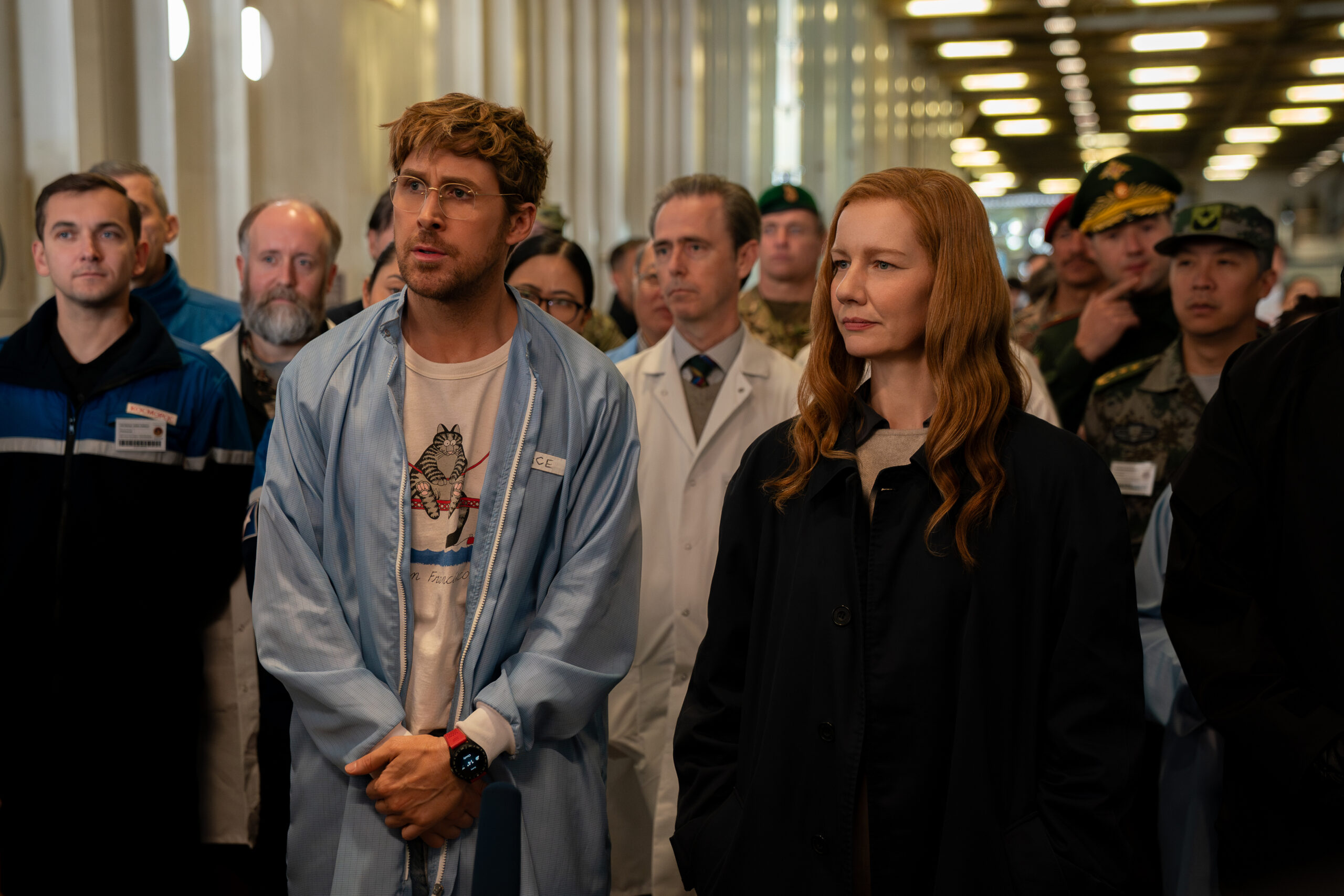
Adapted from Andy Weir’s novel of the same name, the film begins with a man who awakens from a deep slumber in his cryo-chamber, alone in a spaceship light-years away from Earth, not knowing where he is, who he is, or what he is doing there. Slowly, his memory returns. Through flashbacks throughout the movie’s runtime, where Lord and Miller toggle between the past and present at their questionable disposal, we learn about him and why he is in space. His name is Ryland Grace (Ryan Gosling), an elementary science teacher tasked with solving the mystery behind a substance causing the stars in the galaxy to fade.
The substance drains the essence of the stars. It moves on to the next until there are none left. And the next target is the sun. Everyone worries about the apocalyptic scenario that might unfold if the sun were to die. The world as you know it will change rapidly, with humanity having at most thirty years before the Earth becomes uninhabitable. Government officials from around the world are scrambling to determine how to fix this situation. Thanks to a sample provided by the mission’s leader, Eva Stratt (Sandra Hüller), Grace became knowledgeable about the substance and its components. Due to circumstances later revealed in the film, Grace becomes the world’s last hope for survival.
Grace is sent to the only star suppressing the effects of the substance, a couple of hundred light-years away from home, and alone in the void of space. Now, as he heads towards the dying star, Grace must pick up the pieces of his recollection and stick to the plan, even when at times he just wants to let everything go as he floats through space. Treacherous paths are ahead. But via a surprising connection with an alien sent for the same cause on its respective planet, he does not have to deal with the whole ordeal by himself.
Lord and Miller Use Douglas Trumbull’s Unsung Sci-Fi Gem as Influence
Although Lord and Miller adopt a more comedic and cheerful tone, they draw influence from one of the most underrated sci-fi films of the ’70s for their latest work, Douglas Trumbull’s “Silent Running.” There are a few differences between the two films, particularly in their tonal and existentialist approaches. But there is one specific similarity that greatly helps “Project Hail Mary.” In the aforementioned 1972 film, an ecologist, Freeman Lowell (Bruce Dern), receives orders to destroy the last greenhouse on Earth aboard a space station after all flora on Earth has gone extinct. But he rebels against his superiors and tries to do the necessary to keep the plants alive, alongside his robot companions.
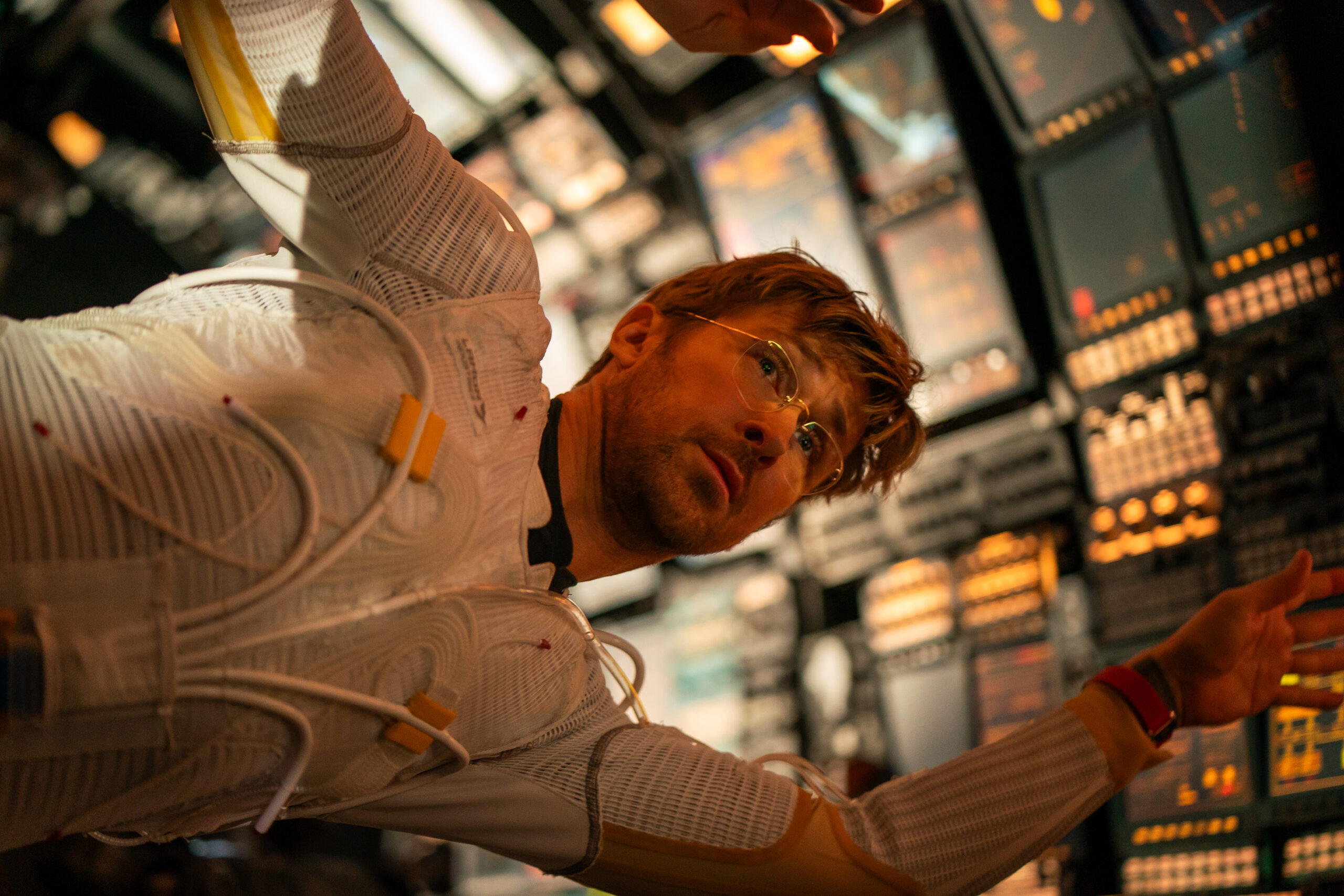
Like Trumbull, Lord and Miller use the dynamic between Grace and Rocky, the alien being whom he befriends later in the narrative, to explore companionship in isolation and the fragile hope that emerges from unlikely bonds, even through dire circumstances. One of the few things that Lord and Miller do very well is building a friendship between two species, even in the absence of proper communication. Most of their dynamic is either them trying to learn how to converse with each other or relying on trial-and-error repetition to bridge the gap between their two perspectives. What emerges from this unlikely pairing is a quite tender dynamic, one that the movie earns.
In many of the scenes throughout “Project Hail Mary,” the science does not make much sense. (The science ain’t “sciencing” and the math ain’t “mathing” sort of scenario.) Lord and Miller do not care about making everything click together logically; the lack of logic is not a problem in the film. You just go with it, even if it seems implausible, because Gosling sells the audience on the wonder of research and science through his charisma. The directing duo’s focus is rather on building connections in tough times and making sacrifices. However, even in this approach, there are plenty of flaws.
A Lack of Existentialism and Tension Leaves the Audience Without a Latch
A lack of narrative grounding weakens the emotional stakes and makes certain conclusions feel unearned. Moments meant to resonate with the audience instead come across as rushed or underdeveloped. This leaves little room for the audience to process the impact of such scenes. For example, when Grace has to collect the substance’s sample and is on the verge of dying. The scene is meant to cause anxiety and make us worry about Grace’s condition, as well as the potential for failure, in hindsight, bringing on the end of the world. But Lord and Miller handles it haphazardly in terms of tension, so you know there are no repercussions or aftershocks.
Everything becomes too joyful and is rid of any uncertainty. Safe is a proper word to describe Lord and Miller’s approach to each scene. That by itself is not entirely bad. However, a sense of peril must be felt for a space exploration picture to work to its full effect. Huge stakes are met with soft rebuttals that often lean toward the crowd-pleasing side of things rather than the dire. Although there are moments when Lord and Miller want Grace to confront his existence amid the impending calamity if he fails the mission, these moments are not explored thoroughly, leaving the audience without an emotional or psychological connection to Gosling’s character.
The emptiness and haunting wonder of space are left aside for a more romp-like inclination that deters from tension, dread, or turmoil of any sort. The theme of finding hope in times when everything seems devoid of it runs through the work. But the film is unwilling to sit with discomfort for long enough to earn its optimism. Because it smooths over the existential edges of its premise, Lord and Miller sacrifice the weight that could have kept its meliorism from feeling imposed.
A Strong Needle-Drop That Shows Emotional Potential
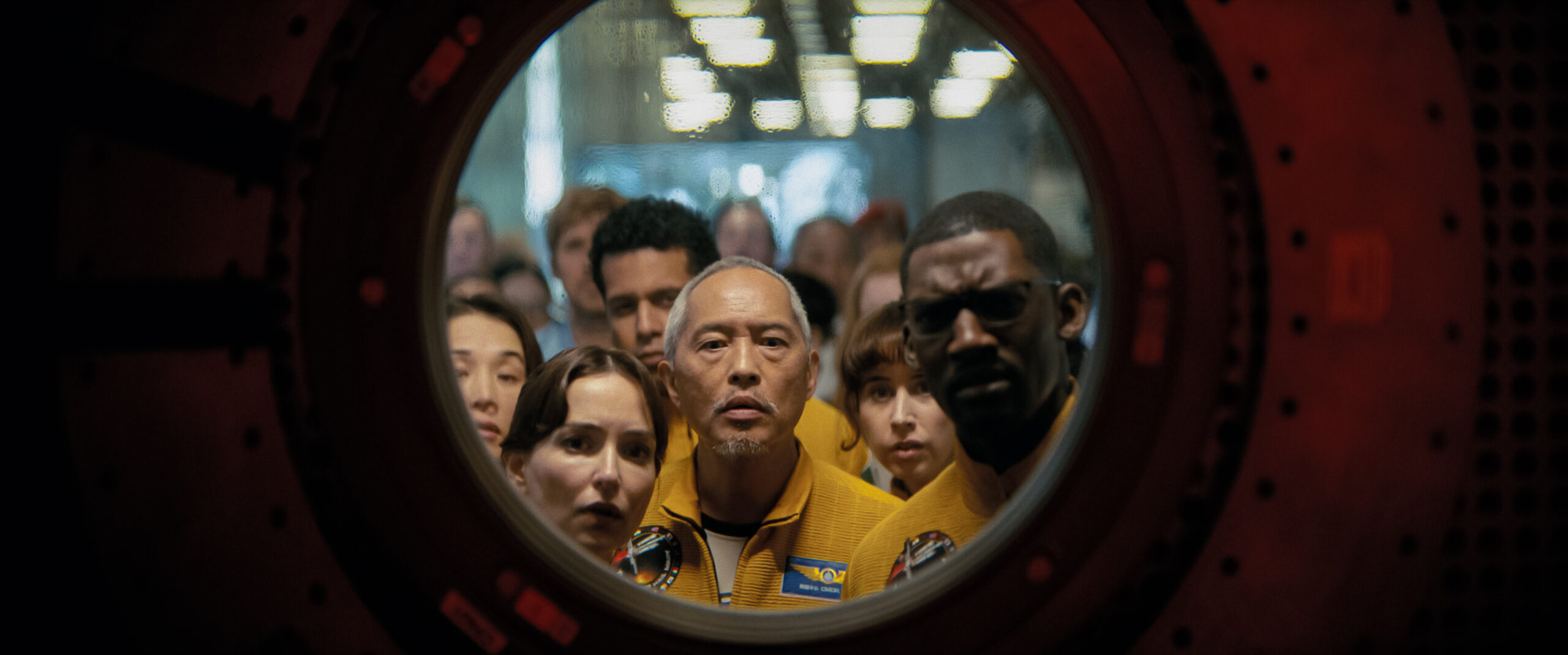
One of the few scenes that affected me emotionally was near the middle of the film, where Grace and Eva converse about unity and communion in dire times. The former’s warmth melts the latter’s coldness for a moment of openness, and expels into a “Sign of the Times” needle drop beautifully sung by Hüller herself. That quick scene is quite effective, not only because of its simplicity but also because it is one of the few vulnerable moments in a film that keeps giving itself away. The song ties with the film’s themes of hopefulness and community. The introductory lines (“Just stop your crying, it’s a sign of the times, welcome to the final show, I hope you’re wearing your best clothes”) talk about letting go of sadness and moving forward to the now.
The final show, one last glance towards the darkness before you head to the light. The track takes inspiration from the story of a mother dying during childbirth, giving her newborn a final piece of advice before she passes. Styles, in one of his most emotional and powerful ballads, chants about finding hope and moving through the rough waves of life with your head held high and mighty. In the manner in which Hüller sings “Sign of the Times,” it gives us a way into her heart, as if she’s speaking from the inside for the first time in the film, where in the previous scenes Eva was distant and uncaring. This moment of vulnerability felt like an outlier compared to the great majority of scenes in “Project Hail Mary” because of its openness.
Meanwhile, the rest of the film lacked such emotional accessibility. As it shifts from past to present, from Earth to the stars, it becomes difficult to fully invest in Grace’s journey. These narrative time transitions do not deepen our understanding of his internal state and how his thoughts on the matter have changed as the mission progresses. “Project Hail Mary” has an interesting concept that relies on hypotheticals and sells them through charm and comedic quips, which occasionally work, yet don’t translate emotionally or psychologically. As a result, the film’s thematic ambitions feel at odds with its execution, struggling to balance heartfelt storytelling with its existential weight.



5 Comments
This review was left by someone who clearly doesnt understand movies, sci-fi or basic entertainment at all.
👍
Nada de acuerdo!!! Los críticos como siempre – no pueden hacer se creen que pueden criticar – triste y amargado
Everything was tol neatly tied together with a bow, like a Pixar movie. If there was a true sacrifice the pay off would have been better earned I agree.
-i just imagine how pathetic the life of a critic must be to actually rate this movie so bad for the fact that you didn’t either watch the whole travel from earth to tau ceti or the fact that they obviously need to do throwbacks as memories since in an obvious runtime of 2.5 hours nothing of the sort is gonna fit for the big screen. Not every space movie gotta be like interstellar or the martian, this one doesn’t have to be since Weir doesn’t explore existencialism in Grace as a whole in the source material but explores the theme of communication and morale as the only key left in a mission with an obvious biological and neurological barrier among the only two individuals left, you already had tension when Rocky had to save Grace or Grace himself almost fell into the planet. Anything beyond what this adaptation did would be a disservice to the source material in general and that’s something you should at least consider before writing stupid bullshit as a review. I doubt you will ever read the book and reconsider as I doubt you’ll ever have the brain capacity to have good taste in cinema.