

Close Menu
    Facebook X (Twitter) Instagram
    Friday, March 6
    Facebook X (Twitter) Instagram Bluesky
    The Movie Buff
    • Home
    • About
      • Critics
      • Press & Testimonials
      • Friends of the Buff
      • Terms of Use
      • Thank You!
    • Film Reviews & Coverage
      • Movie Reviews
      • TV/Streaming Reviews
      • Film Festival Coverage
      • Interviews
    • Podcasts
    • Indie Film
      • Reviews & Articles
    • Advertise
    • Contact
      • Write for us
    The Movie Buff
    Classic

    Review: ‘The Best Years of Our Lives’ is Classic Hollywood with a Progressive Edge

    Rita AmerBy Rita AmerJuly 29, 2020No Comments4 Mins Read
    Facebook Twitter Pinterest LinkedIn Tumblr Email Copy Link
    Share
    Facebook Twitter Email Copy Link

    “The Best Years of Our Lives” is classic and antique. It’s progressive and staid. It’s authentic and bathetic. The synergy in this film of outdated Hollywood techniques and “modern” authenticity reflects director William Wyler’s experience as an old-time Hollywood filmmaker and a veteran of a modern war who suffered permanent disability. Wyler entered the service directly from the pre-war Hollywood system where he was successful and comfortable using the stagy, highly-stylized techniques of filmmaking that depicted human emotion at arm’s length. But, while documenting the war with his camera, Wyler’s encounters with monumental suffering and courage, including his own, ignited a desire to effectively transmit the complexity of the human cost of the war and its aftermath.

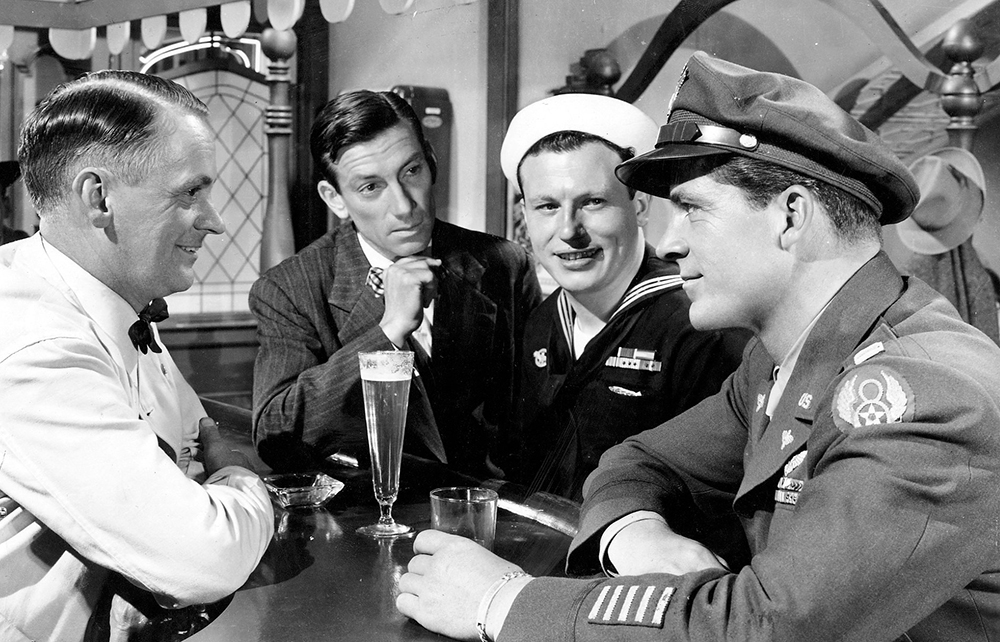
    In 1946 when this film was released, Wyler had not yet synergized his old-school filmmaking experience and new realistic impulse. These two forces lie in strata in “The Best Years of Our Lives,” a movie about the homecoming of three WWII veterans. For example, the movie has a series of scenes where Al (Fredrick March) is so insecure and uncertain at returning to his formerly happy home that he drags his wife and daughter on an alcoholic toot. 

    The scenes are filmed with pre-war overstatement comprised of complex blocking and framing and broad comic acting. In contrast, the scenes, particularly the bedroom scene, featuring Homer (played by real life disabled vet Harold Russell), are closer to post-war cinema vérité. Homer’s difficulty adjusting to the his post-war life without hands is honored with a layered, almost naturalistic style of the filmmaking. “The Best Years of Our Lives” washes back and forth between these forces. Both styles are capably executed and good in their own way.
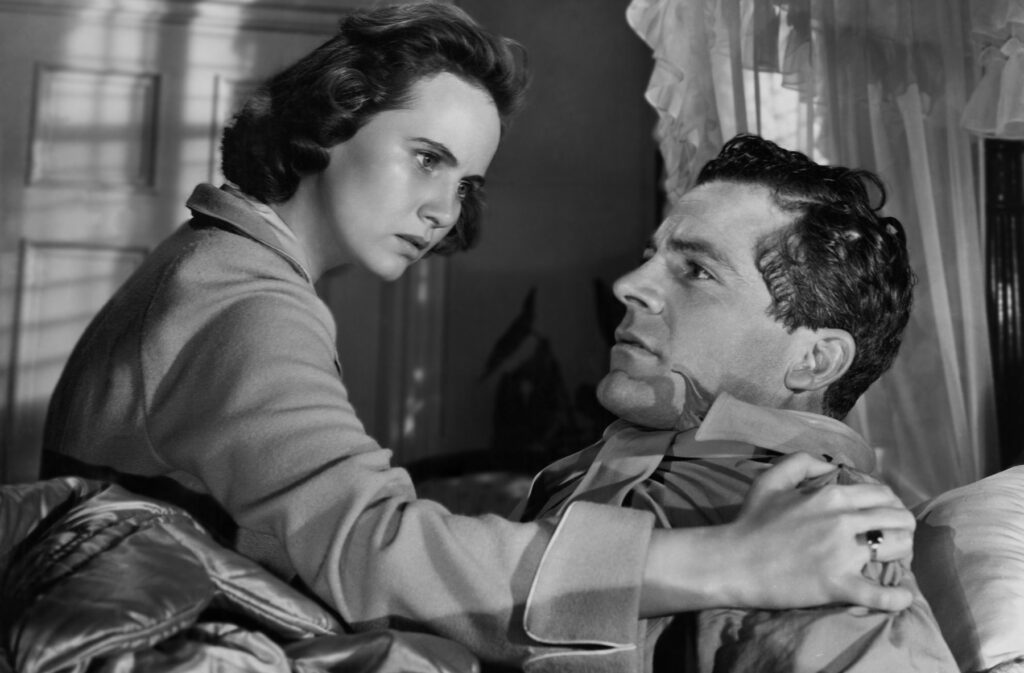
    Teresa Wright and Dana Andrews in “The Best Years of Our Lives” (The Samuel Goldwyn Company, 1946).

    The three leads Frederick March, Dana Andrews, and Harold Russell (in an Oscar-winning performance) infuse their performances with heart and not a little craft. This is to be expected from March and Andrews who are seasoned professionals. Russell is the big surprise. This is his first and only acting job, though he had appeared in a prior documentary film. Wyler insisted, in another display of progressiveness, that the part of a disabled veteran be played by a real disabled vet. And he also fought for the inclusion of scenes showing the reality of Homer’s injury, with its limitations and, most notably, with the ways Homer functions successfully. Wyler shows something that no one had seen onscreen before—a man with hooks instead of hands lighting a match, playing the piano, laughing, kissing his fiancée…being part of life.

    In contrast, the film remains mired in the sexist trope of devoted women gazing at their men with concern and adoration, then consoling, cajoling, and, again, adoring them. Except for the “bad” woman who is not adoring and wants to live her own life, which is viewed by Hollywood as intrinsically selfish; none of these women underwent any trials or personal growth, except as it related to their men. 

    I love a good love story. The relationship between Frederick March and Myrna Loy is the most satisfyingly real and solid. But Loy, despite her intelligence (or because of it), is shoved into the role of subservient wifey, pouring the coffee while adoring and cajoling. All the female leads (Loy, Teresa Wright, the bad girl Virginia Mayo, and Cathleen O’Donnell) make the best of thin pickings and provide a solid support for the male performances.

    Nonetheless, it’s a classic.

    For more post-war realism, see “Coming Home,” (1978).


    classic film Harold Russell post-war romance The Best Years of Our Lives war
    Share. Facebook Twitter Pinterest LinkedIn Tumblr Email
    Previous ArticleReview: a Classic Tale of the Gamble—‘God of Gamblers,’ 1989
    Next Article Review: ‘Eden’ a Stark Look at Homelessness, Unemployment, and Survival in Ireland
    Rita Amer
    • Website

    Rita has been a cinephile since birth. Though she works a day job, her evenings and heart belong to celluloid (and video). Rita has a Masters in Dance and a Juris Doctor; but those accomplishments pale in comparison to sharing the best and worst of cinema with our readers. You can also follow Rita on her podcast, ‘Foibles,’ where she talks about film and literature.

    Related Posts

    Drama March 4, 2026

    ‘Rosemead’ Review: A Mother and Son Stare Down the Barrel in a Tragic Eye-Opener

    Independent March 2, 2026

    The Short Film ‘Jam Boy’ by Sriram Emani is Rich with Culture and Social Commentary

    Horror March 2, 2026

    ‘Scream 7’ Review: A New Chapter as the Franchise Rewrites the Rules

    Drama March 1, 2026

    “Wuthering Heights” (2026) Review: A Preposterous Retelling, Rich in Aesthetic Yet Weightless in Text

    Action February 26, 2026

    ‘Man on Fire:’ Violent and Unforgiving, but Features Both Denzel and Fanning at their Best

    Romance February 24, 2026

    Review: Rough Sex and Rougher Relationship Dynamics Intertwine in the Risqué ‘Pillion’

    Leave A Reply Cancel Reply

    Latest Posts

    ‘Rosemead’ Review: A Mother and Son Stare Down the Barrel in a Tragic Eye-Opener

    By Vidal DcostaMarch 4, 20260

    The Short Film ‘Jam Boy’ by Sriram Emani is Rich with Culture and Social Commentary

    By Mark ZiobroMarch 2, 20260

    ‘Scream 7’ Review: A New Chapter as the Franchise Rewrites the Rules

    By Holly MarieMarch 2, 20260

    “Wuthering Heights” (2026) Review: A Preposterous Retelling, Rich in Aesthetic Yet Weightless in Text

    By Hector GonzalezMarch 1, 20260
    • Facebook
    • Twitter
    • Instagram
    • YouTube
    Indie Film Highlights

    ‘Rosemead’ Review: A Mother and Son Stare Down the Barrel in a Tragic Eye-Opener

    By Vidal DcostaMarch 4, 20260

    “Rosemead” is based on “A dying mother’s plan: Buy a gun. Rent a hotel room.…

    The Short Film ‘Jam Boy’ by Sriram Emani is Rich with Culture and Social Commentary

    By Mark ZiobroMarch 2, 20260

    Review: Rough Sex and Rougher Relationship Dynamics Intertwine in the Risqué ‘Pillion’

    By Vidal DcostaFebruary 24, 20260

    Interview: Filmmaker Sriram Emani on Exploring Self-Erasure and Breaking Patterns in his Debut Short ‘Jam Boy’

    By Vidal DcostaFebruary 20, 20260

    Acclaimed Violinist Lara St. John Talks About ‘Dear Lara’ Doc in Post SBIFF Interview

    By Mark ZiobroFebruary 16, 20260
    Spotlight on Classic Film

    ‘The Innocents’ Review: One of the First Haunted House Films of the Modern Horror Era

    ‘Gone With the Wind’ Review: Epic Film from the Golden Age of Hollywood

    ‘The Count of Monte Cristo’ QCinema 2024 Review: A Thoughtful, If Rushed, Study of Revenge and Redemption

    ‘Thirteen Women’ Review: A Precursor of the Slasher Genre, with a Devilishly Divine Femme Fatale at its Helm

    The Movie Buff is a multimedia platform devoted to covering all forms of entertainment. From Hollywood Blockbusters to Classic Comfort faves. Broadcast Television, on-demand streaming, bingeworthy series'; We're the most versatile source.

    The Movie Buff is also the leading supporter of Indie film, covering all genres and budgets from around the globe.

    Facebook X (Twitter) Instagram YouTube LinkedIn TikTok
    Copyright @2011-2025 by The Movie Buff | Stock Photos provided by our partner Depositphotos

    Type above and press Enter to search. Press Esc to cancel.