


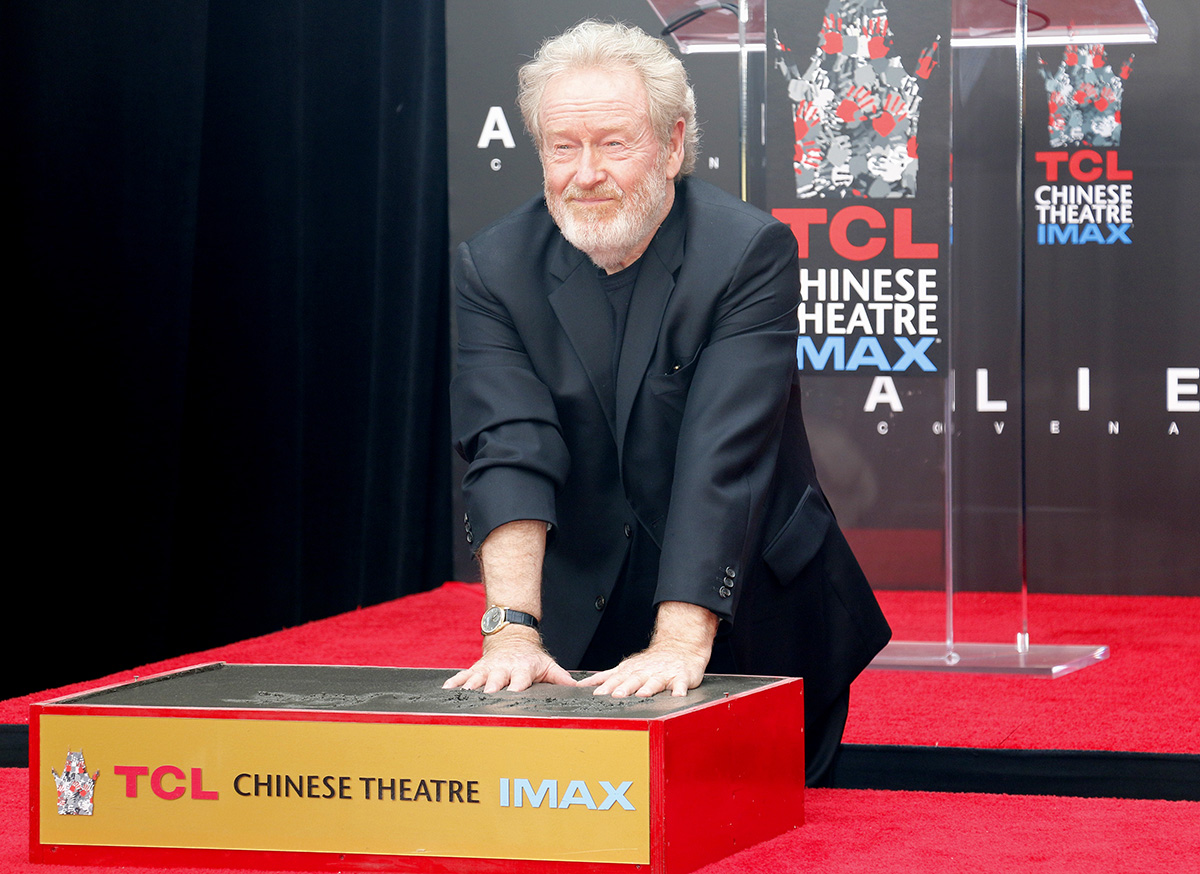
There are filmmakers whose careers invite grand unified theories, where every movie feels like another chapter in the same ongoing artistic project. Paul Thomas Anderson, Steven Spielberg, Martin Scorsese.
Ridley Scott has never really been one of them.
Depending on who you ask, Scott is an ad man with an unparalleled mastery of atmosphere and scale, a high-art engineer leveraging impeccable taste, a world-class filmmaker with middling taste in scripts, or a soulless hack technician with little interest in the interior lives of his characters. After nearly 50 years of movies, I’m not sure most of those descriptions are entirely wrong.
But I’m a Ridley Scott defender, which has occasionally been a point of contention between me and some of my peers. The movies of his that I love have bought him a lifetime pass. I don’t think he’s lost his fastball, and more importantly, I don’t think he’s lost his ability to surprise. He can still make something genuinely strange at enormous scale, then go on a press tour and grumpily dismiss anyone who questions his decisions. At this point, Ridley being hilariously annoyed in interviews is practically part of the marketing campaign.
Scott has always struck me as more of a filmmaker than a storyteller. Give him a Roman arena, a medieval battlefield, a spaceship corridor, a rain-soaked Tokyo street, or a billionaire’s absurdly expensive house and he knows exactly what to do with it. He has an almost freakish instinct for environments: how people move through them, how architecture boxes them in, how a landscape can make somebody look powerful or completely insignificant.
A Hard to Pin Down Director
Granted, he’s difficult to pin down with one grand unified theory. However, there are recurring obsessions everywhere. He loves ancient civilizations and the empires men build around themselves. He loves alpha-male codes of honor and the emotionally constipated men trapped inside them. He’s fascinated by hierarchies, institutions and power structures. He loves a battle scene. He doesn’t get particularly sentimental about any of it. And despite the reputation for coldness, his filmography is full of formidable women bristling against the systems around them, from Ripley and “Thelma & Louise” to “G.I. Jane” and Marguerite de Carrouges. He also really loves photographing his buddy Russell Crowe in various states of disheveled grumpiness.
So whether he’s making something profound or profoundly stupid, it will almost certainly feel physical. Scott is great at making you believe in the world around his characters. Armor looks heavy. Spaceships look like somebody has to maintain them. Cities feel dirty and overpopulated. Battlefields have mud, smoke, blood, and actual geography. Even when the screenplay is thin, the world usually has density.
That’s a huge part of why his movies hold up so well. “Alien” and “Blade Runner” are more than 40 years old and still feel tactile in a way that a lot of newer science fiction doesn’t. Even his failures usually contain an image, performance, or entire sequence that reminds you that you’re watching one of the most naturally gifted visual filmmakers Hollywood has ever produced.
‘The Dog Stars’ Makes 30 Films
The inconsistency is also inseparable from the greatness. Scott works too quickly and seems too constitutionally incapable of preciousness to protect his batting average. He’ll make a masterpiece, a disaster, a fascinating misfire, and another masterpiece without behaving as though he recognizes much distinction between them.
That restlessness is part of what makes him so compelling. He doesn’t seem interested in treating every movie like a sacred object or a referendum on his legacy. He finishes one, gets annoyed by the reviews, and starts building the next thing. Sometimes that means he blows past ideas another filmmaker might sit with longer. It also means that, deep into his 80s, he’s still mounting productions with a scale and confidence that would exhaust directors half his age.
With “The Dog Stars” marking Scott’s 30th feature, here they all are, ranked.
30. ‘1492: Conquest of Paradise‘ (1992)
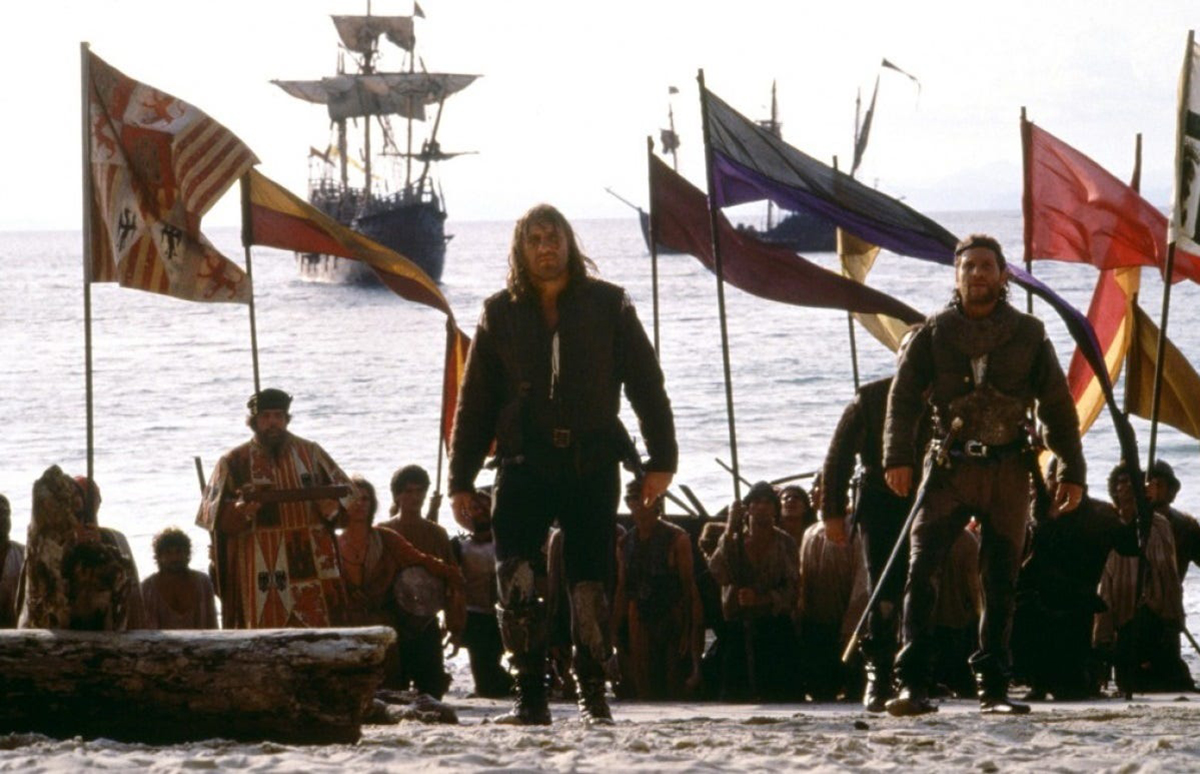
Ridley Scott’s worst movie, and maybe the clearest example of why “at least it looks great” can only get you so far.
“1492” is predictably beautiful, with enormous landscapes, ships cutting across the ocean, and all the visual grandeur you expect from Scott, but it’s also unconscionably boring. Worse, it feels completely out of step with the historical moment of its own release. A Christopher Columbus movie made in 1992 had every opportunity to interrogate the mythology surrounding him, and instead Scott mostly delivers a lavish pageant with very little curiosity about what conquest actually means.
For a director normally so interested in power, institutions, and the violence required to maintain them, it’s a bizarre blind spot. You keep waiting for the movie to find a sharper point of view about Columbus, conquest or empire, and it mostly just keeps being enormous and handsome.
There are worse-looking bad movies. There may not be many more boring ones.
29. ‘Exodus: Gods and Kings‘ (2014)
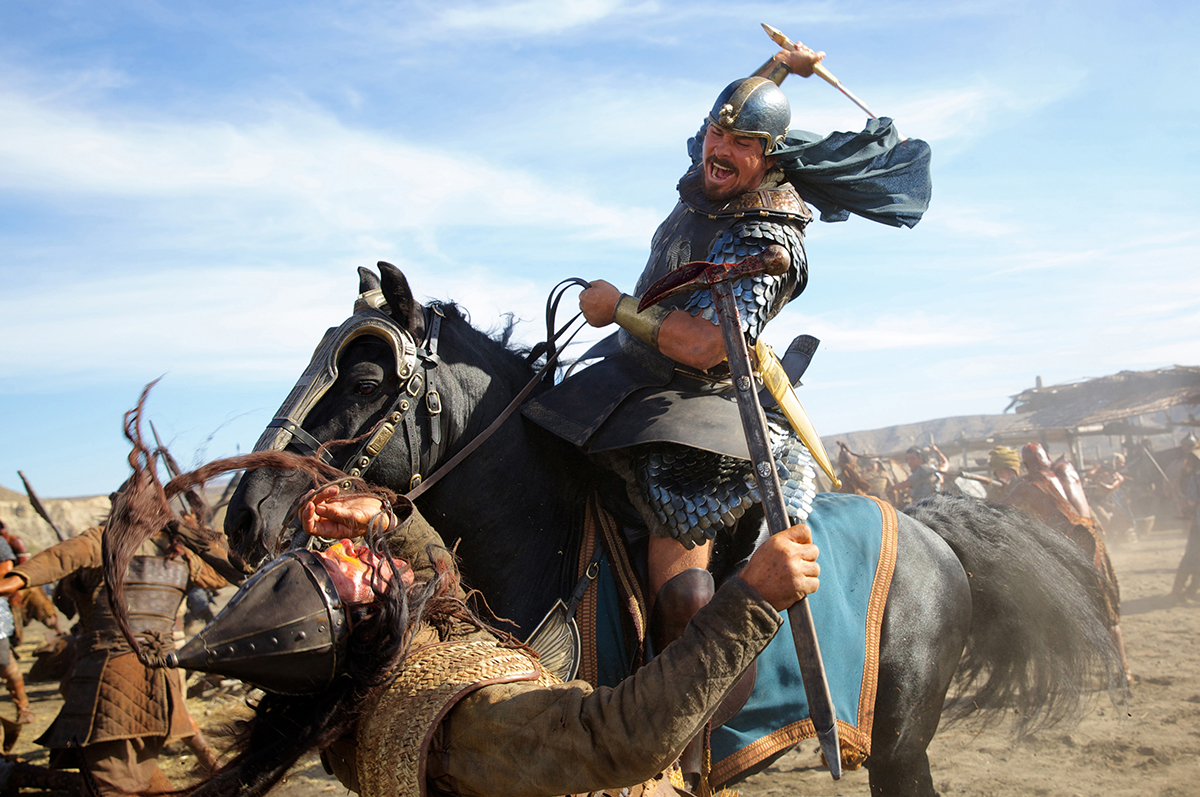
There are flashes early on of the movie I wish Scott had made. The first half hour in the Egyptian court has some juice because he’s on familiar ground: powerful men maneuvering around one another inside a massive institution. Then Moses gets exiled and the whole thing turns sluggish as hell.
Christian Bale, an actor I generally love, unfortunately has an entire subgenre of star vehicles where he grows a beard and grumbles at people, and this is one of the dreariest examples.
Even the spectacle eventually feels obligatory. Scott can usually make historical pageantry interesting through sheer force of craft, but here it feels like a bunch of bad ideas in the desert.
28. ‘House of Gucci‘ (2021)
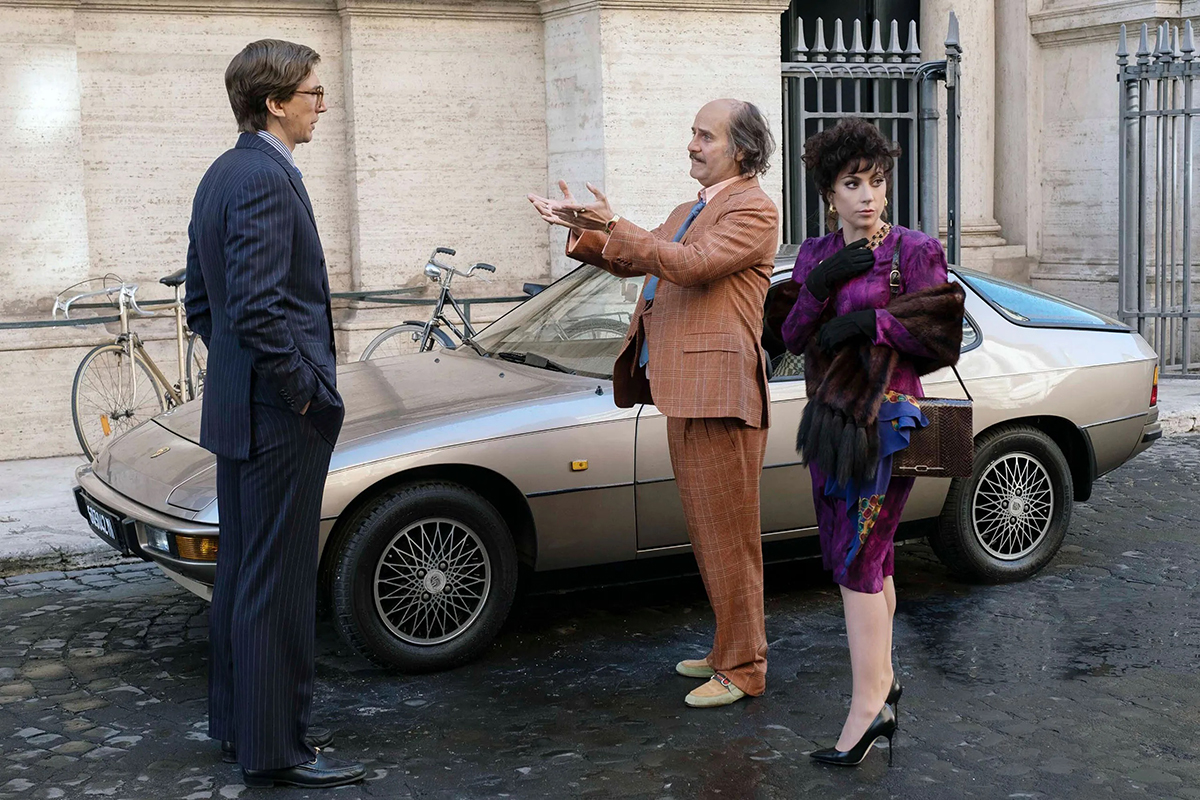
A hoot and a holler and one of the most entertainingly miscalculated movies Scott has ever made.
Part of the fun is watching every actor apparently decide they’re starring in a different movie: Adam Driver is muted, Jeremy Irons is having fun, Lady Gaga goes full melodrama, and Jared Leto appears to have climbed directly off a pizza box. Leto doesn’t even seem to know how funny he is. He acts like Waluigi and gives perhaps the first-ever 4DX performance. In fact, he’s so over the top that he made me forget Al Pacino is also in this movie shouting in an Italian accent.
My dear friend Frank Calvillo over at Cinapse said it best: “Leto is obviously terrible in this movie… but I miss him when he’s gone.”
There’s potentially a great dark fairy tale here about obscene wealth, decadence, and a family consuming itself, but Scott seems to have so little reverence for the luxury on display that he keeps short-circuiting his own movie. That tension between filmmaker and material is ultimately more interesting than the movie itself. Ridley has been given an empire of beautiful things and seems mostly interested in watching these idiots destroy it.
As an exploration of excess and grotesque wealth, it keeps brushing up against something sharper, but Scott’s contempt for the people and lifestyle on display creates a funny friction with the project. The movie wants you to luxuriate in Gucci excess. Ridley makes every display of wealth look like a crypt filled with rotting rich people.
27. ‘A Good Year‘ (2006)
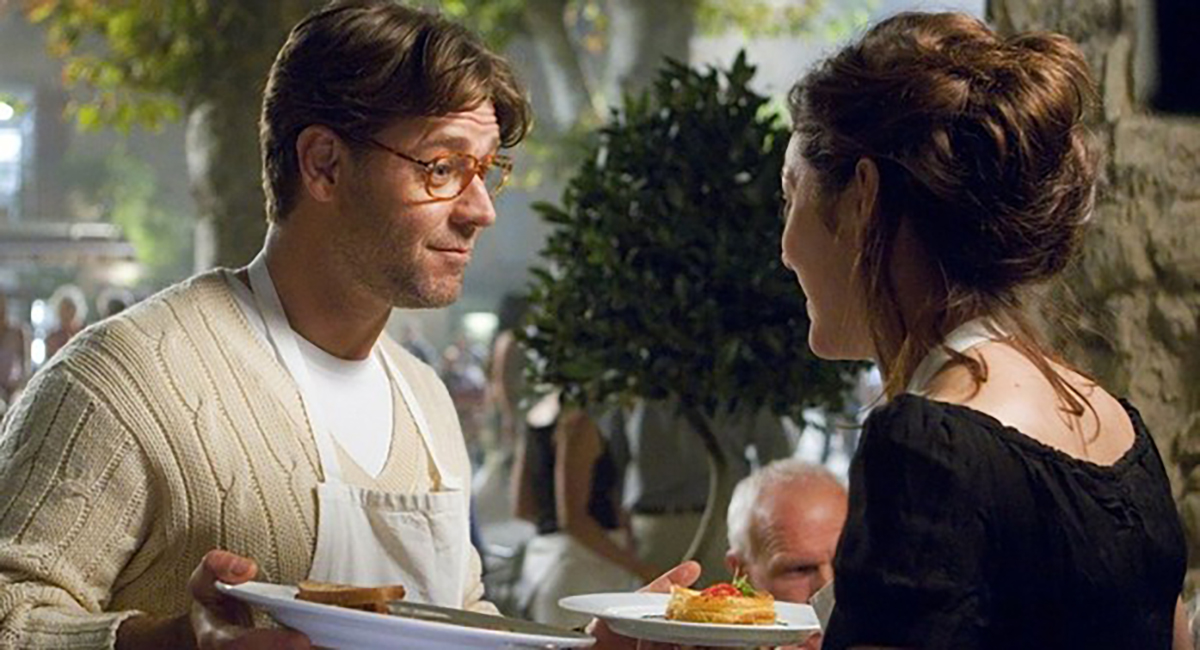
Mostly a movie about Russell Crowe sipping wine, and you know what? I’m glad Ridley tried it.
After all the blood, empires, monsters and miserable men of his career, Scott decided to make a movie about how cool it would be to inherit a vineyard in Provence, fall in love with restaurateur Marion Cotillard, and tell a bunch of city traders to fuck off.
It’s featherweight and never entirely convincing as a romantic comedy, but there’s something charming about watching the guys who made “Gladiator” use their accumulated Hollywood capital to take an extremely expensive vacation to the South of France.
Sometimes a zag is just a zag. I respect the swing.
26. ‘Hannibal‘ (2001)
It remains kind of shocking that Ridley Scott made “Hannibal.”
While it’s abjectly terrible, gross, grotesque, and ludicrously expensive, it’s also frequently beautiful, moving from Florentine architecture to Gary Oldman buried under some of the most horrifying makeup ever put on a major movie star. Its virtues are countless: Oldman is incredible, maybe giving a career-best performance; Julianne Moore is decent casting as an older and wearier Clarice Starling; and the movie contains images that are almost impossible to forget, whether you want to or not.
Scott is usually only as good as the material he’s given, and Thomas Harris’s truly berserk source novel is already an act of escalation for escalation’s sake. This is a story that basically follows Hannibal minding his own business, living the dream and curating an art library in Italy until cops, private security and well-connected American pedophiles get involved. It’s a wild failure, and ever the efficient executor, Scott happily follows it over the cliff. You can practically see him thinking: You thought “The Silence of the Lambs” was dark? [puffs cigar.] Watch this.
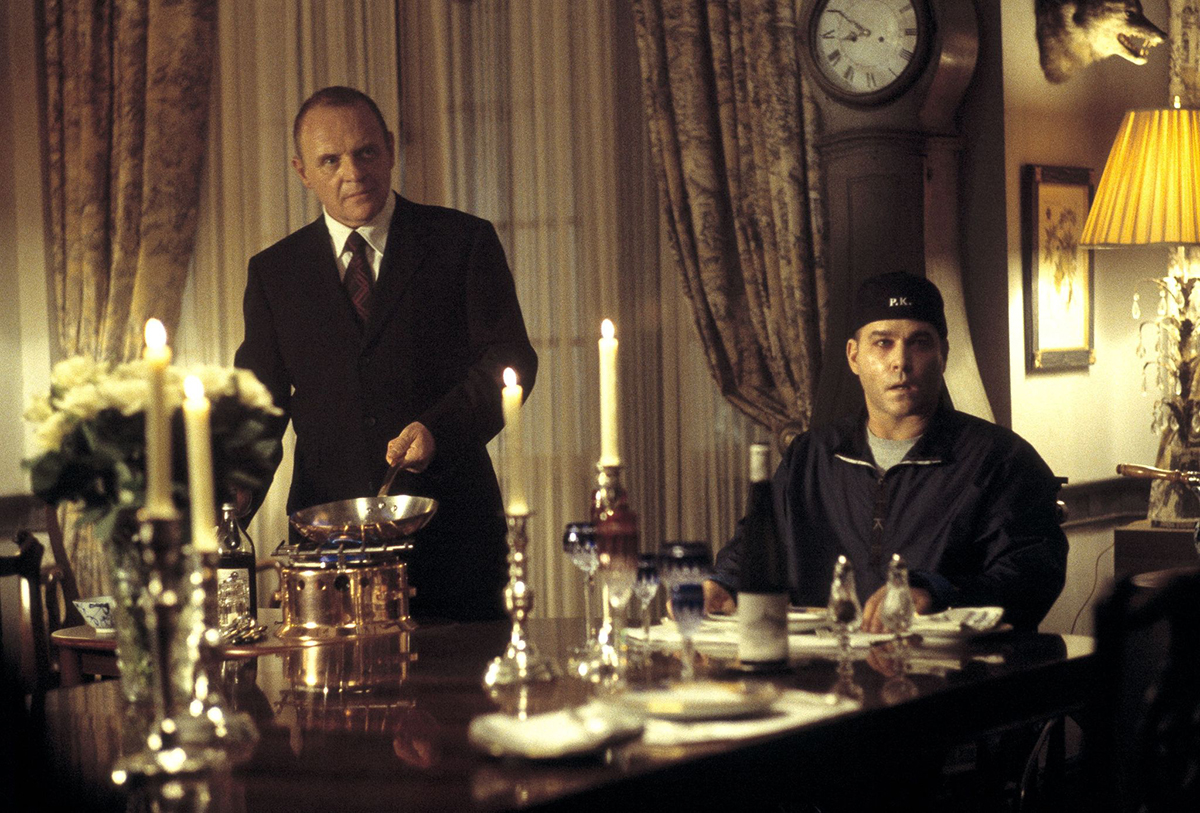
That willingness to go there is part of the fun, but it also makes “Hannibal” feel like a movie perpetually trying to out-gross itself. Scott’s visual elegance gives all the depravity a bizarre prestige sheen, which may actually make it more disturbing. It’s a testament to Scott’s status as a horror filmmaker that he can conjure an unforgettable image out of Anthony Hopkins performing cranial surgery on Ray Liotta at the dinner table and feeding him his own gray matter.
There are transition shots in “Hannibal” that look as if they took half a day to light properly.
25. ‘All the Money in the World‘ (2017)

Not a bad movie by any stretch; just one that never quite becomes as interesting as its production history.
Christopher Plummer famously replacing Kevin Spacey at essentially the last possible moment remains an incredible flex from Scott, especially because Plummer is so good that you’d never guess he was parachuted into the movie.
Unfortunately, Mark Wahlberg is badly miscast in a role that desperately needs the easy authority of a Matt Damon or George Clooney type. There’s an appropriately chilly Ridley movie in here about how unimaginable wealth distorts every human relationship around it. I just wish the people surrounding Plummer were as compelling as he is.
Still, the sheer existence of the movie in its final form is a testament to Ridley’s insane professionalism. Most filmmakers would have looked at the production nightmare and folded. Ridley essentially said, “Fine, give me Plummer,” and went back to work.
Also, like most Scott films, it is very well lit.
24. ‘Someone to Watch Over Me‘ (1997)
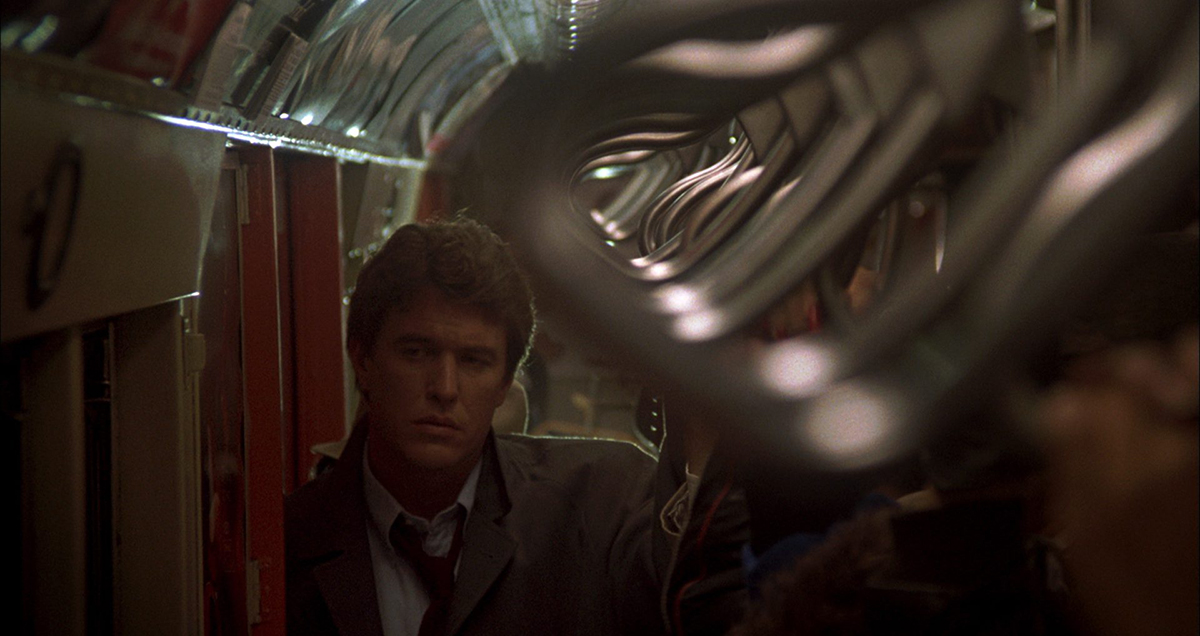
A Ridley Scott erotic thriller sounds irresistible on paper, which makes it slightly disappointing that “Someone to Watch Over Me” mostly feels like Scott trying on somebody else’s clothes.
You can imagine Adrian Lyne making this, or slotting it somewhere alongside the glossy adult thrillers of the era like “Jagged Edge.” Tom Berenger spends much of the movie looking vaguely annoyed that he’s there.
Still, it’s gorgeous, watchable and worth seeing as a curio: Ridley briefly wandering into one of the most ’80s genres imaginable and discovering that, somehow, this isn’t really his vibe.
Also, there’s a kitchen that puts most Nancy Meyers movies to shame.
23. ‘Gladiator II‘ (2024)
Probably one of the most disappointing sequels in recent memory.
Obviously, the central question hanging over “Gladiator II” is: Are you not entertained?
I was, but mostly in bursts.
There’s some real stuff here, particularly in the way the movie tries to interrogate the heroic mythology of Maximus and the political legacy of the first film. But almost every interesting idea eventually gets kneecapped by a pretty lousy screenplay that keeps cramming in retcon flashbacks to “Gladiator” that made me wonder if I somehow went to the bathroom during entire stretches of the first movie.
Paul Mescal puts in the work, but his performance practically evaporates whenever Russell Crowe appears in a flashback, while Pedro Pascal is such a wet sandwich that he somehow sucks the energy out of material that should be compelling. He seems like he’s busy memorizing his lines for “Fantastic Four” or “Eddington” or “Materialists.”
Thankfully, Ridley still knows how to put on a show. The action sequences are pure late-period Scott maximalism: baboons, rhinos, sharks, swords, blood, gigantic crowds. Completely ridiculous, maybe a bit too reliant on CGI, but fun. This is sicko Ridley operating with a blank studio check and asking the important questions, like: What if there were sharks in the Colosseum?
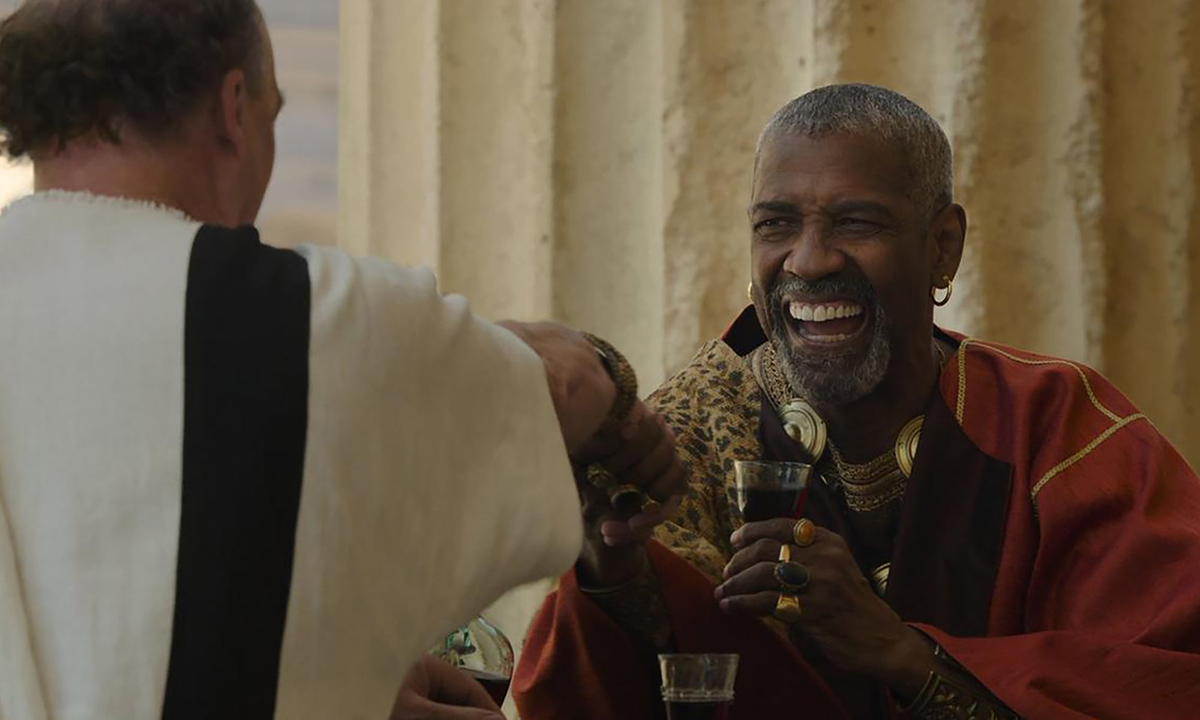
And then there’s Denzel Washington, who seems to understand exactly what kind of movie he’s in and responds by taking over the entire thing. The line readings, the rings, the robes, the swagger. Every time he appears, the movie suddenly has a pulse. If anybody can turn a two-star movie into a three-star experience through sheer movie-star force, it’s Denzel.
The frustrating thing is that if you want the Ridley Scott version of a sweeping swords-and-sandals epic that actually has something sharp to say about power, institutions and the stories men tell about themselves, he already made “The Last Duel”. “Gladiator II” is the lesser movie by a mile.
But as an opportunity to watch an 80-something Ridley Scott unleash sharks in the Colosseum while Denzel Washington eats everyone alive? There are worse ways to spend two and a half hours.
22. ‘Robin Hood‘ (2010)
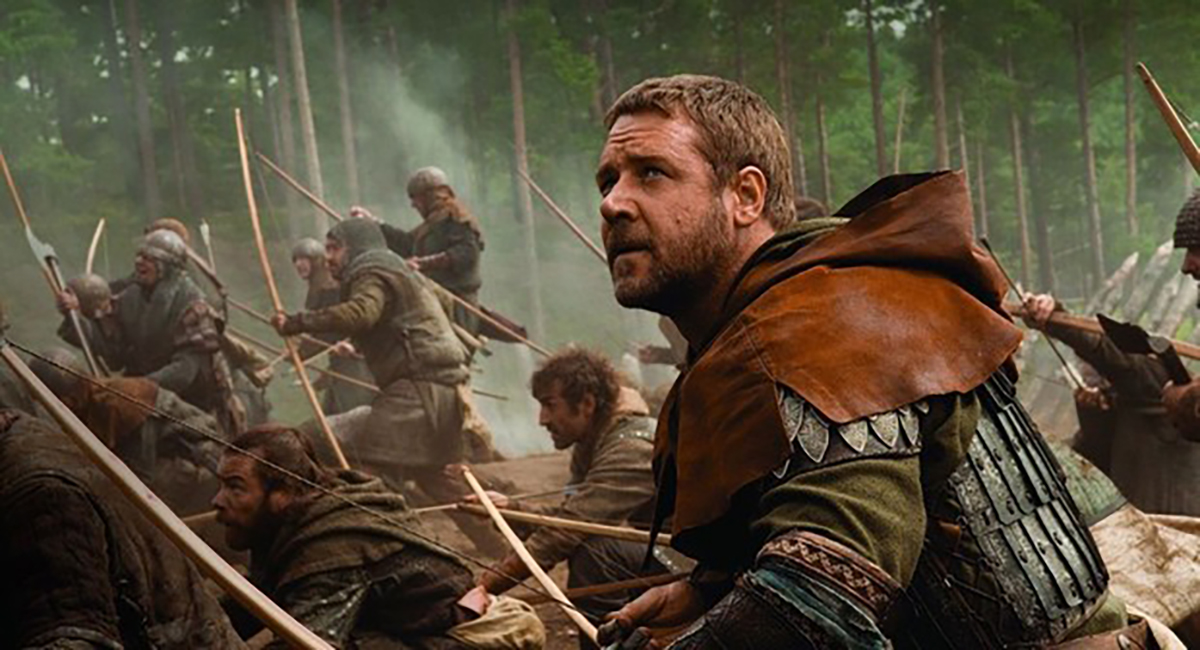
One of those movies where Ridley’s professionalism almost becomes the problem.
It’s handsome, enormous, sturdy, and filled with actors you like, but it never quite discovers the reason this particular version of “Robin Hood” needs to exist.
The major exception is Oscar Isaac, already displaying the charisma that would make him a star. There are worse things than watching Ridley Scott and Russell Crowe make a giant medieval action movie together, but considering the talent involved, “pretty solid” feels strangely disappointing.
21. ‘The Dog Stars‘(2026)

Scott’s 30th feature—and only his sixth science-fiction movie—is a post-apocalyptic survival story played largely as a John Ford western. It’s a well-made movie that’s almost shocking in how little incident it contains. Much of it is simply Jacob Elordi flying a little yellow plane across enormous post-apocalyptic vistas and talking to a grumpy Josh Brolin. Eventually, an incident forces him beyond the safe little world they’ve built, sending him on a journey that brings him into contact with Margaret Qualley and, naturally, another grumpy older man played by Guy Pearce.
For about two-thirds of its runtime, “The Dog Stars” is a quiet, soulful neo-western about grief, isolation and the strange routines people build to keep themselves alive after the world has ended. It’s Ridley in an unusually reflective mode, more interested in loneliness and landscape than machinery or spectacle. The final third eventually moves toward more bombastic thriller territory, and I’m less interested whenever the movie feels obligated to manufacture plot.
20. ‘The Duellists‘ (1977)
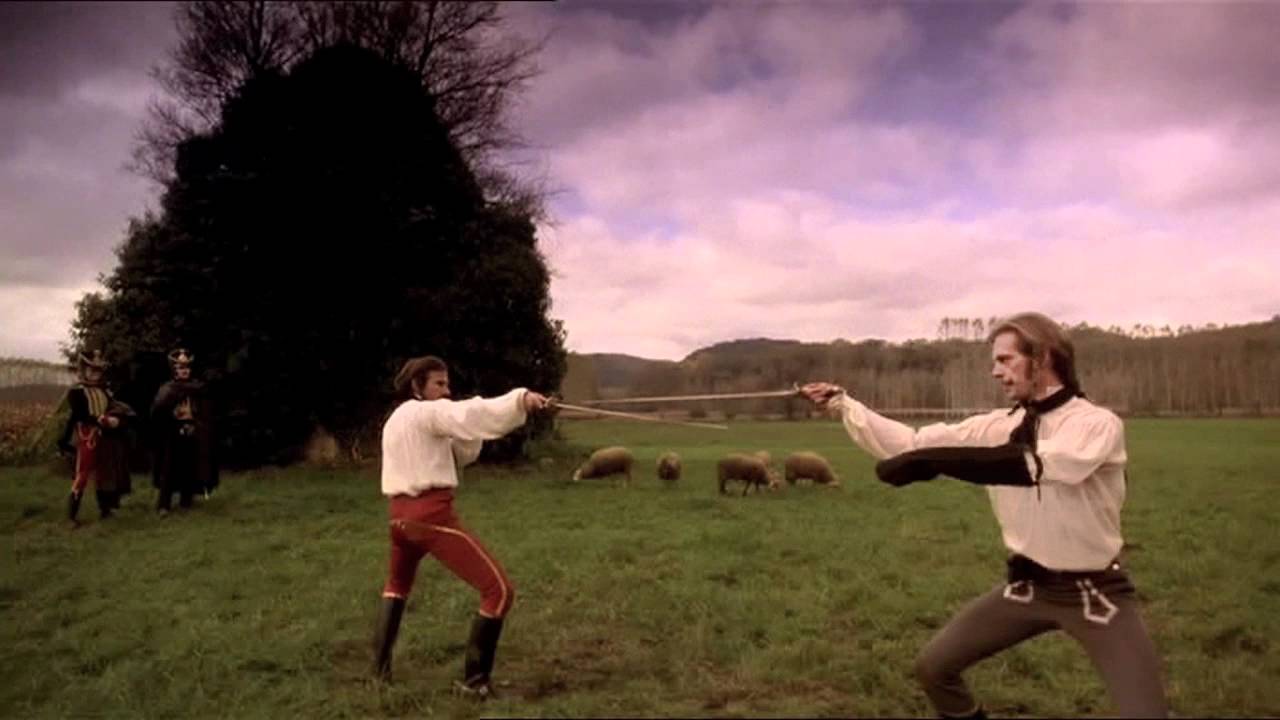
Scott arrived more or less fully formed.
“The Duellists” is smaller and more leisurely than the gigantic productions he’d eventually become synonymous with, but his eye is already ridiculous: natural light, landscapes, uniforms, smoke, architecture, faces. The sense of place is immaculate.
More importantly, you can already see his fascination with masculine codes and institutions that trap men inside their own ideas of honor. Two guys spend years trying to kill each other because neither is emotionally capable of simply letting something go.
Ridley Scott would return to that idea a few times.
It’s also funny to look at this modest, painterly debut knowing the same guy would eventually be putting sharks in the Colosseum.
19. ‘Body of Lies‘ (2008)
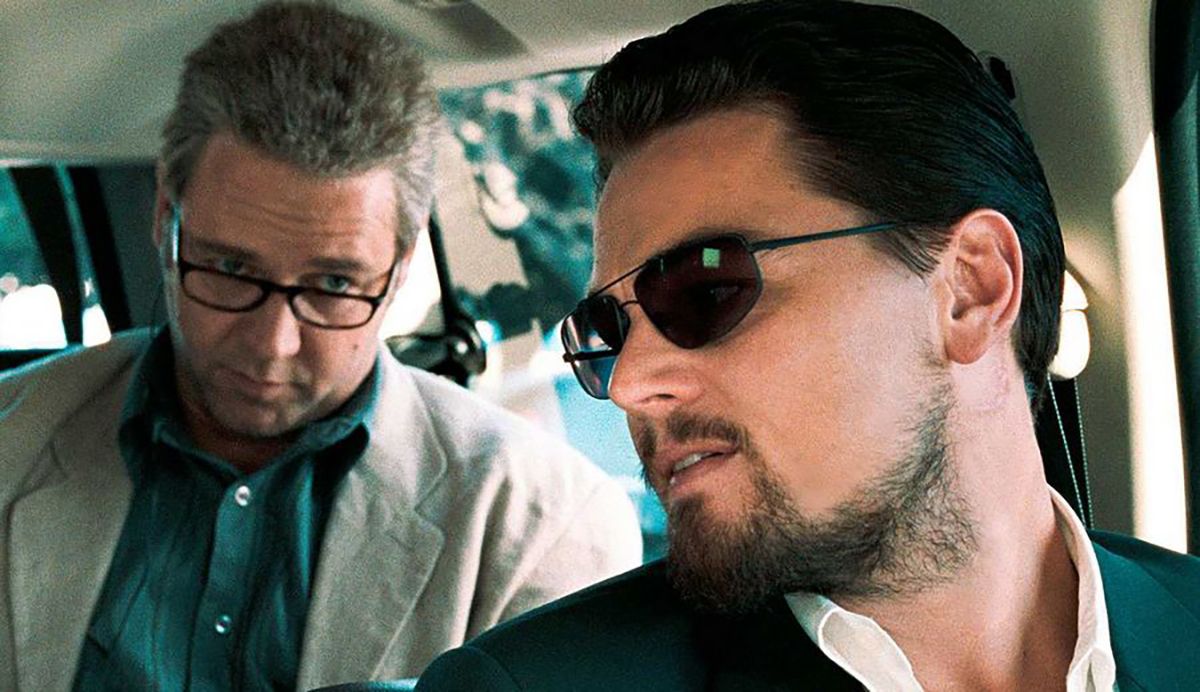
For about an hour, “Body of Lies” is electrifying: Ridley operating a paranoid espionage machine with Leonardo DiCaprio, Russell Crowe, Oscar Isaac, and an absolutely fantastic Mark Strong.
Then the movie gradually transforms into a much more conventional romantic thriller and loses some of that charge.
It’s still pretty good, but the first half makes you aware of the much nastier and stranger movie sitting just out of reach. Mark Strong in particular is on another level here, strolling through scenes with the kind of terrifying calm Ridley loves in a professional operator.
18. ‘Legend‘ (1985)
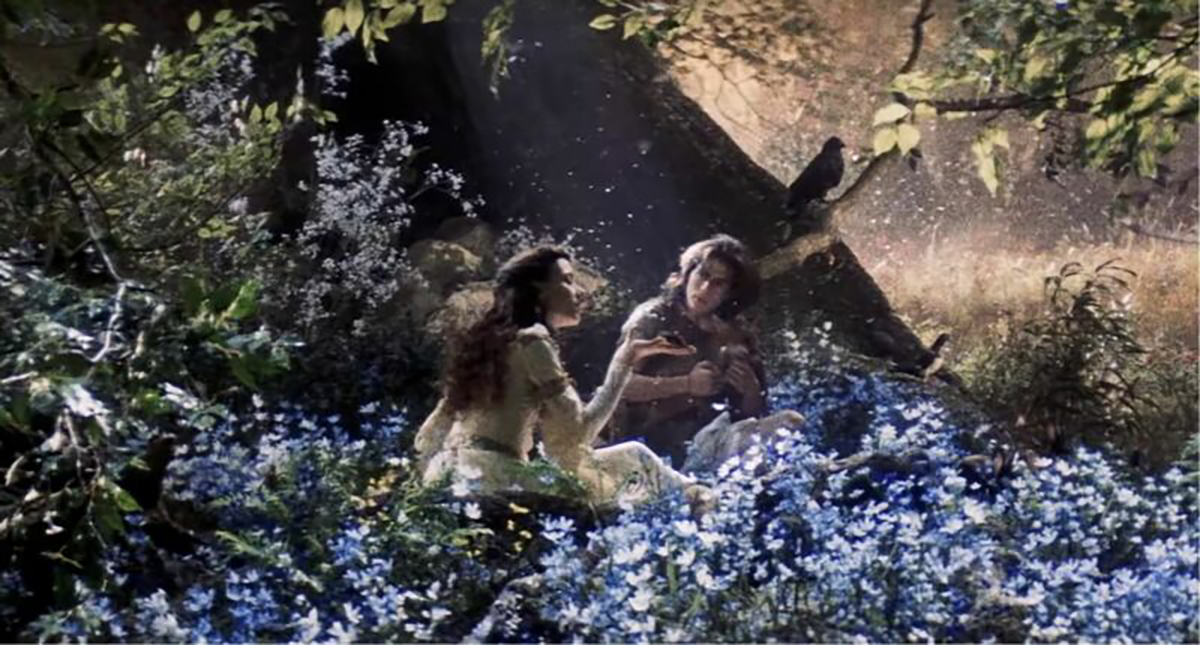
One of the most beautiful fantasy movies ever made, attached to a screenplay that is dumb as rocks.
That’s almost enough to make “Legend” an essential Ridley Scott movie anyway. Every frame seems designed to prove that somebody actually built the fantasy worlds other movies merely gesture toward. It’s psychedelic, lush and completely tactile.
Tim Curry’s Darkness is sublime, a triumph of makeup, production design and theatrical ham.
Meanwhile, poor young Tom Cruise looks like he has wandered in from another movie entirely.
Psychedelic, gorgeous nonsense.
17. ‘G.I. Jane‘
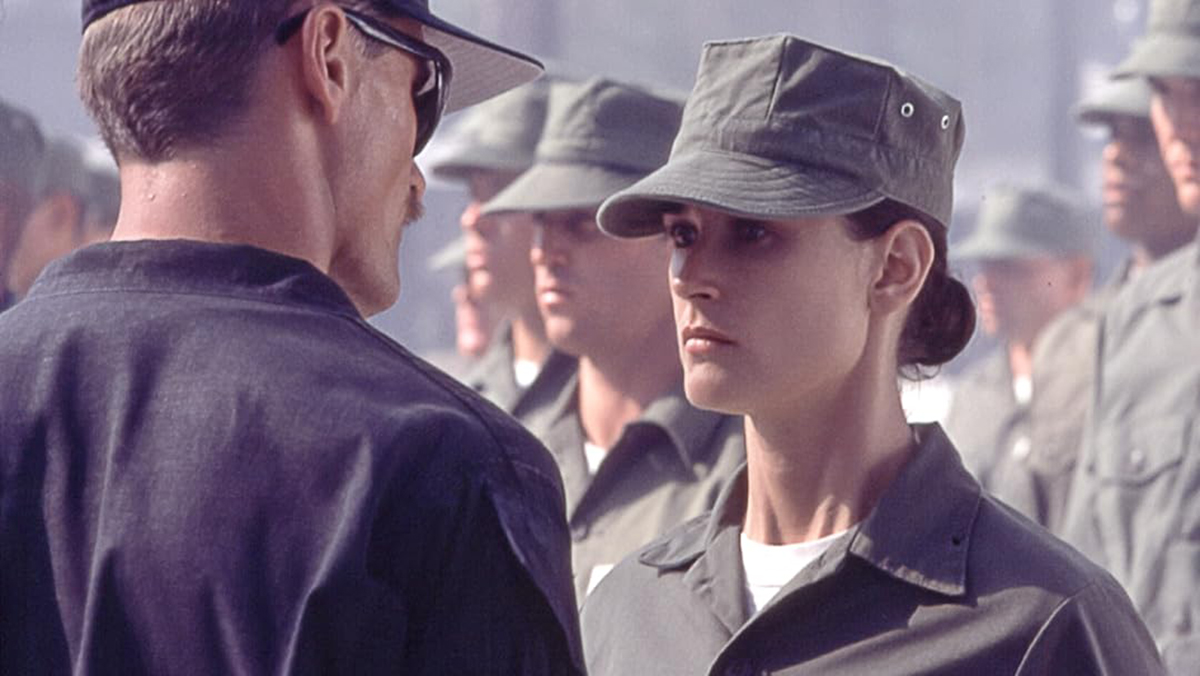
An interesting outlier because Scott seems unusually invested in the physical and psychological experience of one character rather than simply the machinery surrounding her.
Demi Moore gives one of her strongest star performances, while Viggo Mortensen is tremendous as the commanding officer trying to break her down.
There’s still plenty of Ridley institutional fascination here: hierarchies, rituals, power, people proving themselves inside systems designed to crush them. But it’s comparatively intimate, which makes it a fascinating little corner of his career.
It’s also another reminder that the idea of Ridley as a filmmaker uninterested in women doesn’t really survive contact with the actual filmography. When he gets a character like this, he plants her at the center and lets her own the movie.
16. ‘White Squall‘ (1996)
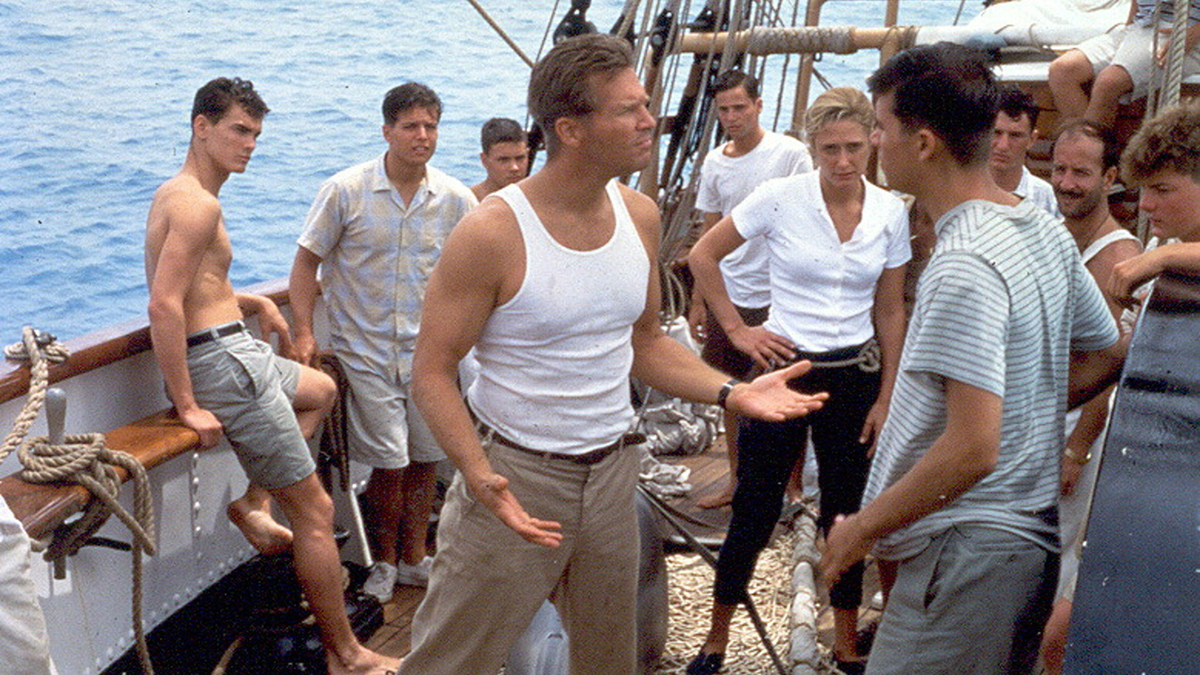
An underrated coming-of-age movie that also happens to indulge one of my weaknesses: movies about guys on boats.
Scott makes the sea look simultaneously beautiful and terrifying, and the young ensemble is terrific, anchored by a very good Jeff Bridges performance. It’s sentimental by Ridley’s standards, but never so much that he loses his sense of danger. You understand why these boys would remember this experience for the rest of their lives.
Also: boats. Big fan.
15. ‘Black Rain‘ (1989)
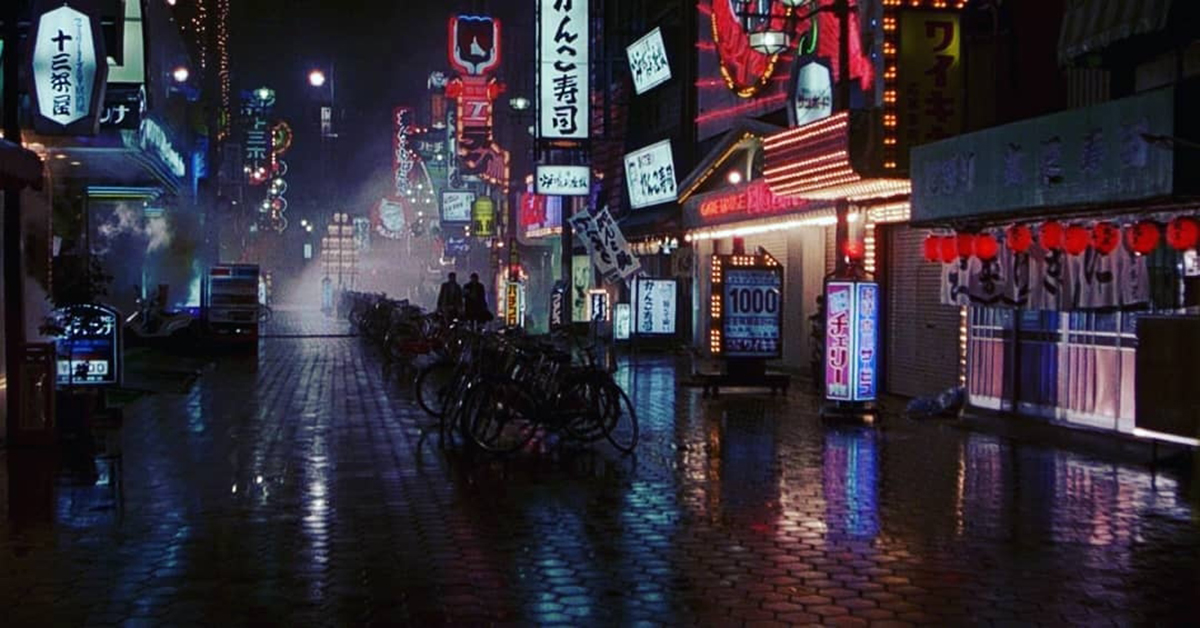
Is “Black Rain” great? Not really. Does “Black Rain” absolutely rule? Yes.
This is premium cable-movie Ridley: Michael Douglas, motorcycles, neon, rain-slicked streets, Yakuza, one incredible kill scene and one of the sickest posters ever made.
Sometimes Scott’s surface-level instincts are enough. Put cool actors in a cool neon fantasia, photograph the hell out of it, and let the machinery run.
This is a deeply important category of movie.
14. ‘Napoleon‘ (2023)
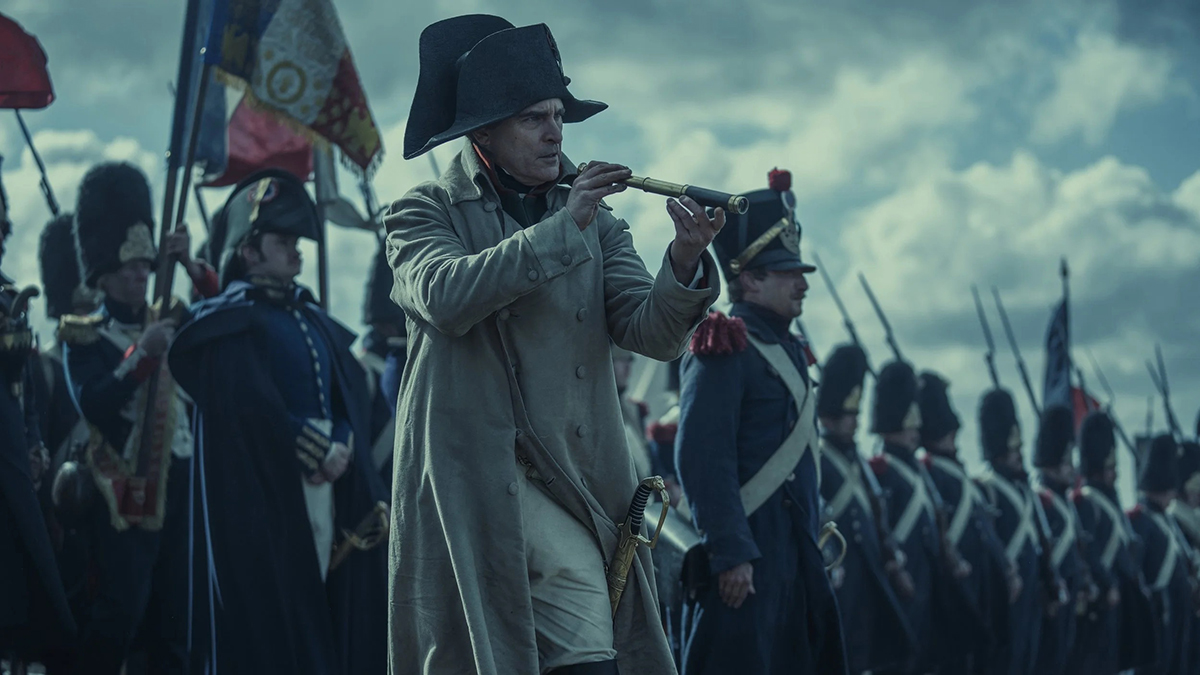
One of the strangest big-budget historical movies of the decade.
Rather than making a conventional Great Man epic, Scott approaches Napoleon Bonaparte as a little freak whose military brilliance coexists with a humiliating inability to understand or control his relationship with Josephine. The director’s cut makes that psychosexual dynamic even clearer and gives the movie room that the simultaneously overlong and rushed theatrical version desperately needed.
This is basically a naughty romantic comedy about an emotionally constipated cuck whose inability to control his equally freaky soulmate eventually finds its release in military conquest.
Scott’s chilly, calculated approach isn’t always ideal for a character study, particularly when he seems to actively dislike the character he’s studying. But that friction is also what makes “Napoleon” fascinating and frequently hilarious. I wouldn’t quite call the director’s cut a masterpiece, but it gets within striking distance of greatness.
Whatever problems I have with the character study mostly disappear once Scott gets Napoleon onto a battlefield. This is where the movie becomes completely legible to him. He understands how to stage large-scale action without turning it into visual soup. Interesting film.
13. ‘Matchstick Men‘ (2003)
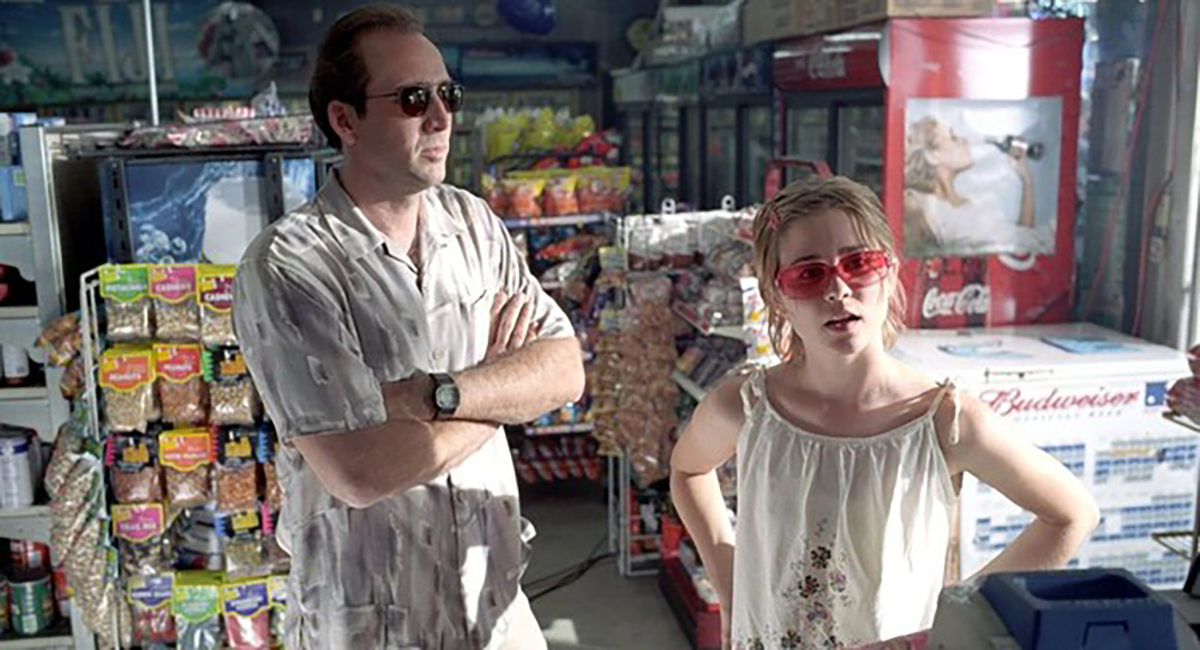
One of Ridley’s best zags.
“Matchstick Men” is light, funny and incredibly zippy, with a terrific Nicolas Cage performance at its center. Scott’s reputation for chilly visual grandeur makes it easy to forget what a good director of movie stars he can be, and here he’s content to mostly get out of Cage’s way and let the screenplay work.
It’s also a movie of deceptively elegant craft. Scott and cinematographer John Mathieson give the movie this sun-bleached look that makes the whole thing feel bright, exposed, and slightly unreal. It’s stylized without constantly announcing itself as stylized, which is a very Ridley trick.
I’m not completely sold on where it eventually lands, but the journey is so pleasurable that I don’t particularly care.
12. ‘Alien: Covenant‘ (2017)
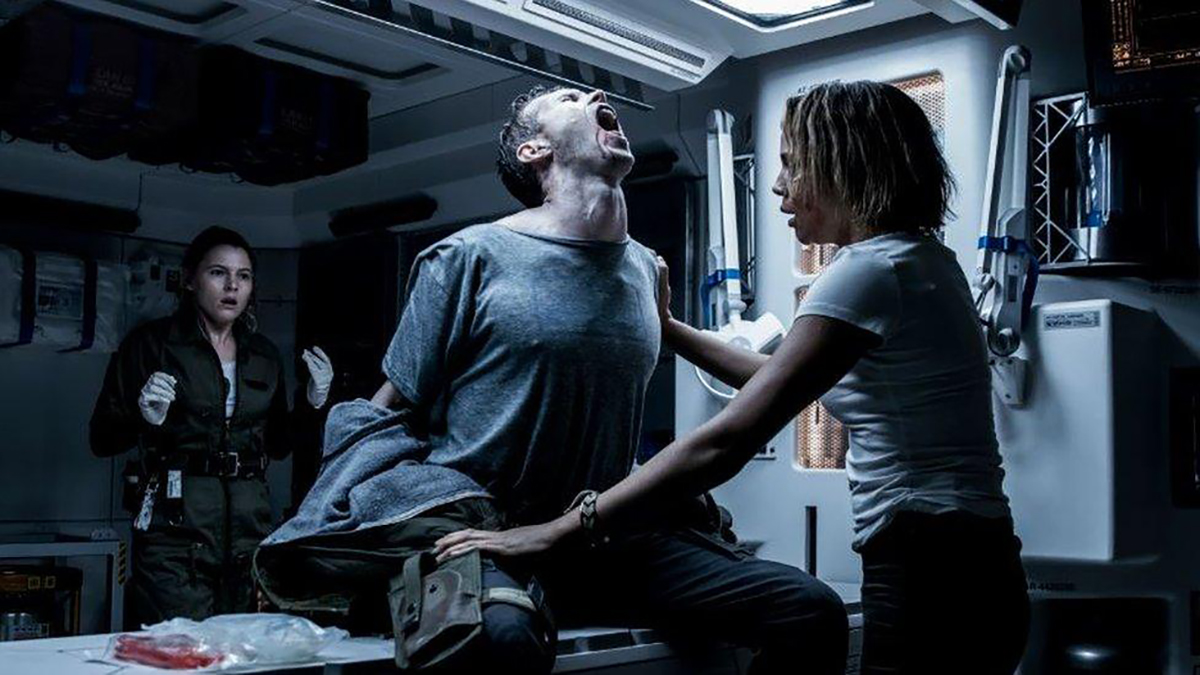
A bleak-as-fuck gothic horror movie set on an alien wheat-grass planet that eventually reveals itself as an absolutely wackadoo “Prometheus” sequel involving genocide, creation, poetry and Michael Fassbender homoerotically teaching another Michael Fassbender how to play the flute.
Incredible.
The first hour goes absolutely berserk. It’s as intense as almost any studio horror movie of the 2010s, with Scott throwing the cast into one cascading nightmare after another before abruptly deciding that what this movie really needs is an extended philosophical hangout with an evil robot.
The least interesting stretches are almost invariably the ones where Scott seems obligated to remind everyone that he’s technically making an “Alien” movie. Everything involving David is electric. “Covenant” is simultaneously a dark, self-contained horror movie, a continuation that makes “Prometheus” richer and the middle chapter of a trilogy that we may never get to see completed.
I wish more studio blockbusters possessed this kind of genuinely deranged IDGAF energy. Ridley Scott spent an enormous amount of studio money making a movie this bleak and strange and seemingly hostile to what everyone said they wanted from an “Alien” sequel.
God bless him.
11. ‘Black Hawk Down‘ (2001)
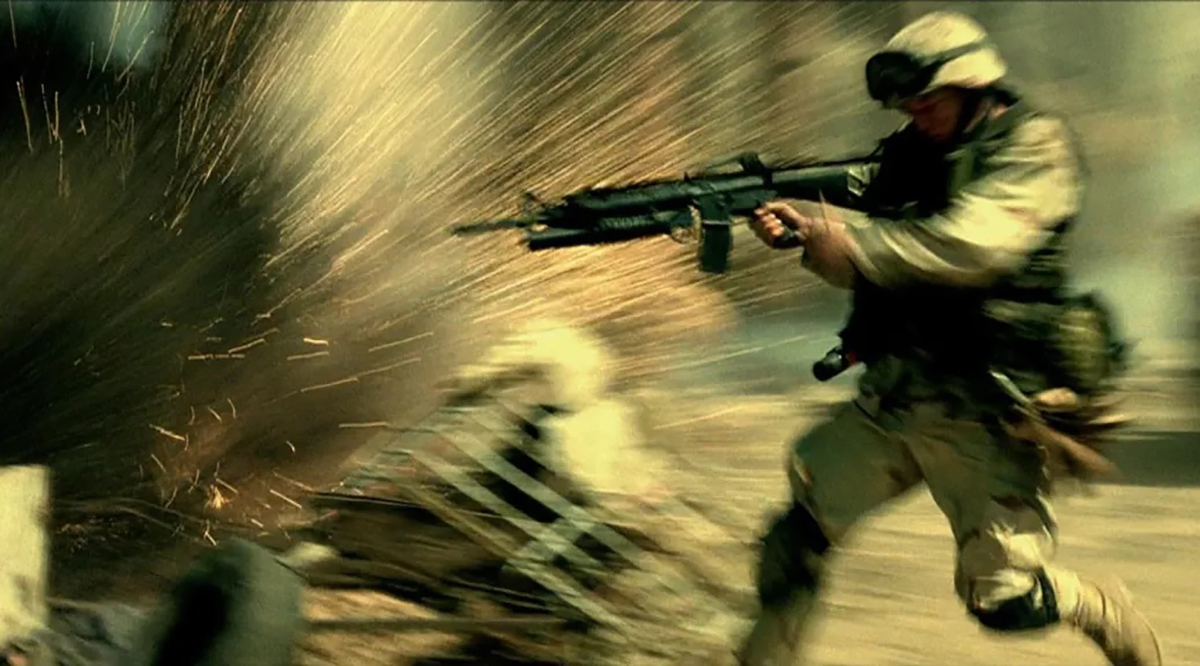
One of the most visceral depictions of warfare ever put into a mainstream Hollywood movie, and also one of the most controversial films in Scott’s career.
What’s fascinating is how uncontrolled it feels compared with so much of his work. Ridley is normally the guy you think of as the supreme organizer, the guy who can make an army move exactly where he wants it. “Black Hawk Down” deliberately feels like that control is slipping. It’s breakneck, chaotic, pulverizing, frenetic shaky-cam. In that sense, it may be the closest Ridley ever came to the sensory overload of a Tony Scott movie.
It’s also breathtaking and grim, with an absurd collection of young actors who would spend the next two decades becoming famous. Scott’s gifts for spatial organization, texture and controlled chaos are almost frighteningly well suited to the material.
Whatever problems you might have with the movie’s larger political framing, as pure filmmaking it’s an overwhelming demonstration of what Ridley can do when you give him hundreds of people, helicopters, explosions, dust, and a nightmare logistical problem to solve.
10. ‘The Counselor — Extended Cut‘ (2013)

In Stefon from “SNL” voice:
New York’s hottest nightclub has everything: cheetahs crammed into the back of an SUV; a motorcyclist being sliced apart by razor wire at 200 miles per hour; a tattooed Cameron Diaz impersonating Rihanna; a tattooed Cameron Diaz simulating sex on the windshield of a car; bodies being dissolved in vats of acid; and one of the most famous actors on the planet being decapitated in broad daylight by a mechanical bolito device.
An absolutely wild, magnificent and deeply acquired taste.
Cormac McCarthy gives Scott a crime story populated by people speaking in apocalyptic monologues about sex, death, capitalism and consequences, and Ridley responds by making everything look impossibly expensive right up until the machinery starts cutting people’s heads off.
There’s something oddly touching about Scott making this immediately after the death of his brother Tony. It’s not a Tony Scott movie, but there are flashes of the same attraction to movie stars, criminal professionals, speed, money, and beautiful surfaces, filtered through something much colder and more painterly.
The script is preposterously overwritten. Nobody speaks like a human being. Everybody speaks like they’ve been waiting their entire life for someone to ask them about mortality while seated in a very expensive restaurant. It sometimes feels less like a movie than a stage play populated entirely by high-powered devils.
And I mean that affectionately.
Cameron Diaz, Javier Bardem, and Brad Pitt all seem to understand they’re allowed to go completely insane. The performances are ridiculous across the board, but in exactly the right register. Pitt in particular is having a blast.
Meanwhile, Michael Fassbender plays the blank space at the center. He doesn’t even get a name. He’s a man so confident that he can dip a toe into this world without consequences that he barely seems to possess an inner life until the consequences arrive.
That emptiness works for me. “The Counselor” is essentially “fuck around and find out” elevated into existential philosophy.
What I love is how the movie traps its characters inside a world that looks seductive right up until it starts killing them. Everybody has beautiful clothes, beautiful cars, beautiful houses and access to rooms that most people will never enter. Scott photographs all of it with immaculate attention, which only makes the violence feel nastier when it arrives.
These people have built entire identities around taste, access and control, and the joke is that none of it matters once they wander into a system bigger and colder than they are. Scott gives them gorgeous surfaces and then spends two hours proving how little those surfaces can protect them.
It’s pretentious, cruel, occasionally baffling, frequently hilarious, contains an almost comical number of decapitations and may be the weirdest movie Scott has ever convinced a major studio to finance.
There really isn’t another movie like it.
They could never make me hate you, “The Counselor.”
9. ‘Prometheus‘ (2012)
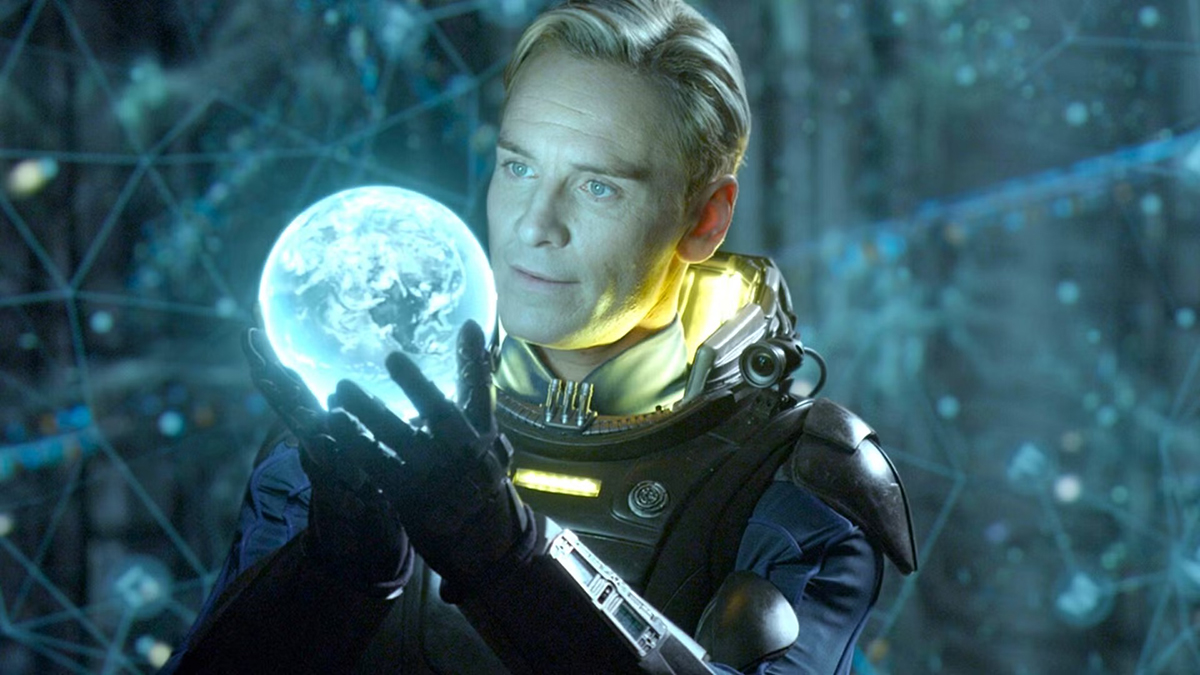
“Prometheus” wasn’t the “Alien” prequel people wanted, which is a large part of why I love it.
This movie is drastically underrated.
Instead of simply recreating the terror of the original, Scott made an enormously expensive cautionary tale about humanity’s pathological need to meet God and its even more dangerous desire to become God itself. A billionaire sends a collection of arrogant “experts” across the universe looking for humanity’s creators, only for everybody to discover that the answer to the greatest question imaginable is both profoundly unsatisfying and extremely hazardous to their health.
It’s great cosmic horror. The emergency C-section scene is one of the best sequences of Scott’s career, and the prologue turns something resembling the Garden of Eden into an eerie, completely alien landscape.
Scott seems to take a certain dark glee in watching these people suffer the consequences of their own grandiosity. The only character he appears genuinely fascinated by is humanity’s synthetic son, David. Michael Fassbender is a revelation in these movies: calm, chilly, curious, and quietly horrified by the inadequacy of the creatures who made him.
David is the logical endpoint of humanity’s fascination with creation. Humanity resents its creators; David resents humanity; everybody responds by trying to create something of their own. The universe becomes one endless chain of disappointed children looking upward and deciding they could do a better job than their parents.
That rebellion is what “Prometheus” is really about. All the silly monster-movie deaths that frustrated people in 2012 are ultimately casualties of characters meddling with forces they cannot remotely comprehend.
It also happens to be one of the best-looking studio movies of the 21st century.
“Prometheus,” they could also never make me hate you.
8. ‘Thelma & Louise‘ (1991)
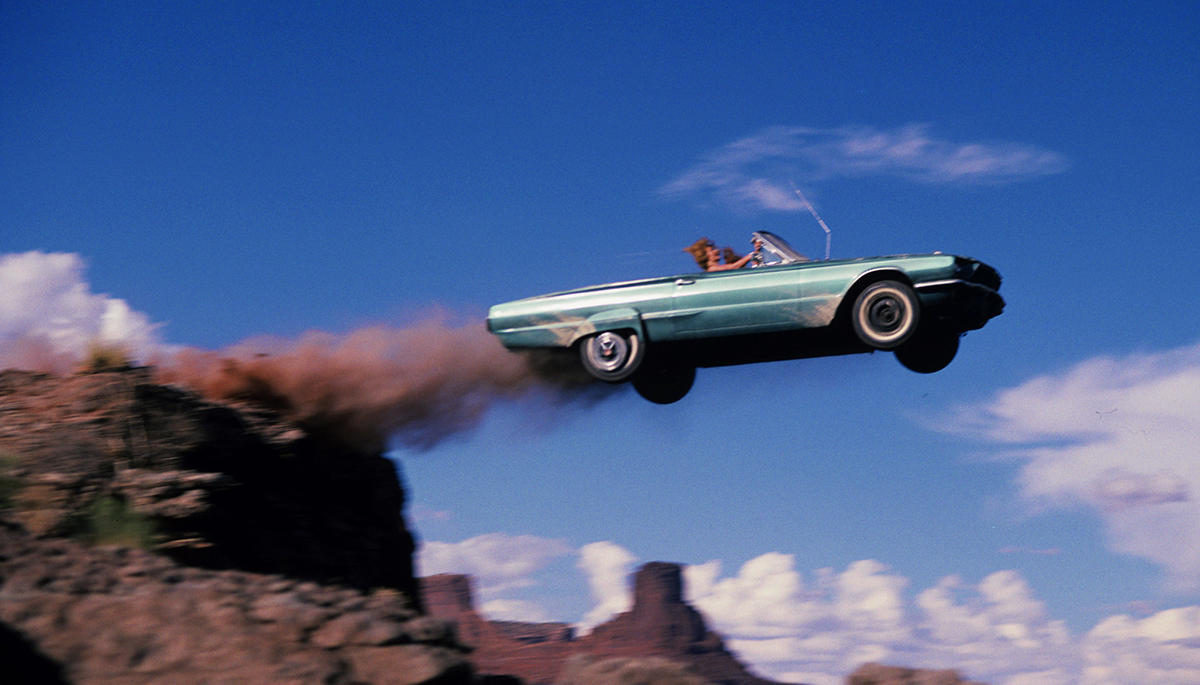
One of the funniest things about Scott’s career is that he can occasionally pull something like “Thelma & Louise” seemingly out of his back pocket.
It’s funny, angry, romantic, politically sharp, and filled with incredible images. Those huge American vistas are gorgeous, but Scott never lets the landscape overwhelm the people traveling through it. The highways and desert gradually become part of the emotional journey: the farther Thelma and Louise drive, the farther they seem to get from the world that was suffocating them.
More than anything, it’s a great movie about friendship. It’s warm, funny, and strangely hopeful even as it grapples with violence, misogyny, and the tightening trap around its characters.
That warmth also gets at something I think the conventional characterization of Scott as a chilly technician misses. Nobody could watch “Thelma & Louise” or, decades later, “The Last Duel” and seriously argue that Ridley is incapable of empathy. The interesting thing is that he often arrives at it indirectly. He isn’t particularly sentimental about his characters, but that doesn’t mean he’s indifferent to them.
And apparently even the movie’s writer wasn’t expecting just how funny Ridley would find the material. Years later, Scott recalled Callie Khouri telling him she was “shocked that I made it into a comedy.” His response is wonderfully Ridley: “I’m actually quite a funny guy.”
Scott said he thought Khouri “probably didn’t like the movie” because she was “a very serious person,” while he “just saw it as quite amusing.” That disagreement gets at something essential about the finished movie. Scott doesn’t undermine Khouri’s anger or politics by finding humor in the story; the humor is what makes Thelma and Louise feel like people rather than martyrs waiting for the inevitable.
And then the joke slowly disappears.
As Scott described it, what begins as something amusing “evolved into an epic final journey.” That tonal evolution is one of the movie’s great achievements. It can be a buddy comedy, a road movie, a feminist western, and eventually a tragedy without those modes canceling one another out. The fun makes the ending hurt more.
In some ways it’s a John Ford movie about two women discovering that freedom requires escaping the social structures that have defined their lives, except the frontier is disappearing underneath them as they drive. Geena Davis and Susan Sarandon are incredible, Harvey Keitel gives the movie a lovely undercurrent of compassion, and Brad Pitt shows up and basically announces the next 30 years of his career.
Scott also demonstrates again how good he is at photographing movie stars as movie stars. He knows how to find the image that makes someone iconic.
And then there’s that ending.
Perfect. Iconic. Nothing else would do.
7. ‘Gladiator‘ (2000)
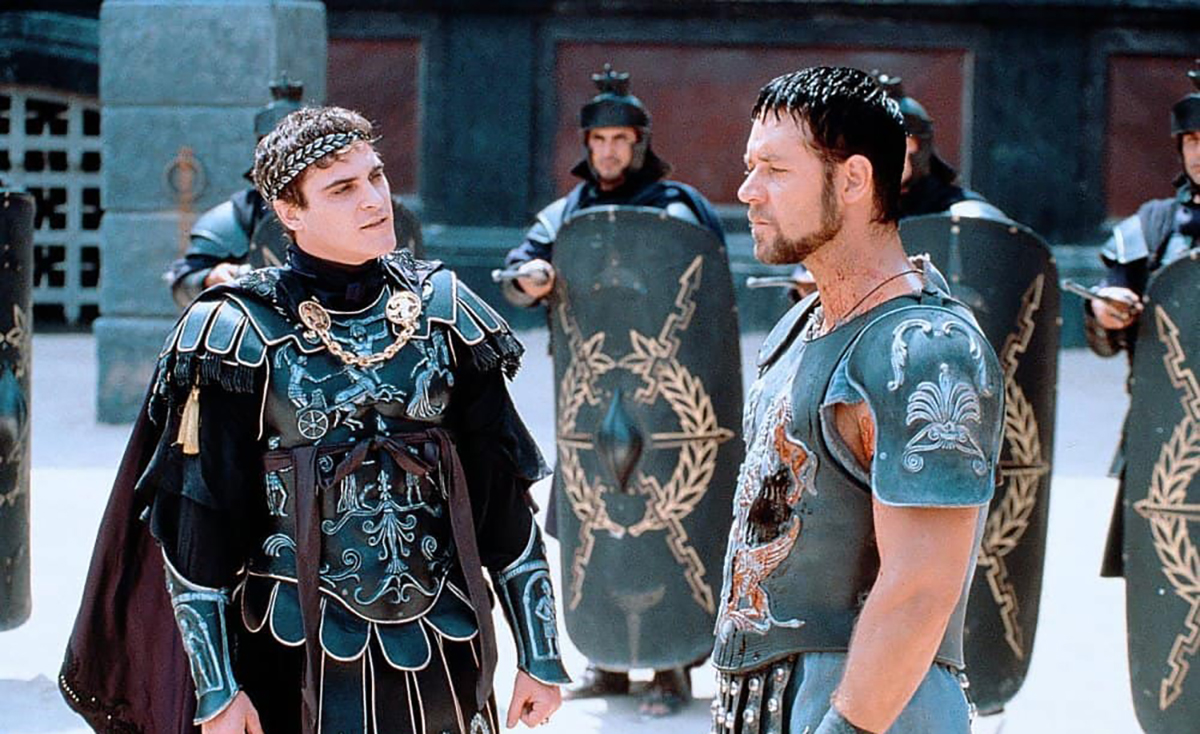
I don’t have anything particularly intelligent to say about “Gladiator.”
It kicks ass.
It’s gloriously colorful, silly, loud, emotional, and almost absurdly watchable. Scott helped resurrect the Hollywood historical epic by making one that didn’t feel like homework, and somehow it won ‘Best Picture’ in the process.
Joaquin Phoenix is tremendous. Russell Crowe is operating at the peak of one of the great movie-star runs: “The Insider,” “Gladiator,” and “Master and Commander” in four years. I’d probably start throwing phones at people too.
Arthur Max also appears to have blacked out while designing this thing. It’s some of the finest production design you’ll see in a Hollywood movie made this century.
There’s also something I find moving about Scott using this enormous turn-of-the-century blockbuster as a kind of Viking funeral for the British lout legends of his youth. We mortals are but shadows and dust, etc.
Perfect big-budget movie.
Awesome.
6. ‘Kingdom of Heaven — Director’s Cut‘ (2005)
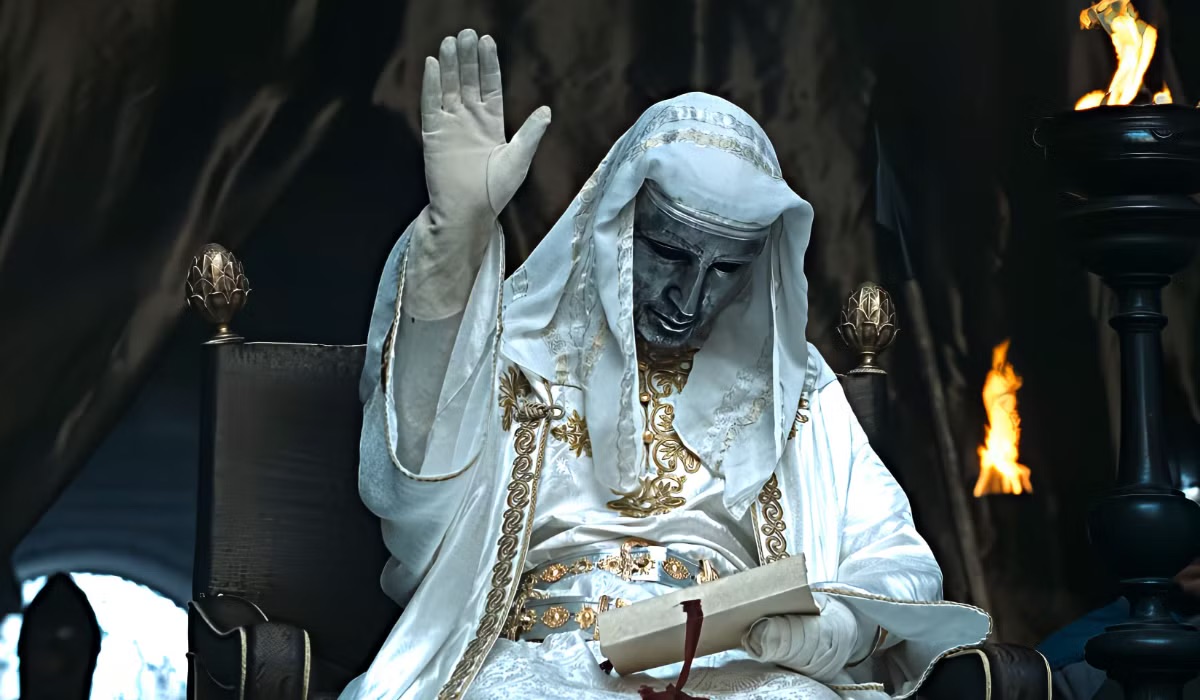
The director’s cut transforms “Kingdom of Heaven” into one of Scott’s great historical epics.
Instead of feeling like an attempt to manufacture another “Gladiator,” it has the patience, scale and melancholy of something closer to David Lean, with a little Kubrickian chill mixed in. It’s a huge movie that actually allows its world to breathe.
Scott’s fascination with religion, institutions and the absurdity of men killing one another over symbols finds almost ideal material here. The supporting cast is absurd: Jeremy Irons, Liam Neeson, Eva Green, and Edward Norton all show up ready to steal whatever scene they’re in.
And when the movie finally goes big, it goes big. Some of Scott’s greatest large-scale battle filmmaking is here, but what makes the director’s cut work is that the spectacle feels connected to the politics and people surrounding it.
It’s glorious old-fashioned epic filmmaking from somebody who might be the last Hollywood director capable of doing it at this scale without making it feel like cosplay.
5. ‘American Gangster — Theatrical Cut‘ (2007)
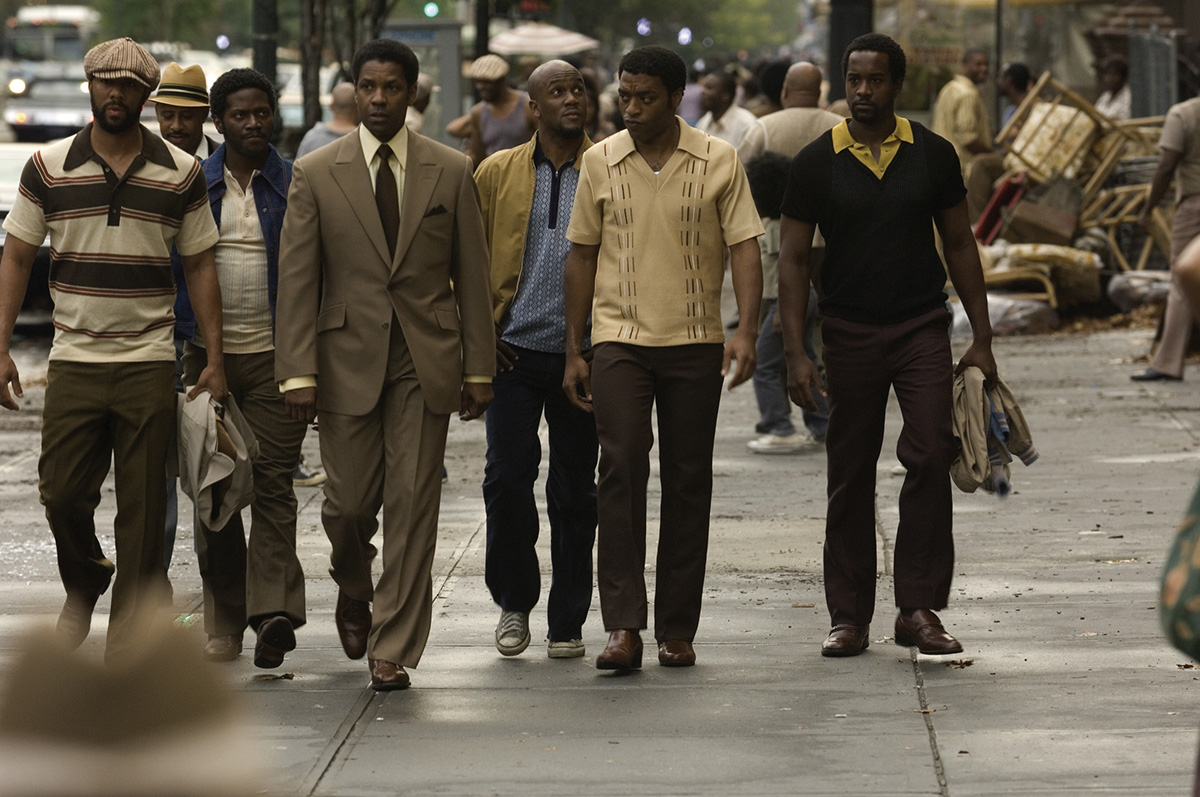
Talking about that BLUE MAGIC.
I think my age allowed me to completely miss the initial disappointment cycle around “American Gangster.” I’ve always loved this movie. Growing up, I mentally filed it right alongside “Scarface,” “The Godfather,” and “Goodfellas” as one of the giant crime movies.
Is that an outrageous grouping? Probably.
Do I care? Not especially.
The cast is incredible, and the movie feels like somebody threw “The French Connection,” “Heat,” “Goodfellas,” “Black Caesar,” “The Godfather Part II,” “The Wire,” and “Serpico” into a blender, poured the mixture onto celluloid and handed it to Sidney Lumet.
Except, obviously, it was handed to Ridley Scott.
It’s a very good crime movie being executed with exactly the sort of supreme efficiency you’d expect from Scott, Denzel Washington and Russell Crowe. It’s big, expansive and jammed with details. People are constantly entering rooms, making deals, investigating things, moving product, counting money, betraying each other.
If it’s on TV, I’m going to watch it. It’s just one of those movies for me.
And then you get one of the greatest final ten minutes of Scott’s career. Crowe and Denzel finally sit across from one another. Josh Brolin’s corruption reaches its bloody endpoint. Frank Lucas eventually walks out of prison to the perfectly timed sound of Public Enemy, confronting a new world order all alone.
I love the collision between Scott’s natural grandiosity and Harris Savides’s scratchy, naturalistic photography, creating this slick-scummy vision of ’70s New York. There are stretches that can feel a little perfunctory, almost in the way Michael Mann’s “Ali” does, where the filmmaking is so accomplished that you start imagining the other versions.
What does Spike Lee do with this? Scorsese? Sidney Lumet? James Gray? Michael Mann? Ernest Dickerson? Oliver Stone?
Hell, what if Tony Scott took a crack at it?
It’s a fun game.
But this is the movie we have, and I love it.
4. ‘The Martian‘ (2015)

Possibly the most fun Ridley Scott has ever had making a movie.
It’s efficient. It’s competent. More importantly, it’s exactly the kind of big studio movie I wish we got more often: a movie-star vehicle built around extremely smart people being extremely good at their jobs.
There’s an obvious connection to “Project Hail Mary“: Drew Goddard adapting Andy Weir into a giant movie-star science-fiction survival story. But part of what makes “The Martian” so special to me is its simplicity. It never overcomplicates the engine. Matt Damon has a problem. He solves it. A new problem appears. Everyone on Earth gets to work. Repeat.
That efficiency is the movie.
It also functions as a weird inverse of so many recurring Ridley themes. Space is usually where his characters discover that humans are arrogant idiots and existence is hostile. Here, space is still hostile, but human ingenuity is actually enough to fight back.
And I think the warmth and humor are what ultimately give “The Martian” an edge over most late-period Scott. There’s no contempt for these people. Nobody is being punished for having the audacity to ask God a question or stumbling into an institution designed to grind them into dust. They’re funny, decent, extraordinarily capable people who genuinely want to help one another. Even Scott’s usual attraction to professional competence feels different because the competence is being deployed toward something fundamentally optimistic.
The Mars vistas are incredible. Damon is fantastic. And it’s one of Scott’s great ensemble movies. Everybody gets something to do, everybody is good at their job, and Scott never seems embarrassed by the movie’s sincerity. It looks terrific, moves like hell and understands exactly how to use Damon as a movie star.
For a director so frequently accused of coldness, Scott made one of the warmest blockbusters of his career: a sincere celebration of human ingenuity and the radical idea that people, working together and using their brains, might actually be capable of saving one another.
3. ‘The Last Duel‘
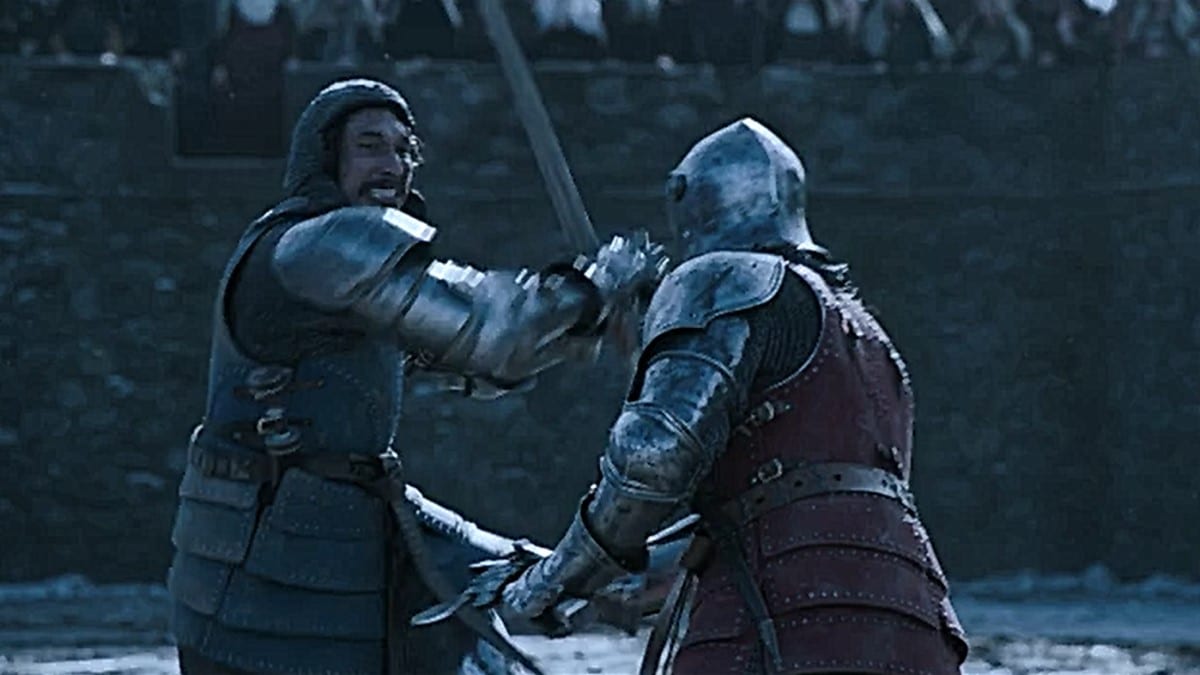
Forty-four years after “The Duellists,” Scott returned to medieval Europe and made what feels almost like an answer to his first movie.
Once again, men are destroying themselves over honor, status and perceived humiliation. The difference is that “The Last Duel” finally asks what happens to everybody else while these guys are busy trying to kill each other.
Its shifting perspectives gradually strip away the heroic assumptions of the medieval epic. Matt Damon’s Jean de Carrouges initially understands himself as a wronged man defending his honor. Adam Driver’s Jacques Le Gris imagines himself as a romantic hero. By the time the story belongs to Jodie Comer’s Marguerite, both men’s self-images have collapsed. One is a deluded rapist; the other loves his wife but still understands her violation partly as an injury done to him.
Comer is phenomenal because she has to slowly become the actual protagonist of a movie whose men barely recognize that she has an interior life.
And this is where I come back to the accusation that Scott is somehow fundamentally heartless. Put “The Last Duel” next to “Thelma & Louise” and that becomes very difficult for me to accept. Scott’s empathy just doesn’t usually announce itself through big sentimental gestures. He watches people bump against systems that are larger than they are and lets the cruelty of those systems reveal itself.
That makes his usual fascination with institutions especially potent here. Marriage, monarchy, property, the church, and the legal system all conspire to turn Marguerite’s experience into a dispute between men. She’s reduced to another piece of property inside systems constructed to protect the men around her.
And because this is still Ridley Scott, all those ideas eventually culminate in one absolutely brutal battle scene.
That’s where the movie becomes particularly fascinating. Scott gives us the spectacular, bone-crunching combat sequence we’re paying to see while simultaneously making its very existence horrifying. The opening treats the duel almost like a sporting event, with the crowd eagerly awaiting bloodshed. By the time we finally return to it, Marguerite’s life depends upon whether her husband happens to be better at murdering another guy in front of thousands of cheering people.
Scott is interrogating the exact kind of spectacle he’s spent his entire career perfecting without pretending he doesn’t still enjoy putting on the show.
It’s brutal, funny, intelligent, and almost completely unsentimental. More than four decades after “The Duellists,” Scott returned to the same image of two men trying to kill each other over honor and finally widened the frame enough to ask who else has to pay for it.
2. ‘Blade Runner — The Final Cut‘ (1982)
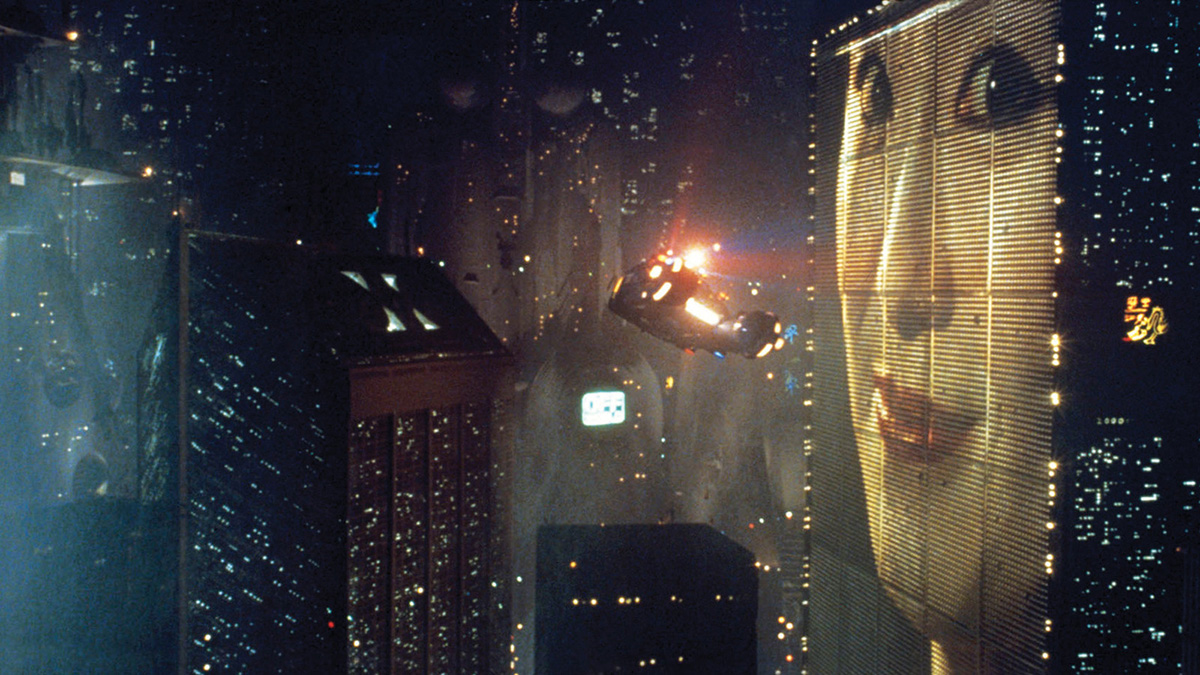
If “Alien” is Ridley’s perfect machine, then “Blade Runner” might be the movie that feels most purely Ridley Scott.
It’s cold, metallic, wet, and perpetually covered in smoke. It looks like the future and the past simultaneously, which might explain why it still hasn’t really aged. So much of modern science fiction has spent the subsequent four decades trying to reproduce images Scott and his collaborators seemingly conjured out of thin air.
And underneath all that immaculate production design is a strangely melancholy movie about people desperately trying to prove that their lives mean something.
Every version of “Blade Runner” is interesting because the movie itself seems permanently unfinished, something Scott spent decades tinkering with until arriving at the Final Cut. There’s something fitting about that. A movie about artificial beings whose memories can be altered and identities reconstructed has itself existed in several different forms, with its meaning changing depending on which version you’re watching.
The irony of Ridley Scott, frequently dismissed as a filmmaker without much interest in interiority, making one of cinema’s defining movies about the question of what constitutes a soul is almost too perfect.
If you wanted to hand somebody one movie and say, “This is what Ridley Scott looks like,” this might be the one.
1. ‘Alien‘ (1979)
Even somebody determined to remain a Ridley Scott agnostic has to reckon with “Alien.” It’s one of the best and most influential movies ever made, a film whose design language has become so thoroughly absorbed into popular culture that it’s difficult to remember how radical it must have looked in 1979.
Scott didn’t just make space scary.
He made it industrial.
These aren’t noble explorers boldly venturing into the unknown. They’re workers. They eat lousy food, complain about their contracts, argue about bonuses, and wander through corridors that look like somebody ought to be repairing a boiler down there.
And then Scott introduces one of the greatest monsters in cinema history.
There’s something appropriate about Ash admiring the creature’s purity and structural perfection, because you could almost take it as Scott describing the movie surrounding him. H.R. Giger’s creature design, Jerry Goldsmith’s score, Derek Vanlint’s cinematography, the production design, the editing, the cast. Everything works.
You can even use “Alien” to make the case against Scott as an auteur. Maybe he’s an ad man. Maybe he’s a technician. Or maybe the greatness comes from the designers, writers, actors, and craftspeople surrounding him rather than some singular worldview imposed from above. In one sense, “Alien” really is the sum of its parts.
The problem with that argument is that directing is knowing what to do with those parts.
It’s taste, it’s organization, it’s recognizing an incredible idea when somebody puts it in front of you. It’s knowing where to put the camera. And it’s also creating an environment in which all those disparate contributions suddenly feel as though they could never have existed any other way.
Ridley Scott has spent almost half a century making movies that are messy, strange, commercial, beautiful, impersonal, personal, brilliant, and occasionally terrible. He’s made historical epics, crime movies, science fiction, war films, thrillers, fantasy movies, and at least one movie about Russell Crowe drinking wine in Provence.
Trying to make the career cohere into a single neat auteurist thesis almost feels contrary to the thing that makes him Ridley Scott.
But once, very early on, all of his instincts converged at exactly the right moment.
He made something damn near perfect.
And the best thing about Ridley is that he apparently saw no reason to spend the next 50 years trying to protect that achievement. He just kept working. Sometimes brilliantly. Sometimes disastrously. Frequently somewhere much stranger in between. Thirty movies later, he still seems more interested in whatever he can get in front of a camera next than in polishing the monument behind him.
So keep going, Ridley. Make another historical epic. Make another incomprehensible $150 million studio movie about robots arguing with God. Put Russell Crowe on another boat. Give Denzel a cape. Go back to the “Alien” prequels and let David do whatever horrible thing you were planning. Make “A Good Year 2.”
Just keep cranking these things out.
Hollywood is considerably more interesting when Ridley Scott has another movie coming.

