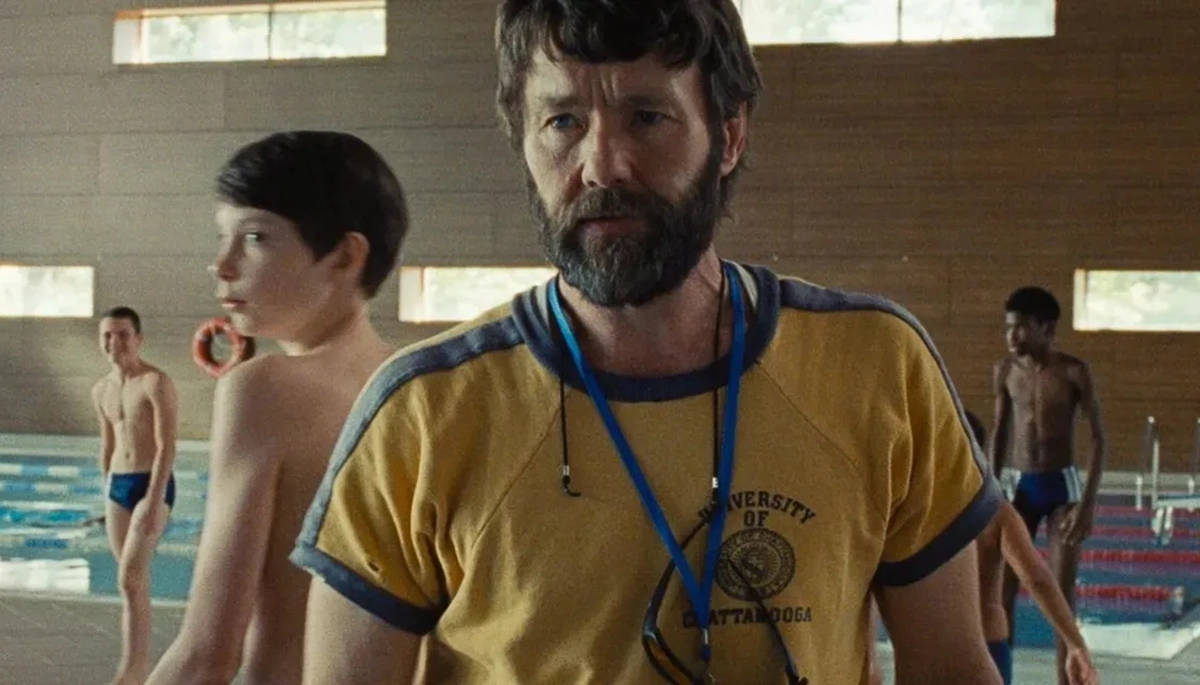
For some people, summer camp can be a time when kids come together to talk about sports, games, films, and even lie to each other about who likes whom—ultimately building memories with friends that can last a lifetime. In “The Plague” (2025), Charlie Polinger taps into those wishful ideas through our star, Everett Blunck, who portrays Ben, a 12-year-old attending Tom Lerner’s water polo summer camp—just not in the way most would expect.
It’s the summer of 2003, and the film wastes no time letting those who were actually alive during that period know it. Before memes were at our fingertips for a quick laugh, a lot of kids (well, mainly me and my friends) would blurt out catchphrases or ad-libs from our favorite songs or movies. The film uses this method to set the stage for the audience. In a time when “The Simpsons” and “Chappelle’s Show” were on most young boys’ radar, many of these references will be easily recognizable, though after a while they can feel like too much. Or maybe we really did quote things at the wrong time as children.
Craving a Sense of Belonging
The boys at the camp range in age from 12 to 13, so there’s a strong presence of social pressure, confusion, self-consciousness, and cruelty. With the exception of Ben (the new kid), Jake (Kayo Martin), the likable ringleader of the polo squad, and Eli (Kenny Rasmussen), the outcast of the group with a medical condition, most of the kids seem to share the same qualities and are essentially copies of one another. The film also does a great job of showing how much our lead craves that same sense of belonging.
The need to fit in at that age can feel like the most important thing in the world, and being different makes you an easy target for what some would call pranks and others would call emotional trauma. The interactions between the young cast go as expected for the most part—meaningless conversations bouncing around the locker room that would leave most people uncomfortable, followed by harsh comments and wandering eyes searching for a sign of weakness. They come across as impulsive and immature, which makes them oblivious to the harm they inflict at each other’s expense.
‘The Plague’ Forces it a Bit
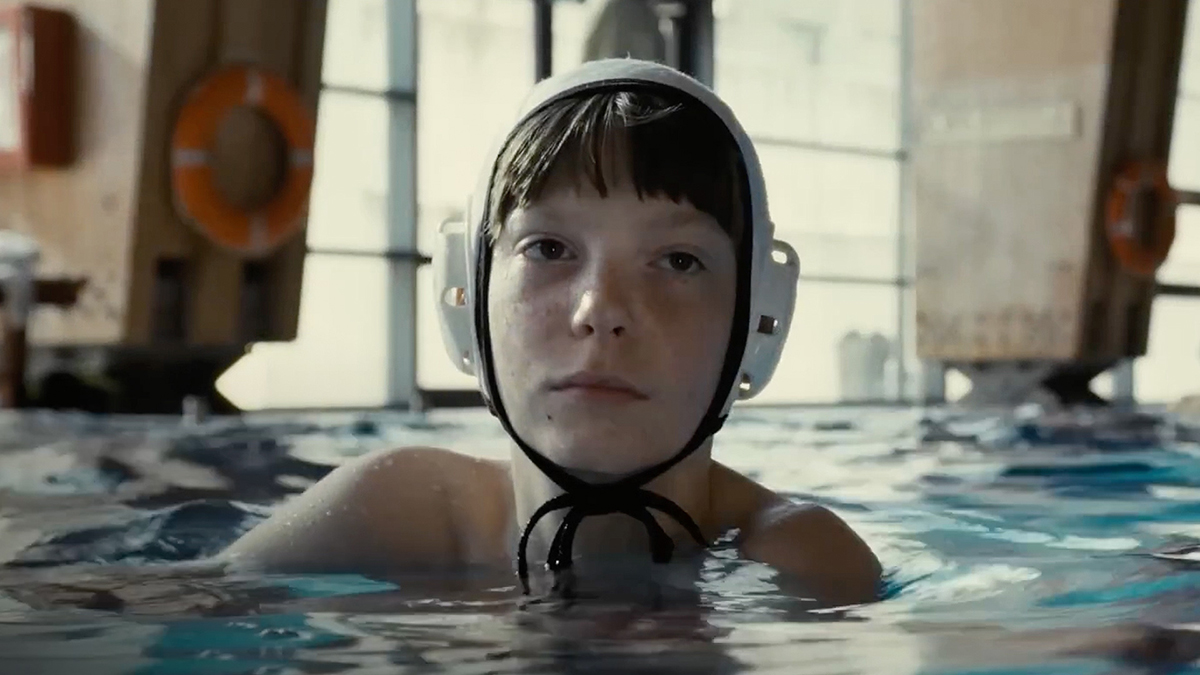
This coming-of-age thriller has amazing cinematography, camera work, and eerie music that work well together to build suspense and elevate key moments. However, I feel “The Plague” overuses these elements in some cases, and instead of naturally feeling dread, it feels as though the film is forcing me toward that conclusion. At times, the humiliation and hazing seem to never end, which makes the film drag in certain areas, in my opinion. Though the message is clear to an adult who has lived through the awkward stages of puberty and middle school—could a child the same age as these characters truly understand what’s being presented? That is, to be comfortable in your own skin.