


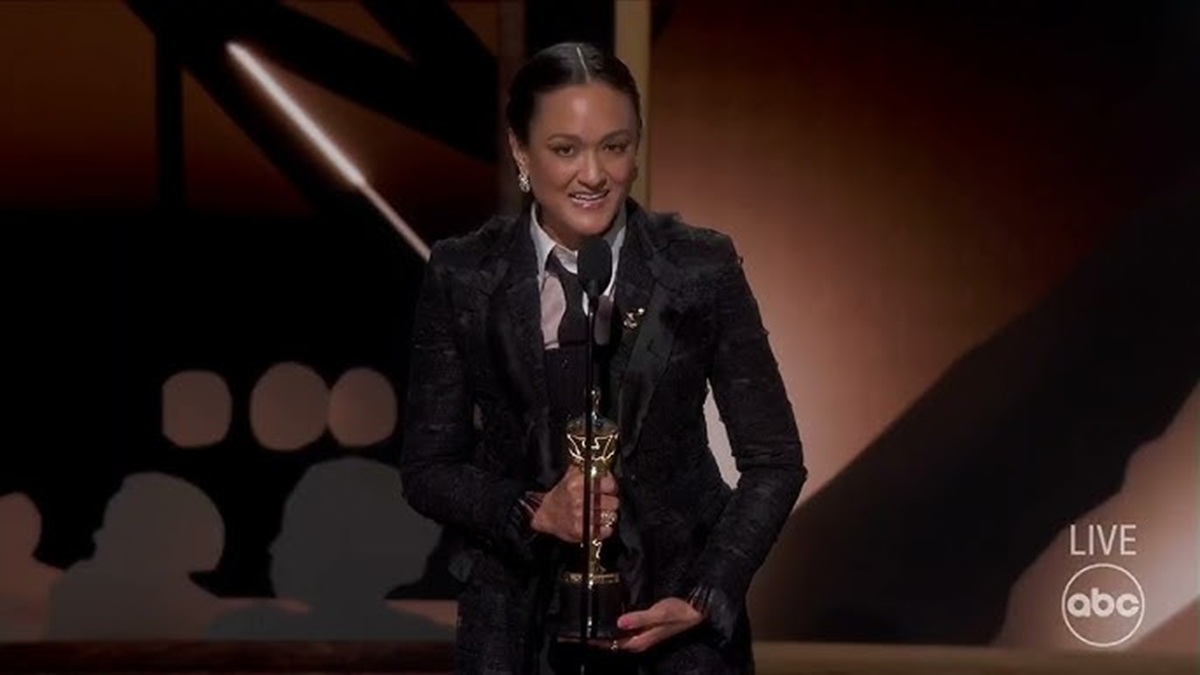
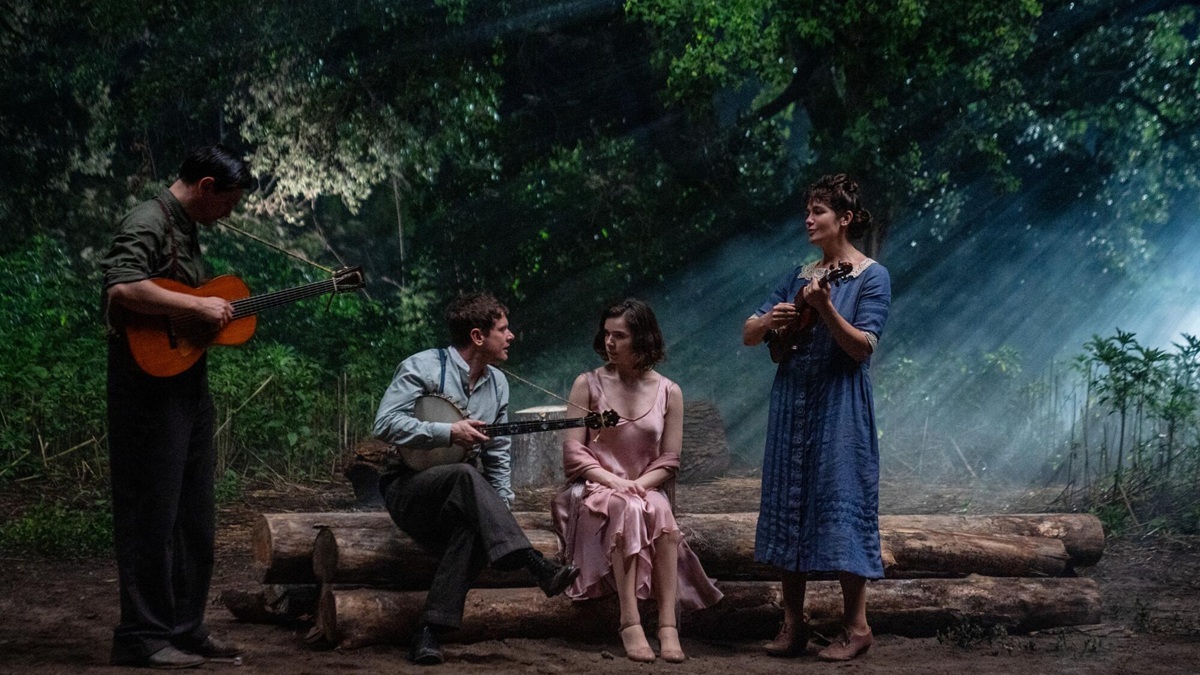
History has been, let us say, reluctant to let women run the camera department. For the longest time, cinematography remained one of the most male-dominated crafts in filmmaking. This, then, makes the breakthrough of Autumn Durald Arkapaw feel less like a novelty and more like a long overdue correction. For her camerawork in Ryan Coogler’s “Sinners,” she received the Academy Award for Best Cinematography.
Arkapaw’s victory at the recently concluded 98th Academy Awards marked history. She became the first female cinematographer and the first Black person, of any gender, to win. And as someone who’s of Filipino and African American Creole descent, she is also the first woman of color to get nominated for it. That piece of history carries almost a century of delay.
When you think about it, cinema is built on the act of looking. Sure, it’s largely a director’s job to guide a film’s ideas and performances, but cinematographers decide how those ideas appear on the screen. They determine where the camera stands, how the light falls, how a character enters a room, and whether a moment feels intimate or monumental. Every frame contains a thousand choices. The audience may not always notice those choices consciously, but they feel them.
For decades, the Academy’s cinematography category looked like a closed club. The winners were almost always men, often drawn from the same professional circles that had shaped Hollywood camera departments for generations. The repetition created a quiet assumption that cinematography was somehow a male profession, as though the ability to shape light belonged to one gender.
The evidence against that idea has existed for years.
The Changing of the Guard Begins
Consider Agnès Godard, whose collaborations with Claire Denis form one of the most distinctive visual partnerships in modern cinema. Their films have a tactile quality. In “Beau Travail,” the camera studies the bodies of French Foreign Legion soldiers as they train beneath the burning Djibouti sun. Sweat glistens, muscles tighten, dust rises from the ground. The imagery is sensual without being ornamental. It treats the human body and the surrounding landscape as parts of the same rhythm.
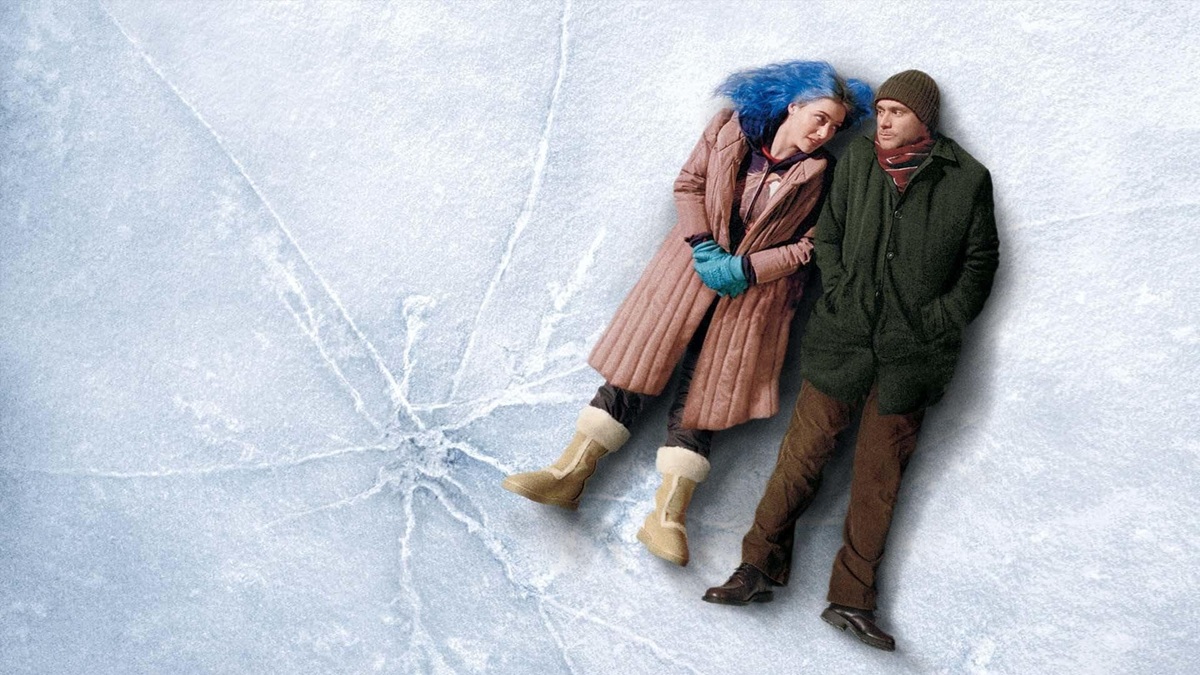
On the other hand, American independent cinema produced its own pioneers. Ellen Kuras became one of the defining cinematographers of the 1990s indie movement. Her work on “Eternal Sunshine of the Spotless Mind” moves through collapsing interiors and fragmented timelines as if the camera itself were navigating the messy architecture of memory. The film’s visuals feel handmade and personal, as if mirroring the emotional instability of the characters.
Meanwhile, Maryse Alberti followed a different path into the craft. She began in documentary filmmaking, where the camera must adapt to the unpredictable flow of real life. That instinct carried into her narrative work. In “The Wrestler,” her camera stays close to Mickey Rourke’s aging fighter as he wanders through supermarkets, locker rooms, and low-rent arenas. The film feels almost observational, as though the audience has slipped into the character’s daily routine. And when Ryan Coogler later made “Creed,” Alberti’s camera again brought a physical immediacy to the boxing scenes, placing the viewer inside the rhythm of the fight.
These cinematographers were not exceptions. They were proof. Women were already mastering the visual grammar of cinema while the industry still treated their presence as unusual.
Baby-Stepping Its Way Toward Oscar History
The Academy began acknowledging that reality only recently.
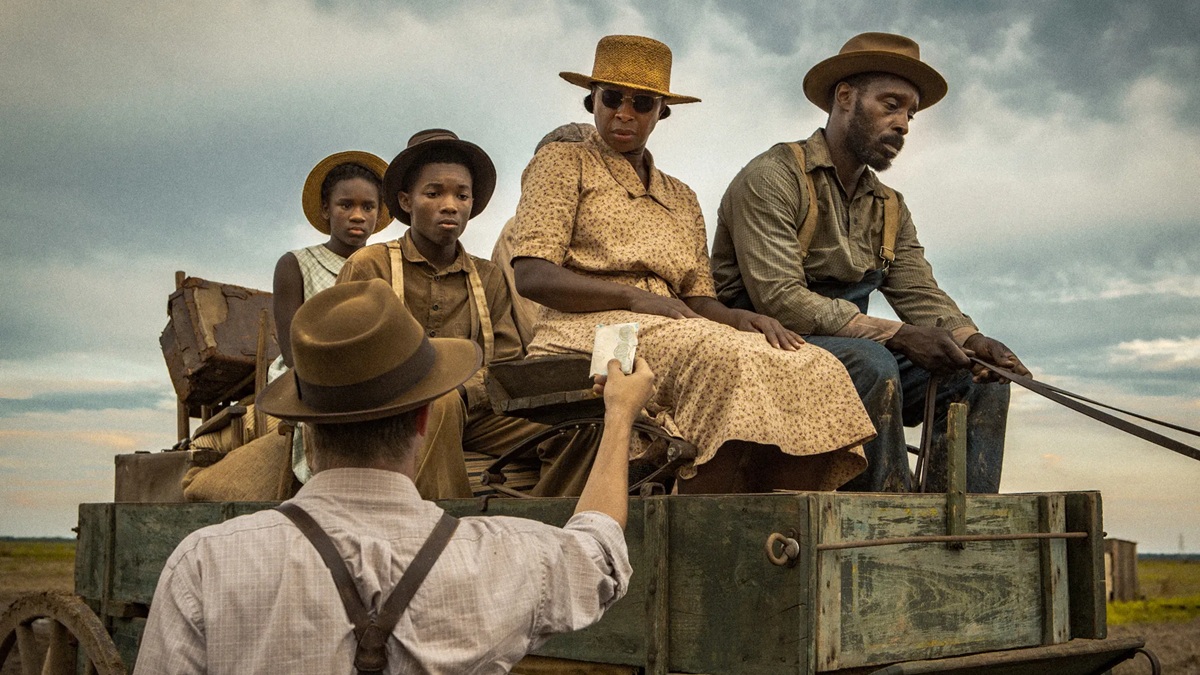
Rachel Morrison’s nomination for “Mudbound” in 2018 broke a barrier that had survived since the earliest years of the Oscars: For nearly ninety years, the cinematography category had never included a woman among its nominees. And here comes a female director of photography with a very distinct eye for color, steeping “Mudbound” in the thick air of the Mississippi Delta. Morrison photographs the landscape in muted browns and stormy grays, as if the sky itself carries the weight of the story’s racial history. The mud in the fields becomes more than a setting. It instead becomes a symbol of the past clinging stubbornly to the present.
That year the Oscar went to Roger Deakins for “Blade Runner 2049,” a film whose glowing neon cityscapes and vast desert vistas displayed the technical mastery that had defined his career. The result was understandable, and for this critic, very much deserved. Even so, another important talking point emerged: While Deakins had long been considered one of the greatest cinematographers alive, Morrison’s nomination finally changed the conversation. The door had finally opened.
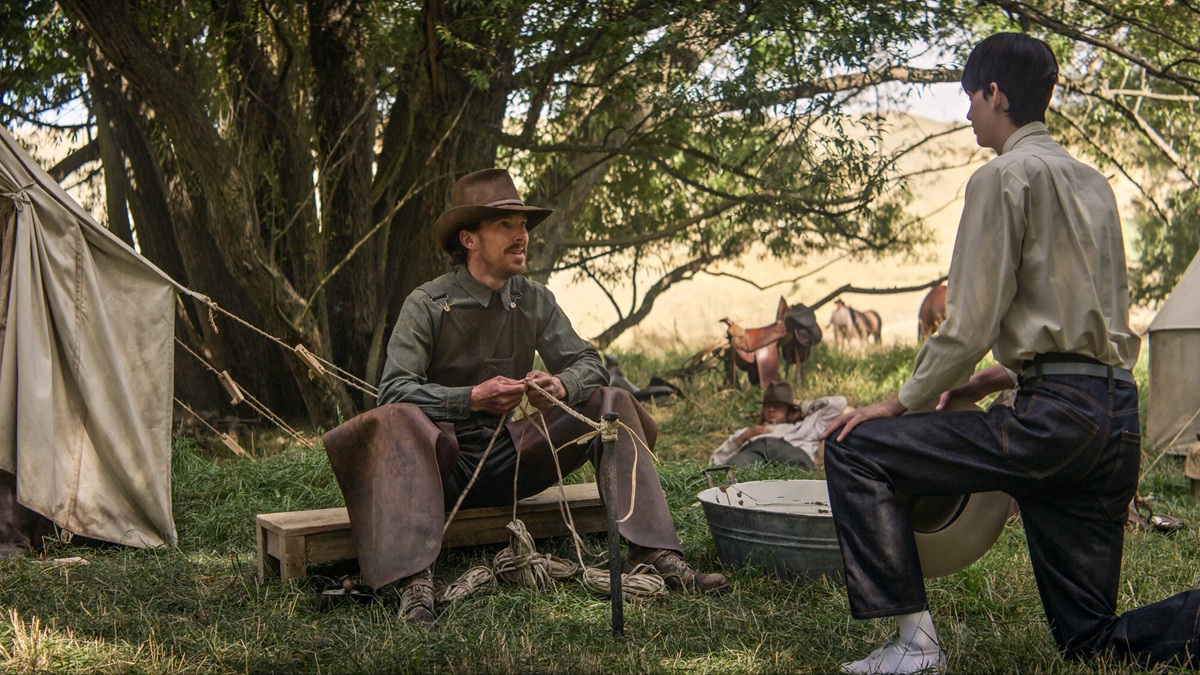
A few years later, Ari Wegner received a nomination for Jane Campion’s film “The Power of the Dog.” Here, Wegner uses the language of the Western while quietly dismantling it. She photographs the Montana landscape with sweeping beauty, but the images carry a strange tension. The wide plains feel isolating rather than liberating. The characters appear small against the mountains, dwarfed by the emotional pressures surrounding them.
The cinematography works almost invisibly. It shapes the psychological atmosphere of the film rather than announcing itself with visual fireworks.
The Oscar that year went instead to Greig Fraser for “Dune,” whose monumental desert vistas and towering spacecraft created one of the most striking science-fiction images in recent memory. Another deserving winner, and yet another near miss for a woman behind the camera.
Mandy Walker came within reach with “Elvis.” Baz Luhrmann’s biography of Elvis Presley is a film built on velocity and spectacle, and Walker embraces that energy without inhibitions. Her camera rushes through screaming crowds, swings across glittering stages, and glides backstage as if the entire movie were caught in the rhythm of a rock-and-roll performance. The colors are vivid, the lights blinding, the movement constant.
Walker lost to James Friend for “All Quiet on the Western Front,” whose bleak war imagery carried a grim historical weight. What I found interesting here back then was that, granted, Walker lost to another great competition; but her nomination demonstrated something important. Women cinematographers were no longer confined to intimate independent dramas. They were photographing large-scale studio productions with the same authority as their male counterparts.
When these stories are placed side by side, the pattern becomes clear. Women had the talent. They had the artistic vision. What they often lacked was access.
Women Need Opportunities
Cinematography is not a profession that one simply walks into. Most cinematographers spend years climbing through the ranks of camera departments. They begin as assistants, learn the machinery of lenses and lighting, and gradually earn the trust of directors and producers. Those opportunities frequently arise through mentorship and recommendation. If the networks offering those opportunities remain narrow, the profession stays narrow as well.
The past decade has begun to loosen those restrictions. Film schools graduate more women interested in cinematography than ever before. Streaming platforms and global co-productions have expanded the number of projects being produced each year. More projects mean more chances for emerging cinematographers to prove themselves. Industry groups and mentorship programs have also pushed for greater representation within camera departments.
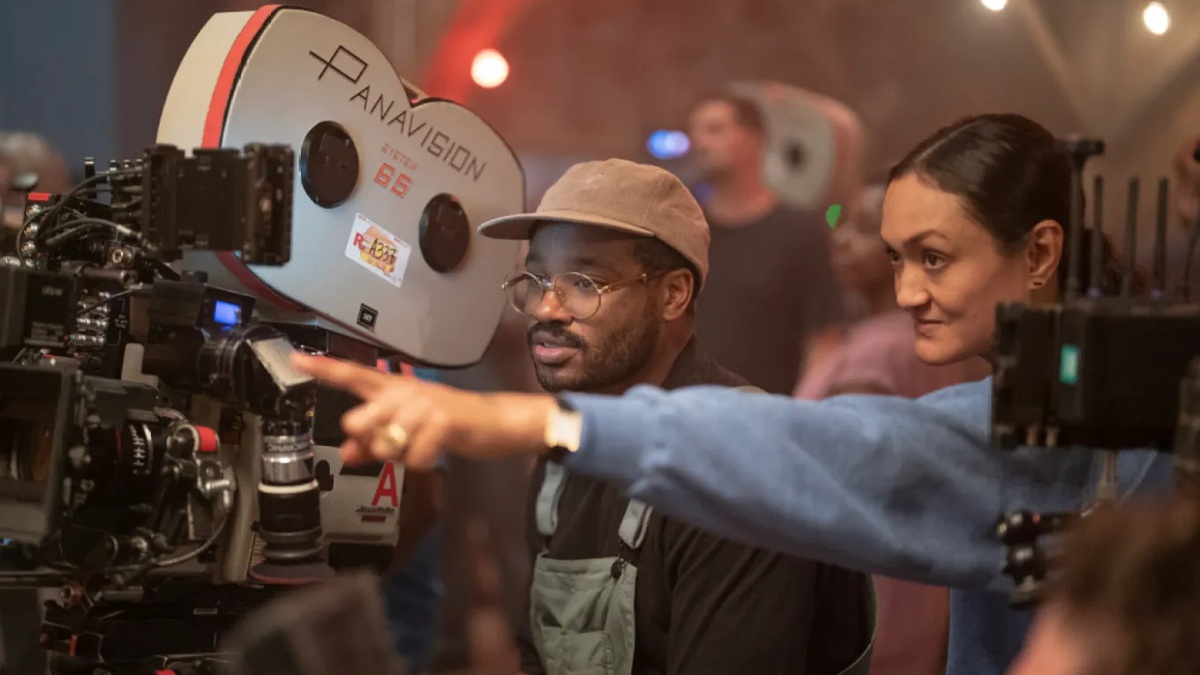
Arkapaw emerged from this changing landscape with a reputation for visual storytelling that balances elegance and emotional clarity. Her cinematography pays attention to atmosphere. She understands how light can reveal character. A face partly hidden in shadow can say as much as a page of dialogue.
Her Oscar win for “Sinners” carries symbolic weight because it recognizes more than a single film. It acknowledges decades of work by cinematographers who demonstrated, again and again, that the craft never belonged exclusively to men. Indeed, in her speech, she asked all the women in the room to stand up so she could give them their flowers for paving the way.
A Widening Pipeline—What’s Next?
The long delay says something about the industry. The victory says something about its future.
Cinema evolves whenever new perspectives step behind the camera. Every cinematographer brings a different way of noticing the world. Some are drawn to the sweep of landscapes and the geometry of large spaces. Others find meaning in the quietest details: the shadow crossing a face, the glow of a lamp in a dim room, the way a character moves through light as if through water. Those differences are not cosmetic. They expand the language of movies. Each new eye behind the camera alters the way stories are seen and felt.
If the pipeline continues to widen, the next generation of cinematographers will not have to wait nearly a century to see their work recognized. The talent has always been there. What has slowly begun to change is the willingness to give that talent room to work.
Autumn Durald Arkapaw’s Oscar probably now sits on a shelf somewhere, a small gold statue that carries the weight of a long history. It represents a first, but it should not remain the only one. The hope is that this moment becomes less a rare headline and more the beginning of a new normal. That the next time a woman wins this award, the story will not be about the barrier she broke but simply about the beauty of the images she created.
The lens was never the barrier. The barrier was who Hollywood allowed to look through it. Now that the view has widened, my hope is that it stays that way.
The 98th Academy Awards ceremony, presented by the Academy of Motion Picture Arts and Sciences (AMPAS), took place on March 15, 2026. Follow us for more coverage.

