





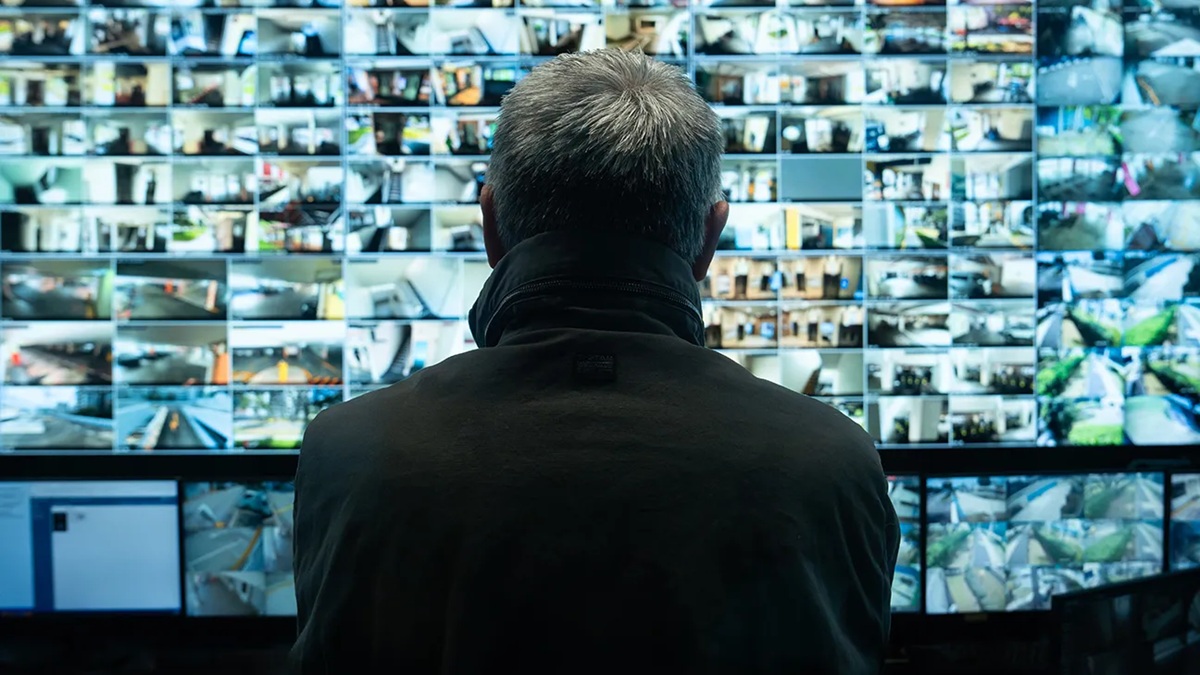
Thereâs something insidious about the way âStranger Eyesâ draws you in. Not with shocks or whiplash reveals, but with a calm, calculated creep. For a while, I thought I knew the kind of movie I was watchingâa grief-fueled procedural about a missing child, a voyeuristic thriller cued up with several nods to Michael Hanekeâs âCaché,â maybe even a slow descent into tech-fueled paranoia.
But writer-director Yeo Siew Hua eschews resolving any of those threads in a traditional sense. Instead, he has made something slipperier, more self-reflexive: a story where surveillance is less a narrative device than a state of being.
A Low-Grade Mystery Surveillance Thriller
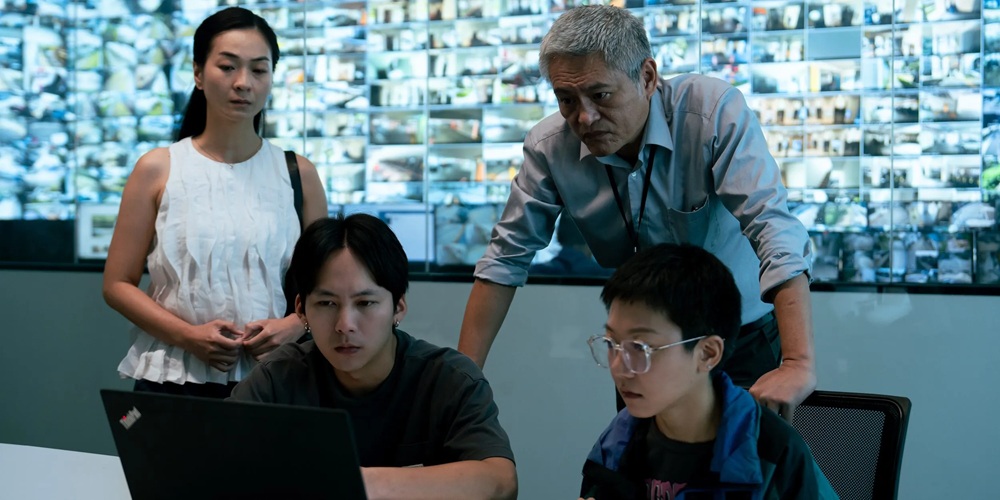
The broad strokes play out like a typical genre film. Three months after their daughter disappears from a park, estranged parents Junyang (Wu Chien-ho) and Peiying (Anicca Panna) continue to comb through grainy footage with fading hope. Leads have run dry, well-meaning volunteers have drifted off (âEven kindness has an expiry date,â Junyangâs mother Shuping quips), and the policeâOfficer Zheng (a terrific Pete Teo) chief among themâhave nothing left to offer but condolences.
And then the DVDs arrive. Anonymous. Silent. Filled with footage of the familyâs daily routines, including the coupleâs private moments, filmed without their knowledge. Soon, the suspicion arises: is the voyeur behind the camera also the one who took their child?
At first, âStranger Eyesâ grips audiences in that low-grade dread kind of way, the kind of menace you donât feel until it settles into your chest. But then Yeo does something strange, almost counterintuitive: he downshifts.
Shifting to Psychological Storytelling
The thriller scaffolding remains, but the filmmaker starts chipping away at the structure to make room for something more psychologically driven. The childâs disappearance, once the filmâs animating tension, becomes less important than what it dredges up: questions of visibility, of private selves and performed identities, of how people contortâor collapseâunder the gaze of others.
This pivot is bold, and for the most part, fascinating. Thereâs a real disquiet in how Yeo frames the architecture of Singapore: a hive of stacked residences, backlit windows, and omnipresent cameras. Itâs a place that doesnât just accommodate surveillance. On the contrary, it encourages it. In this way, the city state becomes not just backdrop but infrastructure for the filmâs central preoccupations. Think of how âA Missing Partâ used Tokyo to evoke alienation through routine and silence; Yeoâs Singapore is similarly indifferent, only here, the act of watching becomes its own form of control. The city doesn’t loom; it watches back.
When âStranger Eyesâ sticks to this unsettling register, it crackles. The film contains long, wordless stretches where characters simply observe one another: from balconies, from behind camera lenses, from deep within their own spiraling thoughts. Through these, Yeo demonstrates his ability to sustain the tension of inaction. He trusts the silence, the uneasy feeling of being both the observer and observed. The best scenes land not because of whatâs said, but because of whatâs assumed, whatâs inferred from posture, from space, from the distance between people who ought to be closer.
A Mixed Bag of Character Development
Played by Lee Kang-sheng, Wu prevails chief among these in what might be the filmâs most absorbing performance. Stoic and spectral, heâs less antagonist than echo chamberâa man so locked into his own cycles of regret and compulsion that filming others becomes the only way to make sense of himself. In a way, he’s âStranger Eyesâ distilled: the most interesting character precisely because he has the least to say.
But as the film stretches past its initial momentum, the cracks begin to show. For one, itâs simply too long. By the time Yeo plays his cards and reveals the person behind the tapes barely 30 minutes in, thereâs still nearly an hour-and-a-half left to wade through, a bold narrative choice. While the film admirably avoids cheap twists or red herrings, the slow unraveling that follows canât quite sustain the charge of its setup. Scenes grow repetitive, emotional arcs stall, and the narrative seems to spiral not deeper, but just outward, diluting its tension in the process.
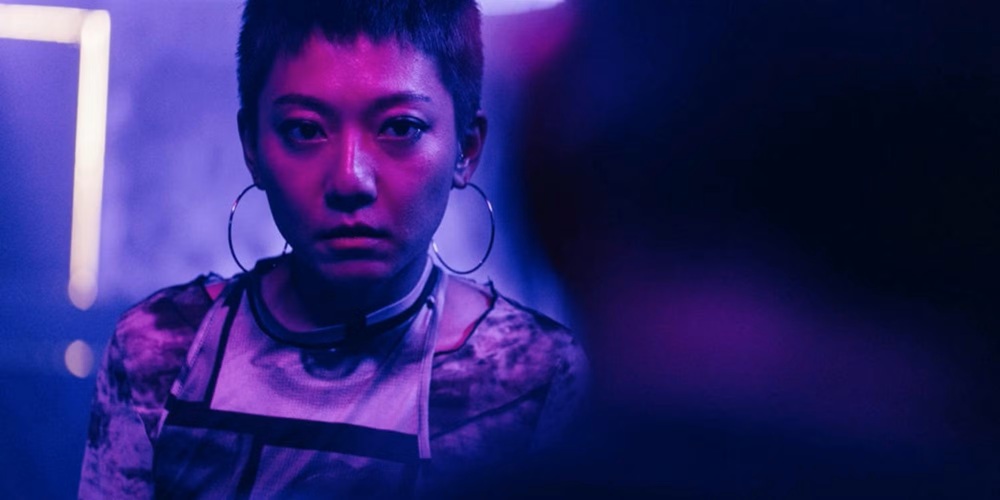
The film also suffers from uneven characterization. Yeo writes Wu Chien-hoâs Junyang with a thorny complexity, a man whose parenting often teeters toward negligence, whose anguish is knotted up with guilt and self-absorption. Conversely, the writer-director gives Anicca Pannaâs Peiying far less interiority. The film portrays her, often, in relation to the men around her: as a grieving mother, a frustrated wife, a livestreaming DJ whose performance of self a stalker easily picks apart believing he âseesâ her better than her own husband. Yeo leaves so much untapped material in her arc, especially when the film brushes up against the idea that visibility can be its own kind of prison; but we never quite sit with Peiying long enough to feel the full weight of that.
âStranger Eyesâ: A Study of Seeing (and Being Seen)
âStranger Eyesâ lingers where it looks bestâat the edges of seeing and being seenâbut buckles under its own gaze. Notwithstanding, though, the film still finds power. Maybe itâs the way it implicates the viewer: how the act of watching becomes its own compulsion, even when you suspect the payoff might not come. Maybe itâs how the film locates menace not in the violence of disappearance, but in the quiet erosion of trust and identity. Or maybe itâs in the rarity of seeing a genre premise give way to something this deliberately opaqueâa willingness to resist resolution.
While Yeoâs firm resolve not to offer catharsis may feel like a shortcoming, itâs what made the film stick with meânot because of what the story uncovers, but because of what it leaves unresolved. âStranger Eyesâ is ultimately a film about people looking for something theyâll never quite find: a child, a truth, a version of themselves that holds up under scrutiny. The problem, it suggests, isnât that weâre being watched. Itâs that even under constant observation, no one really sees us at all.


“Stranger Eyes” had its world premiere in the main competition section of the 81st Venice International Film Festival on 5 September 2024. It made its North American premiere in the Main Slate of the 62nd New York Film Festival. Follow us for more coverage.




