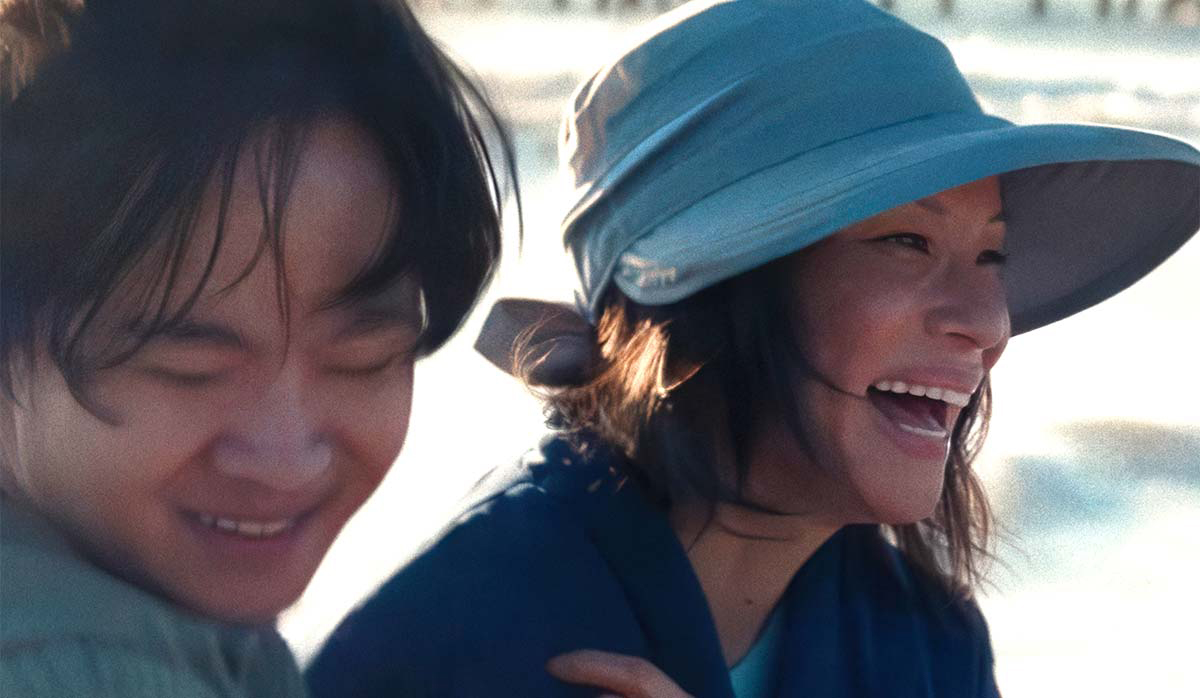
“Rosemead” is based on “A dying motherâs plan: Buy a gun. Rent a hotel room. Kill her son,” an article by former LA Times columnist Frank Shyong. It details the events leading up to the fatal shooting of George, a schizophrenic teen by his terminally-ill, single mother Lai Hang. George’s name was changed to ‘Joe’ in the film, played by Lawrence Shou, and Lai’s name was changed to Irene, played by Lucy Liu.
Much like the movieâwhich received a limited releaseâthe harrowing act itself didn’t receive much coverage, neither by the press nor true crime podcasts. In “Rosemead,” the focus lies less on sensationalizing what one might label as a mercy killing, but more on Irene’s motivations behind âending her sonâs suffering.â The film also sheds a light on her own mental state. It breaches the subject with sensitively and personally. Never before has the use of Chekhov’s Gun moved me to tears.
Addressing the Stigma of Mental Health
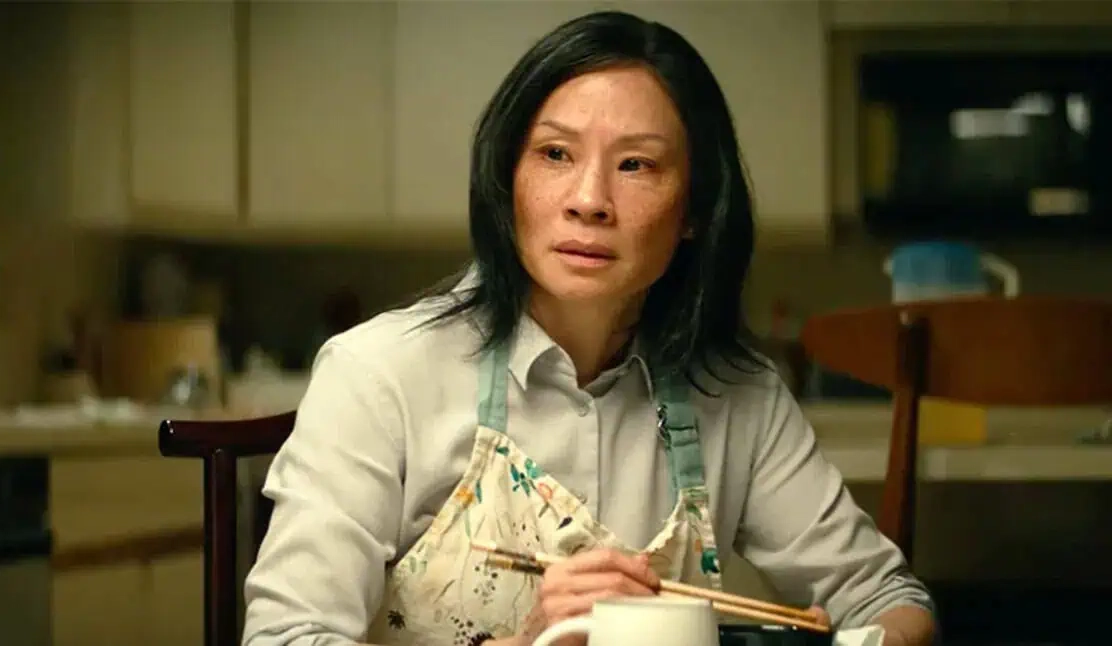
Named after a neighbourhood in California with a high Asian American population, “Rosemead” also addresses nipping the stigma attached to mental health in the bud. This is particularly true in a community where cases run rampant. While the unstable Joe fears the attack of entities only visible to him, his mother on the contrary fears judgment from local gossips. Since mental health and therapy are still treated as taboo especially among the older generations, Irene is limited by her cultural shortcomings, too. She’s initially in denial, refusing to accept her sonâs struggles/diagnosis, even though it is very much visible to everyone else around Joe: from his therapist to teachers who express concern.Â
“Rosemead” conveys the importance of setting aside any misconceptions or regressive attitudes towards mental health through a scene of Joeâs therapist suggesting Irene to sit in on one of his therapy sessions. As a result, she catches a glimpse of what it feels like to be in her sonâs shoes and finally ‘sees’ him. Joe also discovers allies in fellow Asian classmates who offer alternate measures and advice to distract from his stressful hallucinations/episodes. It showcases the younger generationâs openness in normalising mental health, at practicing mindfulness and providing safe spaces.
The film has relatability to other films that have dealt with similar topics. Irene feels helplessness over losing control of her son and her inability to shield him from the unpredictability and grave reality of the world outside. As her son develops an unhealthy obsession with school shooters, death and violence, she also constantly walks on eggshells around him. It harkens to similar scenarios showcased in the award-winning, “We Need to Talk About Kevin.” Simultaneously, “Rosemead” also raises extremely valid concerns about the easy availability of guns and lax gun control laws in the U.S.
A Film that Evokes Sympathy
While Irene attempts her hardest to remain hopeful amidst a bleak prognosisâeven hiding her illness from Joe and encouraging him to hang out with his friends more often or go out on datesâthe pangs of pain both mental and physical ailments are unfortunately inevitable. “Rosemead” evokes sympathy from viewers to the struggles of these two vulnerable souls in a battle for survival amidst trauma in an unsympathetic world, alongside rising hospital bills that further weigh them down. All the while, they attempt to hold on to their small piece of blue heaven (a nod to a Frank Sinatra song that doubles as a metaphor for an idealistic safe space/return to emotional stability for the pair).
“Rosemead” also explores loneliness. Ireneâs unhealthy âmother knows bestâ mentality ultimately burdens her as she takes on dual roles of caretaker and sole breadwinner, despite the presence of alternative solutions too. While she continues to offer support to Joe by accompanying him to therapy sessions, she is alone during her own chemo treatments. And this worry is probably the final nail in the coffin: she can no longer defend a son she barely recognises nor protect him further. She knows he will soon lead a lonely existence as her lifespan decreases rapidly.
Lucy Liu and Lawrence Shou are Authentic
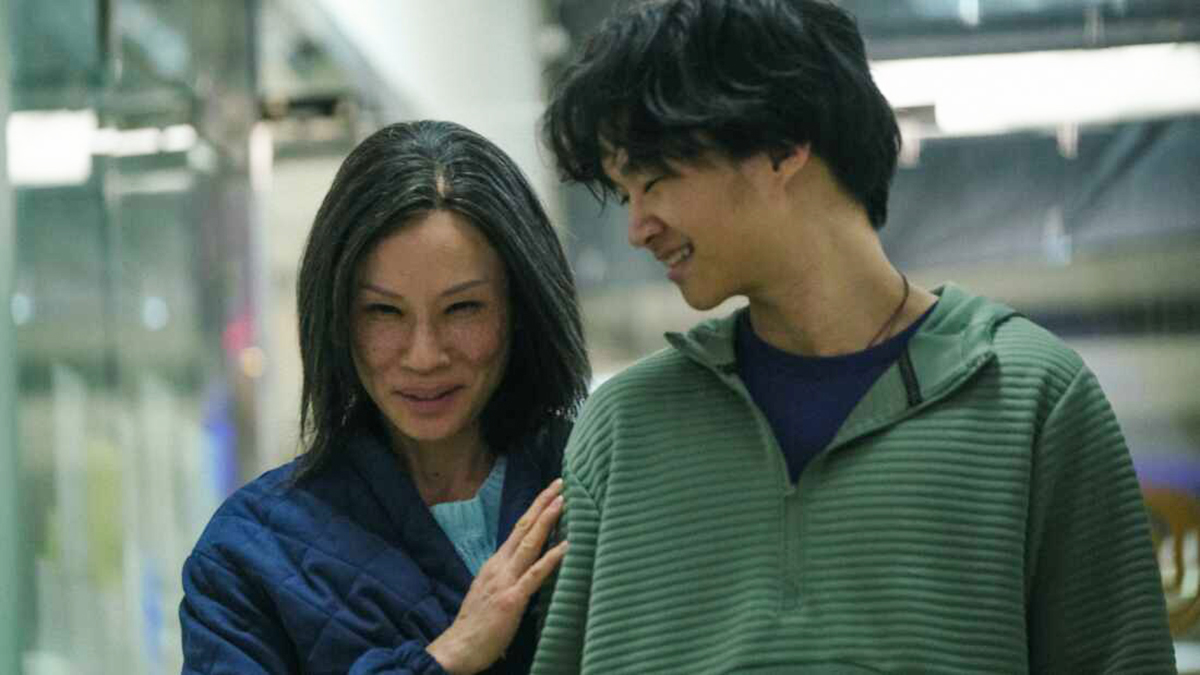
“Rosemead’s” performances, too, elevate a simple story, with Lucy Liu (also credited as a producer) putting in an exceptional performance. She conveys Irene’s pent-up frustrations with authenticity; it’s a shame her name isnât in the running for any of the major awards despite winning many accolades during the movieâs festival run. Likewise, co-star Lawrence Shou is promising as the vulnerable Joe.
“Rosemead” is overwhelmingly heartbreaking but simultaneously offers a silver lining to viewers who are in the dark over mental illness. It serves as a wakeup call to educate oneself, to learn healthy coping measures; and, most importantly, to reach out rather than to let negativity consume us.