





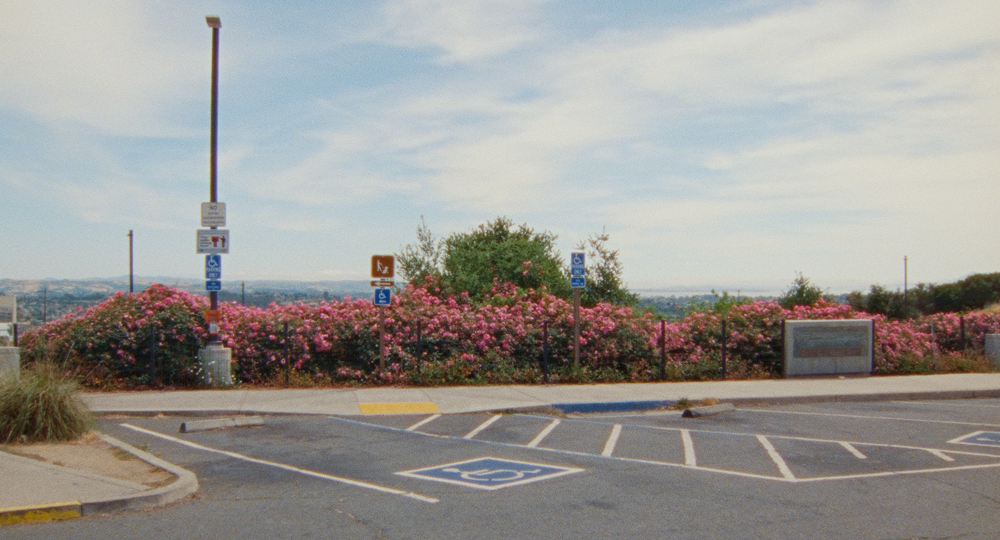
Charlie Shackletonâs âZodiac Killer Projectâ begins with an empty parking lotâone of the sites of the infamous Zodiac murders. No crime scene photos, no talking heads, no ominous recreations. Just a blank, sunlit space, eerily mundane. Over it, Shackletonâs voice drifts in: “If weâd made the film⦔ He then proceeds to describe the kind of true crime documentary weâve been conditioned to expectâgrainy reenactments, era-appropriate vehicles, whispered dramatizations of long-cold cases.Â
But âZodiac Killer Projectâ is not that film. Instead, itâs a feature-length autopsy of a documentary that never existed, a self-aware dissection of the true crime genre thatâs equal parts insightful, dryly funny, and, at times, frustratingly incomplete.
A Crime Story (Without the Crime)
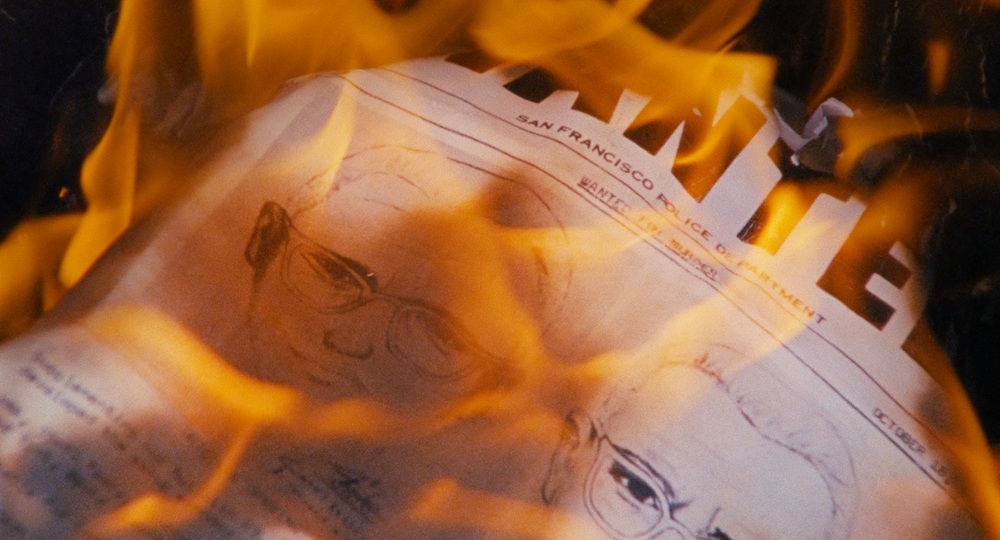
With this meta documentary film, Shackleton doesnât just critique the mechanics of true crime storytelling. Instead, he openly toys with them. His film calls out the formulaâbrooding title cards, foreboding music, shadowy âbacktorsâ (actors only seen from behind)âwhile using those same techniques in service of something far more abstract.
Over long, static shots of Bay Area landscapes, he recounts his thwarted attempt to adapt âThe Zodiac Killer Cover-Up: The Silenced Badge,â a book by former highway patrol officer Lyndon Lafferty, who spent decades convinced he had identified the elusive Zodiac killer. Shackleton had planned a full-fledged documentary on Laffertyâs theories, only to have the family revoke the rights, leaving him with nothing but notes, location scouting photos, and an unshakable sense of unfinished business.
What makes âZodiac Killer Projectâ fascinating is how Shackleton channels his failure into something unconventional. Instead of telling Laffertyâs story the way a Netflix series wouldâcue the murky dramatizations, the emotionally charged narrationâhe strips true crime of its usual bells and whistles. Itâs an experiment in how much storytelling power remains when you remove the tricks that make the genre so compulsively watchable. At times, the result is genuinely fascinating.
More MoMI Coverage: âBonjour Tristesseâ Showcases the Sun-Soaked Melancholy of Beauty Without Depth
The True Crime Genre Under the Microscope
To his credit, Shackleton has a keen eye for how true crime documentaries shape their narratives, often as much through what they omit as what they include. He breaks down the calculated suspense of the genre, where details are doled out like breadcrumbs to keep viewers hooked. His commentary is particularly sharp, calling attention to how some of the true crime series withheld crucial evidence about their subjects’ guilt for dramatic impactâsomething that would be considered unethical in straight journalism but is standard practice in entertainment.Â
On another television series, he takes similar scathing aim by pointing out its tonal shift between seasons and its tendency to emphasize ambiguity only when it serves the filmmakersâ desired conclusions. Shackleton doesnât just criticize these techniques; he actively demonstrates them, manipulating his own audienceâs expectations by setting up narrative beats that ultimately go nowhere.
Beyond storytelling structure, he also highlights the visual language that has come to define the genre. He lampoons the use of eerie reenactments, shadowy backtors, and âevocative B-rollâ like flickering light bulbs or slow zooms on grainy photographs. These images, he argues, arenât just stylistic choicesâthey actively shape how we perceive guilt, innocence, and truth. By pointing out these patterns, âZodiac Killer Projectâ forces the viewer to reconsider how much of what we take as âdocumentary truthâ is really just cinematic sleight of hand.
More MoMI Coverage: âWindlessâ is a Haunting Return to a Home That No Longer Exists
A Filmmaker Caught in His Own Critique
Yet, even as he deconstructs the genre, thereâs an unspoken irony in his approach. Shackleton himself was poised to enter this same machine, adapting Laffertyâs book into what he believed would be a major Zodiac documentary. He confesses that true crimeâs gravitational pull is hard to resist, and at one point, he admits that had things gone differently, he would have been standing on the other side of this critique. That self-awareness is part of what makes the film so interesting, but it also creates tensionâShackleton is both the critic and the almost-participant, pulling back the curtain on a stage he very nearly performed on himself.
And hereâs where the film wobbles. While Shackleton is adept at pulling apart the genreâs tropes, thereâs an underlying tension in his approach. He critiques the formula while openly admitting he had intended to play into it. At times, thereâs an almost performative detachment, a sense that he wants to position himself above the genre while still mourning the fact that he didnât get to contribute to it.
This contradiction makes âZodiac Killer Projectâ feel, at moments, like a film caught between two impulses: one, to expose the shortcomings of true crime storytelling; and two, to prove that Shackletonâs lost documentary would have been the right kind of true crime film. Thereâs even a faint but unmistakable bitterness in how he speculates about why the Lafferty family pulled outâsuggesting they might have been holding out for a âTiger Kingâ-level paydayâthough he never lingers too long on the implication.
âZodiac Killer Projectâ: A Feature-Length Excuse or a Bold Experiment?
For all its cleverness, thereâs an unfinished quality to âZodiac Killer Project.â It sometimes feels like a student spending nearly 90 minutes explaining to the teacher how his dog ate his assignment, rather than simply turning in the work. The filmâs intellectual exercises are engaging, but its minimalism can border on tedious. Shackletonâs voiceover, while often amusing, sometimes drifts into a dry, academic monotony, and the filmâs commitment to static imageryâeven when paired with insightful narrationâwill definitely test the viewerâs patience. Itâs a film thatâs as much about not making a movie as it is about the subject itself, and that means it carries the limitations of its own conceit.
Still, thereâs something undeniably compelling about it. It takes a risk by rejecting the easy appeal of true crime sensationalism, and in doing so, it offers a rare kind of honesty about the genreâs mechanics. Ultimately, âZodiac Killer Projectâ is an odd, self-reflective puzzle of a filmâpart critique, part confession, part elegy for a project that never was.Â
Whether that makes it an essential watch or an ambitious curiosity depends on how much youâre willing to buy into its experiment.

“Zodiac Killer Project” screened in this year’s First Look, the annual film showcase of the Museum of the Moving Image (MoMI). The festival runs from March 12 to 16, 2025. Follow us for more coverage.




