





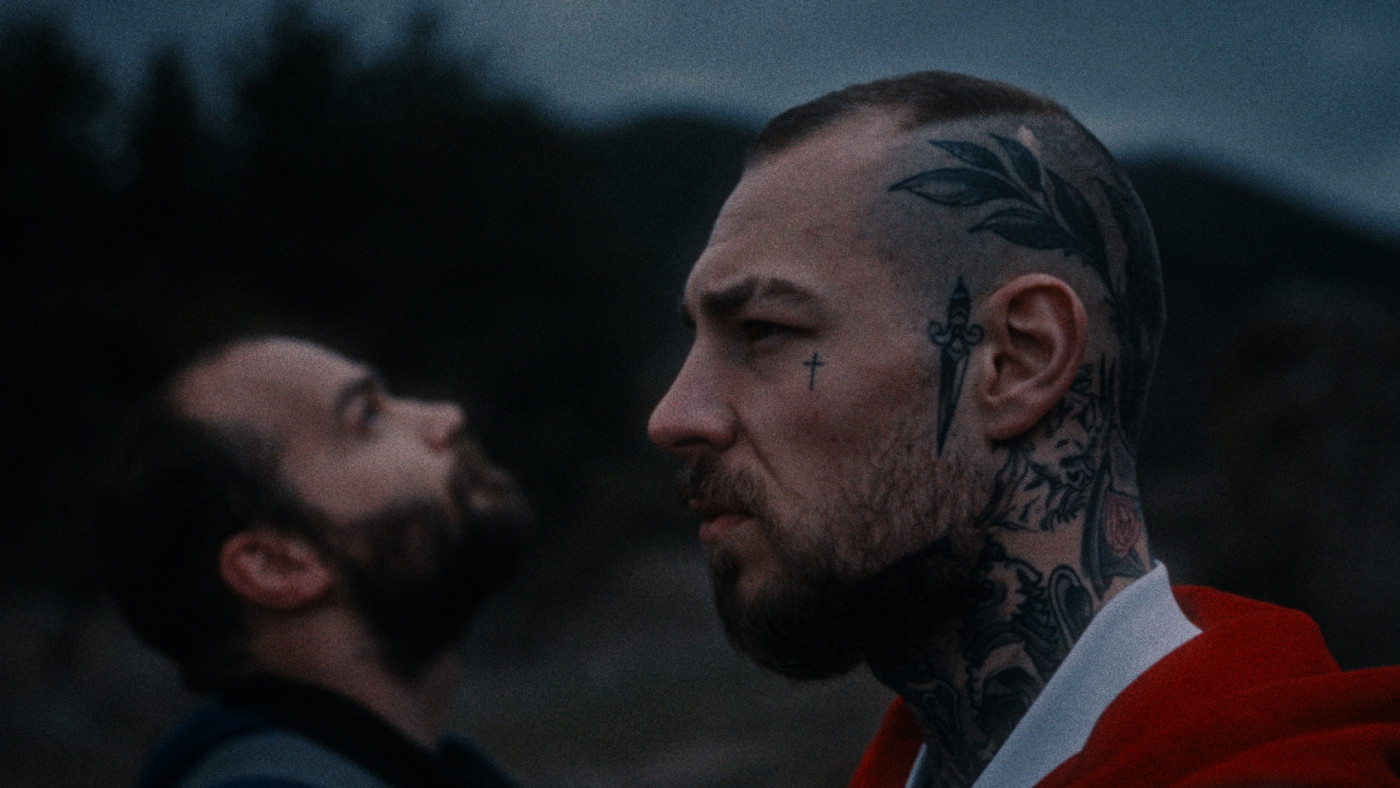
Self-discovery rarely happens in grand, sweeping moments. More often, it sneaks up on youâin a stray comment, a familiar scent, the sudden weight of an old photograph in your hands. Grief moves the same way. It doesnât announce itself; it lingers, waiting for an opening. Pavel G. Vesnakovâs âWindlessâ (Bulgarian: Bezvetrije) is a film that understands this deeply. An emotionally claustrophobic and ultimately cathartic work, it follows one manâs reluctant return to his childhood home, a place that has continued to exist in his absence but no longer feels like his own.
What begins as an obligationâhandling the sale of his late fatherâs apartmentâbecomes something far more profound.
A Man at Odds with His Fatherâs MemoryÂ
Kaloyan (Ognyan “FYRE” Pavlov) has no sentimental attachment to his fatherâs flat, nor to the town he left behind years ago for Spain. Returning to Bulgaria, heâs here to finish paperwork, clear out old furniture, and go back to his life as quickly as possible.
But the town, and the people who remember his father, wonât let him leave without first confronting the past. Conversations with old neighbors and family friends reveal a man Kaloyan barely recognizesâhis father, a beloved, honorable figure whose generosity shaped the lives of those around him. The town speaks of him in glowing terms, yet Kaloyan recalls only a distant, emotionally withholding parent.Â
So when one of them asks him, âWhy didn’t you come to your dad’s funeral?â and Kaloyan doesnât answer, we understand it right away. The film doesnât need him toâhis silence is enough. That disconnect forms the filmâs aching core: âWindlessâ is about the narratives we inherit and the ones we carry, and what happens when those stories donât align.
More MoMI Coverage: âDesert of Namibiaâ: A Neurotic Portrayal of Dissociation and Emotional Disconnect
Trapped in a Frame, Trapped in the PastÂ
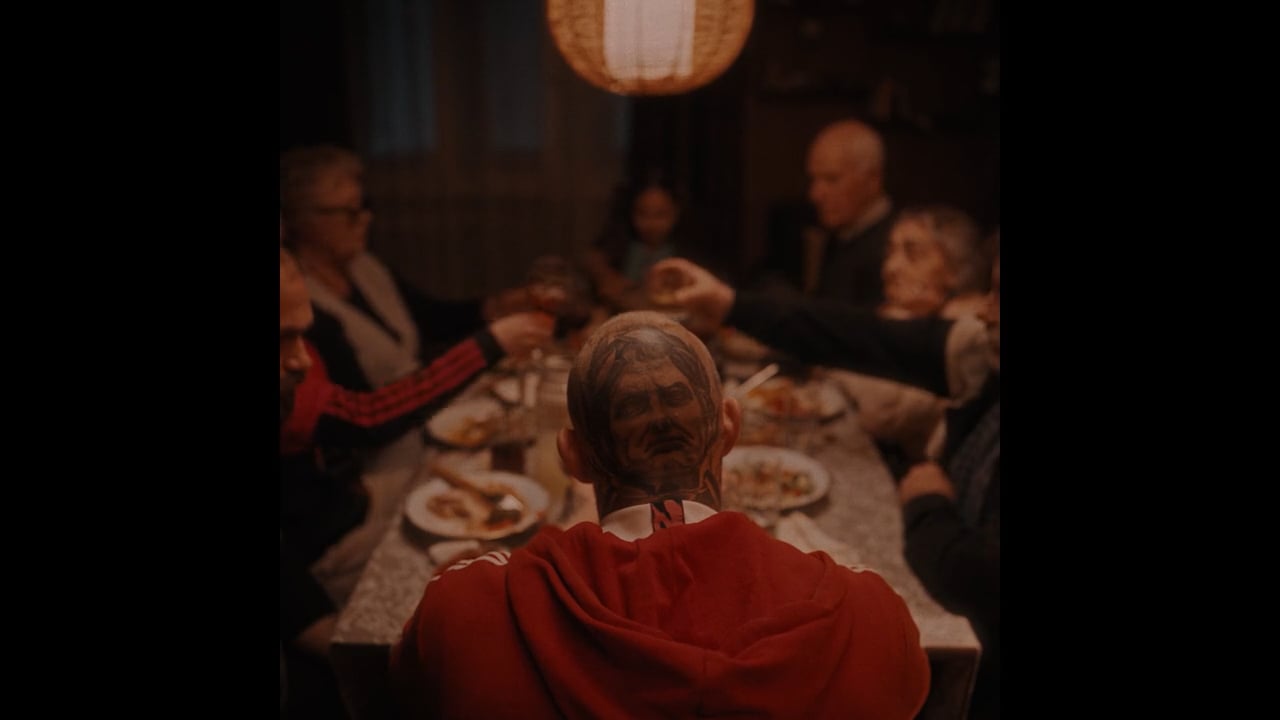
Visually, Vesnakov makes this tension almost tangible, and credit goes to cinematographer Orlin Ruevski. The film is shot in a suffocating 1:1 aspect ratio, boxing Kaloyan into the frame like a man trapped in a space too small for him. Doorways and window frames further constrain him, reinforcing the idea that every corner of this town carries an inescapable memory.
However, the most striking stylistic choice comes in the way Vesnakov stages Kaloyanâs conversations with his fatherâs old friends and acquaintances. Instead of focusing on Kaloyanâs reactions, the camera remains fixed on the speakers, as if the town itself is pressing its version of the past onto him. When asked about his father, Kaloyan is barely present in the frame, and when he does respond, itâs in brief, guarded remarks. The film makes you feel his discomfort without ever explaining it.
A Town Disappearing Along with Its HistoryÂ
Beyond its personal narrative, âWindlessâ is also a film about erasureâof memory, of history, of place. The town is undergoing rapid redevelopment, with casinos and golf courses replacing homes, and even the cemetery being dug up to make way for new construction. Kaloyanâs fatherâs remains, along with his grandparentsâ, are being relocated, and when asked how many graves he would like for them, he simply shrugs.
His response? Let the municipality handle it. One grave is enough.
At first, this indifference seems like detachment, but as the film progresses, it becomes clear that itâs something else: an unwillingness to participate in the townâs casual discarding of the past. If âWindlessâ argues anything, itâs that loss doesnât just happen when people die. It happens in the slow, unnoticed ways that history is erasedâthrough forgotten names, discarded photographs, and towns that no longer resemble the places they once were.
More MoMI Coverage: âBonjour Tristesseâ Showcases the Sun-Soaked Melancholy of Beauty Without Depth
âWindlessâ Offers No Neat Endings, Only a Shift in Perspective
Pavlov delivers a subtle yet deeply affecting performance here, relying on silence and restrained body language to convey Kaloyanâs internal turmoil. His heavily tattooed, unreadable face belies an undercurrent of sorrow, which gradually softens as the film progresses. The tattoos themselves become part of the story. More than just aesthetic choices, they are markers of self-reinventionâa way to overwrite a past he would rather leave behind. Trauma has a way of embedding itself in the body, and Kaloyan wears his like armor.
For all its heaviness, âWindlessâ is not a film about despair. There is catharsis in its final act, a quiet shift that suggests that even if reconciliation is out of reach, understanding is still possible. Kaloyan may not leave with a newfound affection for his father, but he does leave with somethingâa recognition that grief is not about changing the past, but about learning to carry it.
Vesnakovâs film is a patient, introspective study in restraint, delivering its emotional punches not through monologues or melodrama, but through unspoken words and what transpires in the spaces between them. Itâs a film that works its way under your skin, a reminder that sometimes, the hardest part of going home isnât facing whatâs changed, but realizing how much of it has stayed the same.


“Windless” screened in this year’s First Look, the annual film showcase of the Museum of the Moving Image (MoMI). The festival runs from March 12 to 16, 2025. Follow us for more coverage.




