





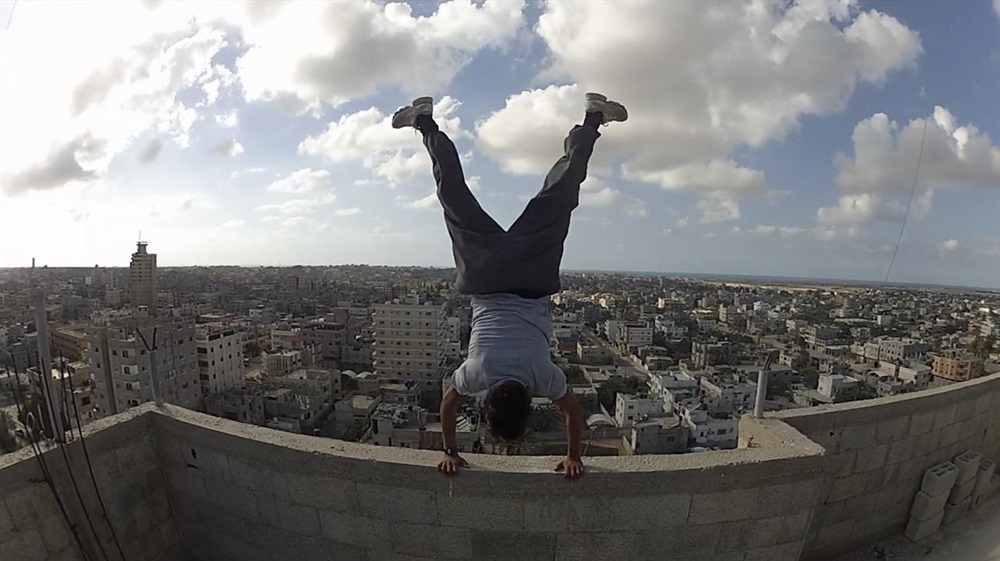
In the face of devastation, itâs often the smallest acts of defiance that leave the deepest impact. “Yalla Parkour,” Areeb Zuaiterâs directorial debut, is one such act. Itâs a document of hope, resilience, and the human drive to live freely even amidst the most unforgiving circumstances. As much as it is a personal story, the film is also about identity, place, and the unspeakable pain of exile. Zuaiter, who was born in Palestine and raised in the US after her familyâs relocation, returns to her homeland with a camera, a longing for connection, and an unexpected subject: a group of young Palestinians practicing parkour on the conflict-scarred ruins of Gaza.Â
The filmmaker then contrasts the boundless athleticism of young Palestinian parkour athletes with the walls, rubble, and checkpoints that circumscribe their existence. Over the course of its decade-long narrative, it becomes clear: this isnât just a story about the daring flips and impossible leaps of parkourâitâs about what it means to keep moving forward when every step is against the tide. What begins as a quest to reconnect with her roots turns into something deeper: a meditation on endurance, adaptation, and, most importantly, survival.
More DOC NYC Coverage: âMy Sweet Landâ: The Weight of Inherited Wars Seen Through a Boyâs Eyes
Parkour as Resistance and Expression
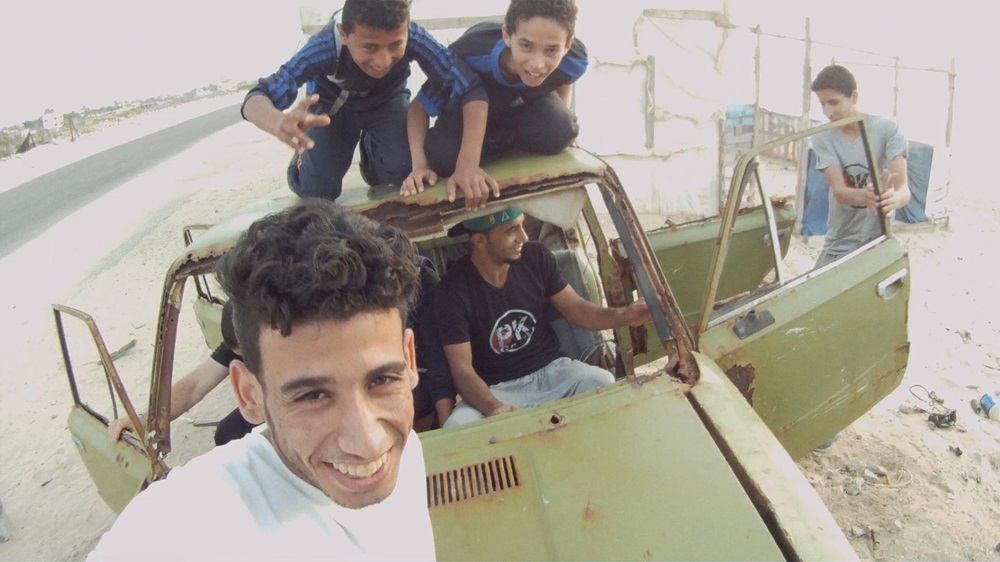
Zuaiter began her journey in 2015, after stumbling upon an amateur video of Gazaâs parkour scene, which depicted young men practicing their craft against a backdrop of ruins. Among them was Ahmed Matar, whose lithe grace and quiet determination became the filmâs centerpiece. What started as a filmmakerâs curiosity soon became an intimate collaboration, as Zuaiter exchanged videos and conversations with Ahmed from her home in Washington, D.C. Their long-distance connection mirrored the theme of the film itself: a yearning for Gaza that was both deeply personal and steeped in collective history.
âYalla Parkourâ grounds itself with Zuaiterâs recollection of her first childhood visit to Gaza with her mother, a memory steeped in warmth yet shrouded by loss. After her motherâs death in 2012, Zuaiterâs nostalgia for Palestine intensified, and her search for a way backâif not physically, then at least emotionallyâled her to Ahmed and his friends. Through them, she witnesses the contradictions of Gaza: its bombed-out malls and crumbling buildings are transformed into stages of daring athletic feats, even as the specter of occupation looms over every jump. The athletes’ bodies seem to defy gravity, but the ground beneath them tells a different story.
“Yalla Parkour” doesnât just capture parkourâs acrobatic grace. Instead, it transforms the sport into a metaphor for resistance, both physical and psychological. As Zuaiter finds herself drawn to the footage of these young men practicing their flips, jumps, and vaults through bombed-out malls and rubble-strewn streets, she also discovers a powerful image of a people who refuse to be defeated. Their actionsâathletic, daring, and joyousâare set against a backdrop of unimaginable destruction, where every leap over a crumbling wall feels like an assertion of life itself.
Filming Everyday Stories with Observational Intimacy
What makes âYalla Parkourâ resonate so deeply is its ability to capture moments of fleeting joy against the backdrop of unrelenting despair. Watching Ahmed and his crew turn ruins into playgrounds is exhilarating; their movements are acts of defiance, artistry, and hope. The cinematography, a collaborative effort between Ibrahim Al-Otla, Marco Padoan, and Umit Gulsen, underscores this tension beautifully. Every frame feels alive with contrast: the athletes soaring through the air, their shadows cast against the remnants of what used to be homes, schools, and businesses.
Zuaiter captures these moments with a deliberate yet intimate approach, allowing the camera to linger on the athletesâ triumphs and stumbles. More importantly, she becomes a participant in the narrative, too. Through her correspondence with Ahmed, we see her grappling with her own identity and her longing for a homeland sheâs been separated from for decades.
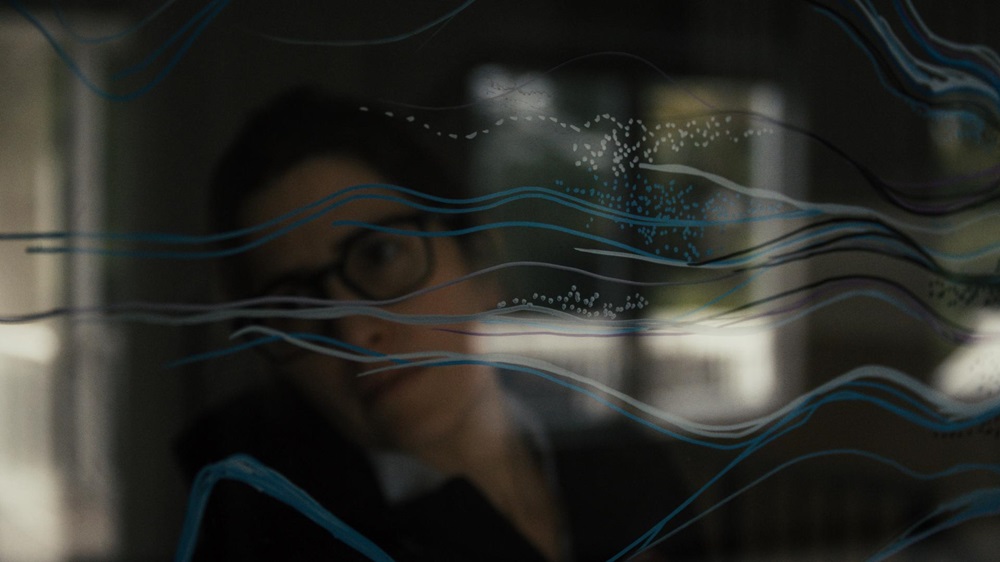
With this choice in storytelling, Zuaiter eschews omniscience and instead opts for collaboration; blending Ahmedâs footage with her own into a dialogue between two peopleâand two worlds. This interplay enriches the film, bridging the chasm between exile and home. Quiet moments, such as her reflection flickering across her laptop screen as she watches Ahmedâs joyous expressions, encapsulate transcendent connections that survive even the most harrowing separations.
Gazaâs Fragile Future
As the timeline shifts toward the present, âYalla Parkourâ gains urgency. As Zuaiter shifts her gaze to 2024, the still-ongoing conflict casts a devastating pall over the decade of footage sheâs amassed. Ahmedâs journey, from his struggles to secure a visa to his eventual relocation to Sweden, becomes a parallel story of displacement and longing. Even as he finds freedom abroad, the pull of Gaza remains, leading him to return just before October 2023âs devastating escalation.
These scenes capture the inescapable weight of diaspora. Ahmedâs story, mirrored by Zuaiterâs reflections on her mother and her homeland, highlights a heartbreaking truth: to leave Gaza is to gain freedom but to lose a part of oneself. True enough, a quiet moment toward the end of the film sees Zuaiter reflecting on her motherâs influence and how she instilled in the filmmaker a sense of gratitude and not guilt, despite the circumstances. “But I donât know how to just now,” she confesses with hesitation. Itâs a small, quiet line, yet it speaks volumes.
Finally, the filmâs closing moments are devastating, featuring a list of memorialsâathletes, friends, and collaborators lost to airstrikesâa grim reality check of the cost of existence in Gaza. The juxtaposition of their joyful flips and the tragedies that follow is heartbreaking, but it never feels exploitative. Instead, it amplifies the filmâs central theme: the resilience of the human spirit in a world determined to crush it.
More DOC NYC Coverage: âForestâ: A Portrait of Compassion and Conflict on the Border
âYalla Parkourâ: A Defiant Movement in a Stagnant World
If âYalla Parkourâ succeedsâand it largely doesâitâs because it balances joy and devastation without diminishing either. Zuaiterâs direction ensures that every leap and stumble feels monumental, not just as athletic feats but as acts of survival. Her collaboration with Ahmed and his team results in a film that is both deeply personal and universally resonant, a testament to the power of human creativity in the face of unimaginable hardship.
Whether one views âYalla Parkourâ as a tribute to Gazaâs indomitable spirit or a meditation on the weight of diaspora, itâs hard to deny the filmâs emotional power. Itâs a film about movementâphysical, emotional, and politicalâin a place where movement is often impossible. Zuaiter and the parkour team have given us a reminder that thereâs something undeniably human about the desire to leap, to soar, and to defy forces that might try to stifle us. And such movement, no matter how small, is already a victory in and of itself.


Areeb Zuaiter’s “Yalla Parkour” had its world premiere in the International Competition at this year’s DOC NYC, where it won the top award for the category, the Grand Jury Prize. The festival runs from November 13 to December 1, 2024. Follow us for more coverage.




