





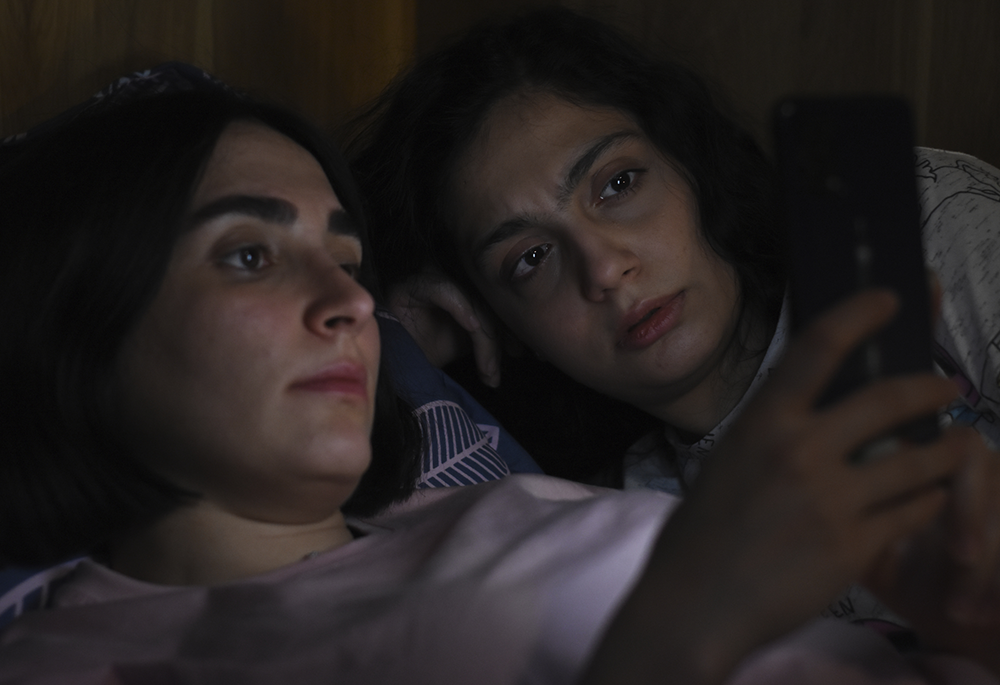
Mohammad Rasoulofâs âThe Seed of the Sacred Figâ is a dizzying, electric maze which attacks an epic scale with an unwavering microscope. And it doesnât so much experiment in genres as it does master them, evolving from a brooding political thriller to a disorienting whodunit to charged family melodrama. The filmâs sensibilities shift shape at a measured pace until it all explodes, the end result resembling a bizarre love/demon child of Alfred Hitchock (âNorth By Northwestâ), Akira Kurosawa (âHigh and Lowâ) and, at its most mischievous, Maren Ade (âToni Erdmannâ). Rasoulofâs whip-smartâand whiplashingâplot developments both pay homage to and detour from any cinematic forebears, twisting expectations and complicating the moral dilemmas that each character faces. A nail-biter that perverts narrative tropes consistently and gleefully, âSacred Figâ is a thunderous statement that deconstructs the destruction of a family and ruthlessly audits the society which governs it.Â
Before the opening credits, on-screen text informs us âSacred Figâ was filmed âin secret.â Writer/Director Rasoulof (âThere Is No Evilâ) was arrested in 2022Â alongside the great director Jafar Panahi (âNo Bearsâ) on the charge of propaganda against the state. At the end of his sentence in 2023, he came up with the plan for the stealth shoot. After he was arrested again and sentenced to an eight-year imprisonment and a flogging, Rasoulof vowed to finish the film and escape the country. Debuting at Cannes in May 2024âone week after Rasoulof successfully fledââSacred Figâ won the Jury Prize. It opens today in a wider U.S. release. A daring feat of artistry and resistance, the film is a tribute to the collaborative effort of all participants, especially the cast, which depicts a familyâs demise in a way which volleys from heartbreaking to life-affirming and settles somewhere in the middle.Â
A Startling and Relevant Film
Iman (Missagh Zareh), the familyâs patriarch, was recently promoted to the position of investigator, the last step on the ascension to a more prestigious role of judge. His proud, firm wife Najmeh (Soheila Golestani) runs the household and manages Imanâs moods, which have grown more unpredictable as work and life stresses have mounted. And around them, Iran, their home country, is teetering: amid a rise in student protests, the government has stepped up its use of force in the streets and on the airwaves, much to the chagrin of Rezvan (Mahsa Rostami) and her younger sister Sana (Setareh Maleki). Among the foursome, Najmeh has the most impossible task: to defend and support Iman while keeping her kids safe. Ideally, those goals almost always coincide, but âSacred Figâ is a film that practically cackles in its repeated and successful attempts to deliver worst-case, lose-lose scenarios.
No one living in âSacred Figâ has an easy way out; and even past the indelible final frame, the film refuses to blindfold itself.”
Itâs a startling and relevant film, no doubt, but âSacred Figâ takes no shortcuts in prototyping its characters. Rezvan and Sana are of a certain generation, so they would be attached to their phones and social media. But that connection serves a greater purpose beyond simplified âkids these daysâ grumbling, especially since the state-run media spouts lies and half-truths at its citizens. During an intensely uncomfortable family dinner, Iman (who rarely is home for these outings) argues with Rezvan about what she seesâand detestsâon television, challenging her to confront her own biases. Or, really, to see things his way. When she excuses herself, itâs to fight another day, because sheâs nursing some secrets of her own which Najmeh also has to keep under wraps, for fear of implicating, angering or endangering Iman.Â
A Stark and Serious Film
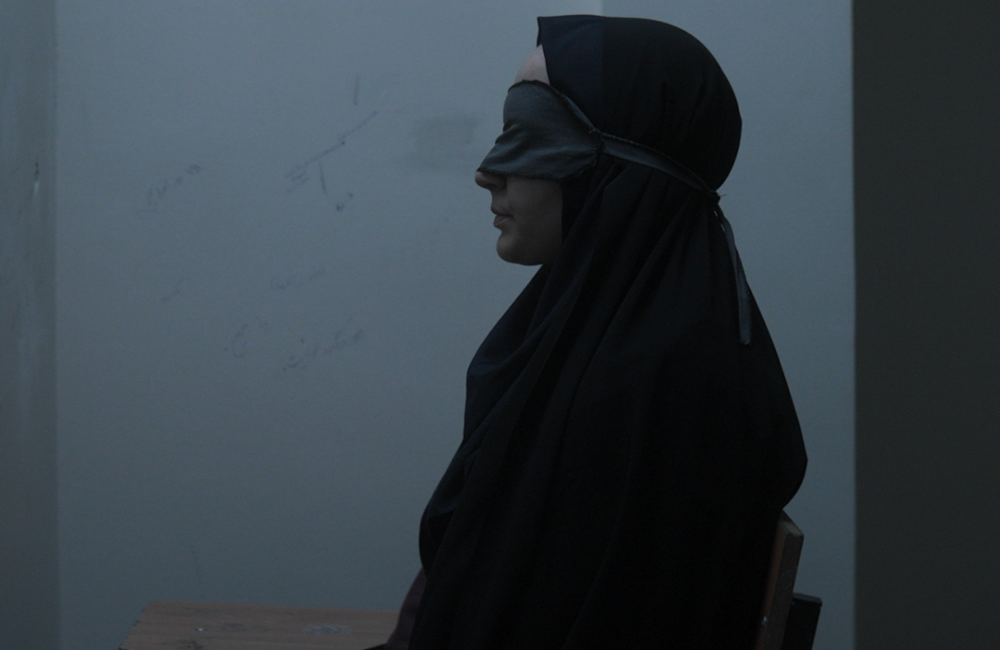
A lesser movie would have centered Iman, and stuck with him at the expense of his family. Indeed, heâs fascinating and frustrating, but Rasoulof has more on his mind. So he backs off, yielding the floor to the rest of the family, whose volatile, adventurous private lives put them on a crash course with Imanâs heightened paranoia. To suggest heâs lost his mind is a stretch, since his worst (or, second-worstâalready heâs lost his gun) fears are realized when heâs followed on an escape route from the city to his childhood home. Seeking safety, Iman instead projects a menacing, frightening villain who runs out of good, then bad, then any remaining options. How he decides to confront his family feels unhinged and inevitable, summoning the wrong-man desperation of Roger Thornhill (âNorth By Northwestâ) and Toshiro Mifuneâs tortured mogul Kingo Gondo (âHigh and Lowâ).
For such a stark and serious film, I still find room to believe Rasoulof is a jester behind the camera. So that brings me to the bonkers and brilliant universe of Maren Ade, who depicts earnest, self-sabotaging characters running headlong towards their problems, concealing deeper weaknesses through constant motion, avoiding reflection and contemplation. Iman doesnât carry around fake teeth or crack jokes (or smile?) like Adeâs Toni Erdmann, but Imanâs motiveâto improve his familyâs futureâis pure, to start. The world has other plans for Iman, though. When he loses trust in the systemâhis job and countryâhis personal life is next to topple. The harder Iman tries to rectify the family rift, the more it widens. Well-meaning impulses turn sinister, and Imanâs bad parenting and decision-making backfires in a miraculous finale which rivals the most jumpy jump scares.
A Film that Refuses to Blindfold Itself
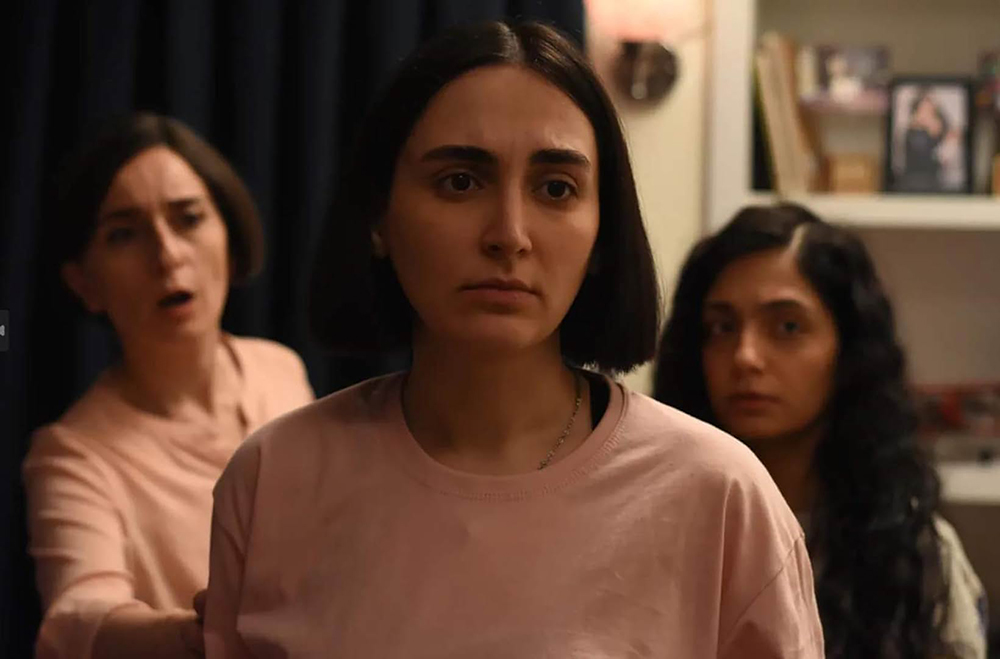
Through an extraordinary and deft ensemble, Rasoulof provides an unflinching window into the state of these charactersâ worlds. For Rasoulof, shades of fellow Iranian Asghar Farhadi (âA Separationâ) and the celebrated Turkish auteur Nuri Bilge Ceylan (âAbout Dry Grassesâ) pervade this expansive, energetic film, not so much a labor of love as it is of pain. Itâs a de-romanticized, naturalistic view of a country and its people, and what those internationally-renowned directors have in common is a refusal to cater to pre-made assumptions about these characters who exist a world apart from the audience. Deploying a destabilizing visual composition in the cityâcrowded and loudâand countrysideâopen yet abandonedâRasoulof creates a sense of isolation that brings viewers into the void, daring us to relate. No one living in âSacred Figâ has an easy way out, and even past the indelible final frame, the film refuses to blindfold itself.
“The Seed of the Sacred Fig” opens today in theaters.Â




