





 Jafar Panahiâs “No Bears” (“Khers nist,” original title) is a daring multi-hyphenate, pivoting from cranky comedy-of-manners to docu-fiction to operatic tragedy. This breathless, unrelenting wallop of a film is so skilled at being so many things at once, itâs no surprise that its writer/director/producer is also the star, playing a character named Jafar Panahi. To add another label: heâs a criminal, having been sentenced to six years imprisonment by the Iranian judiciary. The sheer injustice of that arrest deserves more than a cursory mention, especially since itâs his second six-year sentence, and Panahiâs films are routinely banned and censored in Iran. But this is a film review, and Panahi has given us a great one. All of his varied roles cohere flawlessly, resulting in an artistic triumph thatâs both a wail for sanity and a plea for compassion and understanding.Â
Itâs impossible to watch “No Bears” without appreciating and imagining the risks Panahiâs taking as an artist and civilian. The consequences of putting himself out there extends beyond critical or commercial failure or success. Producing something, however, is not solely an act of bravery and defiance. Letâs not forget blind-spotted artists, “No Bears” suggests, who could also be dangerous and unethical and at worst, have the ability to hurt innocent people. With that backdrop, “No Bears” resists facile labeling, treating all of its characters as complicated, frustrating pains in the ass, who often act impulsively and sometimes behave recklessly. Panahi handles the social and political commentary with a deft touch, and the filmmaker makes us pay close attention early to reap the rewards of the twists that come later in the film.Â
Panahi and his Dual Role as Actor and Director
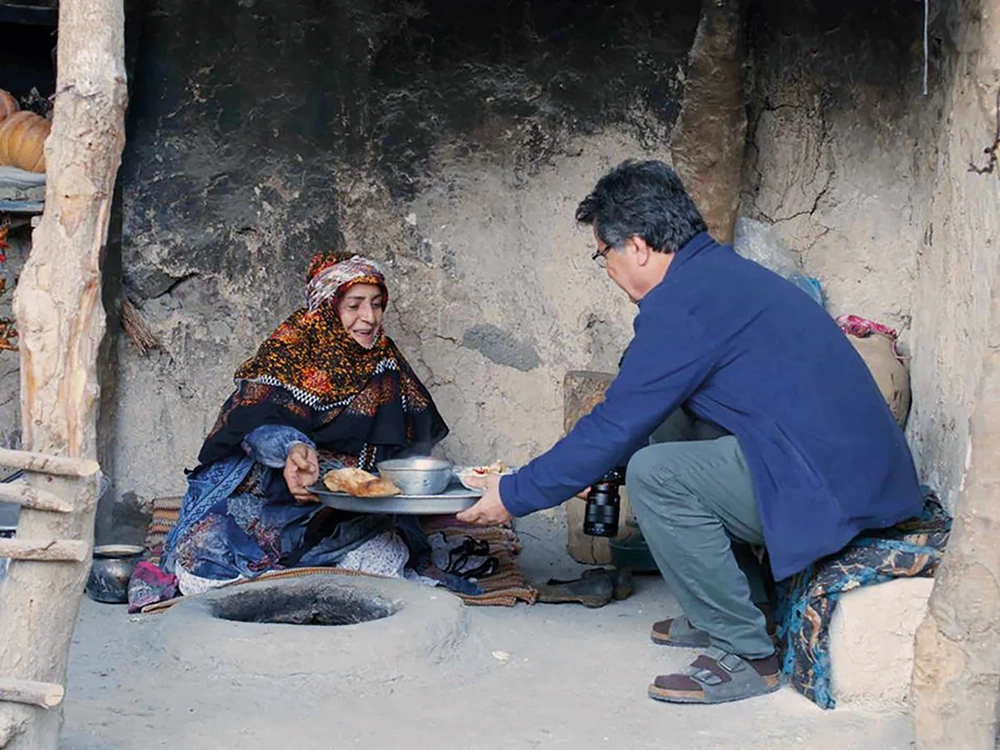
In the lead role, Panahi affects an affable director-next-door quality, inescapably playing a version of himself. At the open, Panahi is alone in a rural village outside of Tehran, directing a film via Zoom. Heâs cordial with his landlady and her son, and prefers to play by the rules. When one of his assistants visits late at night, urging him to join him across the border, Panahi refuses, slouching and walking back to his car in protest. The stakes are too high, and that expression of pathos reveals the sad truth of his isolation. We donât know what heâs left behind â family details are sparse, perhaps to protect them â but itâs clear that filmmaking, taking pictures, and writing, are what drives him.
That narrow focus clouds the characterâs judgment. Panahi insists on capturing everything, invading personal spaces and private lives without taking the long view of how willing these participants are. To them, art isnât life or at least, their lives arenât just an object for Panahiâs art. The first event that best illustrates this complex theme is a blink-and-youâll-miss-it moment which sets the plot in motion. Panahi leaves his hut to take some pictures, and while heâs asking a group of kids to stand together, he turns to his left to snap a photo of something thatâs outside the audienceâs view. A group of villagers later comes to his house to ask him for that photo. Apparently, Panahi caught two people together who shouldnât be, a restrictive concept he canât quite comprehend, even after the man in that photo pays a late-night visit to explain why he needs the picture.Â
A Film Within a Film
But Panahi canât find the photo, and he denies ever having taken it. At this point, it becomes harder to know who to believe, and thatâs one of the filmâs many treasures. Panahi begins to present himself more as a demanding troublemaker than an innocent bystander, ratcheting up tension by questioning the methods and traditions of the villagers. In each scene, the negotiations are too polite, couched in niceties that must unravel, uncovering the crowdsâ true natures â including at a ceremony when Panahi agrees to testify on video that he did not take the picture. That process turns from amiable to confrontational when Panahi makes an offhand comment which enrages one spectator. All of these people are holding others â instead of themselves â culpable, and yet, those who end up suffering the most have nothing to say in the whole matter.Â

All the while, Panahiâs film-within-a-film barrels forward. In that story, the blend of fiction and reality evaporates. But Panahi as director of that film refuses to look away, and he insists that the camera follows both lead characters during their journeys to secure fake passports. Itâs not hard to differentiate whatâs happening in their real versus their fictional lives, though when an offscreen event leads to an irreversible on-screen tragedy, Panahi the actor-as-director insists that, finally, the camera must look away. The audience doesnât have that luxury, and we canât help but watch anyway, just like the filmâs harrowing conclusion, in which another couple canât escape ruin.Â
An Urgent Film
Panahi is both in front of the camera and behind it the whole time, and the Writer/Director doesnât let the Actor/Director off the hook. And, what happens to his characters â and his actorsâ characters â is often an indirect result of his own stubbornness. Only, itâs not quite that simple. Itâs as hard to root for Panahi in the lead role as it is to root against him, just like all of the people surrounding him. All subscribe to specific belief systems, and whether theyâre too rigid or inflexible wonât change the fact that the arc of justice bends toward disappointment. The film closes on a despairing note, and a heartbreaking outcome in the world thatâs been created, not nearly different enough from the world in which the jailed Panahi lives.
This is a film that tries to laugh at the wisdom [deficit]of crowds, but takes fateful detours into fear and disillusionment. In the scene that explains the title, a neighbor cautions Panahi to avoid one street, because legend has it, thatâs where bears live. Then he contradicts himself, encouraging Panahi to ignore that myth. Iranian citizen Jafar Panahi doesnât have that option, to assume the worst-case scenario is improbable, when heâs already living in a harsh and unforgiving reality. Heâs used his own life experience to create a vigorous, anguished film whose most subversive trait is that itâs not scathing or angry. Itâs equally unfair and fair to those who deserve and donât deserve sympathy. Panahiâs urgent film lives and breathes, and itâs a shame that the themes he plumbs will be around for quite a while, in his home country and everywhere else.Â
“No Bears,” a Janus Films release, is currently in theaters. In New York City, itâs playing at Film Forum (209 West Houston St.).




