





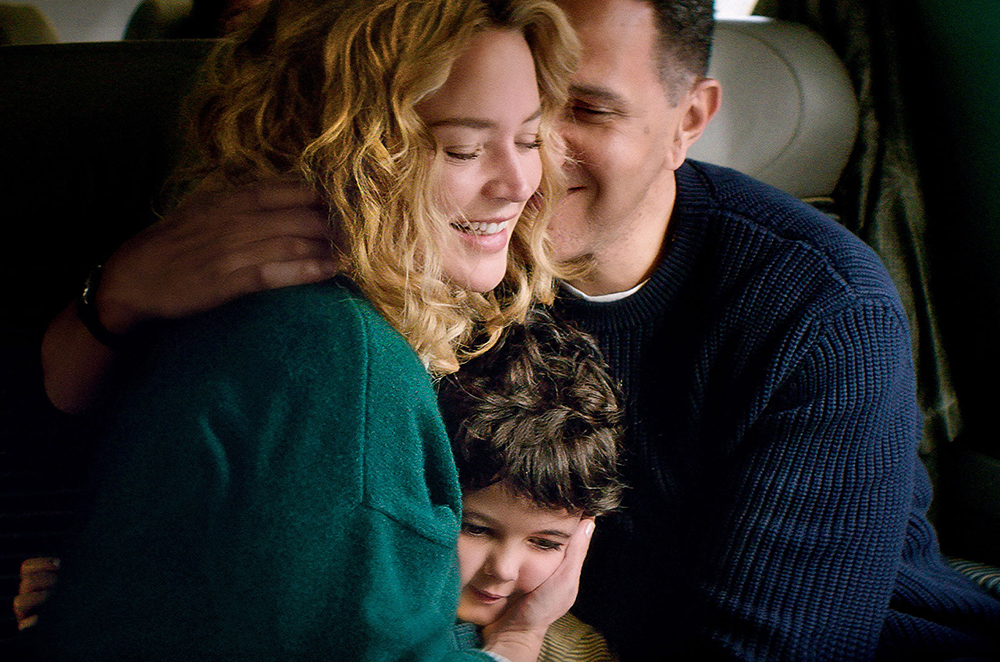
After two pretty underwhelming features in “An Easy Girl” and “Planetarium,” Rebecca Zlotowski is back in top form, just as she was when she delivered “Dear Prudence” (“Belle Ãpine,” original title) in 2010. Her latest work, “Other Peopleâs Children” (“Les enfants des autres,” original title) encapsulates, with humanistic tendencies, the happiness and heartaches of motherhood.
Rebecca Zlotowskiâs work focuses on stories about women of different ages, as portrayed in films like “Belle Ãpine,” Â (which I consider her best by far) and “An Easy Girl.” These are somewhat âcoming of ageâ-based narrative devices, if you want to put it in a subgenre box. At the same time, it isnât the correct term as it focuses on different stages in peopleâs lives. However, in the works she has delivered since her debut, particularly her last two films, it feels that the characters arenât entirely genuine. The writing focuses on elevating charm and romance. Yet, it doesnât pursue the essence of how it feels to age or the sensation of the experiences as the years go by. I didnât feel authentic or grounded in reality â reflecting a distancing effect upon the viewer.
Rebecca ZÅotowski is Back on Top Form
“An Easy Girl” and “Grand Central” arenât terrible pictures, donât get me wrong. Yet, they felt as if they were missing a grasp on reality, telling a far more fictitious story than it intended (the opposite of what a Hong Sang-soo film would be like). Those were the main reasons why I havenât been able to enjoy her features lately. Everyone was playing a character instead of being human, making their respective journeys quite unbelievable. This took me out of the viewing experience and the story that Zlotowski was trying to tell. Now, everything has changed because Rebecca Zlotowski is back in top form. Thanks to her fifth feature film, “Other Peopleâs Children,” a touching and observant portrait of a womanâs maternal instincts amidst societal strains and fluctuating sentiments, she has been able to tap into the humanistic side of romance and coming-of-age.
It doesnât reach the stature of “Belle Ãpine,” but it paves the way for more endearing and thoughtful pictures from Zlotwoski. “Other Peopleâs Children” tells the year-round story of Rachel (played by an always sensational Virginie Efira), a 40-year-old schoolteacher who loves⦠well⦠basically everything. She has great friends, loves her job, and her past lovers aren’t a pain. The only thing that somewhat frustrates her is the idea of having a child. Rachel isnât desperate to have a kid of her own, per se. Regardless, the idea is a constant conundrum that many women around her age face. She sometimes worries about the time she has left to be a mother. Ever her elderly gynecologist Dr. Wiseman (played by documentary filmmaker Frederick Wiseman in a hilarious and unexpected cameo) says that her clock is ticking.
‘Other People’s Children’ Transcends Rom-Com Trappings
It doesnât faze her that much since sheâs met a delightful and charming divorcé in a guitar lesson, Ali (Roschdy Zem). Not only has she fallen in love with him, but also with his five-year-old daughter, Leila, whom Ali shares custody with his ex-wife (Chiara Mastroianni). This story segment may seem like your typical rom-com strategic narrative issue, but it doesnât feel like such. Thatâs where the fizziness and bubbly aspects of the story almost got me to put a palm in my face because I thought it was heading in the same direction some of Zlotowskiâs films go. It bothered me a bit that it would be a run-of-the-mill romantic comedy. However, it switches gears due to its subtle exploration of a womanâs experience (and understanding) of motherhood.
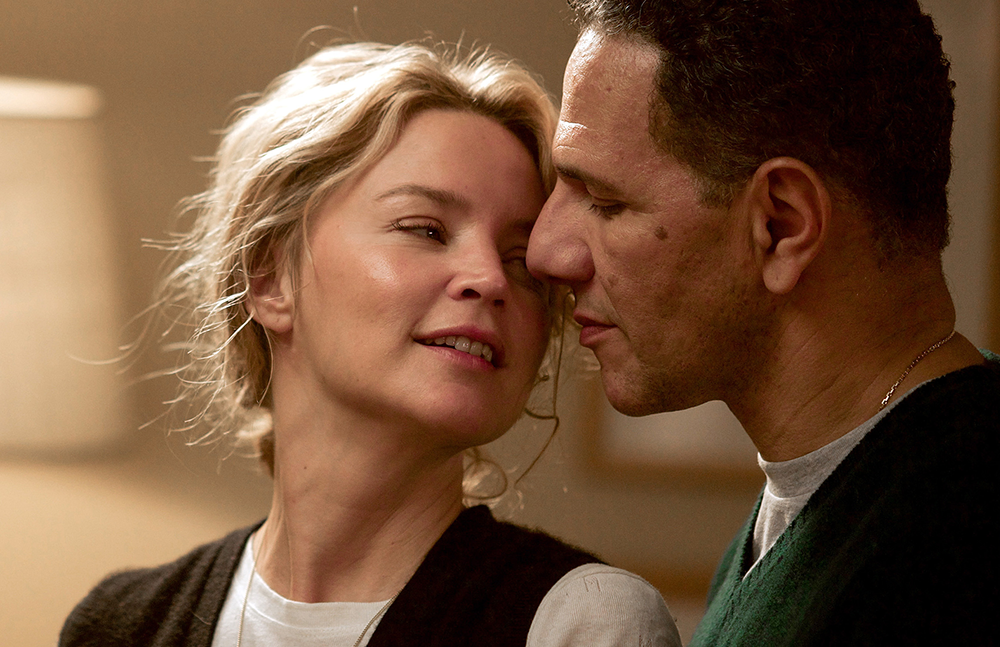
Still containing a few rom-com strappings, “Other Peopleâs Children” doesnât include many cliches that come with the subgenre of films. Even if it’s full of charm, that part of the story feels authentic rather than wholly fictitious or dramatized. This feeling is garnered more so because of the performances rather than the pen during the first act. The rest of the filmâs script leans more into a humanistic territory so we can feel Rachel’s pain and happiness even more. The ups and downs of life meet one another to create a beautiful experience curated by Zlotowski. “Other Peopleâs Children” contains some plot contrivances and way too many predictable scenes in the first act; the rest of the picture doesnât. Rachelâs step-motherhood family dynamic is growing quickly, which causes the pains that go with it to hit harder and faster. This is where Zlotwoskiâs writing strives the most.
Zlotwoski Creates Vivacity Amidst Heartache
She showcases the maternal longing and the exploration of a womanâs experience with motherhood with a sensitive touch and emotional heft. Thatâs why sheâs in top form. Unlike “An Easy Girl” or “Grand Central” (and even to a worse degree with “Planetarium”), the emotional core of “Other Peopleâs Childrenâs” narrative is driven by realism rather than flirtatious âlaughableâ romance. Sharing other peopleâs children arrives with a balance of heartbreak and happiness. It is quite a difficult journey, one that many can’t bear. There arenât any heroes, villains, or melodramatic sensibilities in “Other Peopleâs Children.” The emotions portrayed by Efiraâs Rachel demonstrate saddened vivacity â happiness amidst heartache of some sort â to full effect.
Zlotwoski delivers a film that provides a lightened heart for its characters and the story being tackled, one where it doesnât need to indulge in unrealistic story-telling mechanisms. I still think that “Belle Ãpine” is Rebecca Zlotowskiâs best feature (although some might disagree). Nevertheless, her latest work does give me hope that whatever she delivers next will be of this same degree (or hopefully even better).


“Other People’s Children” is currently playing at the Sundance Film Festival. The festival goes from January 19 – January 29. Join us for continual coverage.Â




