






The plot description for Jessica Hausnerâs âClub Zeroâ suggests viewers ought to take a deep breath before watching, in expectation of a ruthless polemic, brutal satire, and perhaps some heavy-handed finger-waving. To my surpriseâand satisfactionâWriter/Director Hausner (âLittle Joeâ) doesnât force-feed the audience a morality tale, deftly mixing shocks with subtle depictions of pleasure, pain and pathos which offset the unforgettable, donât-make-me-watch-moments. In a slow creep, âClub Zero,â which competed at Cannes last year and opened in theaters March 15th, keeps the suspense building without unearned jolts, opting to unfurl the narrative through thoughtful character building, a haunting stringy score and bold Andersonian visuals. Tackling taboo subject matterâeating disorders, parental neglect and cult cultureââClub Zeroâ succeeds because it presents a disturbing, layered story at a slight remove, avoiding the predictable route of a cautionary fable that heaps pity on victims and scorn on the perpetrators.Â
At first glance, Hausnerâs film promises an audit of the power dynamic between a sinister, charismatic expert and her eager followers. Miss Novak (Mia Wasikowska) is a new hire at an international boarding school, and she quickly gathers a fan club for her âconscious eatingâ theories (and, eventually, practice). In her first meeting with the school principal (Sidse Babett Knudsen), Miss Novak gifts a box of âFasting Tea,â an item which features the good teacherâs smiling face on the box cover. Having already won over the parentsâwho advocated for the hiringâand school leadership, Miss Novak takes to the classroom, where not all the kids are easy sells. But Miss Novak is a persistent, cagey confidence woman. Deploying buzzwords and cartoonish graphics, she posits that eating less is inherently an altruistic act, good not just for oneâs mind and body, but for the entire environment.Â
Strained Relationships Break Apart
The story swerves when the camera follows the kids home. Hausner herself has described how she intended to examine âhow parents hand over their responsibility for their children to a teacher, who misuses the trust.â Miss Novak becomes especially close to Fred (Luke Barker), whoâs particularly vulnerable to her charm because of his absent, aloof parents. Only after Fredâwhoâs diabeticâis hospitalized does his dad (Sam Hoare) visit, and even then, heâs content to leave Fred at school, rather than bring him back home. At Fredâs ballet recital, Miss Novak holds back tears, and while her relationship with Fred ultimately leads to her firing, that event incites a rallying cry for her fiercest defenders, and the parents quickly reverse course when their kids threaten (then carry out) self-harm.Â
At home, strained relationships break apart at the seams, and the most disturbing case is Elsa (Ksenia Devriendt), whose restrictive eating and ardent protests are met with passive placating from her mother (Elsa Zylberstein) and aggression from her father (Mathieu Demy). In Elsaâs room, the greatest shocks occurâinvolving vomit, a plate and a spoonâcontributing to the filmâs infamous reputation. Then, at the dinner table, her father screams âEat the sausage!â and sticks a fork in her mouth. Elsaâs near catatonic calm suggests she will have the final say here. Indeed, she does, reuniting with her classmates at Miss Novakâs home, where she officially welcomes them to Club Zero. A painting on her wallâfeaturing lush trees and the freedom of wide-open spaceâforeshadows the enigmatic end game, bringing the gang back together on a mountain, parts unknown, resulting in a sublime, Bergmanesque dance of death.Â
It Takes a Village
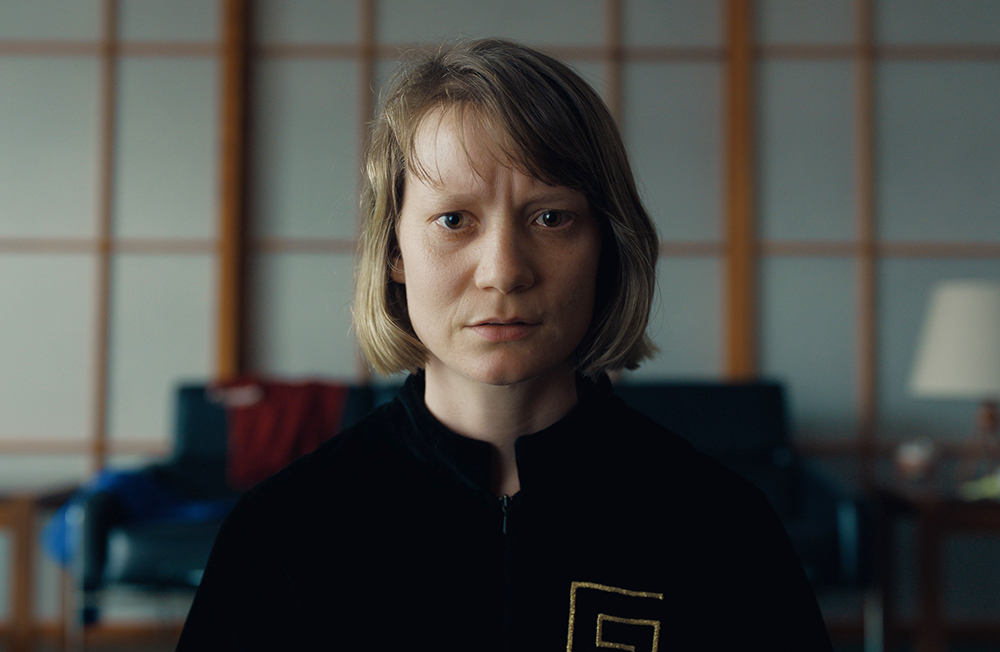
This morbid finale yields to a meeting of the parents, aghast at what their kids have done to them. While the end credits roll, Hausner holds the camera still, implicating these caretakersâwho silently squirm and stareâin a nod to the cinema of Michael Haneke (especially “Caché”). (I also canât shake the fact Demy starred in his mother Agnès Vardaâs âKung-Fu Master!â (1988), another arthouse provocation with a startling premise: a love affair between an adult and her teenage daughterâs friend, played by Demy.) Wasikowska commands the screen in an unsettling performance that ranges from playful to frightening, but the trick is itâs not just about her. It takes a village to traumatize children, and Hausner displays a skill for allocating blame evenly, then zooming out with an objective lens thatâs both devious and understanding. Itâs 100 minutes of truth or dare, and itâs near impossible to turn away.Â
“Club Zero” is currently only available to watch in theaters.Â




