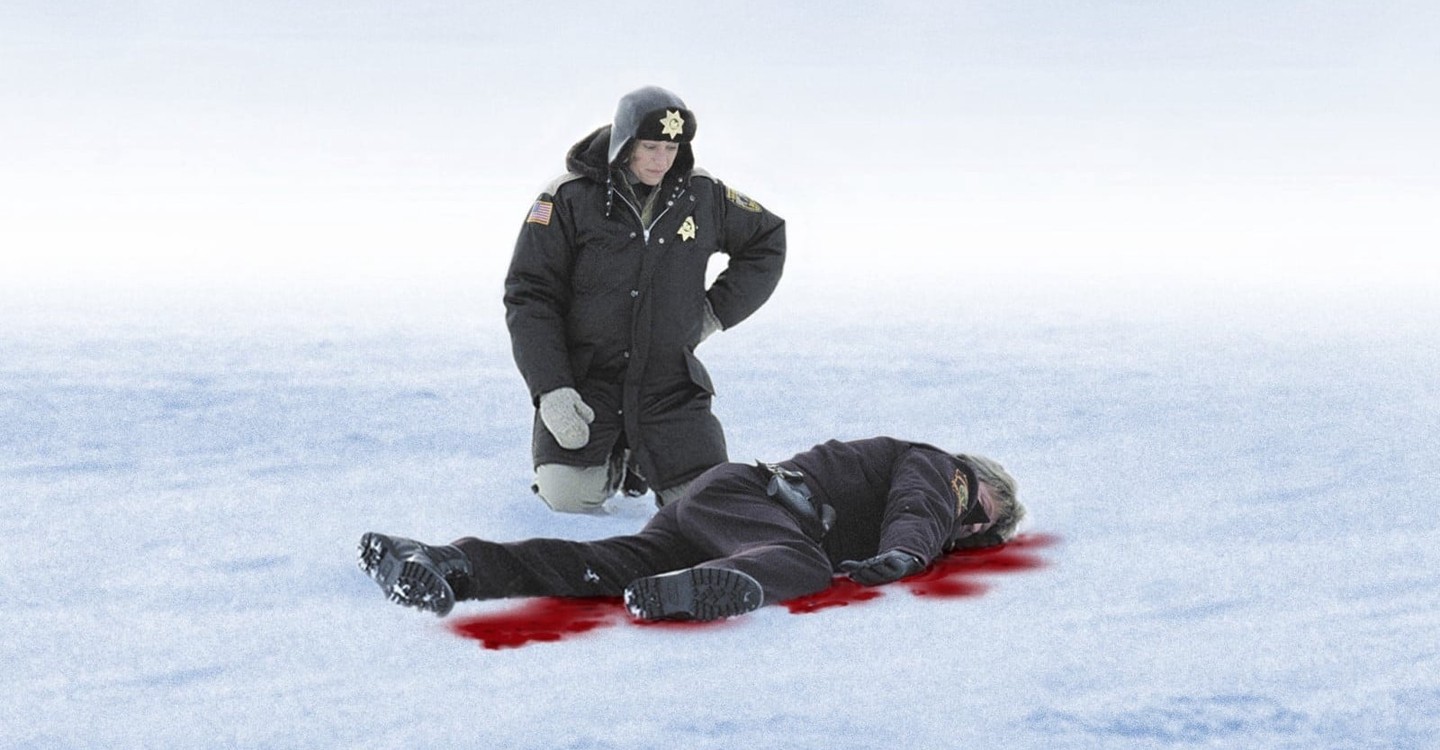
The 1996 black comedy “Fargo” is a brilliant work of art and that’s not hyperbole. This creation of filmmakers Joel and Ethan Coen features a cast of character actors that put forth memorable, if not brilliant performances on all levels. It’s a crime caper at heart, and one could call it a mob movie if there was an underboss that ran the Midwest. Set in the frigid small town of Brainerd, Minnesota, the plot follows Police Chief Marge Gunderson as she investigates a barbaric triple homicide concealed within the frigid rural wasteland.
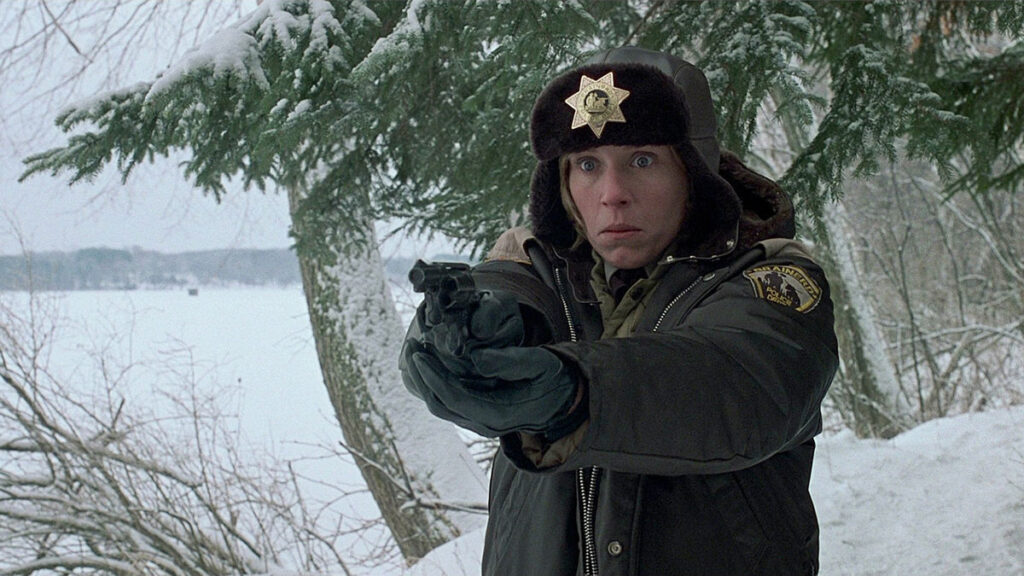
“Fargo” is a character driven story, with colorful individuals popping up at every corner. Frances McDormand would win the Academy Award for Best Actress for her performance as Marge Gunderson and it’s thoroughly deserved. McDormand’s ability to bring the viewer into the realm of small town Brainerd as she tracks dangerous criminals while dealing with her buffoonish subordinates is hysterical. Marge’s first appearance is 30 minutes into the 98 minute film allowing her to own the second and third acts. That the character is 7 months pregnant adds the perfect bit of humanization to the part.
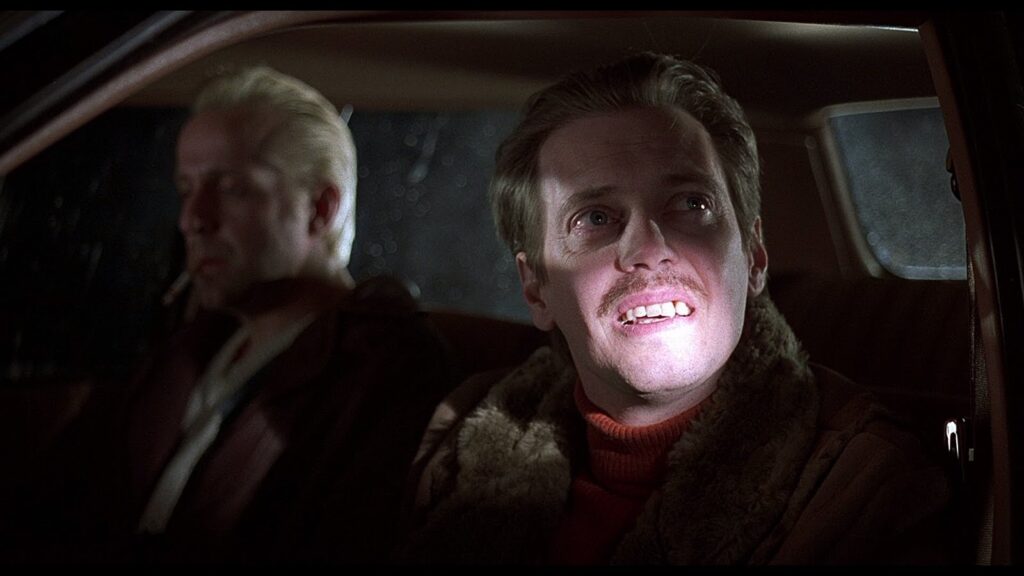
The opening sequence introduces Jerry Lundergaard (William H. Macy) a spineless car salesman who enlists the help of two professional miscreants to carry out an intricate and somewhat absurd scheme. Macy manages to cement the part with his audacious “Minnesota Nice” accent and behaviors. The character seems simple, and sympathetic in that he has undisclosed financial troubles propelling his decisions. He’s out of his element as a criminal mastermind and it shows from the start as he hires two memorable goons, Carl and Gaear (Steve Buscemi and Peter Stormare) who share a camaraderie that offers the viewers a look at complete opposites put together simply for the purpose of committing a crime. The talented John Carroll Lynch adds depth as Marge’s loving husband who has a great and envious though simple connection with his wife.
Renowned cinematographer Roger Deakins presents the audience with beautiful images and artistically framed shots in every scene. The bitter cold and desolate landscape of the North Dakota/Minnesota border is brought to life and becomes a character in and of itself. You’ll feel chilly just watching this film from the comfort of your couch and it’s a true testament to the amazing work Deakins and the Coen Brothers – themselves natives of Minneapolis – offer with their production. The score by Carter Burwell adds a perfect touch of subdued excitement and allows us to transition smoothly between humorous and graphic moments.
The film is loaded with 90s styled dialogue that we get from many other scripts written in this perfect period in time. Snappy, sarcastic, and sharp witted back and forth banter flows well with each member of the cast. One of the best scenes depicts Carl and Gaear; two thuggish criminals, bickering over where they should eat. “We stop at Pancakes House.” Gaear demands. “Are you nuts?” Carl fires back. “We had pancakes for breakfast…not more f*in pancakes, c’mon.”
“Fargo” is one of my favorite films and something that can be appreciated from a variety of angles. Whether it’s the story, the acting, or the production value, its not easily forgotten, even after 25 years. Despite the high praise, I’m still not sure why it’s so good, I just know that it is.