


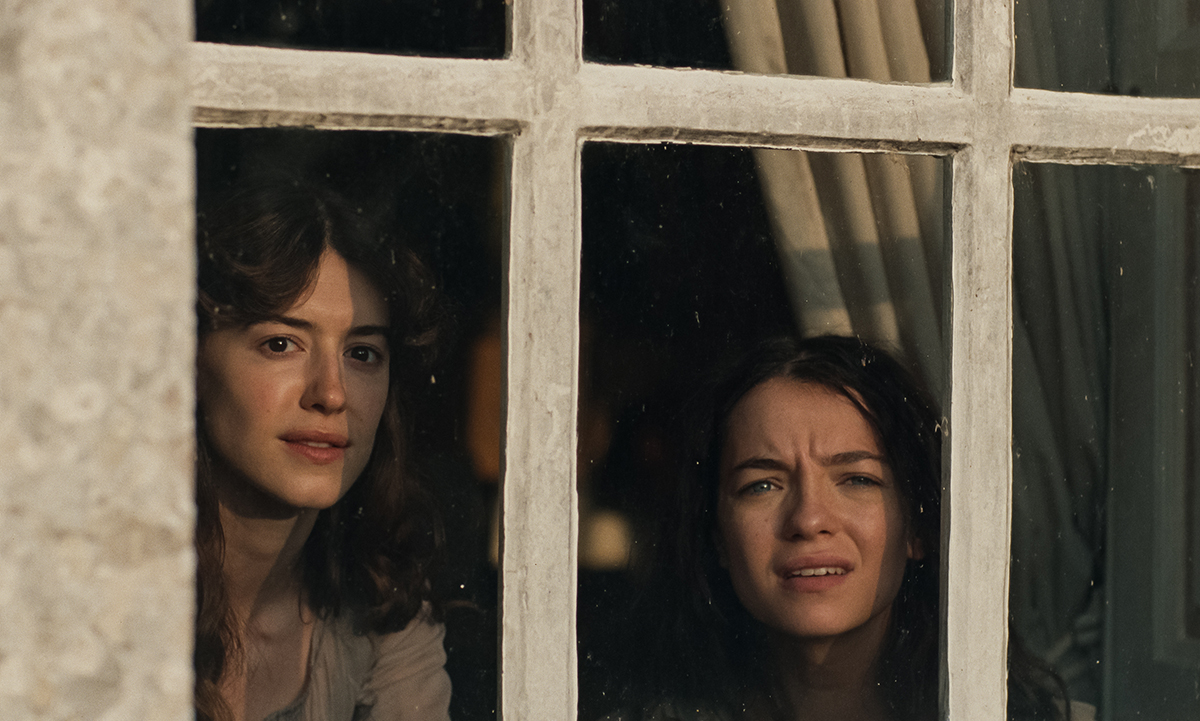
Any adaptation of a classic book deserves to be reviewed in relation to its original source. The book often becomes a benchmark against which a new adaptation is judged. In the case of “Sense and Sensibility,” based on Jane Austen’s novel, the original story is an important point of reference. However, a film adaptation must also be considered as an independent work of art.
The newly released “Sense and Sensibility” (2026), directed by Georgia Oakley, faces an additional challenge because the same novel was adapted into a film in 1995, directed by Ang Lee and written by Emma Thompson. Therefore, the new film can be assessed in relation to both Austen’s novel and the earlier adaptation. The book remains the original source, but the 1995 film inevitably becomes another point of comparison.
Viewers familiar with the novel, its historical background, and the social structure of the period may approach the new adaptation with particular expectations. Those who have also watched Ang Lee’s film have another reference point. However, these comparisons can influence how audiences understand and evaluate Oakley’s interpretation.
An Emotional Connection that is Effective
One of the new film’s achievements is its portrayal of the relationship between the two sisters, Elinor Dashwood and Marianne Dashwood. Their responses and interactions create an emotional connection that, from my perspective, is particularly effective compared with the 1995 adaptation.
There is also a historical context to consider. Although Austen’s novel was published in 1811, its story is set in the late eighteenth century, sometime between 1790 and 1800. The plot remains rooted in the social structure of that period, particularly within British elite society. The family’s circumstances and relationships are shaped by the expectations and limitations of the time.
A stage adaptation would require a different approach, relying primarily on performance and dialogue to present the story directly. Film, however, offers a wider range of possibilities. Over more than a century, cinema has developed its own methods of storytelling through cinematography, editing, shot composition, lighting, and scene development. Although an adaptation may remain faithful to its source, these elements can transform the story into a distinct visual experience.
Oakley’s Adaptation Has its Own Perspective
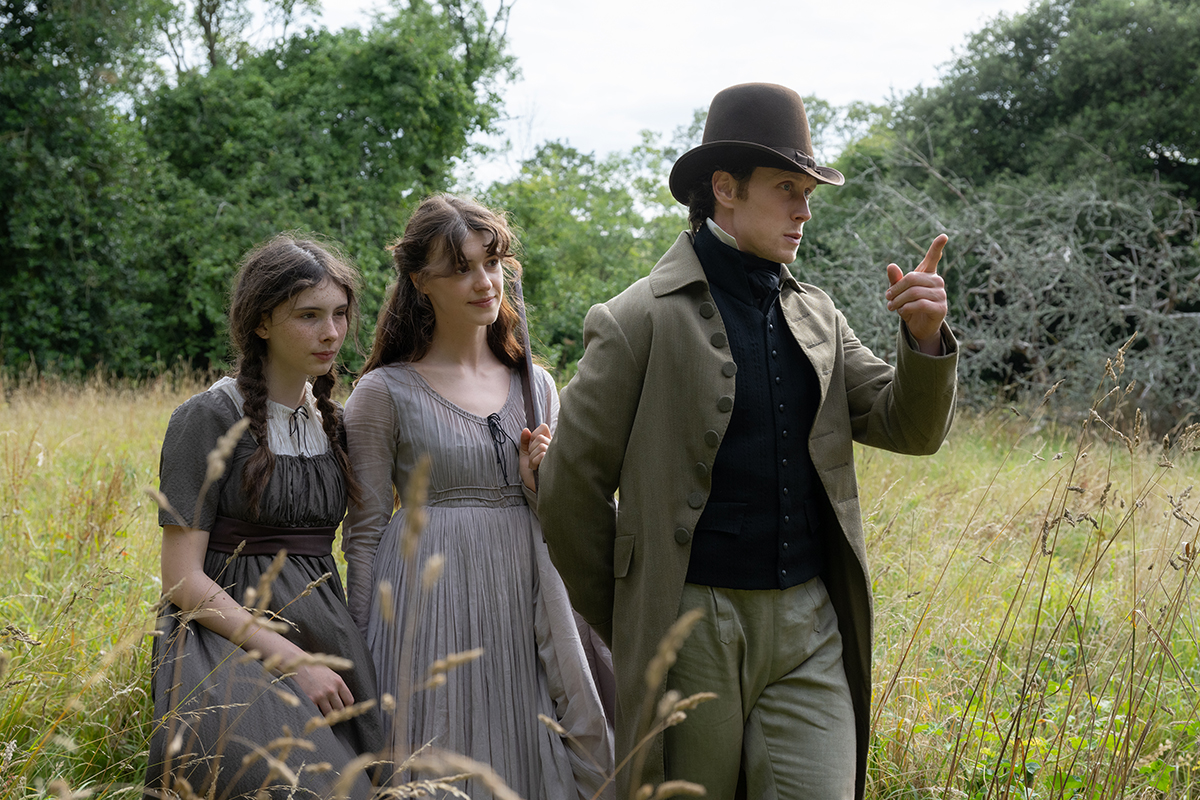
Georgia Oakley’s “Sense and Sensibility” follows a relatively direct and precise approach to storytelling. It depicts the social structure of the period and the family crisis involving the mother, the sisters, their relatives, and the surrounding society. The characters operate within the expectations of their social environment, and the film concentrates on presenting their circumstances and responses.
At the same time, Oakley’s adaptation has its own perspective and its own way of telling the story. It does not have to follow the format established by an earlier film to achieve its objectives. The creativity of an adaptation can be judged from different critical perspectives, but those perspectives should not automatically become the standard by which every filmmaker’s approach is measured. Oakley has followed her own method to interpret Austen’s novel, and that approach deserves to be considered on its own terms.
In terms of performance and character development, the film appears to achieve what it sets out to accomplish. This is particularly evident in the relationship between Elinor Dashwood and Marianne Dashwood, which provides an important emotional foundation for the story.
Concentrates More Directly on Telling the Story
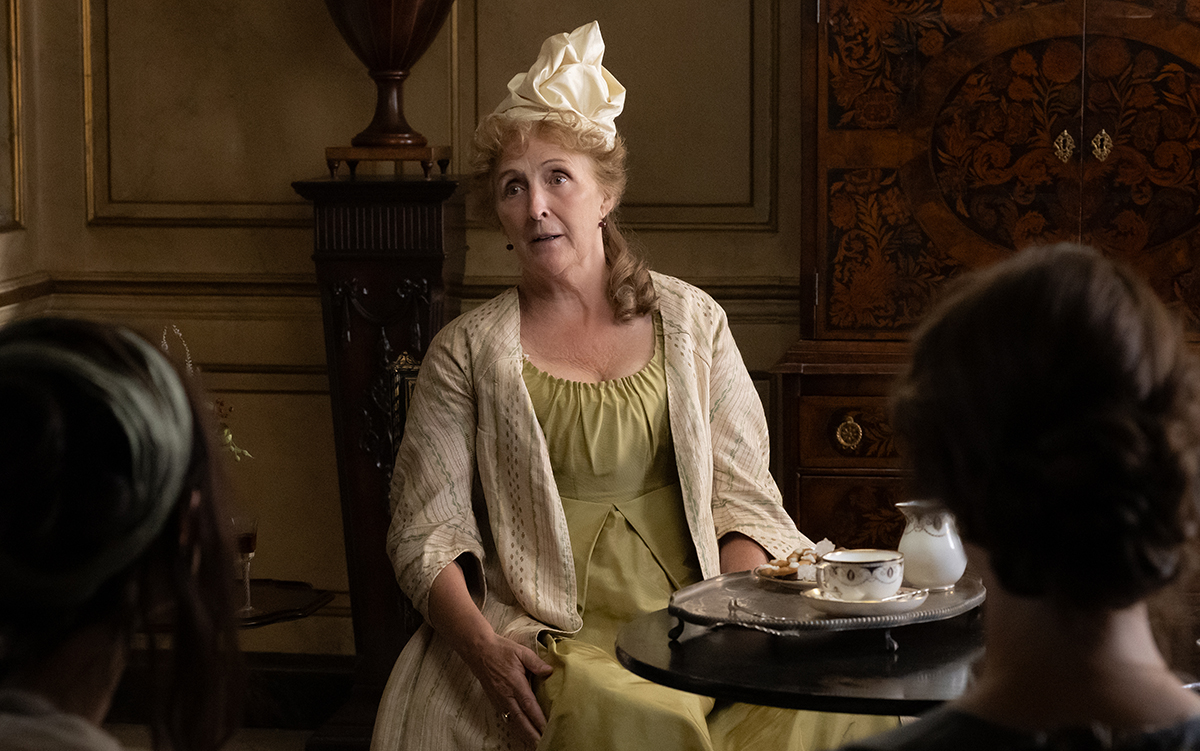
For viewers who have neither read Austen’s novel nor watched Ang Lee’s 1995 adaptation, Oakley’s film can stand as a complete work in itself. They may not have the same basis for comparing the character development, storytelling choices, and cinematic techniques of the two versions. From this perspective, there is little reason to question whether the new film has achieved its objectives simply because an earlier adaptation approached the material differently.
Nevertheless, comparing the two films reveals a noticeable difference in their approaches. Ang Lee’s 1995 adaptation places greater emphasis on cinematic development, whereas Oakley’s 2026 version concentrates more directly on telling the story.
Although the dialogue and exchanges between characters sometimes carry considerable intensity, the progression from shot to shot and scene to scene generally focuses on moving the narrative forward. Rather than allowing individual scenes to develop extensively through cinematic techniques, the film often moves directly to the next part of the story.
A Contemporary Cinematic Look
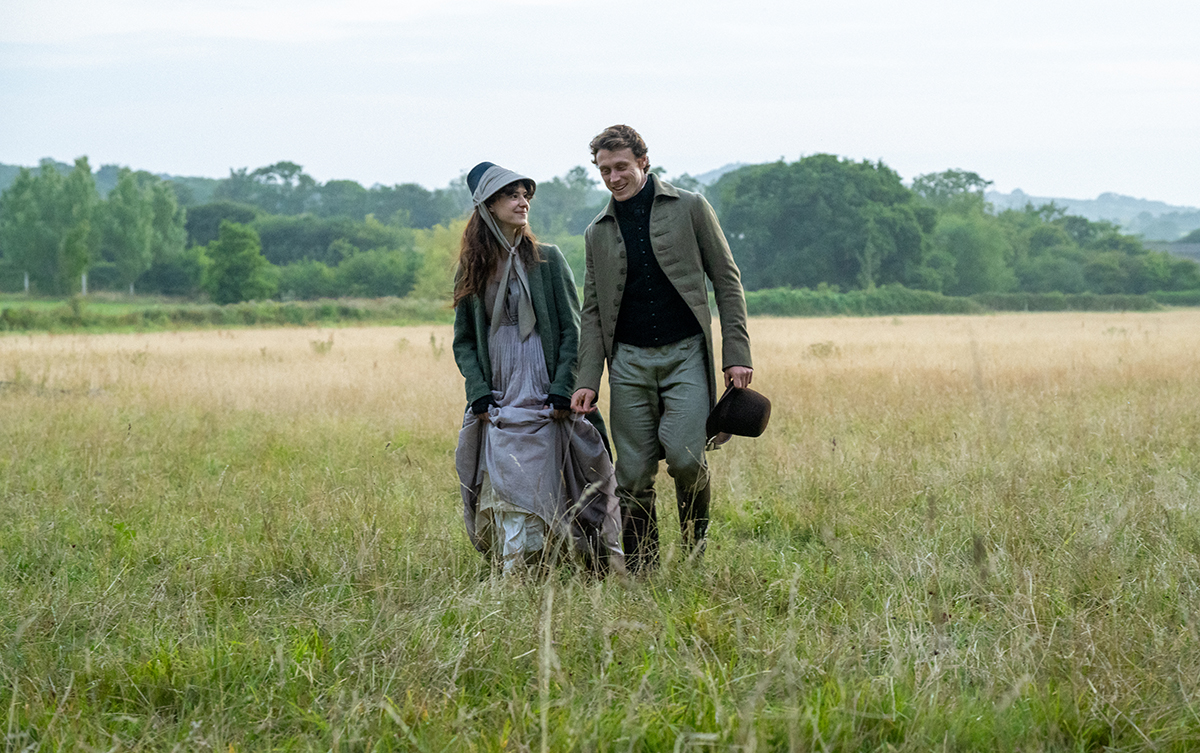
f the 1995 film is treated as the benchmark for judging the new adaptation, the two cannot necessarily be placed within the same comparative framework. Such a comparison may be unfair because their approaches differ. Lee’s film explores cinematic possibilities more expansively, while Oakley’s version prioritizes the direct presentation of the narrative.
Another noticeable difference is the visual treatment. The 2026 “Sense and Sensibility” relies considerably on indoor settings and scenes with a nighttime appearance, creating a contemporary cinematic look. Modern filmmaking often uses controlled lighting and low-light cinematography to establish a particular atmosphere. In this film, many scenes take place indoors, where artificial lighting can replace natural daylight.
This approach is noticeable throughout the film, particularly to viewers familiar with contemporary cinematographic techniques. The repeated use of indoor settings and nighttime-style lighting creates a recognizable visual pattern. Rather than pointing to one particular scene, it is the film’s overall visual treatment that raises questions about the relationship between cinematography and storytelling.
Emphasis on Presenting the Narrative Directly
On one hand, the narrative moves directly through the original story without extensively developing its cinematic possibilities. On the other, the film pursues a controlled visual style through its lighting and indoor settings. This raises the question of whether it fully explores the cinematic elements that could strengthen its storytelling.
The movement between daytime and nighttime, as well as indoor and outdoor settings, can contribute to the natural flow of a period drama. When much of the story takes place within controlled indoor environments, some of the visual variation that might enrich the narrative can be lost.
Some viewers may prefer Oakley’s adaptation, while others may find Lee’s 1995 version more effective. Much depends on individual taste and expectations. In general, however, the 2026 film takes a less expansive cinematic approach to the development of the story. Its emphasis is on presenting the narrative directly rather than exploring a broader range of cinematic expression.
Independent Approach to the Same Source Material
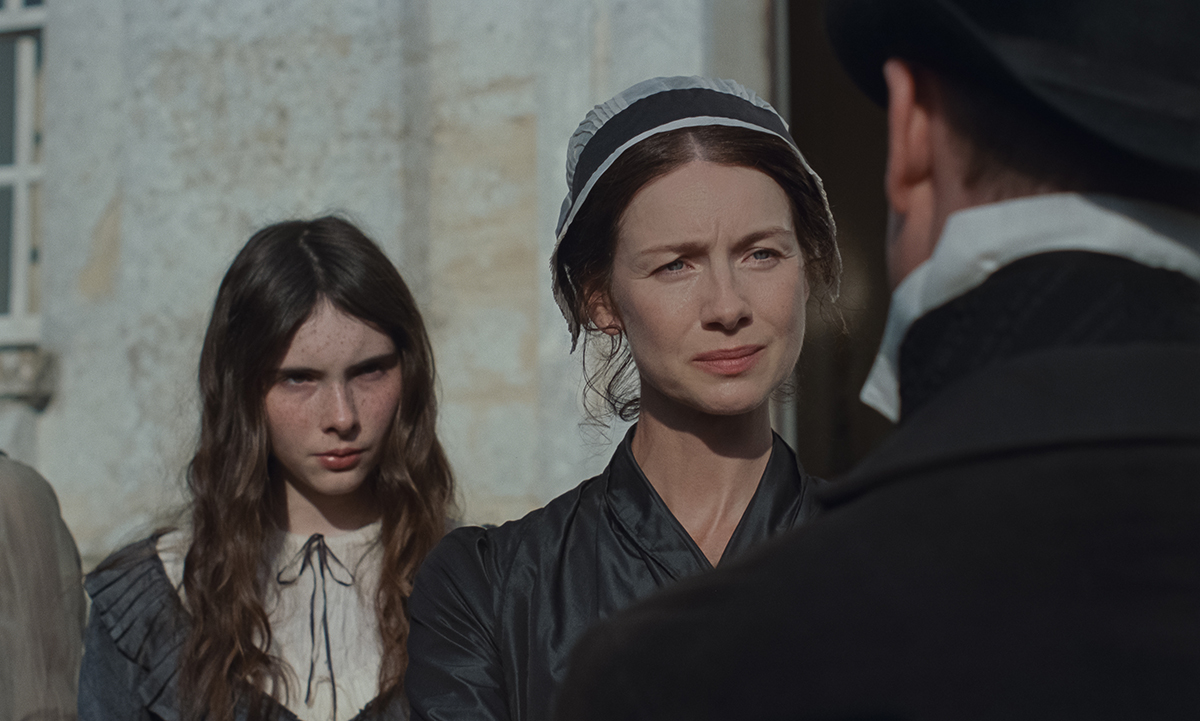
As an audience member, I sometimes felt that the film did not fully convey the lifestyle and social atmosphere of a period more than two centuries ago. Instead, it seemed to remain close to the basic storyline of Austen’s novel without always exploring the wider social environment that could have brought the period more fully to life. This is perhaps the film’s main limitation from my point of view.
Ultimately, the success of this adaptation depends partly on the standards used to evaluate it. If the original novel and Lee’s 1995 film are not treated as definitive benchmarks, Oakley’s version can be considered an independent approach to the same source material. In terms of storytelling and character development, it has achieved what its creative team appears to have intended.
The question of whether one adaptation is better than another remains separate from whether each succeeds on its own terms. Lee’s film received major industry recognition, including Academy Award nominations and a win, but those achievements do not automatically determine the artistic merit of a later adaptation. They are points of reference rather than definitive standards of judgment.
A Less Expansive Cinematic Approach
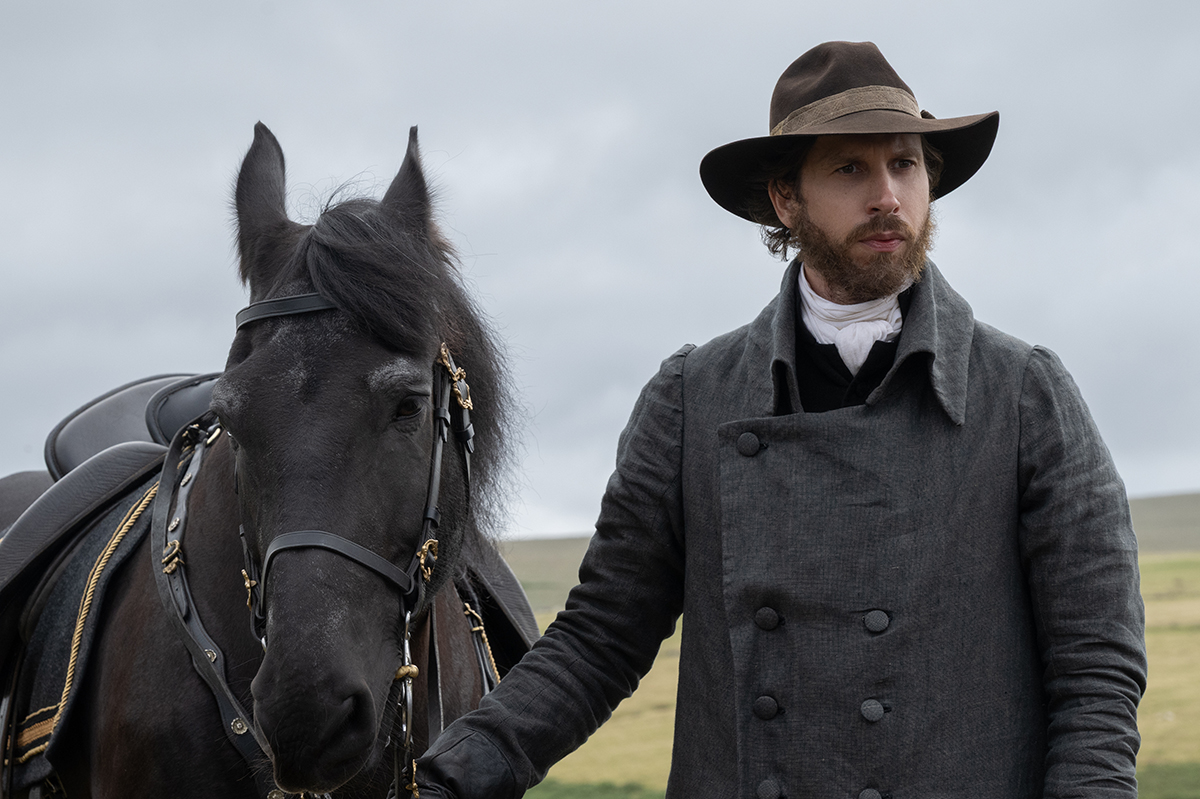
From my perspective, the 2026 “Sense and Sensibility” is a good film when considered in terms of what it sets out to accomplish. Whether it is better than an earlier adaptation depends on the criteria being applied. It can stand independently as an interpretation of Austen’s novel, even if its cinematic approach is less expansive than that of the 1995 film.
Cinematic techniques and methods of visual storytelling have developed into important components of cinema as an art form. However, not every film needs to use these elements to the same degree, and there is no single approach to making a successful film. Oakley’s adaptation employs a less expansive cinematic method than its predecessor, but this distinction does not, by itself, determine its overall quality. Its achievement must ultimately be considered through its storytelling, character development, visual choices, and the objectives it sets for itself.

