

In “Yokai Monsters: 100 Monsters,” a village is under attack. Not from monsters but a corrupt magistrate and his cronies who plan to demolish a shrine as well as nearby houses to make way for a brothel, subjecting its helpless and protesting residents to acts of brutality in the process. However, during a traditional ceremony that involves narrating spooky stories in a candle lit setting to celebrate their misdeeds, the group of tyrants inadvertently invite the wrath of mischievous and bloodthirsty creatures known as ‘Yokai’ upon themselves.
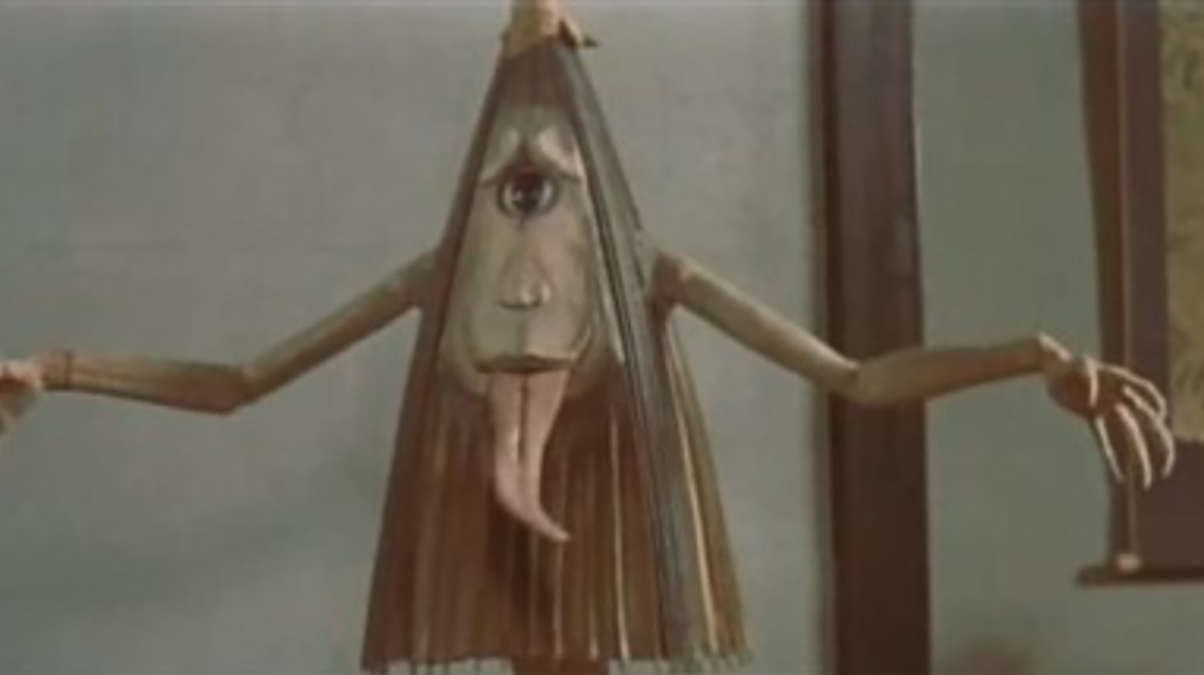
Much of my own understanding of Japanese urban legends/folklore comes from a copy of ‘Oriental Ghost Stories’, an anthology compiled by noted translator Lafcadio Hearn which I would recommend to anyone interested in some spooky campfire tales. Thus, this low-budget offering from the 1960s (the first of a trilogy) only further educated me on the subject. It introduced me to such entities as an ōkubi (a giant disembodied head with a witch’s cackle and hair as red as fire); the serpentine-necked rokurokubi; the rather friendly Kasa-obake (which would take home an award for cutest character design); and my personal favorite, the noppera-bō, aka the self-explanatory No-Face ghost. Some of these creatures I’d only seen described on paper so it was thoroughly chilling to watch them being brought to life via a more visual medium.
Thought-Provoking Horror from Kimiyoshi Yasuda
The jump scares are well-constructed, the class commentary is thought-provoking, and the collective ganging-up of the Yokai as they unleash hell on Earth upon the oppressive humans (who are actually the primary antagonists rather than the titular monsters themselves) feels overall satisfying to watch. The deaths are creative and quite gruesome so if you enjoy a high body count, you’re in for a treat.
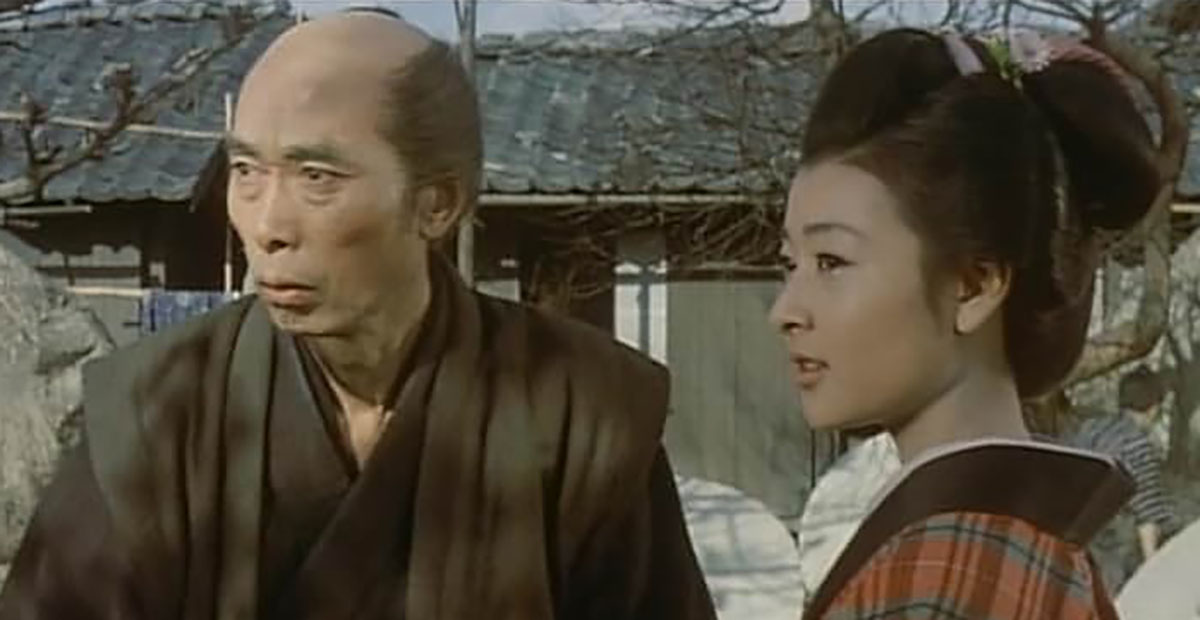
“Yokai Monsters: 100 Monsters” also features a fair share of suspense surrounding one of the characters. A handsome and enigmatic good Samaritan ronin named Yasutaro (played by Jun Fujimaki) appears and disappears mysteriously throughout the runtime, aids the villagers, engages in skillful swordfights with the despicable human villains. Only toward the movie’s climax does it reveal his true identity.
Good J-Horror; Hard to Track Down
Considering CGI was a thing of the future, “Yokai Monsters: 100 Monsters” only relies on practical effects, simple animation, and puppetry (preceding even modern masterpieces such as the holiday classic “Krampus” or sci-fi horror “The Thing,” to name a few). While a few creatures in it look cuddlesome, others definitely sent chills down my spine with their unshapely design.
The movie also utilizes colors and shadows to instill a sense of foreboding and terror. These include scenes such as a housewife shapeshifting into a rokurokubi with the coldest Kubrick stare, or an ominous light/orb appearing in the overcast skies as soon as the magistrate’s goons have finished destroying the sacred walls of the shrine. The score by Michiaki Watanabe is also worth mentioning.
If J-horror, monster movies or folk horror/ a blend of all of the above, are a genre that catch the interest, then “Yokai Monsters: 100 Monsters” is worth a watch, albeit a tad difficult to track down.