

Close Menu
    Facebook X (Twitter) Instagram
    Friday, June 5
    Facebook X (Twitter) Instagram Bluesky
    The Movie Buff
    • Home
    • About
      • Critics
      • Press & Testimonials
      • Friends of the Buff
      • Terms of Use
      • Thank You!
    • Film Reviews & Coverage
      • Movie Reviews
      • TV/Streaming Reviews
      • Film Festival Coverage
      • Interviews
    • Podcasts
    • Indie Film
      • Reviews & Articles
    • Advertise
    • Contact
      • Write for us
    The Movie Buff
    Documentary

    ‘Been Here Stay Here’ Review: A Climate Film That Listens Before It Warns

    Paul Emmanuel EnicolaBy Paul Emmanuel EnicolaMay 15, 2026No Comments4 Mins Read
    Facebook Twitter Pinterest LinkedIn Tumblr Email Copy Link
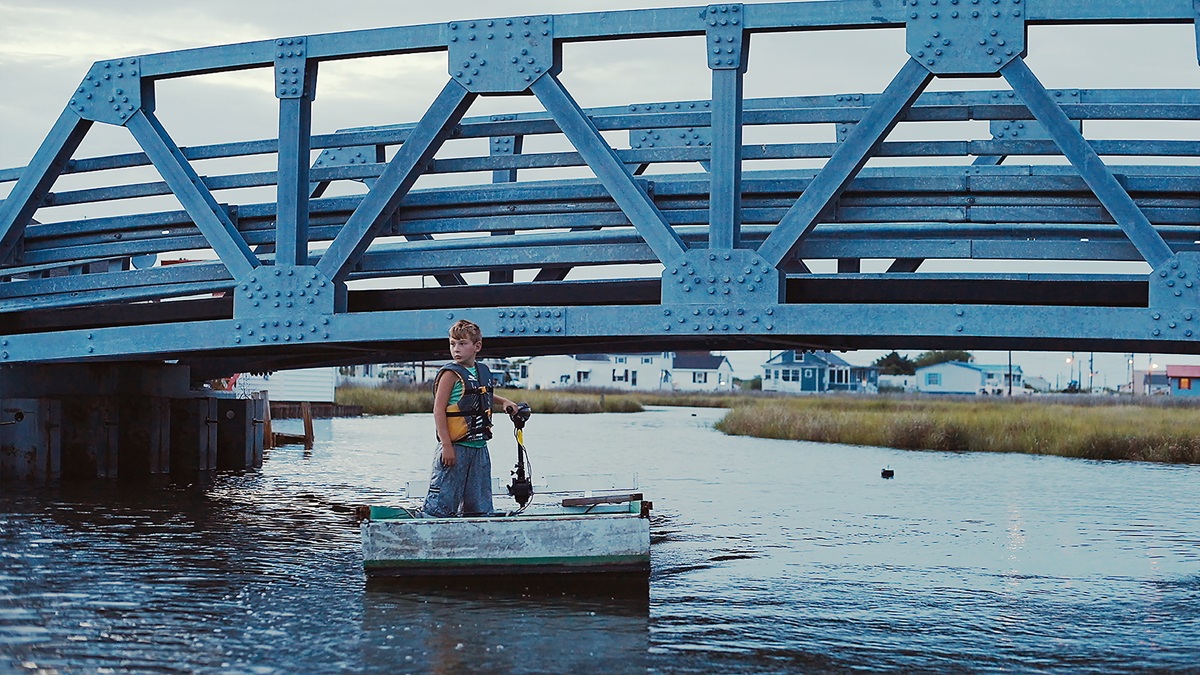
    Jacob Parks in a scene from "Been Here Stay Here."
    Jacob Parks in a scene from "Been Here Stay Here." (Photo: Lost and Found Films, 2024).
    Share
    Facebook Twitter Email Copy Link

    For nearly 250 years, a small community has occupied Tangier Island, sitting in the middle of the Chesapeake Bay. In the last century and a half, roughly two-thirds of it has disappeared. A fact like that could easily turn David Usui’s “Been Here Stay Here” into the kind of climate-change documentary that arrives with its argument already laminated: experts, charts, underwater projections, maybe a closing title card meant to make everyone feel terrible on cue. Usui, however, does something quieter, and to my mind, more difficult. He lets the island breathe before asking us to think about its possible disappearance.

    That patience from a filmmaker employing an unadorned vérité approach gives the film its pull. “Been Here Stay Here” does not enter Tangier as a problem to be solved, but as a place people still wake up in, work in, worship in, joke in, raise children in, and stubbornly love.

    Related Review: ‘Onlookers’ is an Immersive Travelog of Admirable Restraint
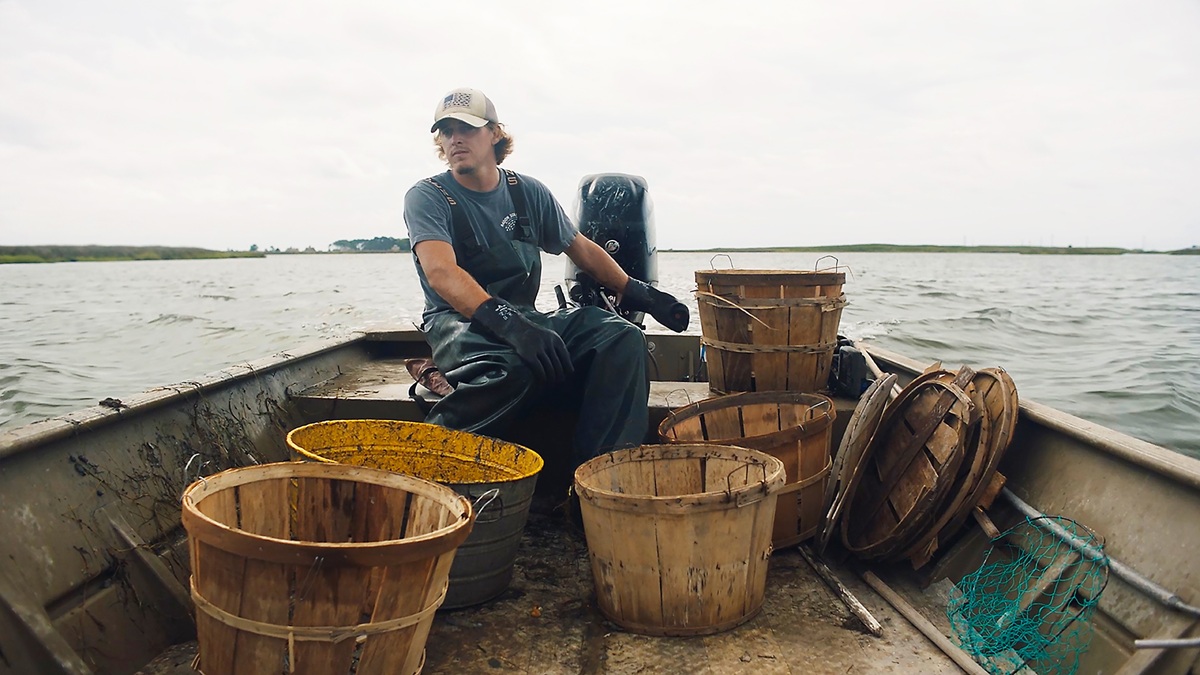
    A scene from "Been Here Stay Here."
    A scene from “Been Here Stay Here.” (Photo: Lost and Found Films, 2024).

    A Place Before It Becomes a Warning

    Usui follows the quotidian rhythms of daily life on the island: men crabbing and fishing, children playing near the water, tourists arriving for a quick look around, churchgoers gathering in prayer, elders speaking of a home that has shaped families for generations. Early on, tour guide Michelle tells visitors that Tangier sits only a few feet above sea level (five feet!), and the film does not need to underline the point. The water is everywhere already. It is neighbor, livelihood, threat, memory, and clock, all at once.

    This is where the documentary becomes more interesting than a standard environmental plea. Sure, one can read it as a climate-change film; but I found myself responding to it more as a film about collective identity. Tangier’s residents are bound by work, family, memory, and a religiosity so deeply embedded in the island’s culture that pulling faith away from civic life would feel artificial. Indeed, the film doesn’t treat their belief as a charming regional oddity or as some obstacle that needs correcting. It is simply the language through which many of them understand endurance.

    The imagery has a weathered, tactile beauty, too. Crab shanties, docks, church interiors, old footage, and wind-battered stretches of land are photographed with a lived-in quality that feels rustic without becoming quaint. Usui and cinematographer Peter Steusloff are not chasing postcard prettiness. Here, they pay more interest in surfaces: mud, wood, water, skin, labor, habit. The archival footage adds another depth, showing a version of the island that now feels both recent and unreachable, as if memory itself were being pulled into the tide.
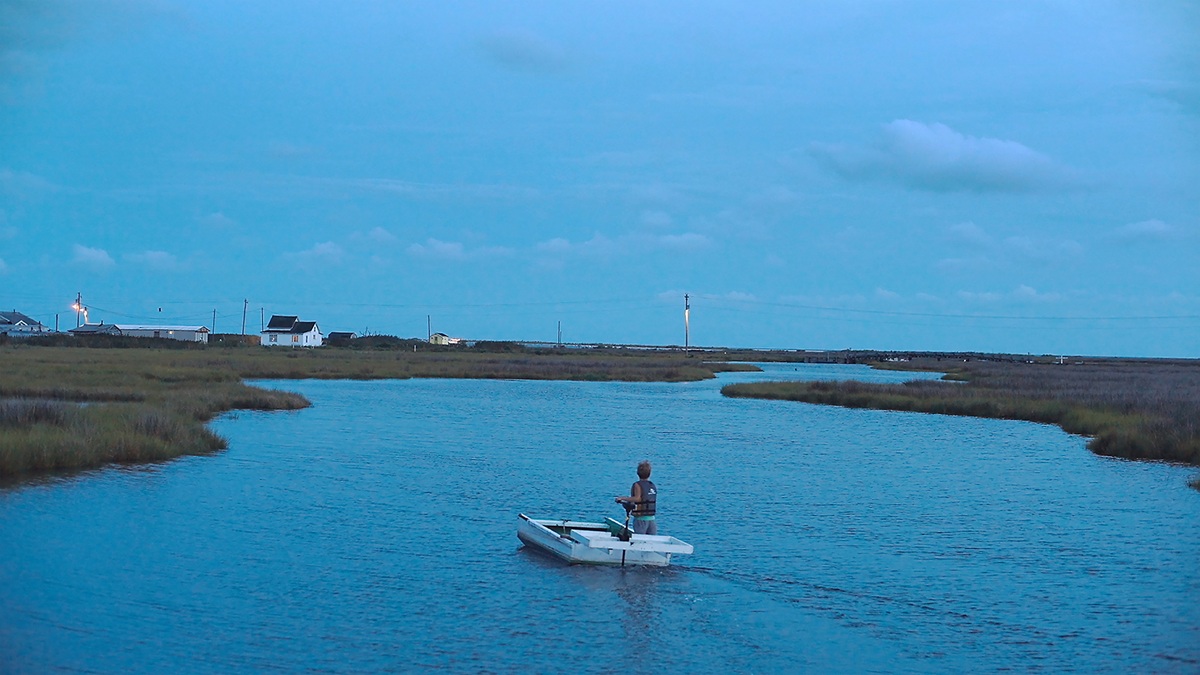
    A scene from "Been Here Stay Here."
    A scene from “Been Here Stay Here.” (Photo: Lost and Found Films, 2024).

    Faith, Erosion, and the Trouble With Staying

    Of course, the same restraint that makes “Been Here Stay Here” so absorbing may also test some viewers. There were moments when I wanted the film to push a little harder, to let the mess of policy, funding, climate skepticism, and local frustration rub against the images more sharply. Usui commits so much to listening that the film sometimes drifts when it might have pressed. A few church passages also run long, especially if one is outside that world, and the observational patience can begin to feel like it is circling the same emotional ground.

    David Usui’s patient documentary looks at Tangier Island not as a symbol to be argued over, but as a home shaped by faith, memory, work, and the stubborn human need to remain.

    But I also think that is part of the gamble. A louder version of this film would have been easier to process and easier to dismiss. This one, on the other hand, asks us to sit with people who do not always use the vocabulary outsiders want them to use. For many on Tangier, the issue is not framed first through climate politics. It is, instead, framed through home, duty, God, family, and the simple fact of having been there for so long that leaving sounds less like relocation than erasure.

    Ultimately, it works. “Been Here Stay Here” isn’t asking us to pity Tangier Island. It’s asking us to look at it long enough to understand why people would fight for a place even as it vanishes beneath them.

    On paper, that may sound irrational. But on screen, it looks painfully human.

    'Been Here Stay Here' has a rating of B+ from The Movie Buff staff

    David Usui’s “Been Here Stay Here” opens in New York theatres on May 15, 2026 at Quad Cinema. It will next show at Laemmle Theatres in Los Angeles on May 27, 2026, both courtesy of Grasshopper Film. Follow us for more coverage.

    Been Here Stay Here climate change David Usui documentary environmentalism independent film
    Share. Facebook Twitter Pinterest LinkedIn Tumblr Email
    Previous Article‘Remarkably Bright Creatures’ is a Remarkably Heartwarming Film About Loss and Healing
    Next Article ‘The Super Mario Galaxy Movie’ Review: A Galaxy-Traveling Romp or Avaricious Nostalgia Machine?
    Paul Emmanuel Enicola
    • Website
    • X (Twitter)

    Paul is a Tomatometer-approved film critic inspired by the biting sarcasm of Pauline Kael and levelheaded worldview of Roger Ebert. Nevertheless, his approach underscores a love for film criticism that got its jumpstart from reading Peter Travers and Richard Roeper’s accessible, reader-friendly reviews. As SEO Manager/Assistant Editor for the site, he also serves as a member of the International Federation of Film Critics (FIPRESCI) and the Society of Filipino Film Reviewers.

    Related Posts

    Independent June 4, 2026

    ‘Meadowlarks’ imagineNATIVE 2026 Review: A Reunion With One Chair Still Empty

    Drama June 3, 2026

    ‘The Currents’ Review: Taking the Plunge

    Bollywood June 3, 2026

    Review: Sarthak Dasgupta’s Long-lost ‘The Last Tenant’ — Starring Irrfan Khan — Now on YouTube

    Dark Comedy June 2, 2026

    ‘Send Help’ Review: A Bizarre Mishmash of Genres and Poor Writing Sink the Island Thriller

    Western May 31, 2026

    ‘Laal Kaptaan’ Review: This Cult Classic Chronicles an Ascetic’s Revenge in Colonial India

    Horror May 30, 2026

    ‘Passenger’ Review: An Unremarkable Haunting Story with a Van-Life Twist

    Leave A Reply Cancel Reply

    Latest Posts

    ‘Meadowlarks’ imagineNATIVE 2026 Review: A Reunion With One Chair Still Empty

    By Paul Emmanuel EnicolaJune 4, 20260

    ‘The Currents’ Review: Taking the Plunge

    By Kevin ParksJune 3, 20260

    Review: Sarthak Dasgupta’s Long-lost ‘The Last Tenant’ — Starring Irrfan Khan — Now on YouTube

    By Vidal DcostaJune 3, 20260

    ‘Send Help’ Review: A Bizarre Mishmash of Genres and Poor Writing Sink the Island Thriller

    By Mark ZiobroJune 2, 20260
    • Facebook
    • Twitter
    • Instagram
    • YouTube
    Bollywood
    Bollywood

    Review: Sarthak Dasgupta’s Long-lost ‘The Last Tenant’ — Starring Irrfan Khan — Now on YouTube

    By Vidal DcostaJune 3, 20260

    Sagar (Irrfan Khan), an ambitious musician rents a quaint cottage while awaiting his acceptance letter…

    ‘Laal Kaptaan’ Review: This Cult Classic Chronicles an Ascetic’s Revenge in Colonial India

    By Vidal DcostaMay 31, 20260

    ‘Kartavya’ Review: A Grim Slow-burn that Depicts the Rapid Decline of Humanity

    By Vidal DcostaMay 24, 20260

    Halfway to Halloween: ‘Shaapit’ and the Curse of Two Backstories

    By Vidal DcostaApril 27, 20260

    Halfway to Halloween: ‘Lekin…,’ a Time-Spanning Tale About Crossing Over to the Other Side

    By Vidal DcostaApril 22, 20260
    Spotlight on Classic Film

    ‘The Innocents’ Review: One of the First Haunted House Films of the Modern Horror Era

    ‘Gone With the Wind’ Review: Epic Film from the Golden Age of Hollywood

    ‘The Count of Monte Cristo’ QCinema 2024 Review: A Thoughtful, If Rushed, Study of Revenge and Redemption

    ‘Thirteen Women’ Review: A Precursor of the Slasher Genre, with a Devilishly Divine Femme Fatale at its Helm

    The Movie Buff is a multimedia platform devoted to covering all forms of entertainment. From Hollywood Blockbusters to Classic Comfort faves. Broadcast Television, on-demand streaming, bingeworthy series'; We're the most versatile source.

    The Movie Buff is also the leading supporter of Indie film, covering all genres and budgets from around the globe.

    Facebook X (Twitter) Instagram YouTube LinkedIn TikTok
    Copyright @2011-2026 by The Movie Buff | Stock Photos provided by our partner Depositphotos

    Type above and press Enter to search. Press Esc to cancel.